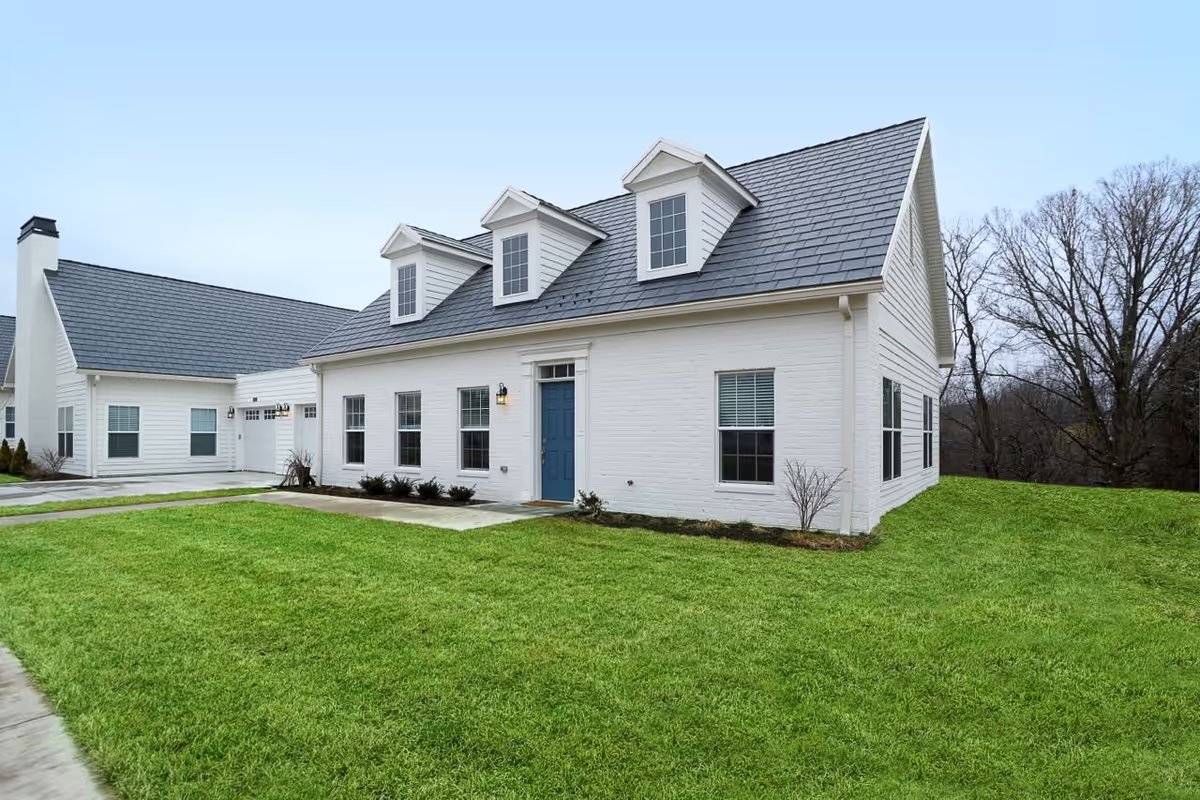
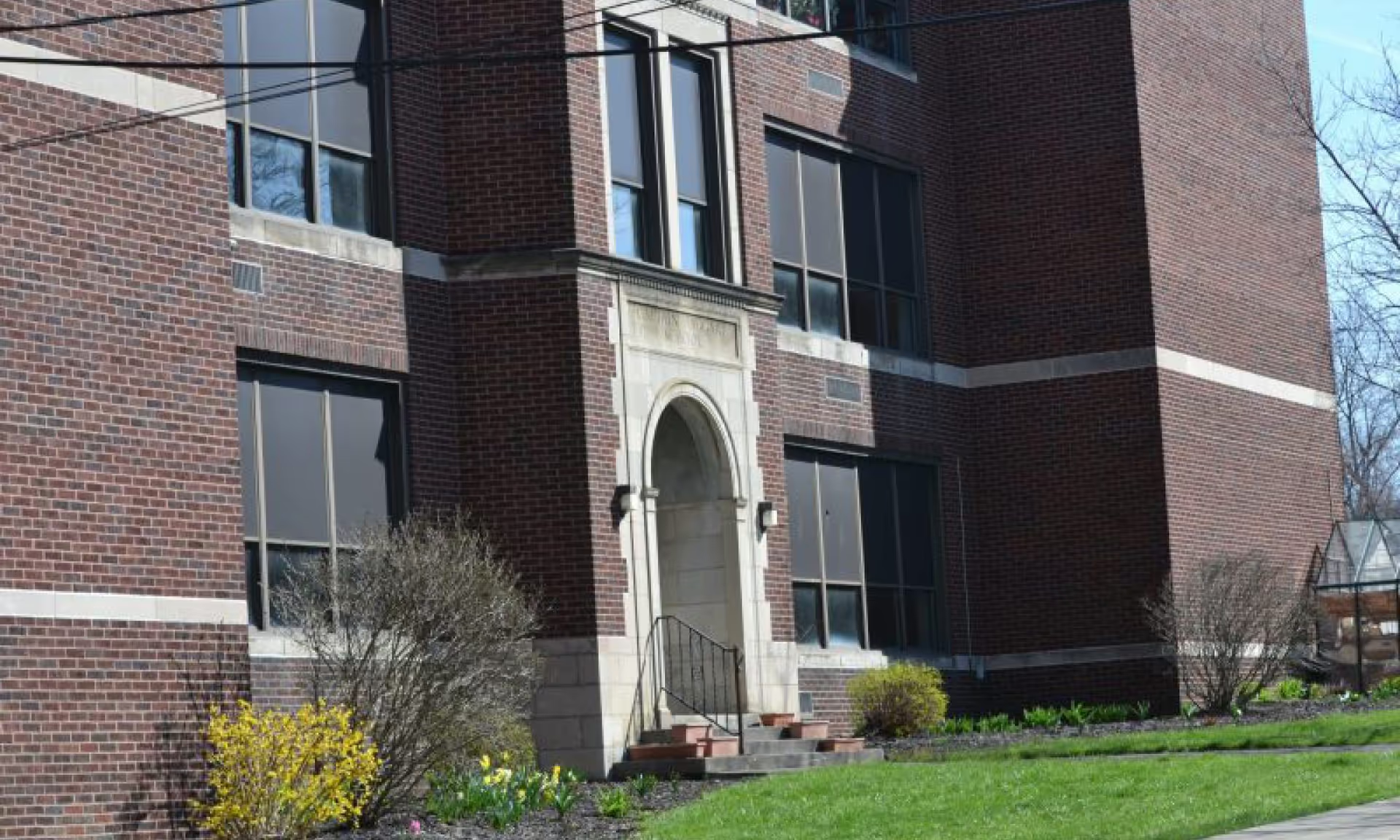
Brighton Rehabilitation and Wellness Center elicits highly polarized impressions. A consistent strength across many accounts is the therapy program: physical, occupational, and speech therapists are frequently described as skilled, motivating, and effective at achieving mobility and discharge goals. Several families credit the therapy staff with meaningful recovery. In parallel, a number of nurses, nursing assistants, and aides are described as compassionate and attentive, and some units are praised for respectful end-of-life care and strong clinical teamwork.
However, reviewers also identify recurring operational weaknesses that materially affect daily care. Staffing levels are frequently described as inconsistent and insufficient, with multiple accounts of long call‑light waits, delayed assistance with toileting and bathing, and gaps in routine personal care. These staffing constraints are cited as contributing to delayed medication administration, medication‑management errors in some cases, and slow clinical response when physician input is needed. Reliance on temporary agency staff and high turnover are noted as exacerbating variability in care quality.
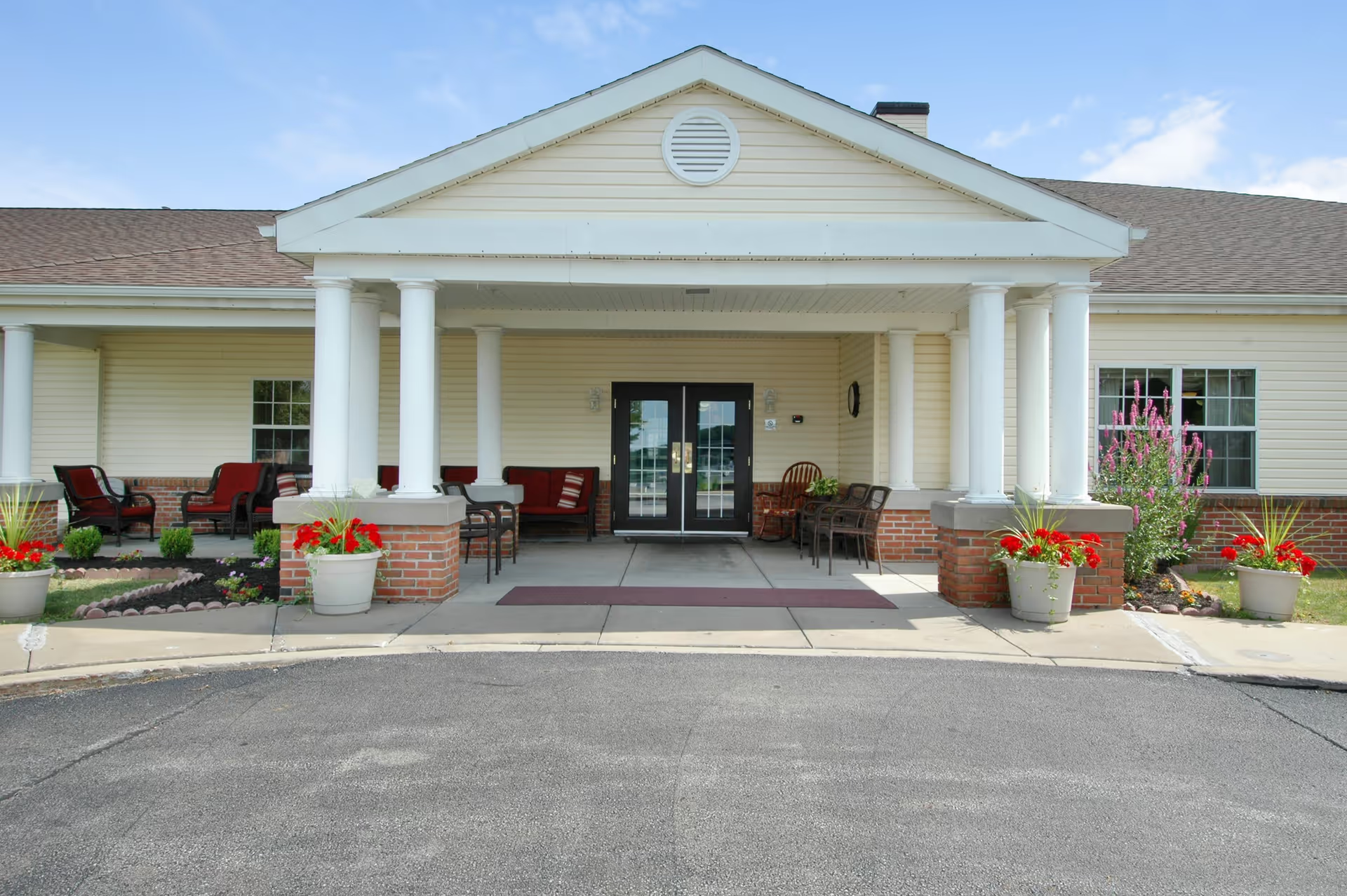
Sanitation, maintenance, and facility condition are additional areas of concern. Reports reference cleaning lapses, odor concerns in some common areas, pest-control and hand‑hygiene issues, and signs of deferred maintenance such as nonfunctional air conditioning, broken fixtures, and worn furnishings. Overcrowded multi‑bed rooms, limited availability of private rooms, and an older building aesthetic were common remarks; by contrast, some reviewers highlighted recently renovated spaces and a new therapy gym on parts of the campus.
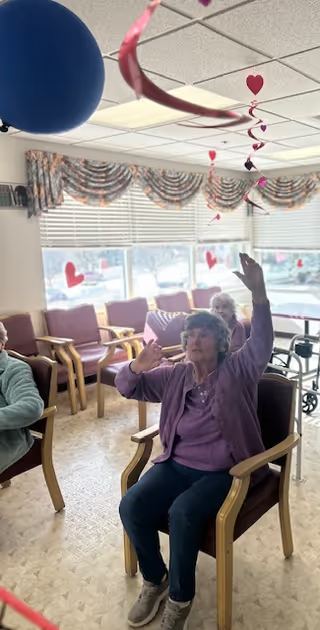
Dining and nutrition experiences are mixed. Multiple reviewers describe cold or inconsistent meals and limited fresh produce, while others praise accommodating dietary service and decent meal options. Activity programming and on-site amenities (salon, snack bar, gift shop, library, courtyards) are cited as meaningful positives when they are available and staffed; some accounts, however, indicate closures or limited access to amenities at times.
Communication, administration, and billing generate substantial criticism. Families reported difficulties reaching staff by phone, unreturned social‑work or administrative calls, billing errors, and at least a few serious allegations concerning financial irregularities and ownership-level issues. There are also references to inspection deficiencies and regulatory scrutiny in some reports.
Taken together, the pattern is of a facility that can deliver strong rehabilitation and compassionate caregiving in pockets—notably in certain therapy teams and specific floors—while suffering from systemic operational challenges that can undermine day-to-day quality of life. Prospective residents and families should tour the specific unit they will occupy, ask about current staffing ratios and recent inspection results, verify private-room availability if needed, observe cleaning and maintenance standards, clarify medication‑management protocols, and obtain written details on billing and social‑work support before placement.