Meadow Crest presents a highly mixed pattern of experiences. Many reviewers describe strong clinical strengths for short-term rehabilitation: attentive nurses and aides, skilled physical and occupational therapy teams, individualized rehab plans, and examples of residents regaining function and returning home. Families and former residents also highlighted responsive social-work support, accommodating dietary staff, pleasant outdoor areas, and instances of thorough wound care and housekeeping.
Counterbalancing those positive reports are repeated operational concerns that appear to drive variability in care. Staffing levels and shift-to-shift consistency are frequent themes: understaffing and slow response to call bells are linked in multiple accounts to delays in personal care (bathing and hygiene), late or missed medication administration, and slower attention when problems arise. Reviewers described inconsistent internal communication and coordination among nursing, therapy, and front-desk staff, which contributed to missed tasks, confusion about resident location or status, and frustration for families.
Dining and activities also show a split pattern. Some families praised varied menus, desserts, and accommodating dietary services; others described cold meals, poor presentation, and unappealing pureed options. Activity programming is often listed as a strength—regular, engaging events and an attentive activities director—but some accounts describe sessions that are poorly run or overly loud, suggesting variability by staff and time of day.
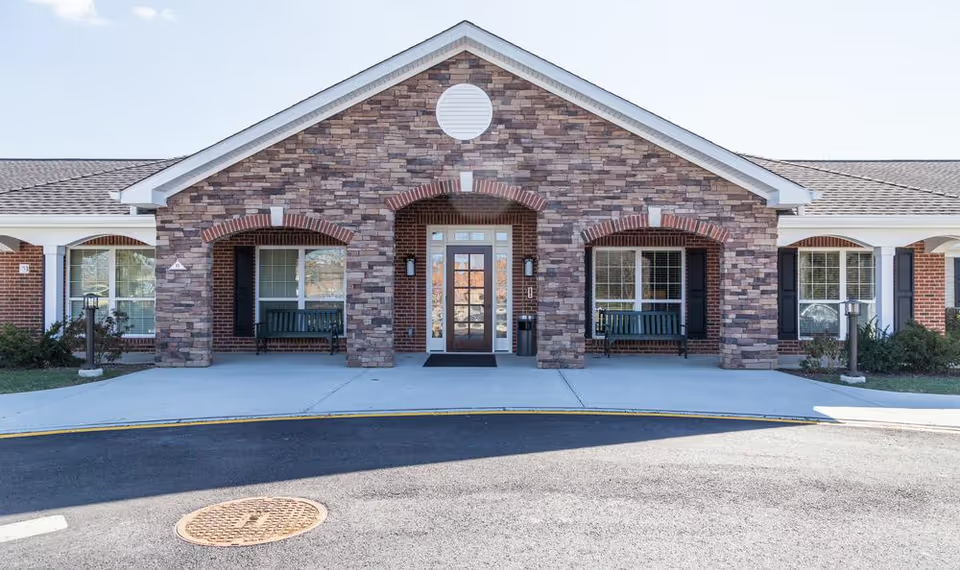
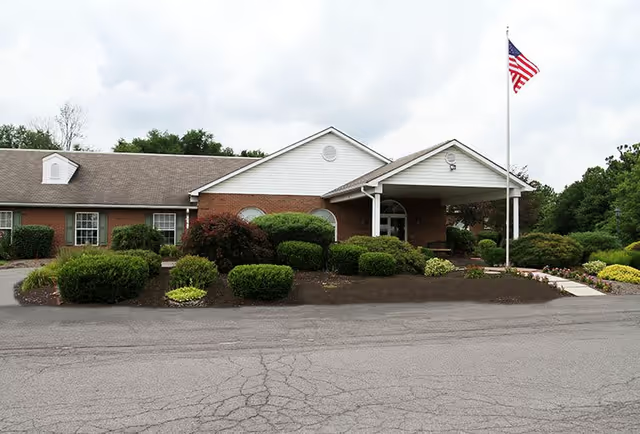
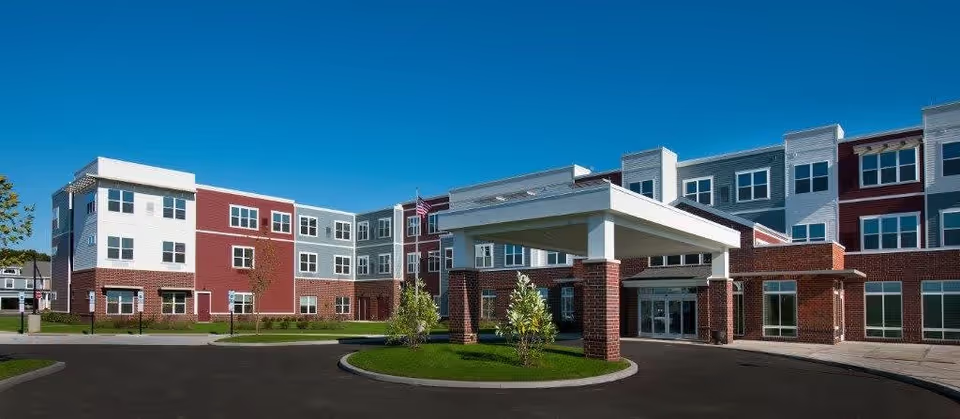
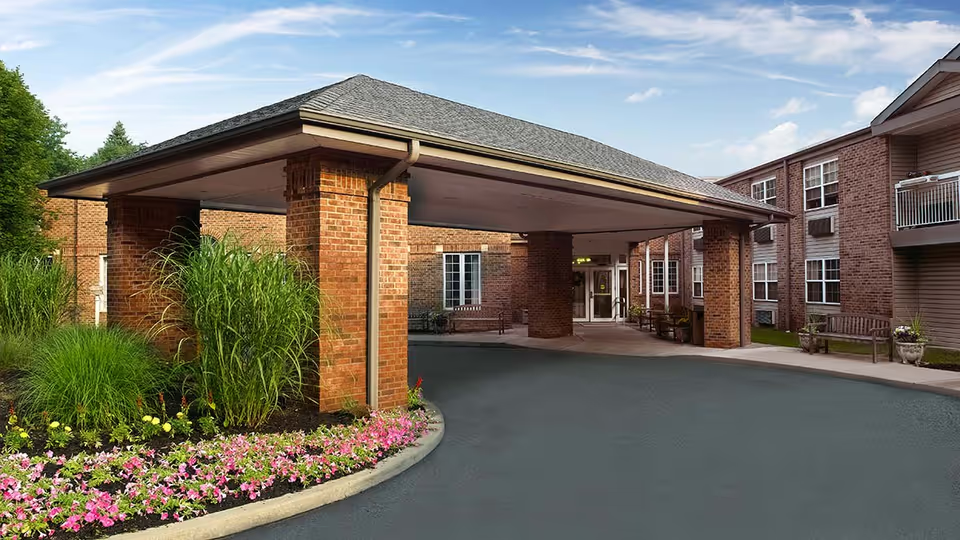
Facility condition and safety received mixed feedback. Several reviewers praised clean, well-kept common areas, attractive patios, and functional rooms. Conversely, others reported aging rooms, cramped shared accommodations, maintenance issues, and sanitation inconsistencies including localized odor concerns and concerns about housekeeping thoroughness. Equipment and safety practices were also questioned in some accounts (broken lifts, sharps management, and fall safety), indicating potential gaps in maintenance and safety oversight.
Management and culture appear uneven. Positive descriptions of open administration, responsive leaders, and effective social work sit alongside critiques of weak front-desk responsiveness, pass-the-buck attitudes, and instances where families felt communication was inadequate. There are also serious, individual claims—including allegations of discriminatory conduct and references to regulatory complaints—which merit direct inquiry by prospective families and review of inspection records.
Overall pattern: experiences at Meadow Crest vary substantially. The facility demonstrates clear strengths in rehabilitation therapy and has staff that deliver compassionate, effective care in many cases. At the same time, recurring operational themes—staffing inconsistency, variable sanitation and meal quality, call-response delays, and uneven management/communication—create risk for negative experiences. Prospective residents and families should ask targeted questions about current staffing ratios, infection-control protocols, medication-administration procedures, call-bell response times, shared-room arrangements, maintenance practices, and recent survey/inspection findings. Visiting during multiple shifts, speaking with therapy and nursing leadership, and reviewing recent state inspection reports will help clarify whether the facility’s strengths are consistent and whether identified weaknesses have been addressed.