Experiences at South Hills Post Acute vary sharply. Several residents and families describe compassionate, professional staff and effective rehabilitation. Some residents who returned for multiple stays said therapy helped them regain strength and return home, and others praised the courtesy and attentiveness of nursing and support staff. However, a substantial group of family accounts describe inconsistent basic care, delayed responses, and concerns about safety and clinical oversight.
Rehabilitation is a notable strength in positive accounts: physical and occupational therapists are described as knowledgeable, encouraging, and invested in recovery. Other accounts report delayed or inconsistent therapy, limited help getting out of bed, and concerns about therapy-related care. Residents also describe positive experiences with speech therapy and social work. Reports of resident engagement are limited; one family described little interaction during a stay, while the reviews provide little detail about organized activities.
Staff experiences are mixed. Many positive accounts commend nurses, aides, and support personnel for kindness, respect, and responsiveness, with specific praise for individual staff and social workers. Conversely, families describe short staffing, call bells answered slowly, and inconsistent help with bathing, dressing, toileting, and other daily needs. Concerns also include medication delays or discrepancies, limited physician contact, and uncertainty about how changes in a resident’s condition were assessed or escalated. One family described repeated falls, delayed communication, and a subsequent medical emergency and death; the family attributed the outcome to the facility, though the review alone cannot establish causation.
Dining feedback is also mixed. Some residents appreciated the menu, food presentation, and snacks, while other accounts criticized meal quality or raised concerns that staff were not aware of dietary restrictions. Families also describe inconsistent attention to individualized needs, including mobility aids, transfer assistance, and support for residents with dementia or confusion.
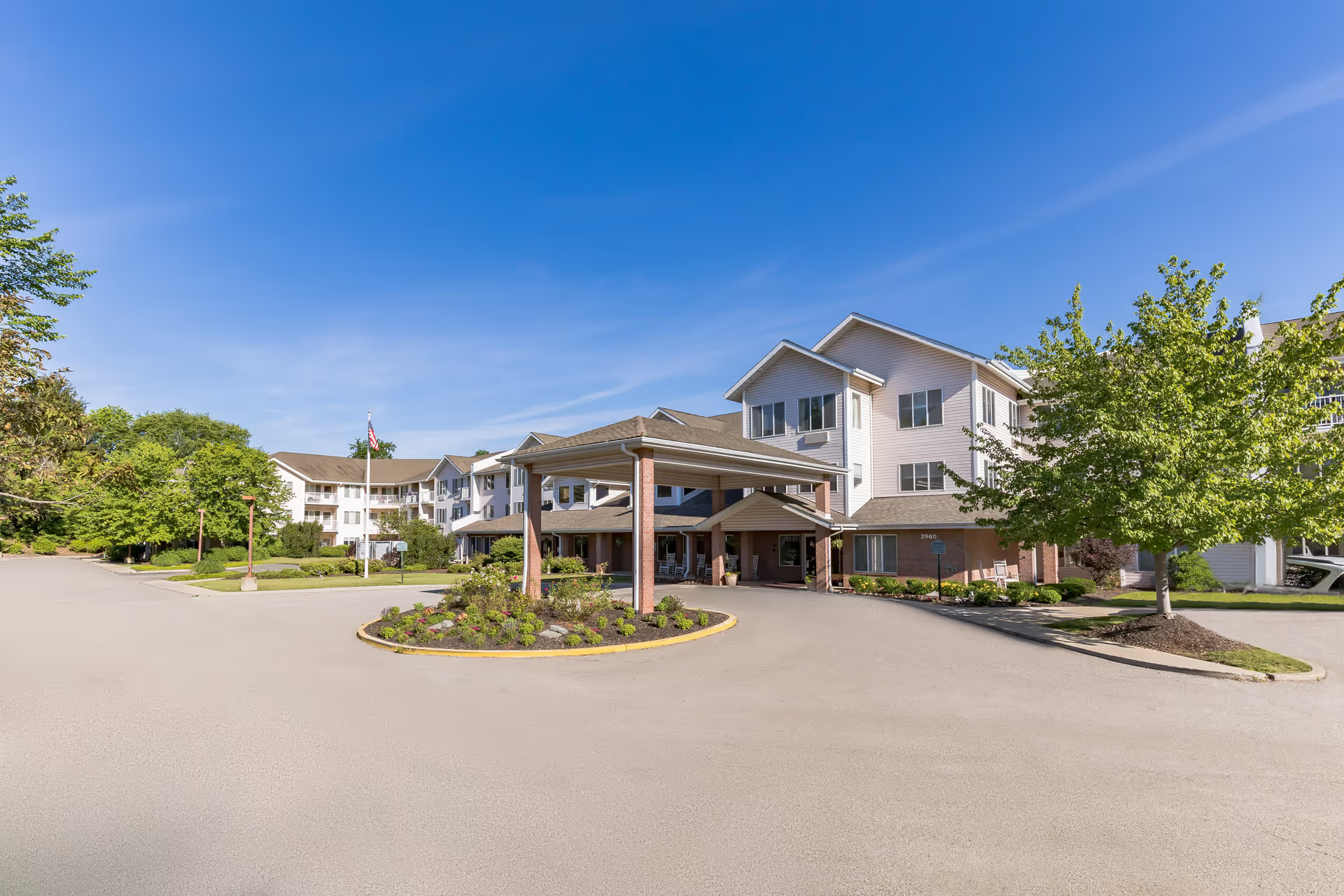
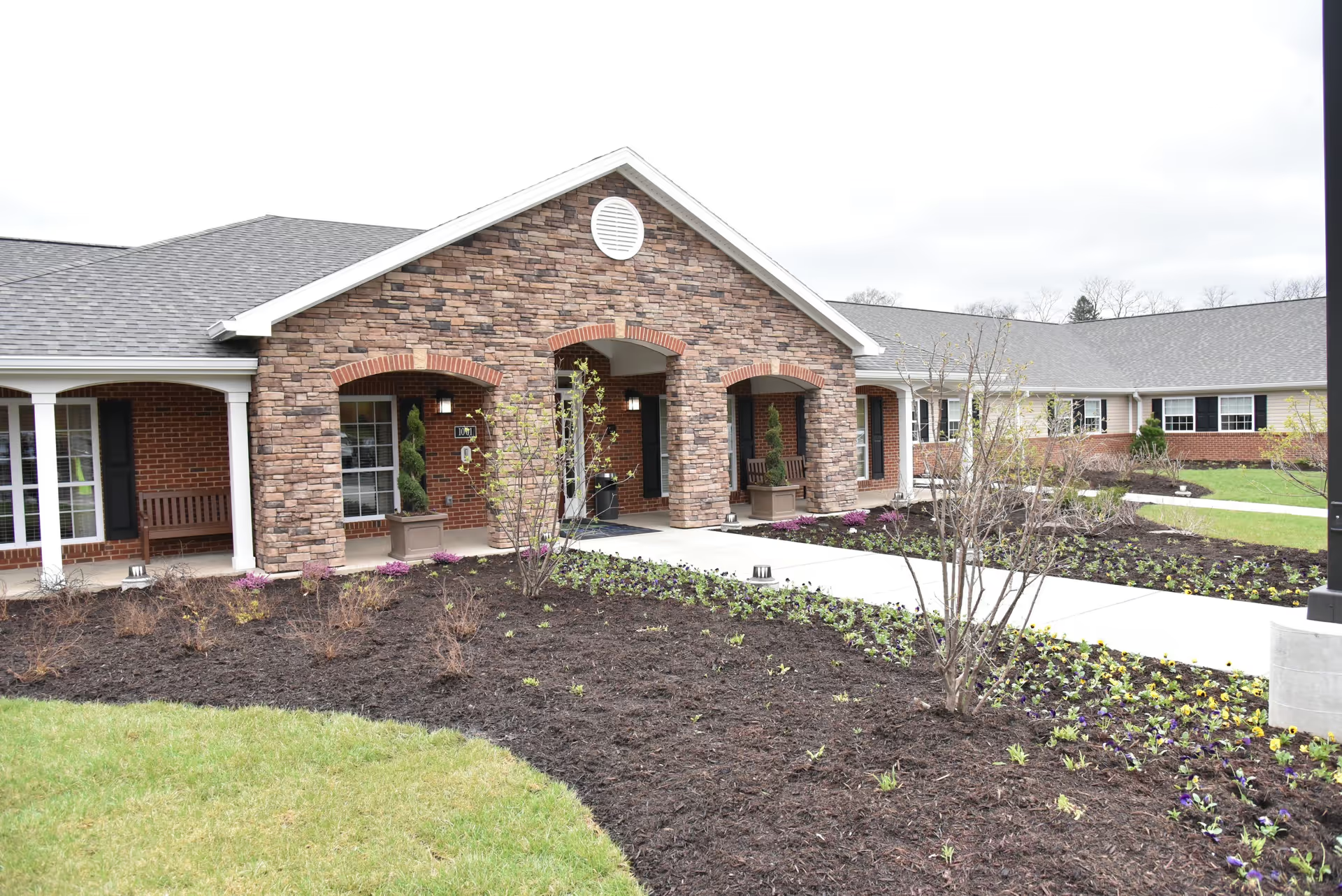
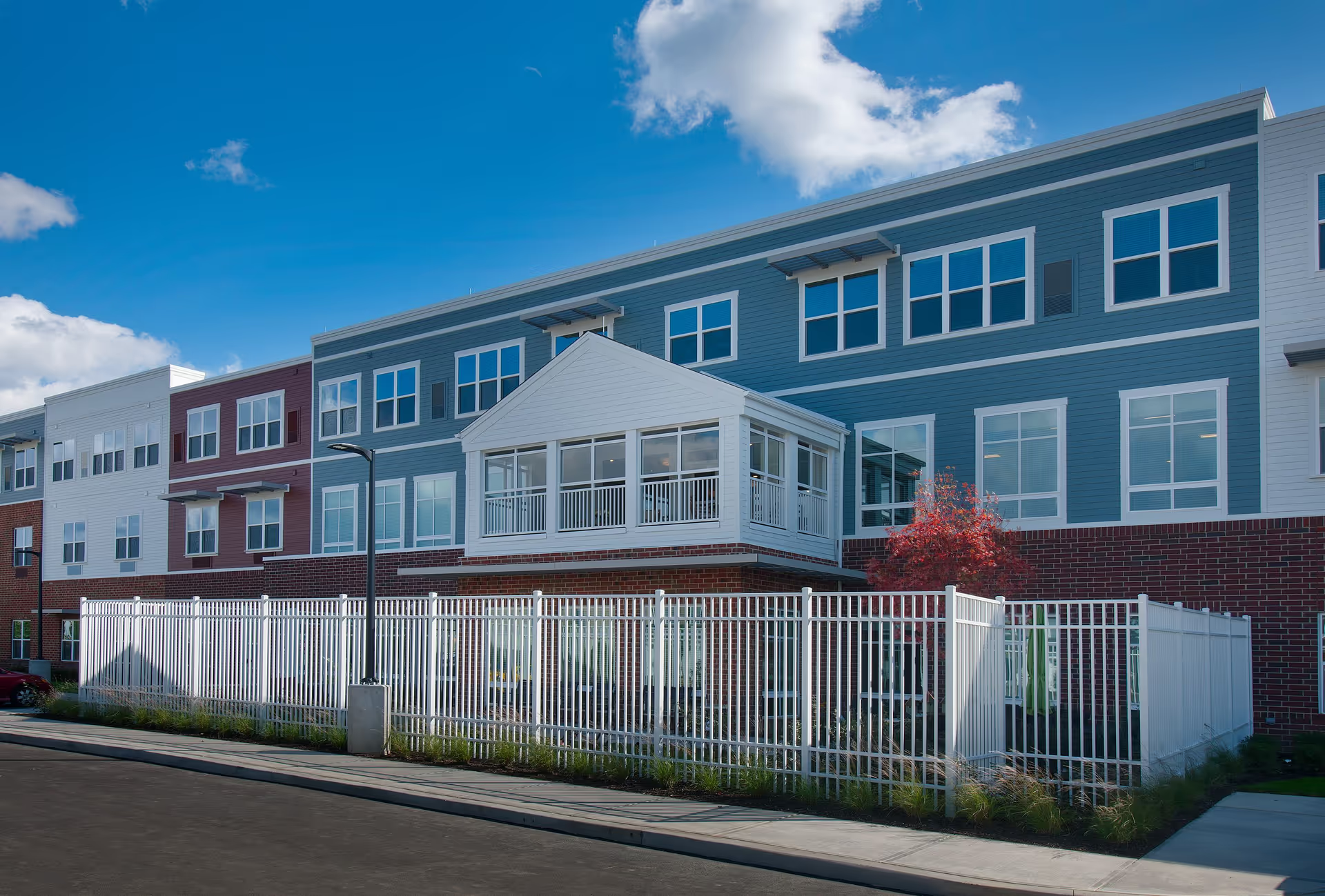
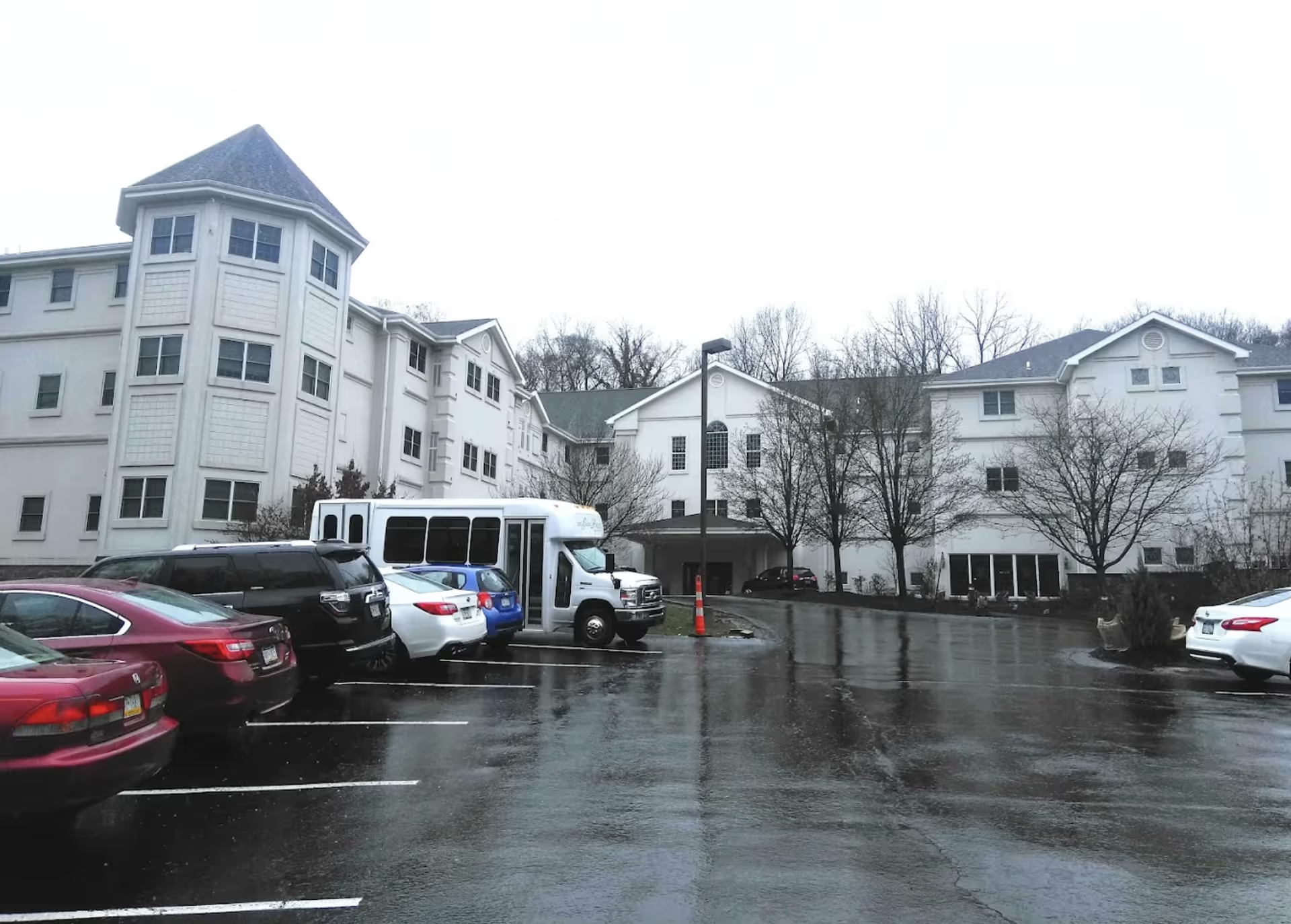
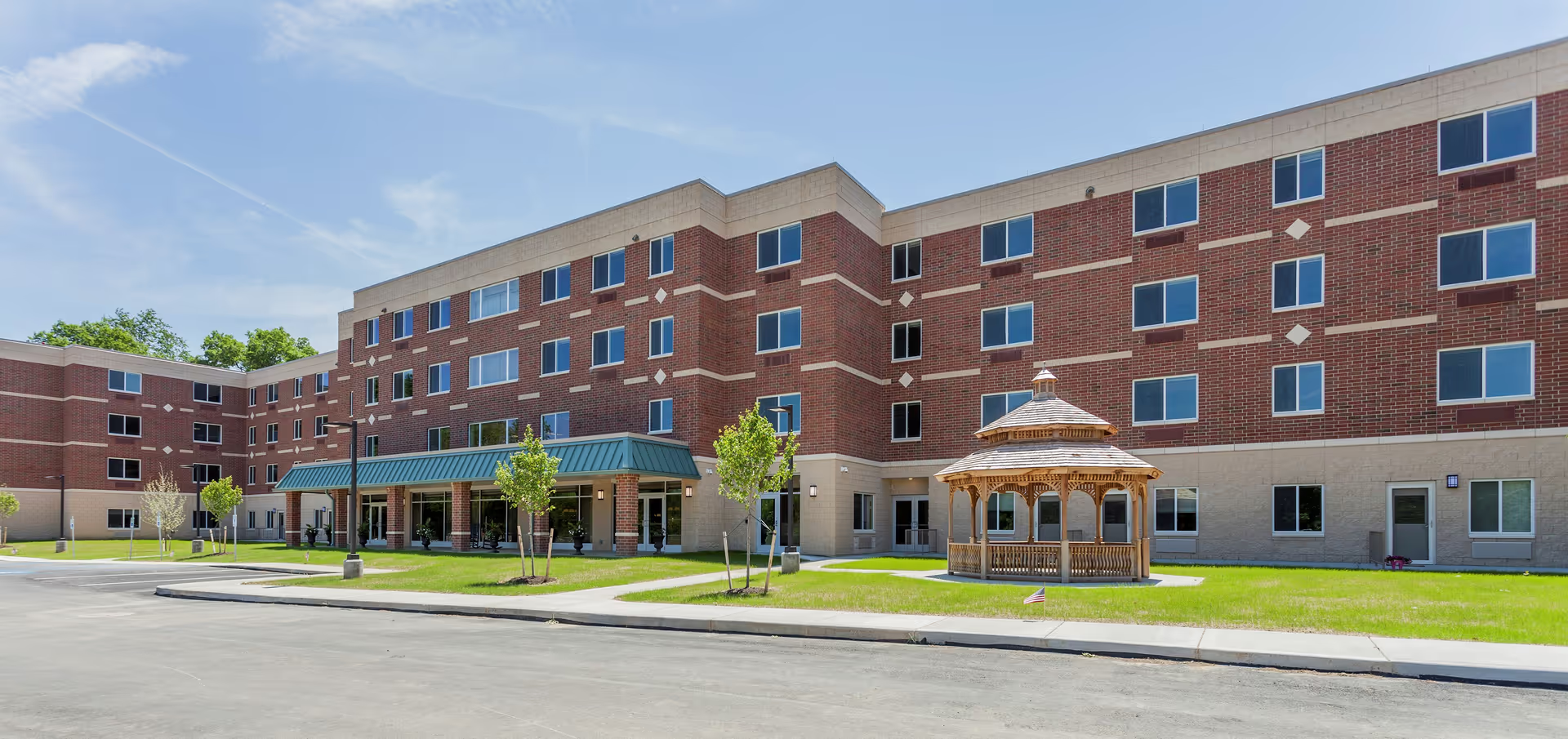
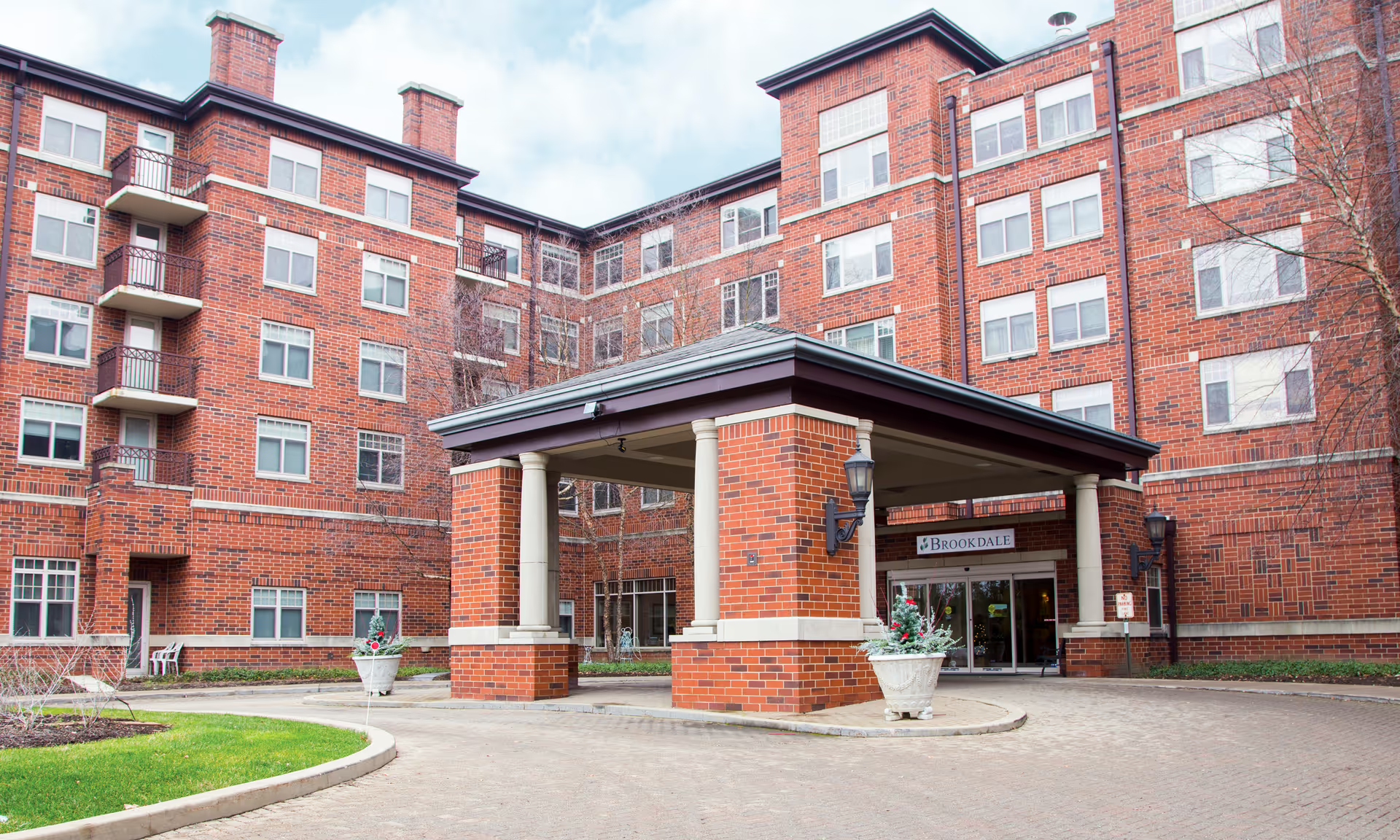
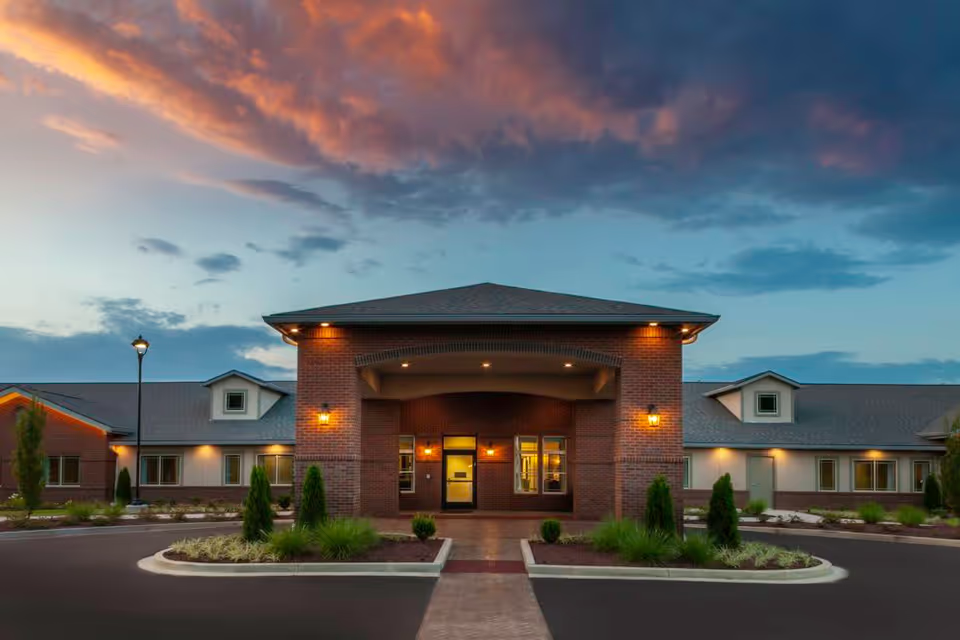
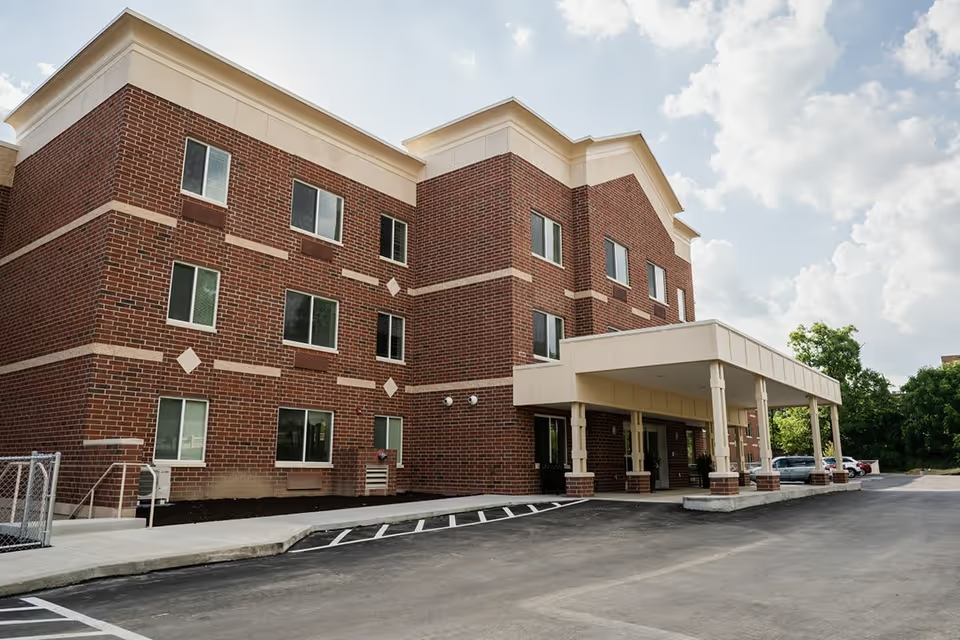
Opinions on the physical environment differ considerably. Some residents and families describe clean rooms and a well-maintained building. Others report odor concerns, dated interiors, visible maintenance needs, and cleanliness concerns in resident areas. Administrative communication is a recurring weakness in critical accounts, including confusion around admission, care planning, discharge arrangements, insurance, and refunds. Families also describe dissatisfaction with the tone of some interactions and with management follow-through. Overall, the reviews suggest that the facility can provide a positive rehabilitation experience, but that reliability may vary across stays, units, and staff; families may wish to ask specifically about staffing, therapy schedules, medication processes, physician availability, individualized care plans, and discharge coordination.