Bridgeville Rehabilitation & Care Center elicits strongly mixed responses that cluster around two consistent themes: a well-regarded clinical and therapy program plus repeated operational and management variability. Many families describe compassionate, attentive nurses and aides who provide personalized, family‑oriented care. The facility’s rehabilitation services (physical, occupational, and speech therapy) receive frequent praise for achieving measurable gains and facilitating discharge home. Activity programming is robust and varied — musical performances, crafts, cognitive games, and dedicated spaces such as the Rose Room are regularly cited as meaningful engagement for residents. Several reviewers also note helpful administrative support, including assistance with financial navigation, insurance questions, and timely communication via phone or virtual updates.
Dining and day-to-day living receive broadly positive comments about menu variety, dietary flexibility, and alternative meal options; however, there are recurrent critiques about meal temperature and some service inconsistencies. Interior cleanliness and upkeep of clinical and communal areas are often described as good, and families report that memory‑care programming and certain therapeutic supports (e.g., ostomy care, IV initiation, transportation) are handled competently. Named staff members and specific departments (therapy, nursing, activities, business office) are frequently singled out for praise, and some families highlight strong end‑of‑life support and coordinated care across clinical roles.
Counterbalancing these strengths are operational weaknesses that affect safety perception and family confidence. Staffing levels appear inconsistent, with weekend skeleton crews and periodic short staffing cited; this correlates with reports of delayed responses to call lights and alarms, slower attention to toileting or linen changes, and uneven oversight during urgent situations. Several reviews identify gaps in medication documentation and coordination of post‑discharge home‑health services. Families also raise concerns about resident safety monitoring and transfer practices, and there are complaints about inconsistent room assignments, crowding in some rooms, and variability in ancillary services such as hairstyling and laundry turnaround.
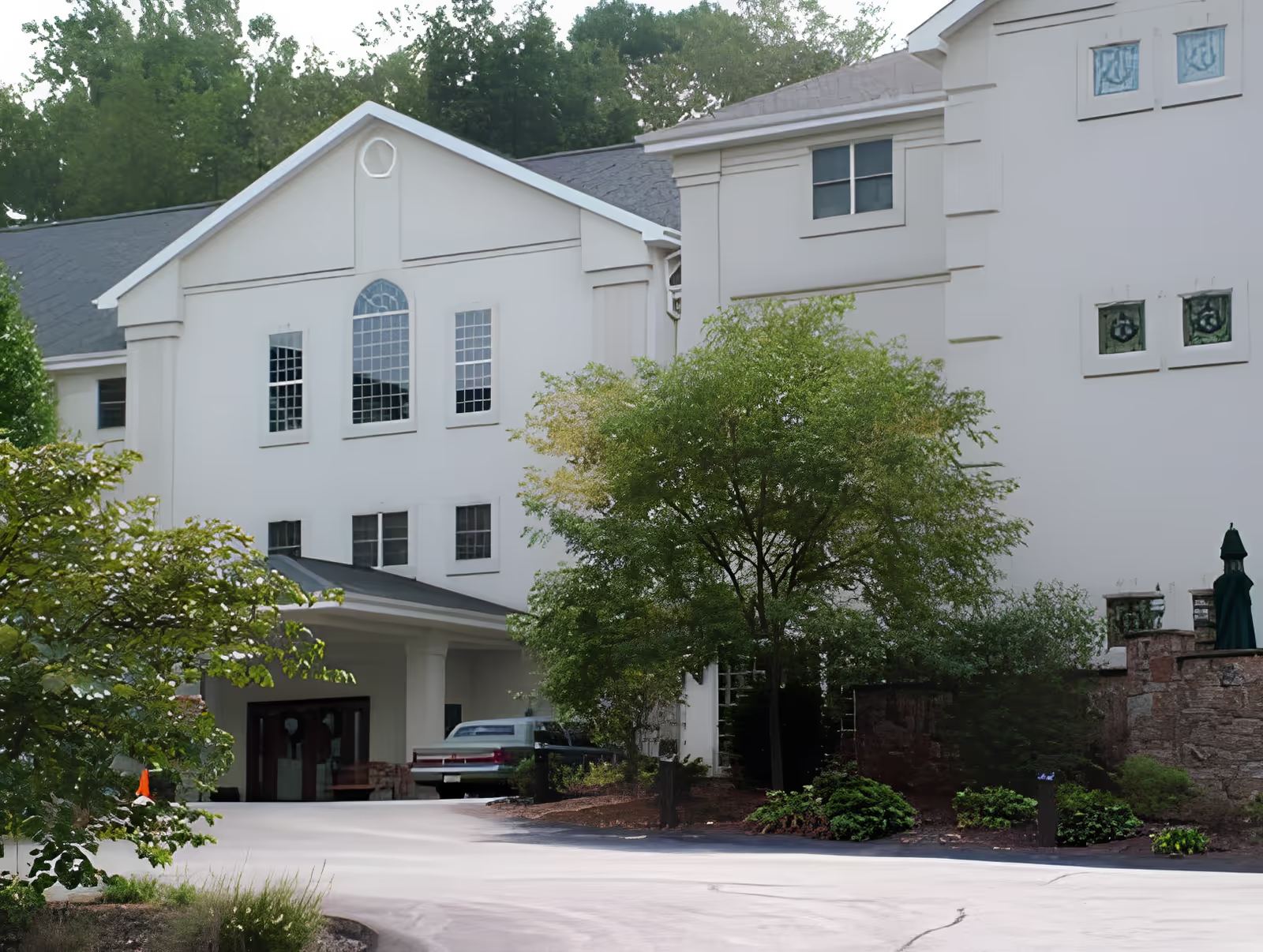
Management and facility‑level issues emerge as another pattern. Although some reviewers commend administration and the business office for responsiveness and coordination, others describe frequent leadership turnover, perceived resource constraints, and dismissive responses when concerns are escalated. Exterior maintenance and grounds upkeep are inconsistent — noted as an area needing improvement. A small number of reviewers allege serious staff conduct issues; these accounts underscore the importance of asking about the facility’s investigation and reporting processes before placement.
For prospective residents and families: Bridgeville offers strong rehabilitation capability, active programming, and many instances of compassionate, person‑centered care. At the same time, the facility demonstrates variability in staffing, responsiveness, and certain operational processes that could affect safety and continuity of care. When evaluating placement, families should ask about current staffing ratios (including weekends), emergency and alarm response protocols, medication‑administration safeguards, discharge planning procedures, room configuration options, and how the facility addresses and documents concerns or incidents. Touring the interior spaces, observing meal service, and speaking directly with therapy and nursing leadership can help clarify whether the facility’s strengths align with a specific patient’s needs.