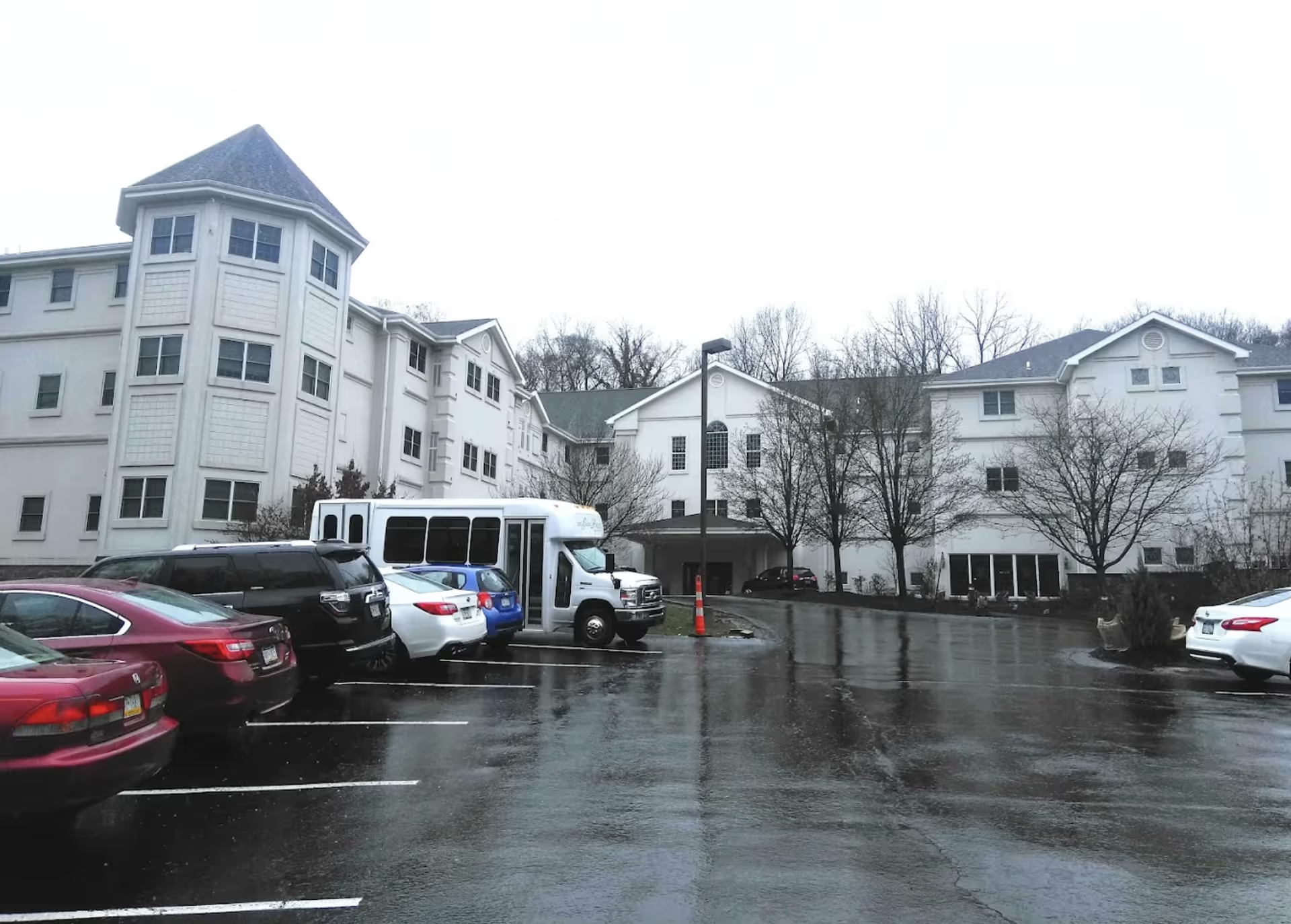
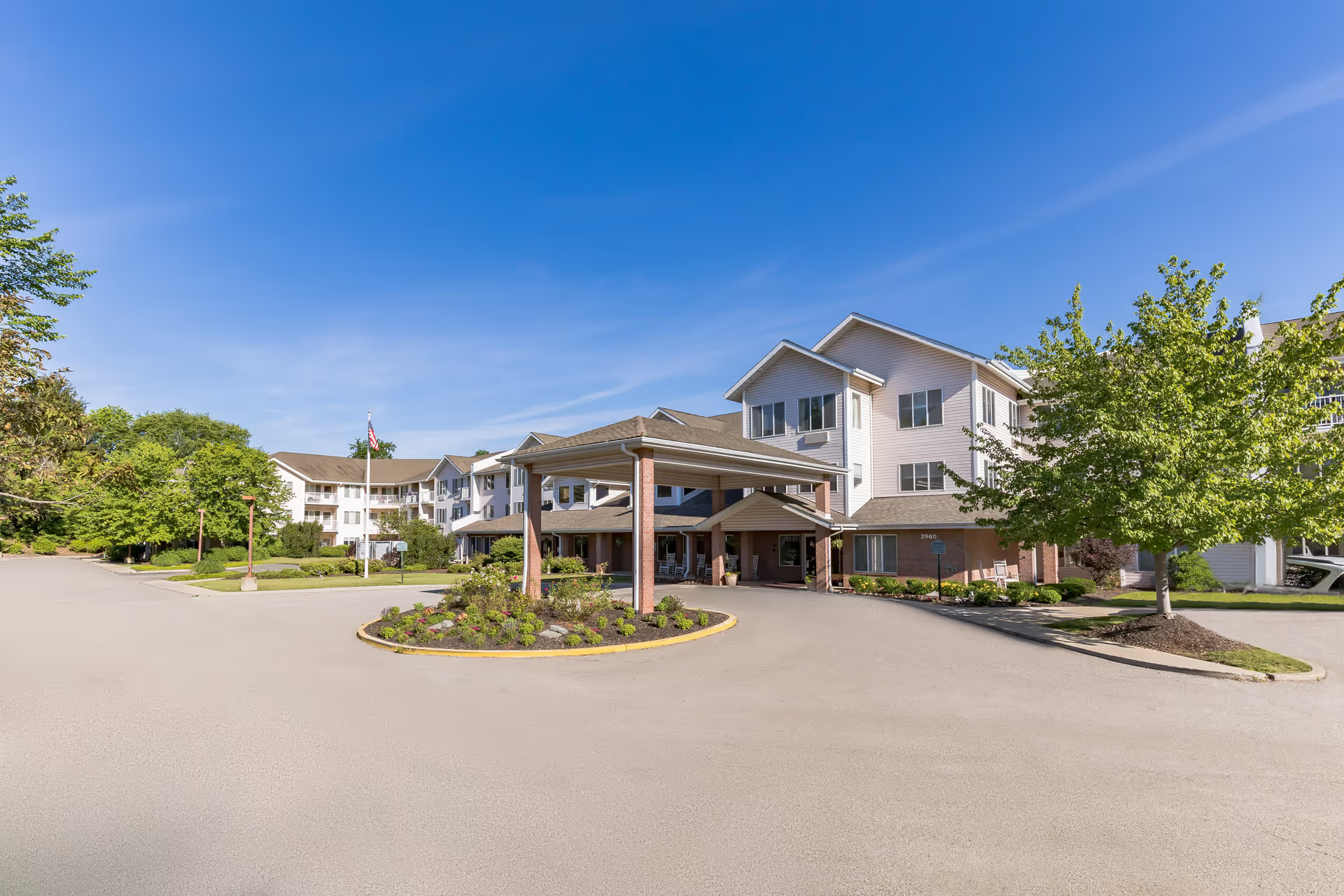
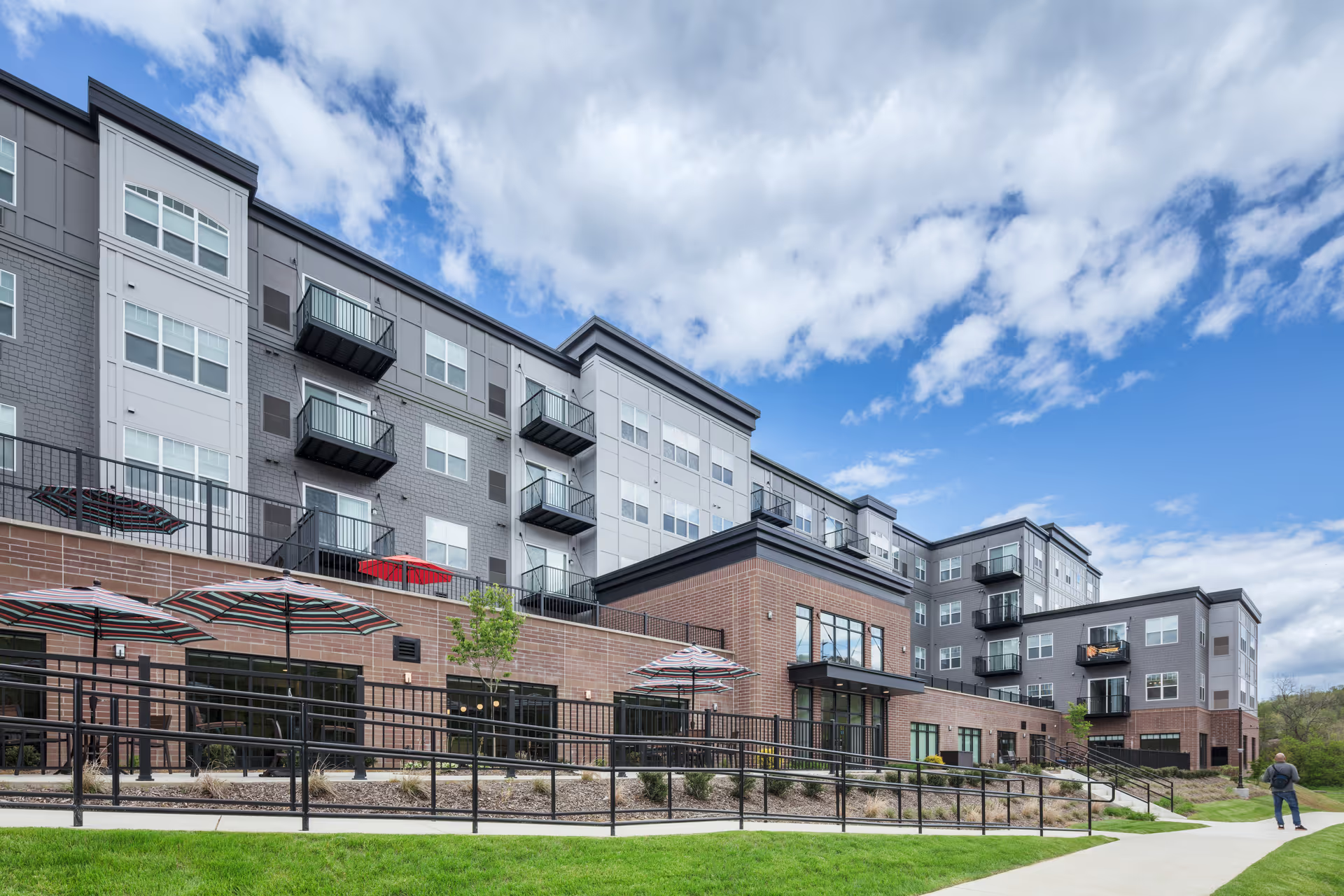
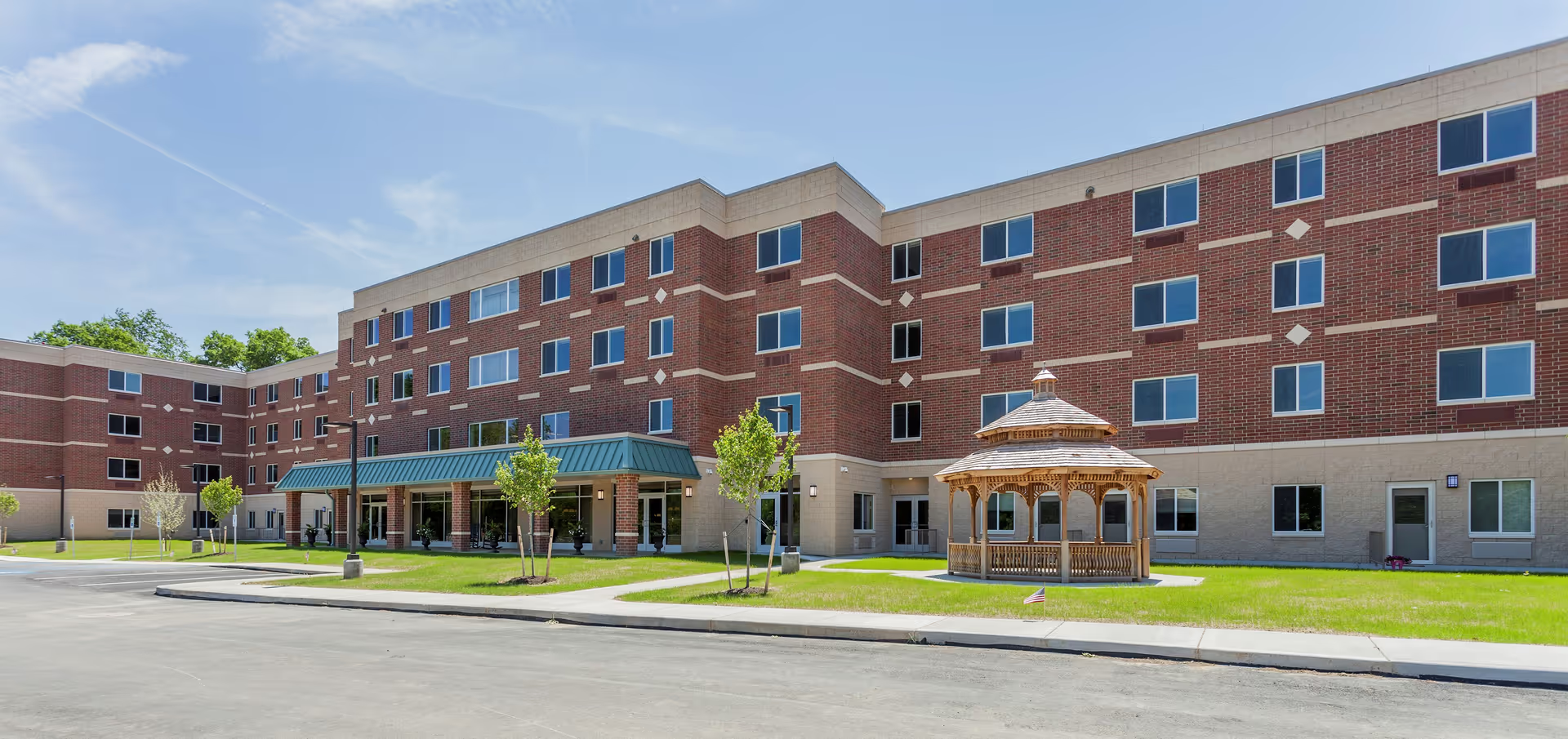
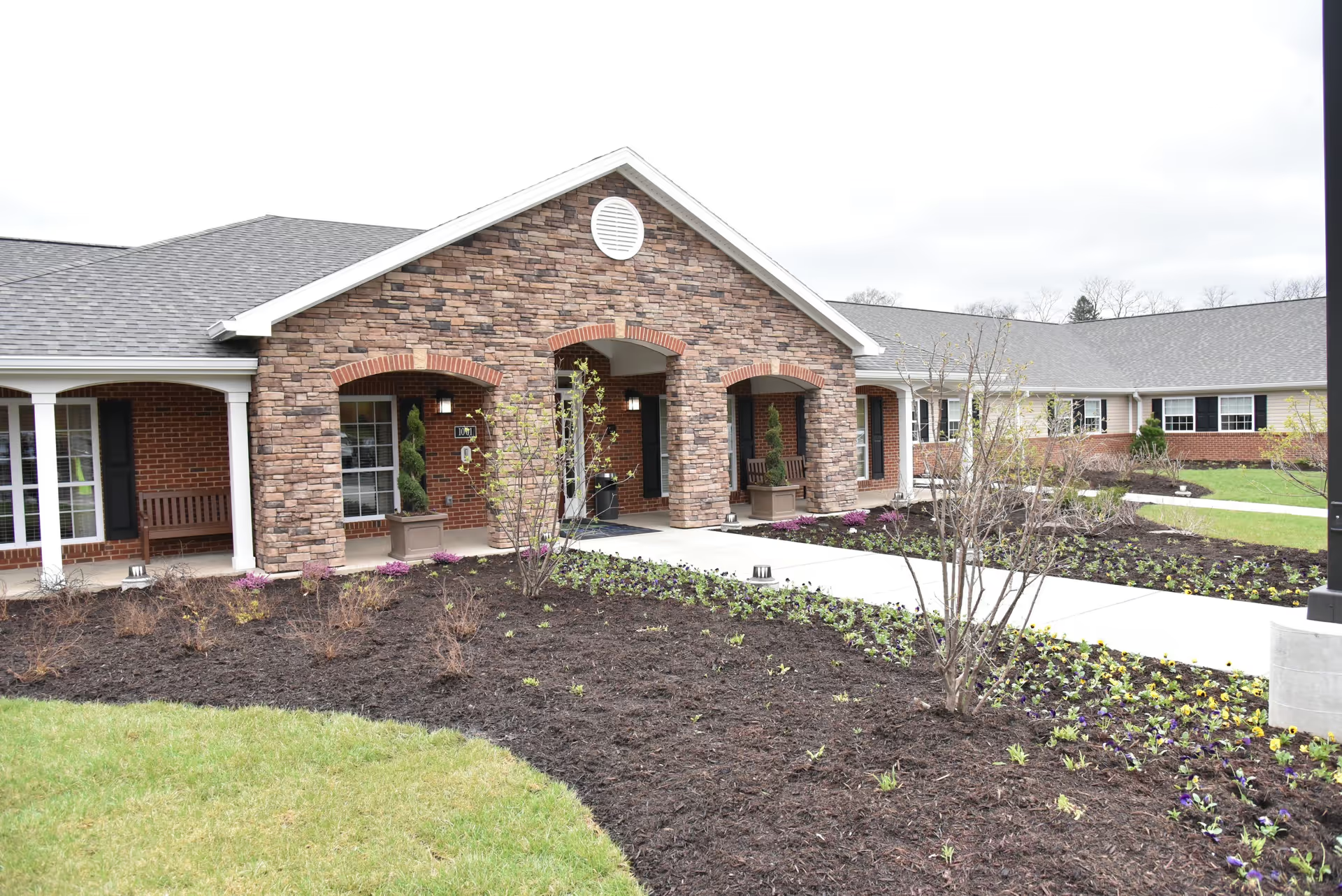
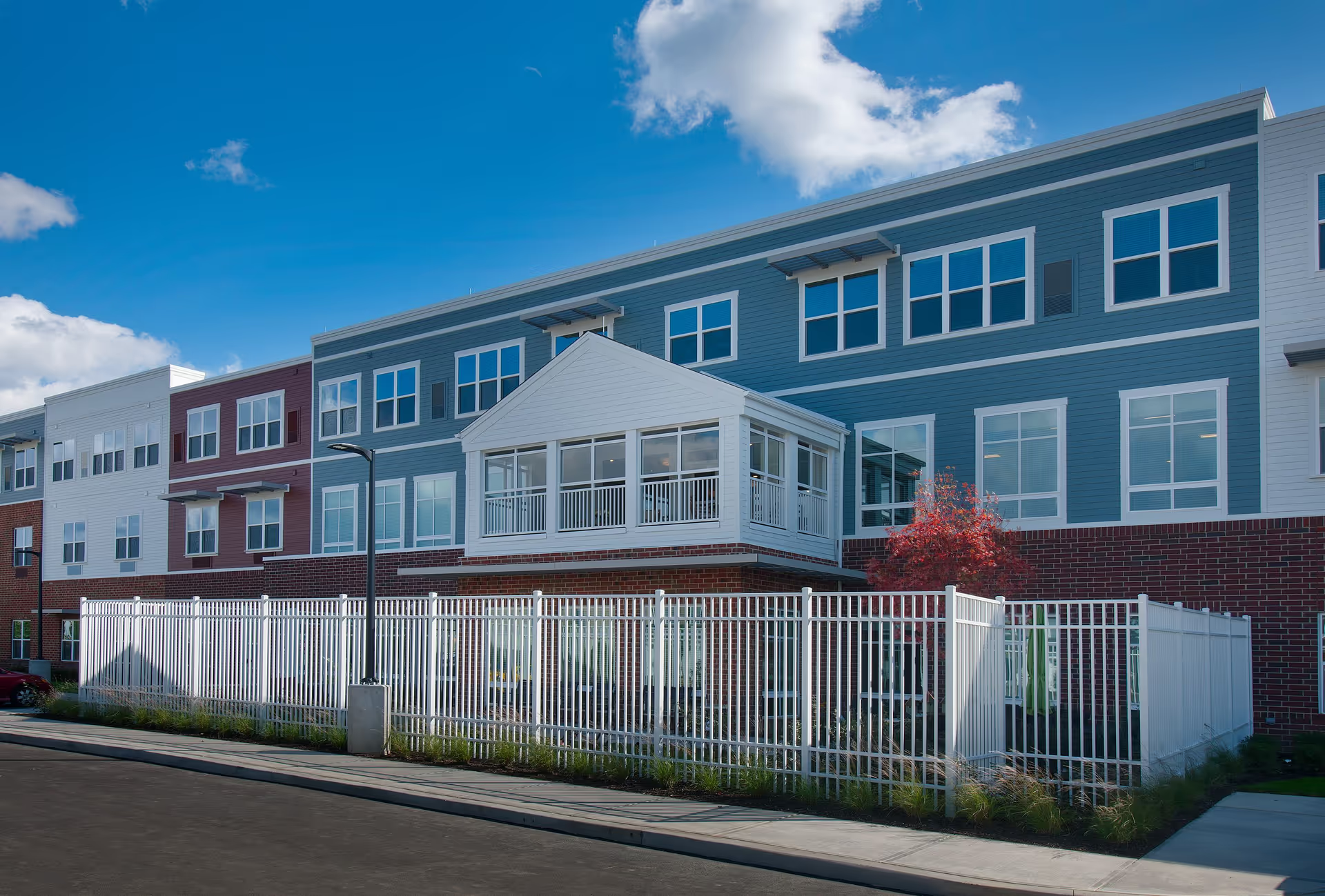
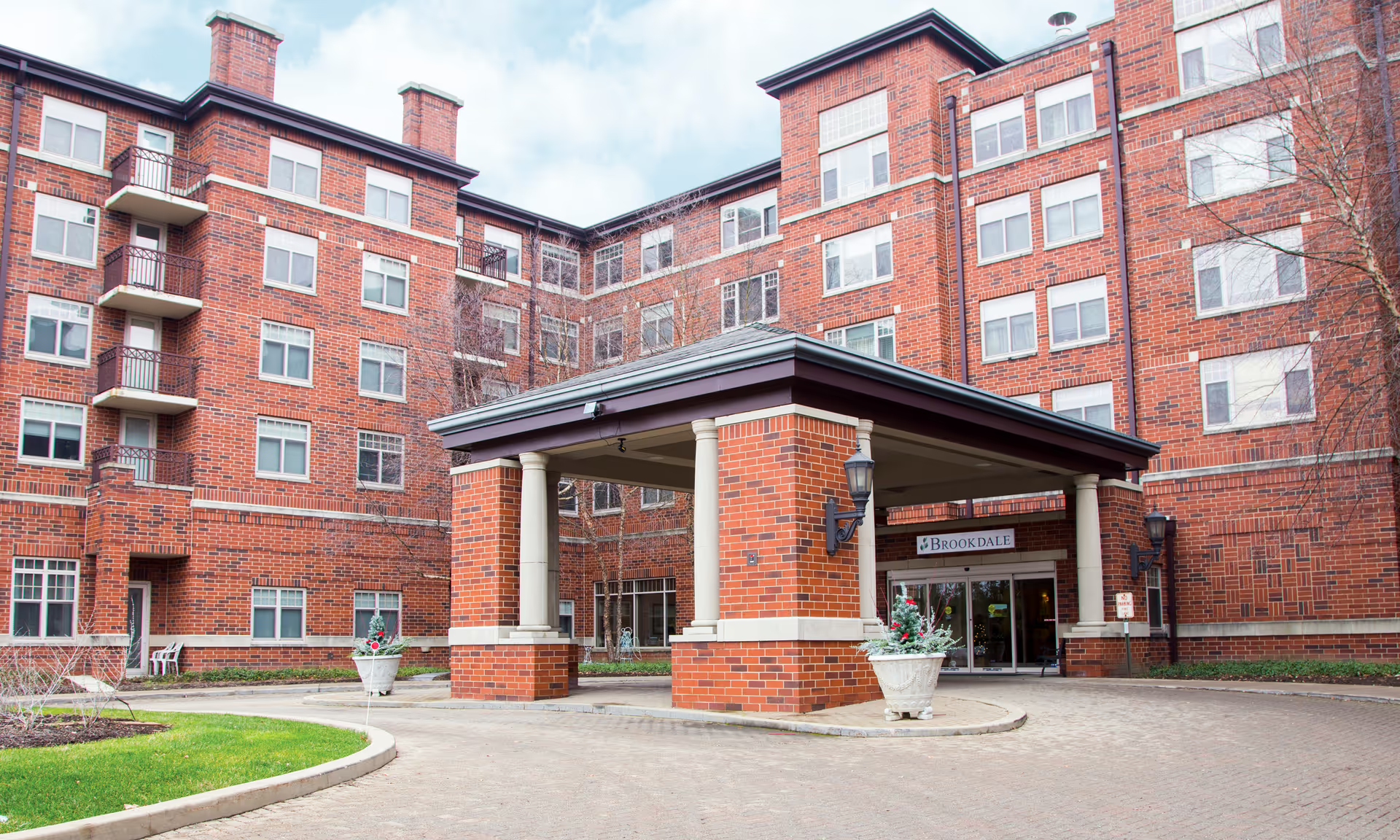
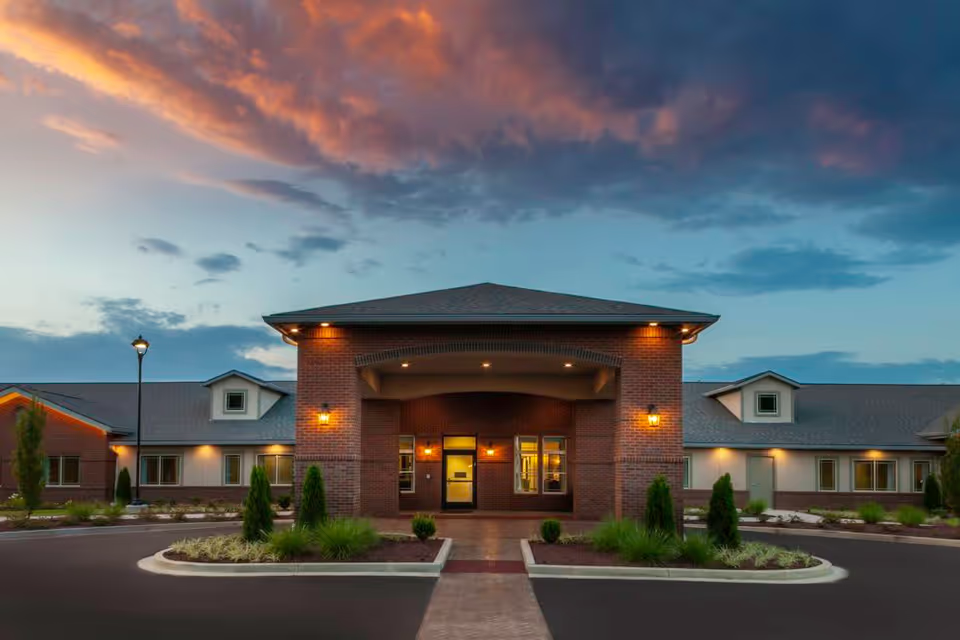
The reviews for Celebration Villa of Lakemont Farms show a broadly polarized picture: many families describe a welcoming, well-appointed community with engaged staff and a lively activity program, while others report operational weaknesses that have affected day-to-day care. Strengths consistently mentioned include a remodeled, hotel-like environment and pleasant outdoor spaces; an intentional single-floor memory-care unit that is easy to navigate; and visible therapy and clinical resources such as on-site PT/OT and regular physician evaluations. Several reviews highlight staff who are compassionate, personable, and effective at building rapport with residents and families, and some administrative leaders and admissions staff receive explicit praise for being informative and helpful.
Care quality perceptions vary. Positive accounts emphasize attentive, individualized care, effective rehab after procedures, good hospice coordination, and quick infection-control actions including vaccination campaigns. Conversely, a substantial portion of feedback points to operational gaps that affect safety and comfort: delayed responses to call lights, long waits for bathroom or transfer assistance, and inconsistencies in medication timing and controls. These concerns indicate variability in direct-care performance that appears linked to staffing models and shift-level coverage.
Staffing and staffing continuity are recurring themes. Many reviewers praised specific caregivers and nursing leaders, yet staffing shortages—especially in evenings and on certain shifts—are frequently cited. Reliance on temporary or agency staff is noted as a contributor to uneven care continuity and occasional reductions in responsiveness. There are also isolated concerns about staff conduct and communication tone; these are best interpreted as cues to ask about staffing ratios, supervision, and training during a tour.
Dining and housekeeping feedback is mixed. Multiple families report attractive dining spaces and positive culinary experiences, while others describe cold or repetitive meals and uneven kitchen performance. Housekeeping and sanitation also vary by unit and time of day: some areas and floors are described as clean and odor-free, while other accounts cite sanitation concerns in particular units or during specific periods. Laundry and personal-property handling has been problematic for some families, suggesting a need to clarify inventory and tracking practices prior to admission.
Activities and community life are generally highlighted as strengths: a wide range of programming, from bingo and Wii bowling to seasonal carnivals, social events and family nights, is available and appreciated by many residents. That said, activity engagement and off-campus outings appear inconsistent between units; prospective residents should confirm the current activity schedule and participation levels for the specific neighborhood or unit being considered.
Management and communication show inconsistent performance. Several reviewers praise accessible, solutions-focused administrators; others report delayed responses to calls, difficulty obtaining timely billing or refund adjustments, and uneven follow-through on promised improvements. These patterns suggest variable leadership responsiveness depending on timing and the staff member involved.
Bottom line: Celebration Villa of Lakemont Farms offers many attributes families seek—updated facilities, an active calendar, on-site therapy, and staff who are frequently described as caring. However, recurring operational issues (notably staffing variability, meal-service inconsistency, medication-administration gaps, and uneven cleanliness/property handling) have produced negative experiences for some families. Prospective residents and families should schedule an in-person tour that includes: observing current staffing levels and shift coverage, reviewing medication and laundry/property protocols, sampling dining service, visiting the specific unit of interest (especially memory care), and asking about recent corrective actions and measurable staffing/quality indicators. Doing so will provide a clearer sense of how the community’s strengths are realized on the unit and shift where a prospective resident would live.