The reviews of North Strabane Rehabilitation & Wellness Center present a highly mixed picture. On one side, many accounts describe attentive, compassionate direct care from nurses and CNAs, timely responses to call-buttons, and strong rehabilitation services that aided successful discharges. Therapy services (physical and occupational) and on-site clinical support, including physician rounds and ancillary evaluations such as audiology, are frequently cited as strengths. Several reviewers also highlighted helpful social services and case management, practical amenities like on-site laundry, and a generally welcoming, home-like atmosphere.
Dining and nutrition experiences are polarized. Positive comments emphasize appealing meals, large portions, and available alternatives; however, other accounts point to inconsistent food quality and gaps in dietary-management, including concerns about adherence to therapeutic diets and texture-modified meal safety. These inconsistencies indicate variability in kitchen practices and clinical-diet coordination that prospective residents with specific nutrition needs should clarify in advance.
Staffing and staff quality are another area of divergence. Many reviewers praise compassionate, responsive caregivers and timely assistance, while others describe high turnover, variable skill levels, and periods of understaffing that affect service continuity. Linked to staffing, reviewers noted lapses in administrative communication—phone issues, unanswered calls, or slow managerial responsiveness—which can amplify family frustration when coordination or escalation is required.
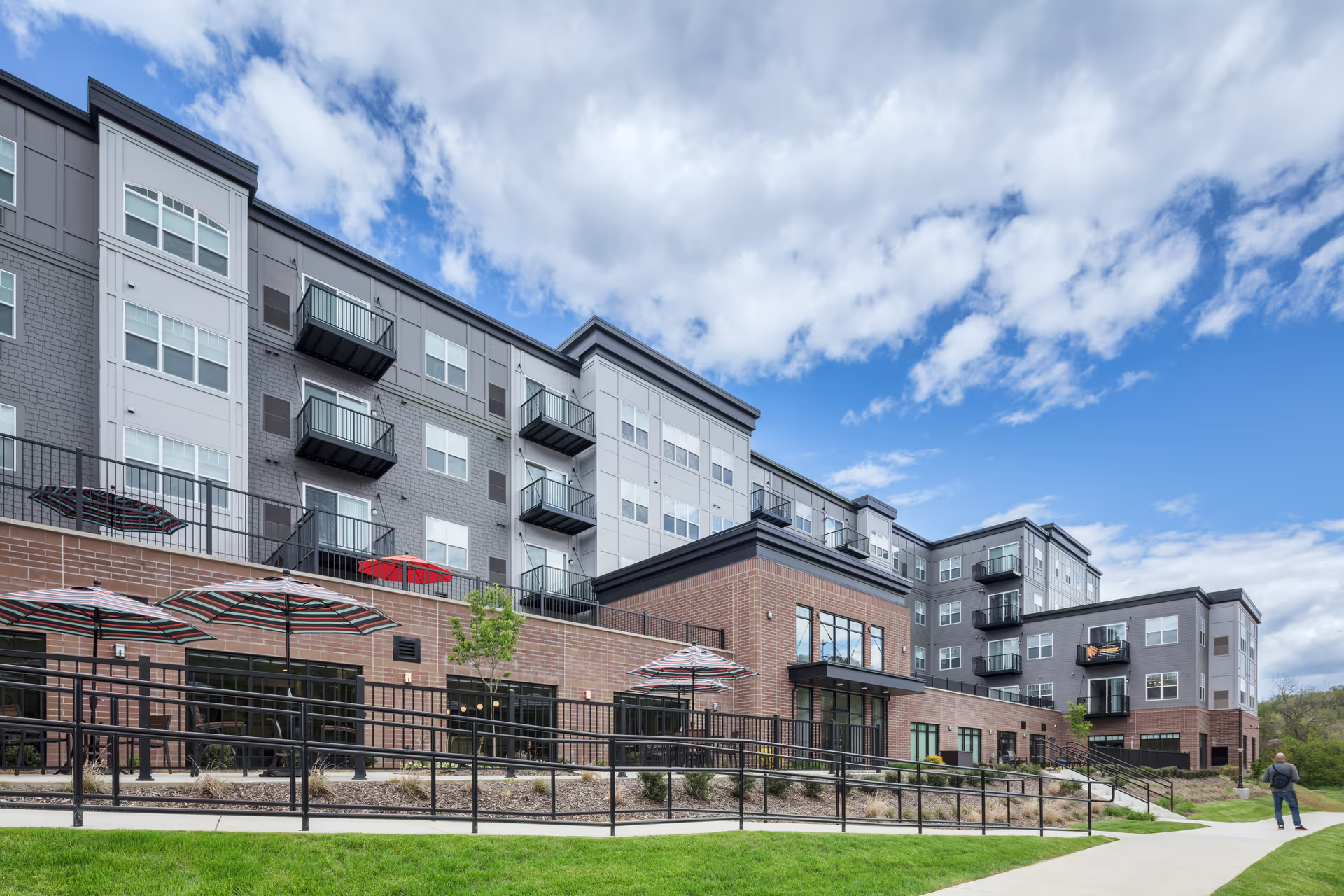
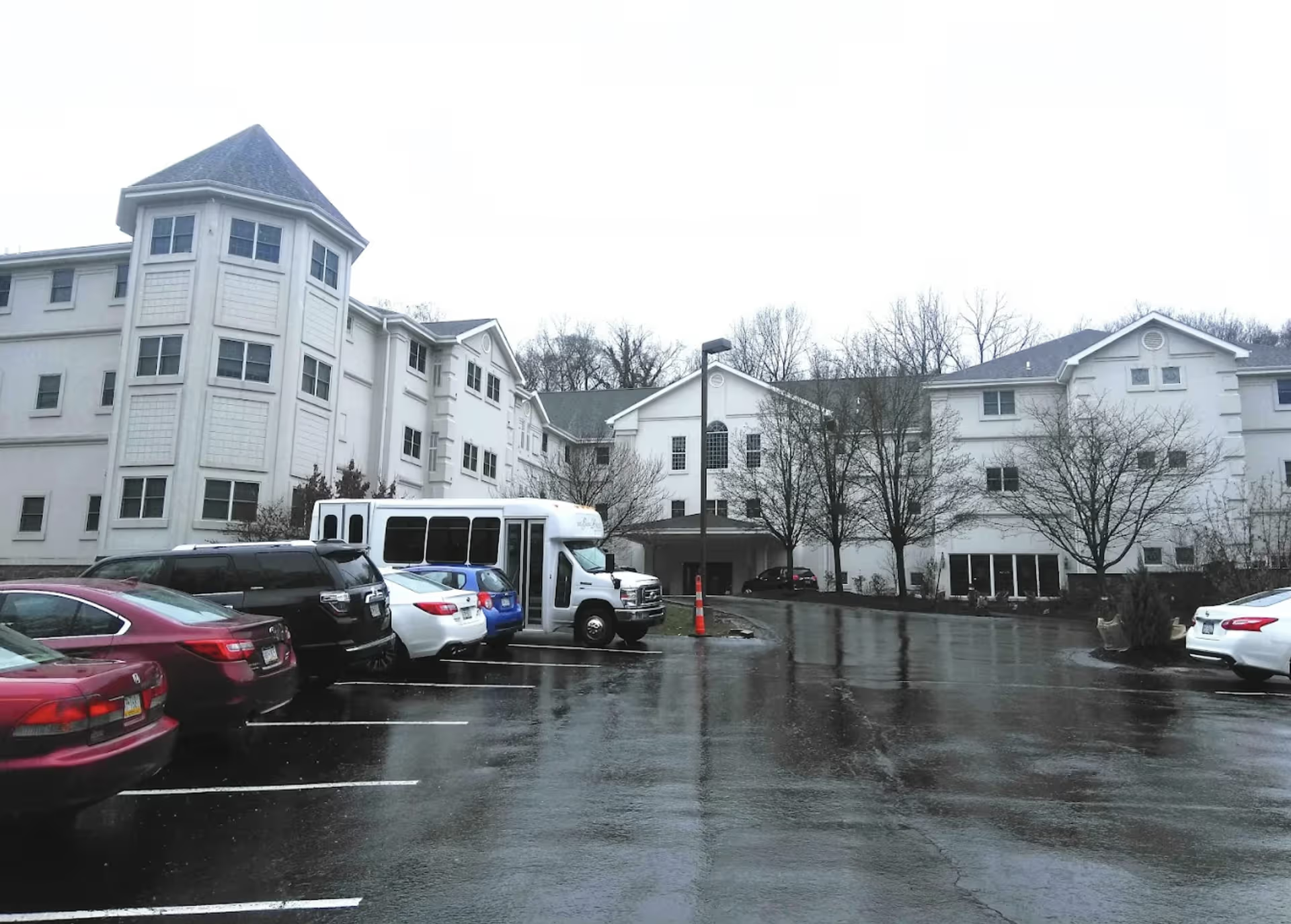
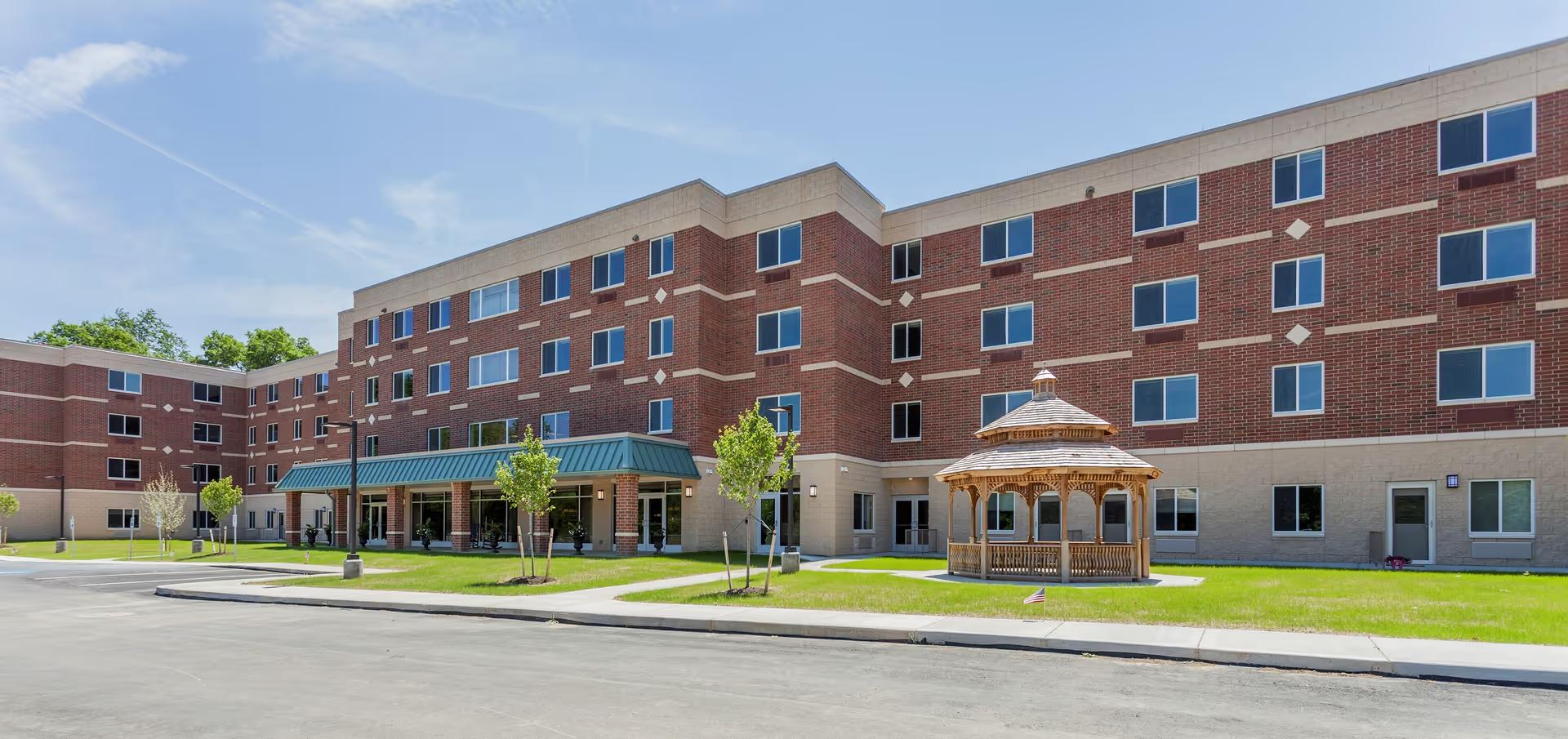
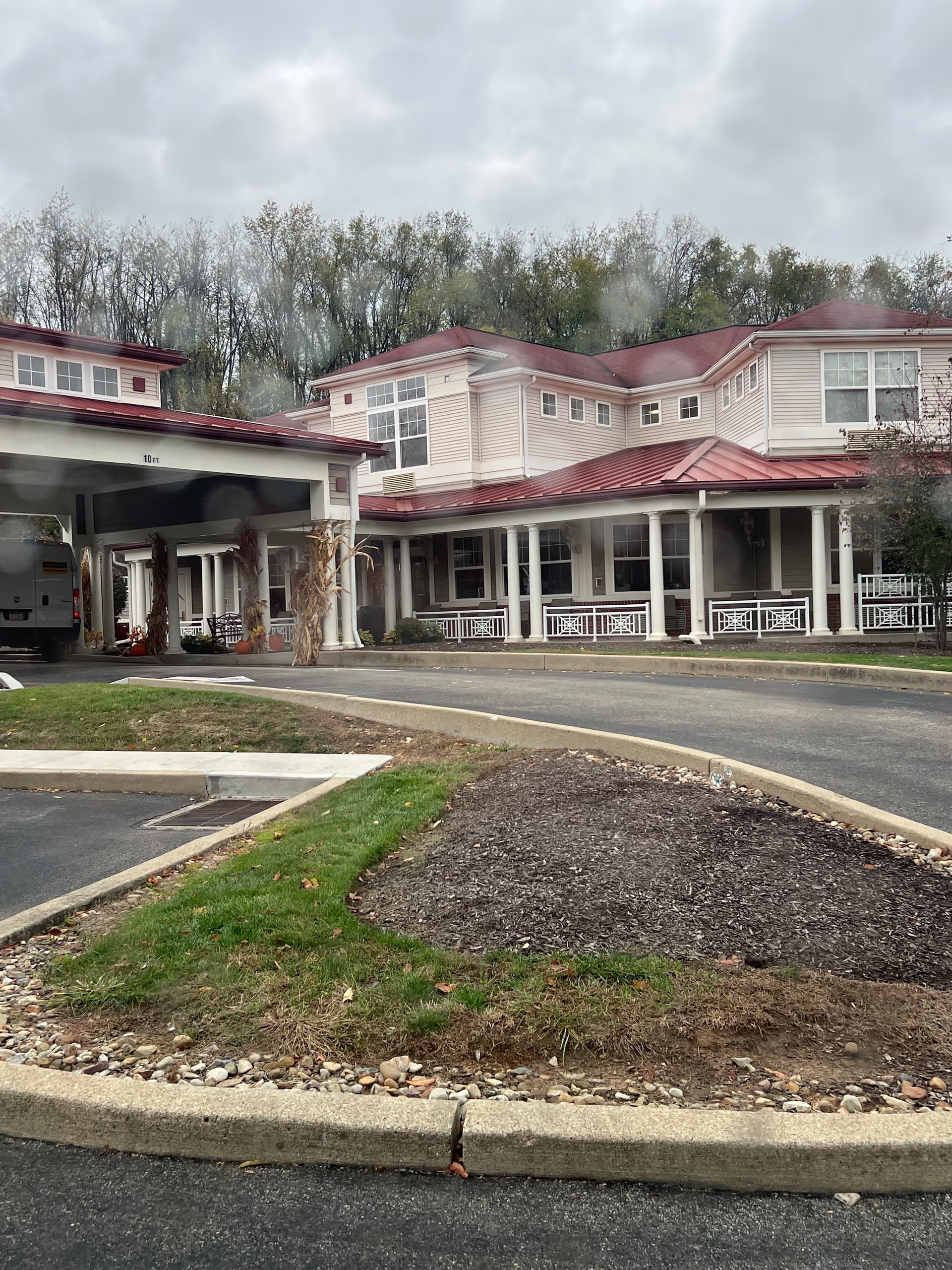
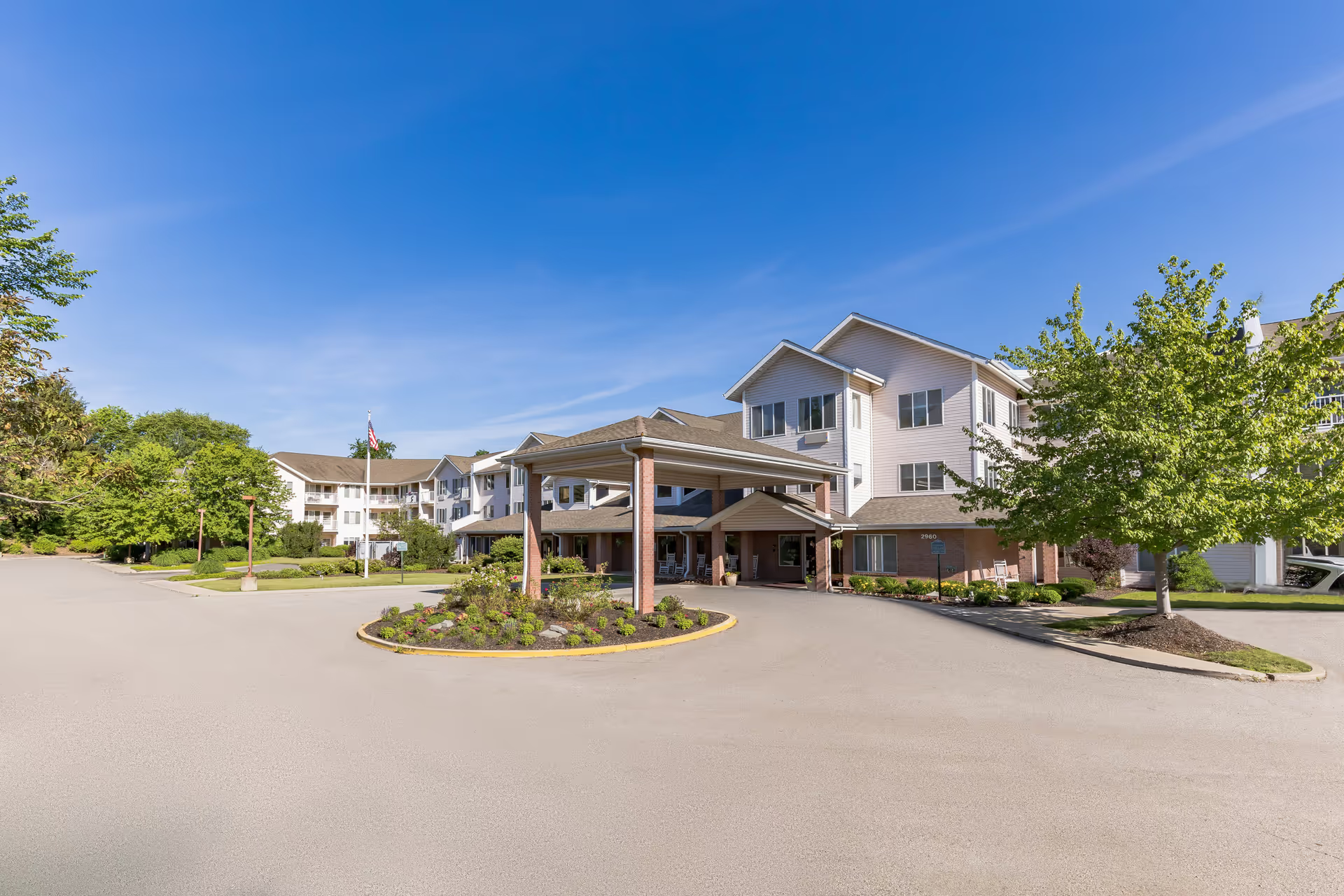
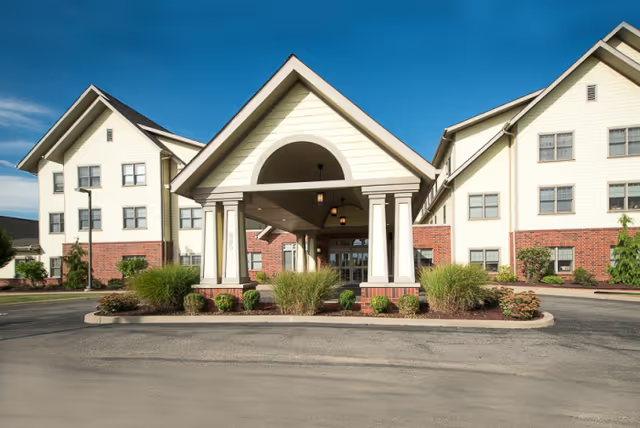
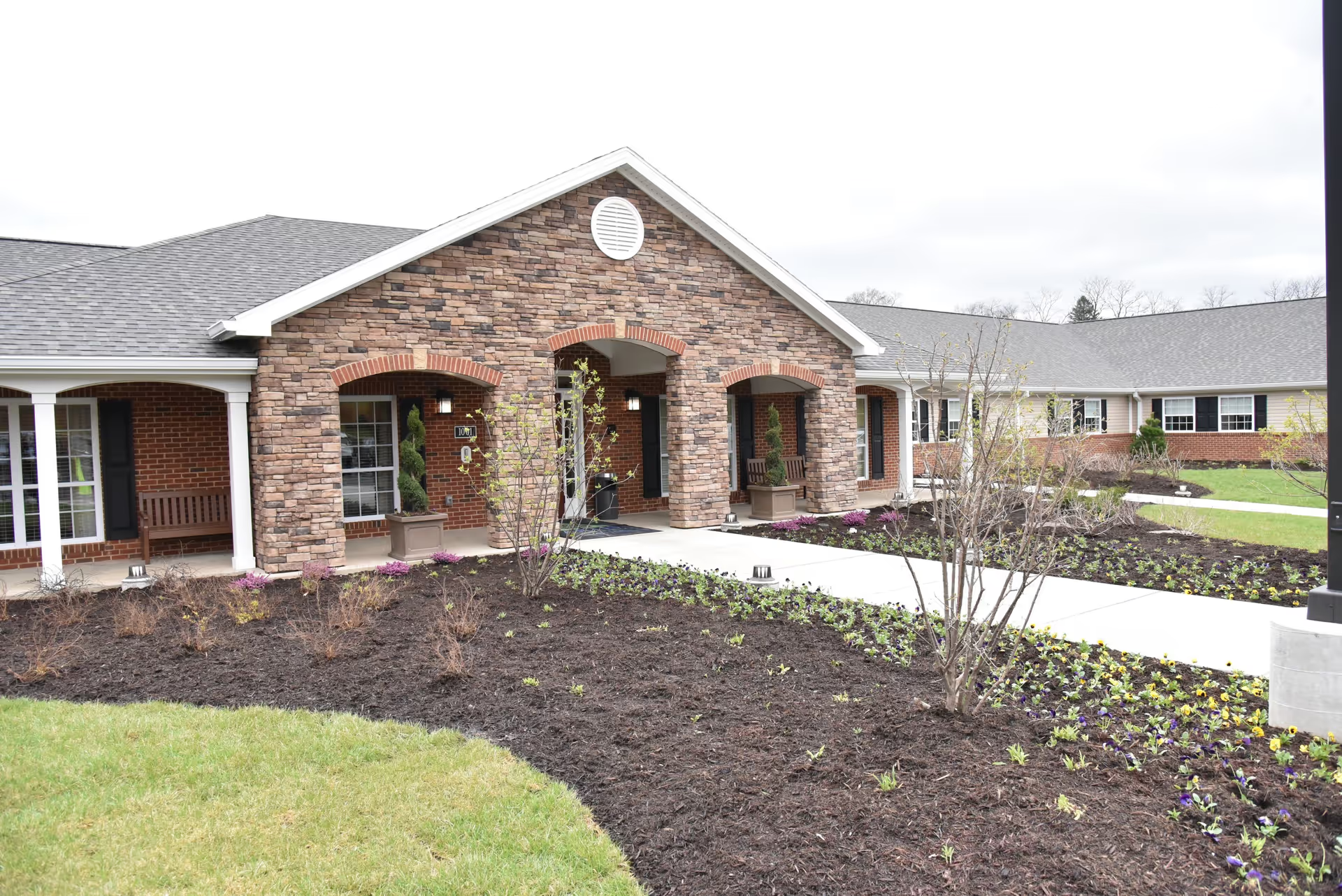
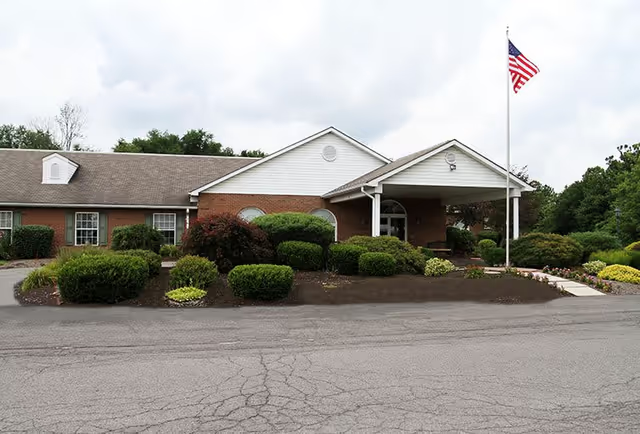
Facility condition and sanitation statements are mixed as well. Several reviewers describe clean, odor-free common areas and well-maintained rooms with daily cleaning; conversely, other accounts describe dated rooms, stained flooring or furnishings, carpet-cleaning issues, and broader sanitation concerns. There are also isolated pest-control concerns and allegations of personal-property loss, which point to gaps in environmental maintenance and property-inventory controls that the facility should address.
Activities and resident engagement are reported inconsistently. Some guests praise daily activities and a secure, sociable environment; others found activity offerings limited. Management and ownership issues recur in the feedback: concerns include perceived unresponsiveness to complaints, aggressive upselling for private rooms, and comments about ownership or regulatory stability. A few reviewers referenced regulatory or name-change history as a background concern for prospective families to investigate further.
Overall, the pattern is one of variability: strong clinical rehabilitation and many examples of compassionate caregiving coexist with operational weaknesses such as inconsistent staffing, variable cleanliness, dietary-management gaps, and communication/administrative problems. Prospective residents and families should weigh the facility's rehabilitation strengths and positive caregiver experiences against the variability in dining, environmental maintenance, and administrative responsiveness. When considering placement, ask for current staffing ratios, recent inspection results, dietary protocols for special needs, pest-control measures, and written policies on personal-property handling and grievance/communication escalation.