Reviews show a marked contrast between the facility’s frontline caregiving and its operational oversight. Many families describe caregivers as compassionate, attentive, and hands-on—staff who provided smooth admissions and transitions, supportive short-term rehabilitation, and engaging daily activities and outings. When the staffing complement and supervision are adequate, reviewers report clean common areas, friendly interpersonal interactions, and overall positive short stays.
At the same time, a recurring pattern of operational weaknesses is evident. Staffing levels and staff retention are frequent concerns: understaffing and high turnover create strain on aides and nurses and appear to correlate with slower response times and inconsistent care delivery. Communication gaps with families are another consistent theme, including delayed call-backs, inconsistent notification about clinical events or transfers, and unclear follow-up when issues arise. Several reviews also describe lapses in managing personal items and continuity of care.
Dining and clinical-diet management show uneven performance. Some families praise the assistance and meal service; others report inconsistent food quality and failures to adhere to prescribed dietary restrictions. These inconsistencies extend into clinical processes for residents with cognitive impairment—reviewers noted limited structured memory-care programming and that the facility may be insufficiently staffed or trained for complex Alzheimer’s and dementia needs.
Sanitation and care-response issues are raised in multiple accounts. Concerns include cleanliness and timeliness of incontinence-related care in some living areas, and delays in attending to urgent resident needs during periods of low staffing. Clinical incident handling and family notification procedures are described as inconsistent, and there are specific mentions of regulatory scrutiny: a provisional license, unresolved violations, and temporary restrictions on admissions were noted by some reviewers.
Management and ownership changes emerge as another important pattern. Several families describe a decline in service after new ownership or administrative turnover, with complaints about an increased focus on revenue, unfulfilled marketing promises, and difficulty getting persistent problems resolved. Conversely, a number of families report improved interactions under newer administration, indicating variability in management performance over time.
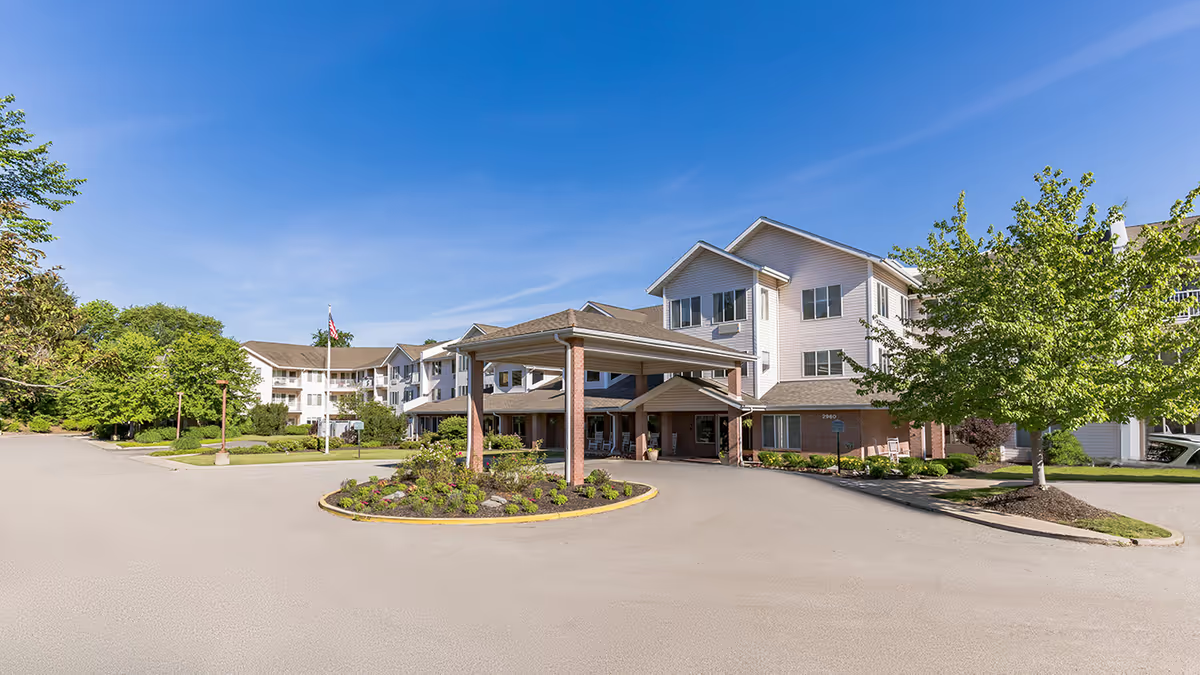
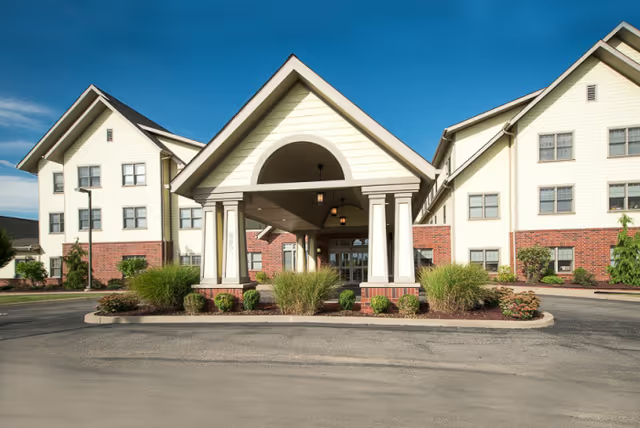
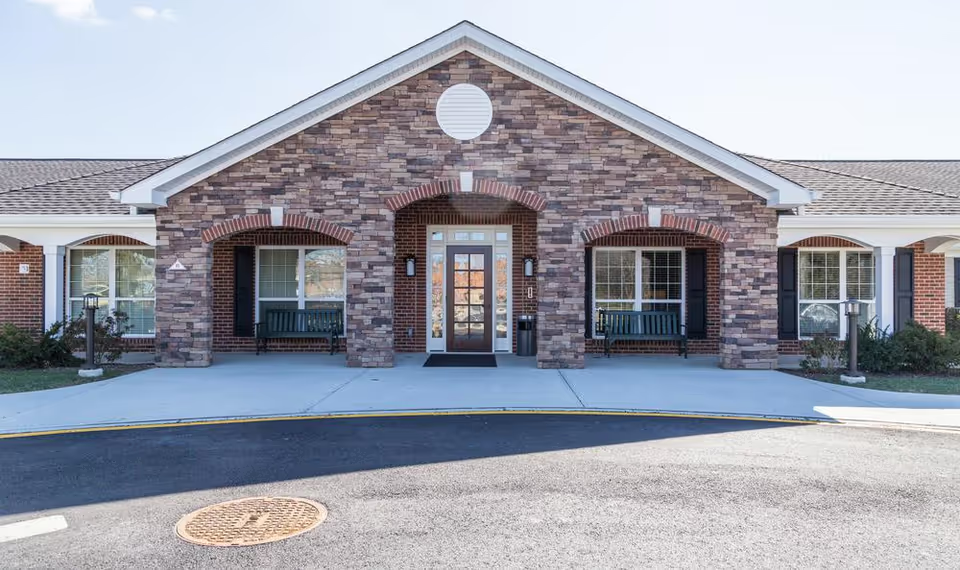
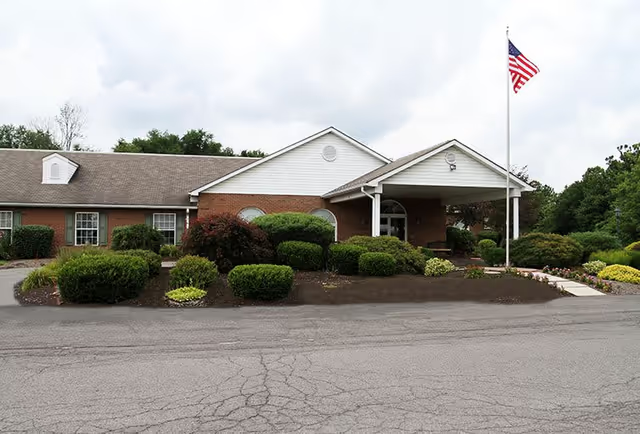
For prospective residents and families: the facility appears to offer strong direct caregiving from committed staff when staffing levels and supervision are sufficient, along with active programming and acceptable facility upkeep. However, consider evaluating current staffing ratios, dementia-care capabilities, diet-management protocols, incident-notification procedures, and the facility’s regulatory status and recent inspection history during a tour. Ask for specifics about turnover, staffing plans, and how the facility handles special-diet requirements and personal-property safeguards before making a placement decision.