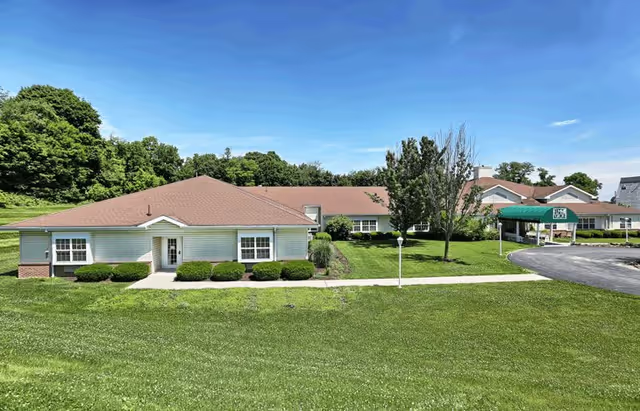
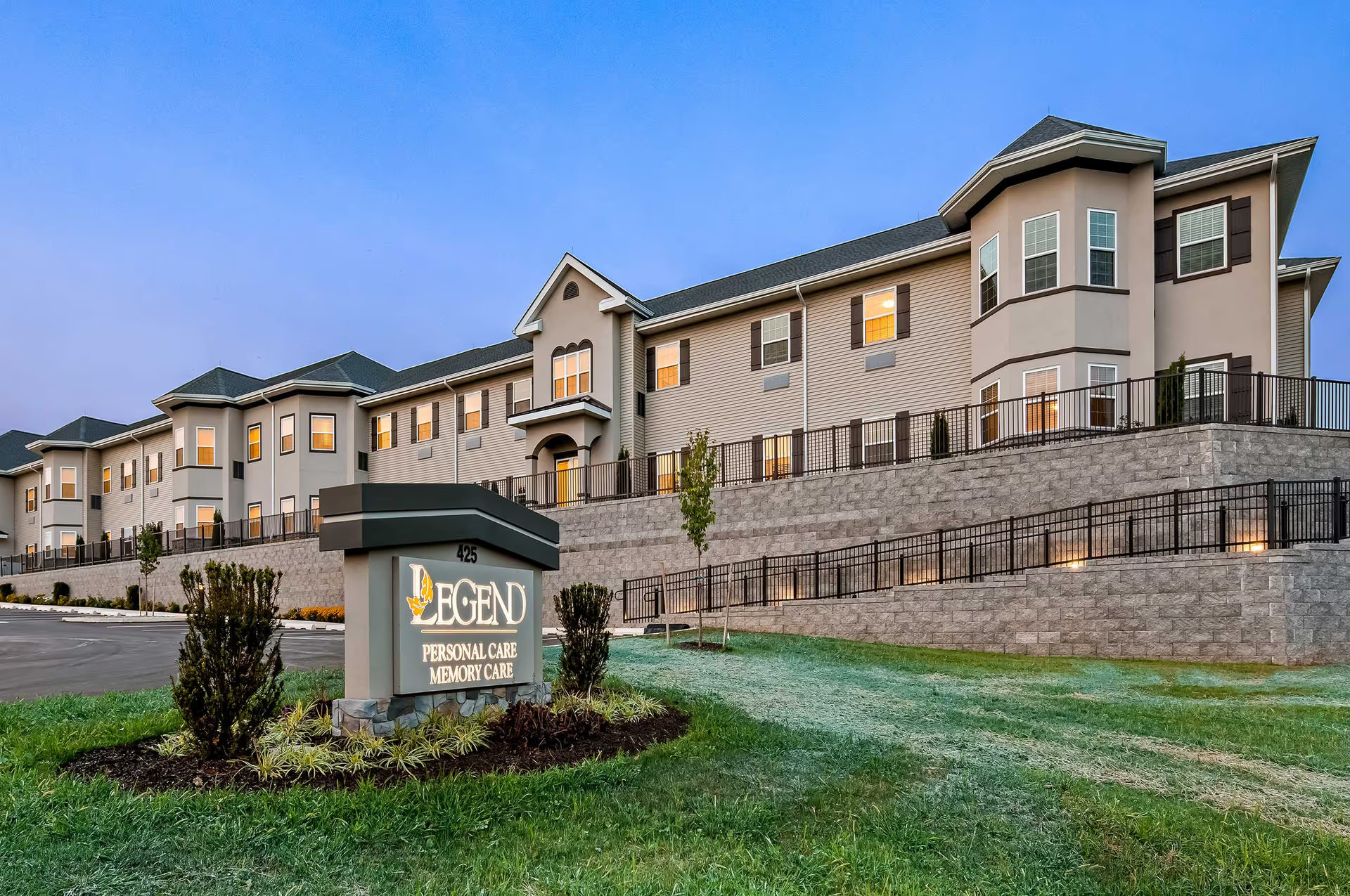
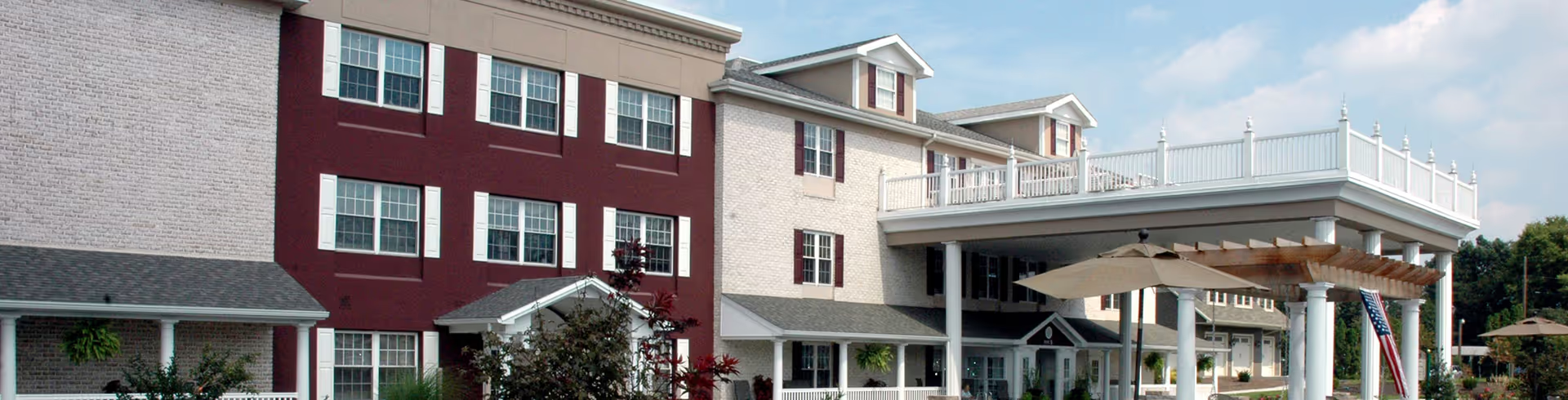
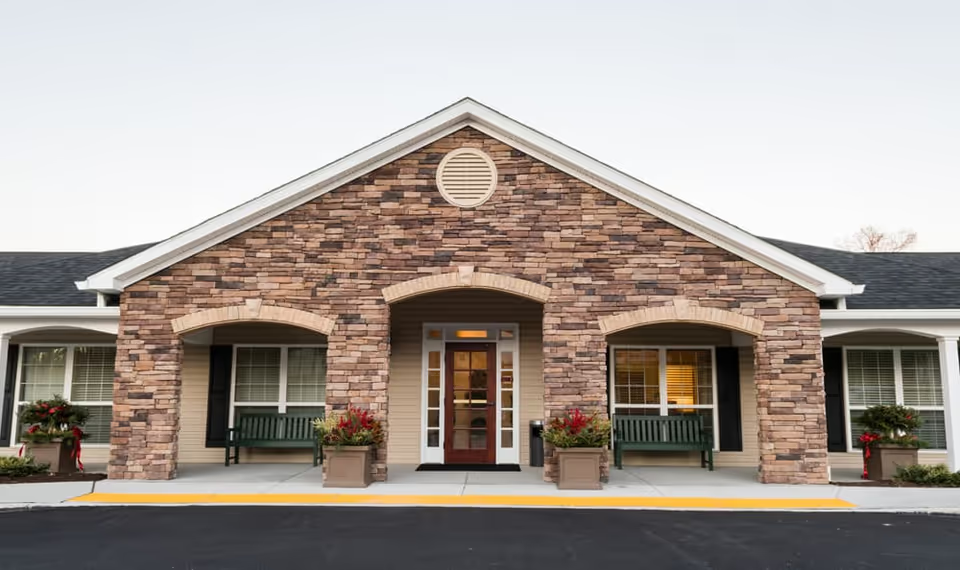
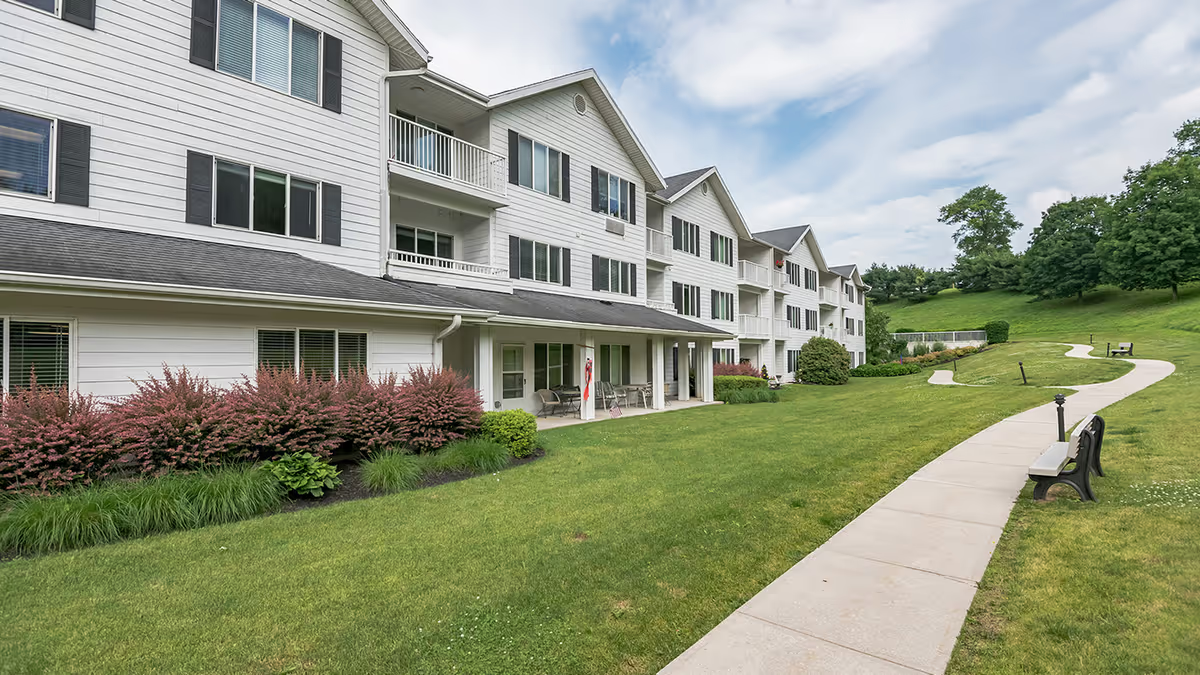
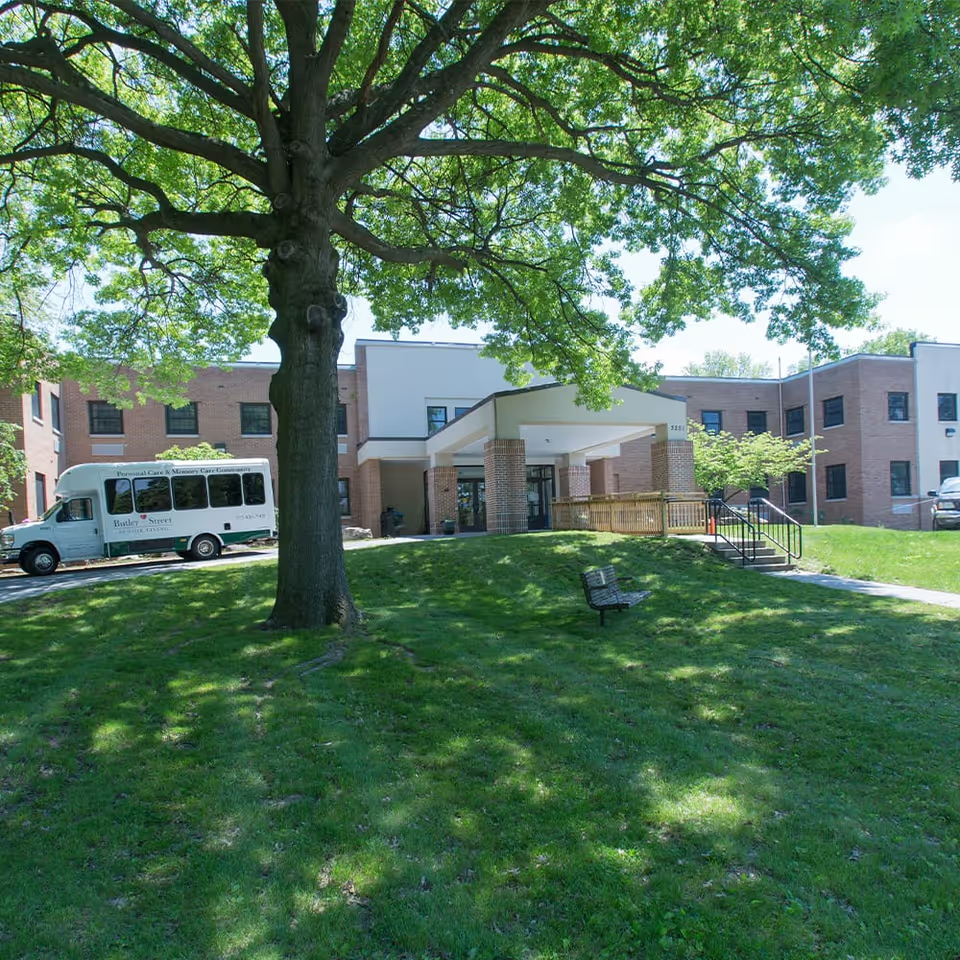
Cumberland Crossings presents a mixed but well-defined profile. Many reviewers highlight strong clinical and rehabilitative capabilities: attentive nursing and therapy teams, an environment described as clean and well maintained, and successful short-term rehab outcomes. The community offers a range of housing formats (cottage independent living, assisted living, and skilled nursing), on-site amenities such as a gym, pool, courtyard and walking trails, transportation support, pet-friendly cottages, and social programming including concerts and outings. Long-tenured residents and families frequently note a strong sense of community and staff members who go above and beyond.
At the same time, there are recurring operational concerns that prospective residents and families should weigh. Staffing levels and coverage appear inconsistent; several accounts describe delays in clinical response and medication delivery as well as variability in aides' responsiveness to personal-care needs. Relatedly, reviewers describe uneven staff conduct and communication tone, with some families experiencing attentive, respectful interactions and others reporting brusque or unempathetic behavior. Parts of the skilled-care side are singled out for odor and sanitation concerns, which contrasts with generally positive comments about cleanliness in assisted living and shared spaces.
Administrative and financial issues are another notable pattern. Several critiques center on gaps in discharge planning and coordination with insurance or Medicaid, and a subset of reviews raise serious financial concerns including billing disputes and claims about lien placement; these latter items are presented as allegations and warrant careful verification during due diligence. Cost is frequently mentioned: monthly fees are characterized by some as high relative to apartment size and included services. Dining feedback is mixed—while some residents praise food quality and a flexible meal plan, others point to limited dining variety and reliance on a single restaurant model.
Activity programming and specialized memory care are other differentiators. The community provides regular social activities and off-site trips, but its smaller size means programming can be perceived as limited by residents who want a broader schedule. There is no dedicated memory-care unit, which is relevant for families seeking specialized dementia services. Management perception varies: some families describe responsive, professional leadership, while others perceive decisions that emphasize financial priorities over individualized care.
Overall, Cumberland Crossings may be a strong fit for individuals seeking high-quality short-term rehabilitation, a clean campus, cottage-style independent living, and a close-knit community with helpful staff. Prospective residents should verify staffing ratios and responsiveness for the level of care needed, review financial and billing practices carefully, confirm the availability and consistency of desired activities and dining options, and inspect the skilled-care areas in person to assess sanitation and odor concerns. Visiting at different times of day, speaking directly with clinical leadership, and reviewing contracts and billing procedures will help families reconcile the positive strengths with the operational issues described by other families.