Overall impression: Magnolias of Chambersburg is described consistently as a small, home-like assisted living and memory-care community with a strong emphasis on personalized, family-style caregiving. Reviewers and family members highlight an engaged, compassionate staff that knows residents by name and prioritizes dignity and social connection. The facility’s size and staff-to-resident ratio support individualized attention and frequent family involvement, and the secure memory-care unit coupled with dementia-care experience is repeatedly noted as a strength.
Care and staff: Staff competence and empathy are the most commonly cited strengths. Families describe caring, respectful caregivers and administrators who coordinate with outside providers, facilitate hospice when needed, and make efforts to tailor routines and activities to resident preferences. At the same time, reviewers identify operational limitations: nursing coverage is limited (RN hours are constrained and med-techs handle off-hours), and there is no on-site physical-therapy program. Relatedly, reviewers describe inconsistent staffing levels at times, which can lead to delayed responses and occasional lapses in personal-care routines or adherence to certain protocols.
Dining and activities: The community offers a broad activity schedule—bingo, crafts, music, exercise, scenic drives, ice-cream and restaurant outings, holiday events, and regular social programming—which families say helps residents remain engaged. Meal service is delivered in a restaurant-style dining area with posted menus; opinions on food quality are mixed, ranging from praise for home-cooked meals to descriptions of institutional-style fare. Transportation to appointments and off-campus outings is available and used regularly.
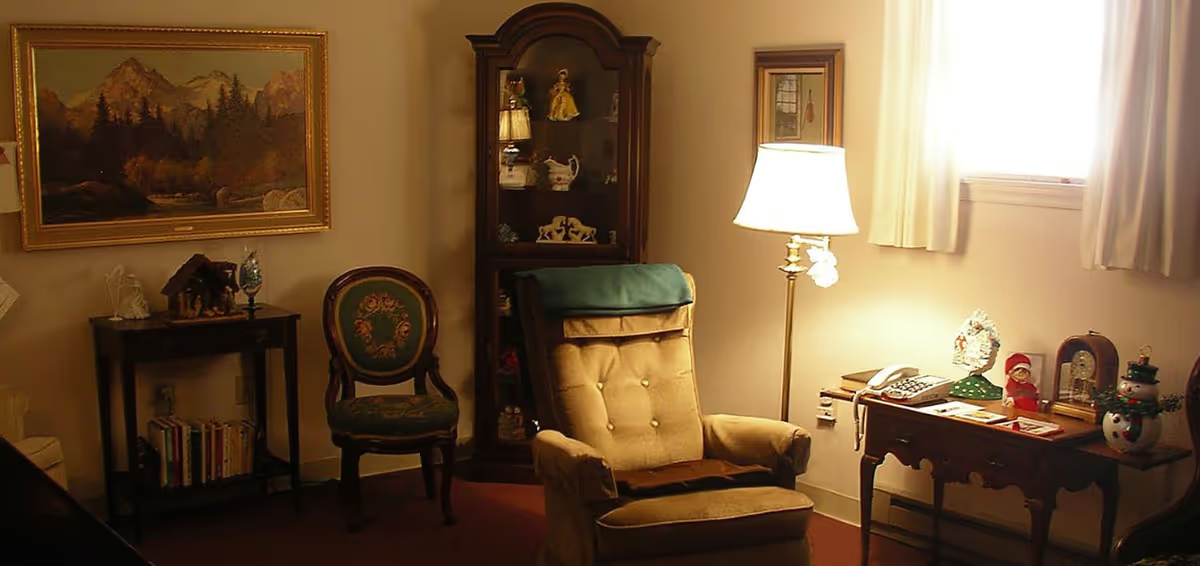
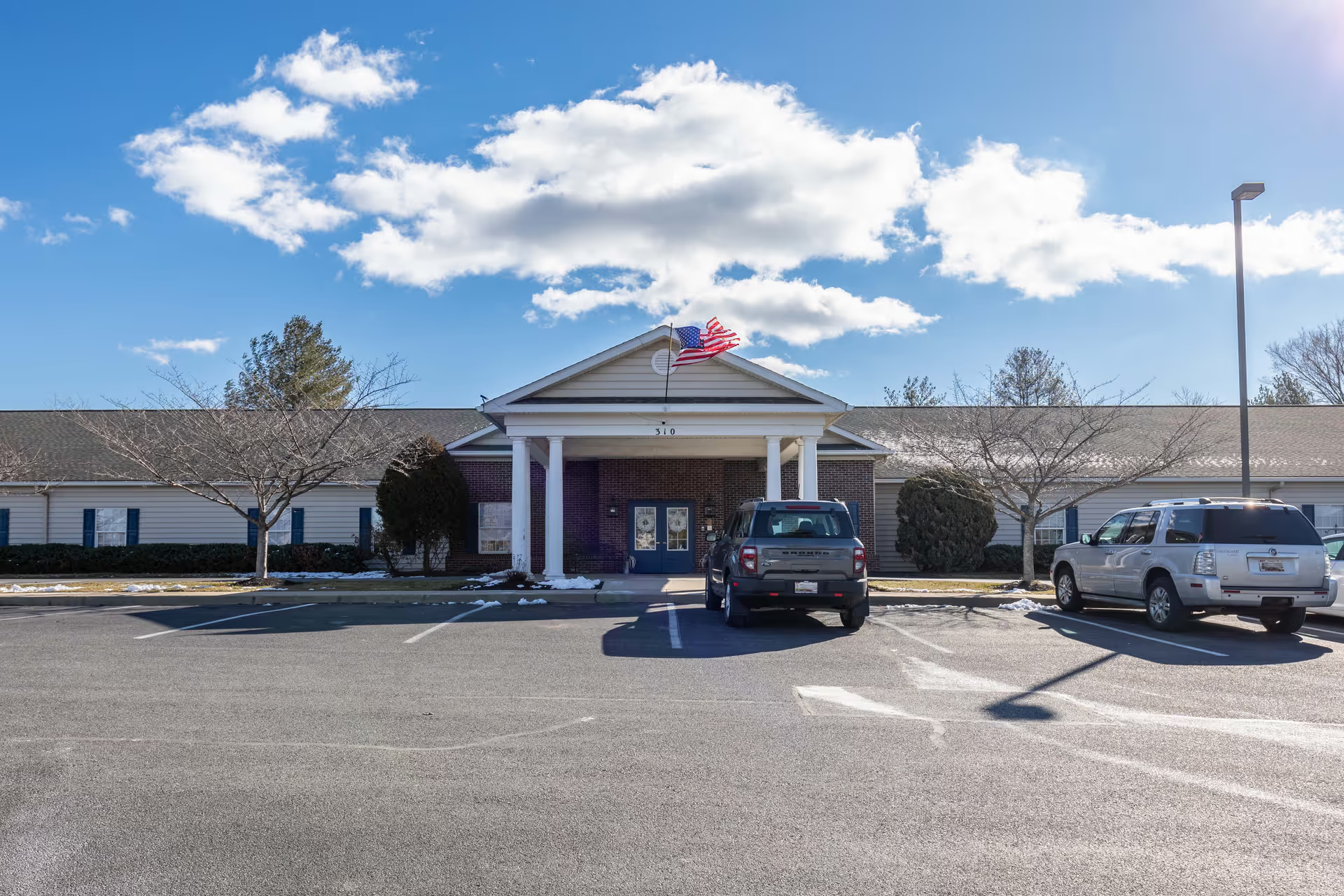
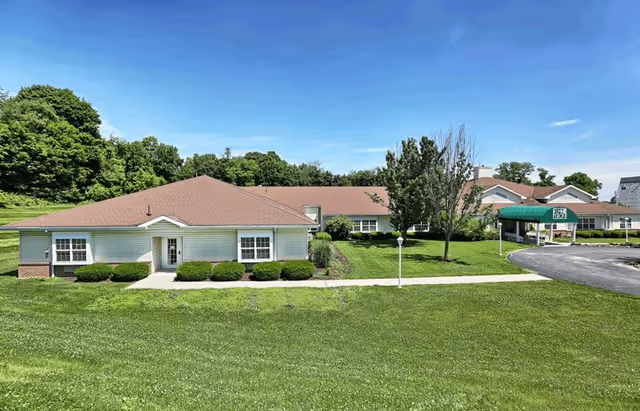
Facilities and accommodations: Physical features include large private rooms or studios (some with private bathrooms, others with half baths or shared configurations), bright common areas, in-house salon, and well-kept grounds. The single-floor layout and small scale make navigation easy for ambulatory residents. However, some operational traits affect comfort and convenience: several rooms lack individual temperature controls, buildings were noted as not physically connected, and communal space can feel constrained when occupancy is high.
Management and operational patterns: Families report responsive and involved management in many cases, with transparent admission processes and willingness to explain care plans. Noted operational concerns include intermittent communication and slower follow-up on certain issues, occasional clothing or laundry handling problems, and at least one mismatch between billed enhanced services and perceived delivery. Security practices are mixed: the memory-care unit is described as secure with locked doors and alarms, but there are concerns about visitor monitoring at the main entrance and front-desk controls.
Bottom line: Magnolias of Chambersburg appears well suited to families seeking a small, community-oriented assisted living or memory-care option where personalized attention, engagement, and compassionate staff are priorities. Prospective residents with higher medical or therapy needs should evaluate clinical-service limitations and limited on-site rehabilitative resources. Families should discuss specific operational questions—staffing patterns and response times, room amenities (ensuite and temperature control), security procedures, and billing for enhanced services—during a visit to confirm fit and expectations.