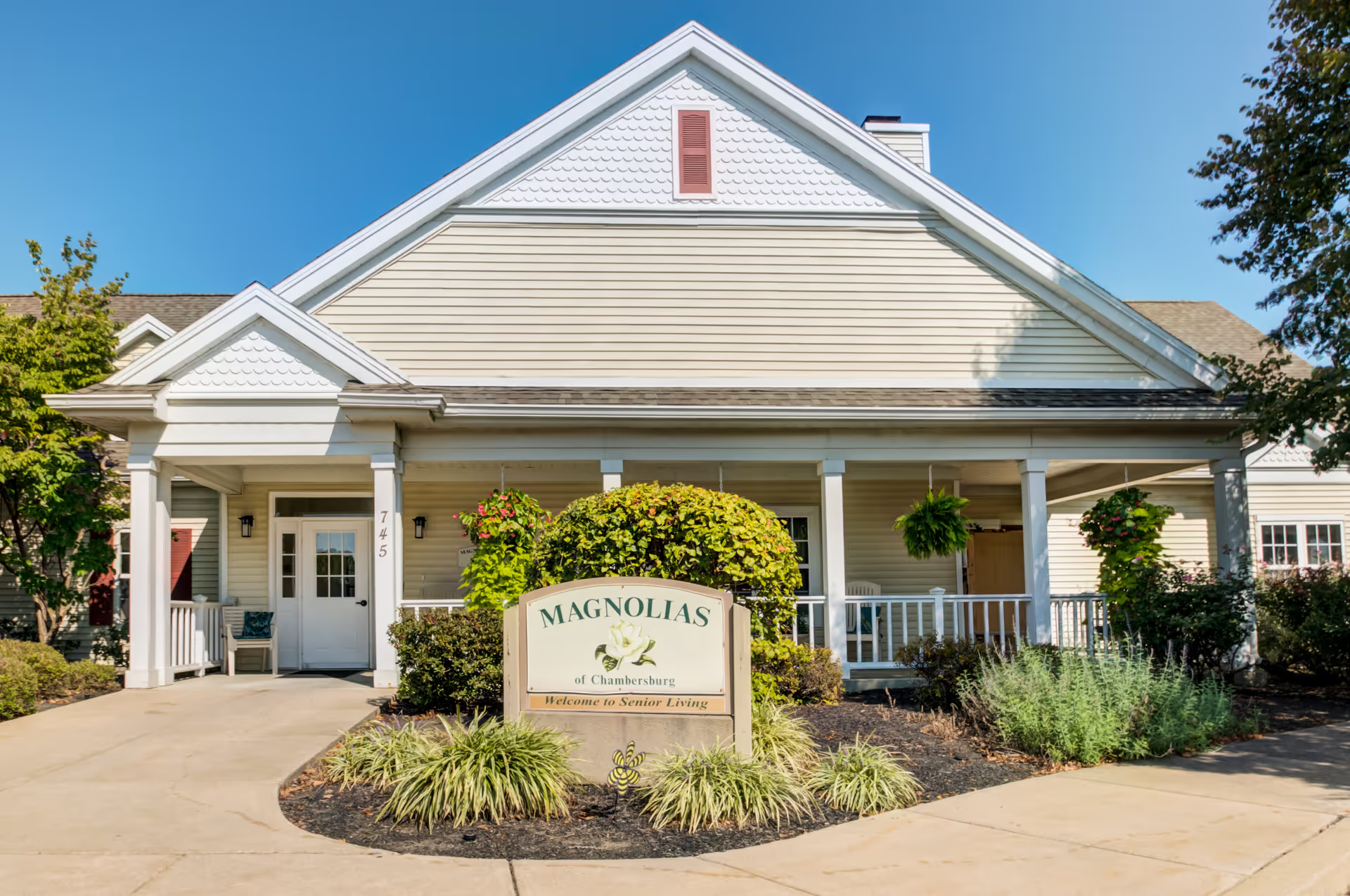
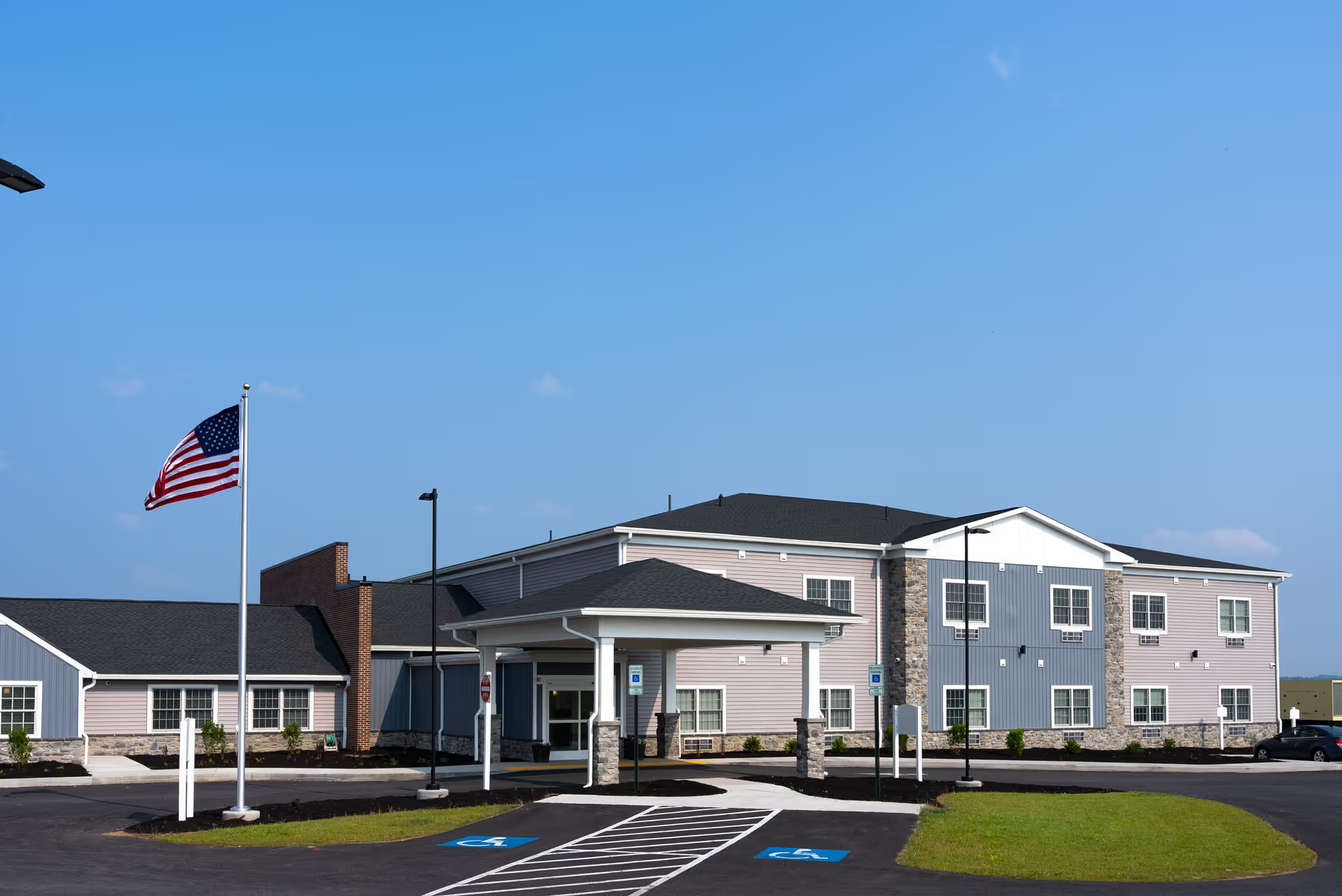
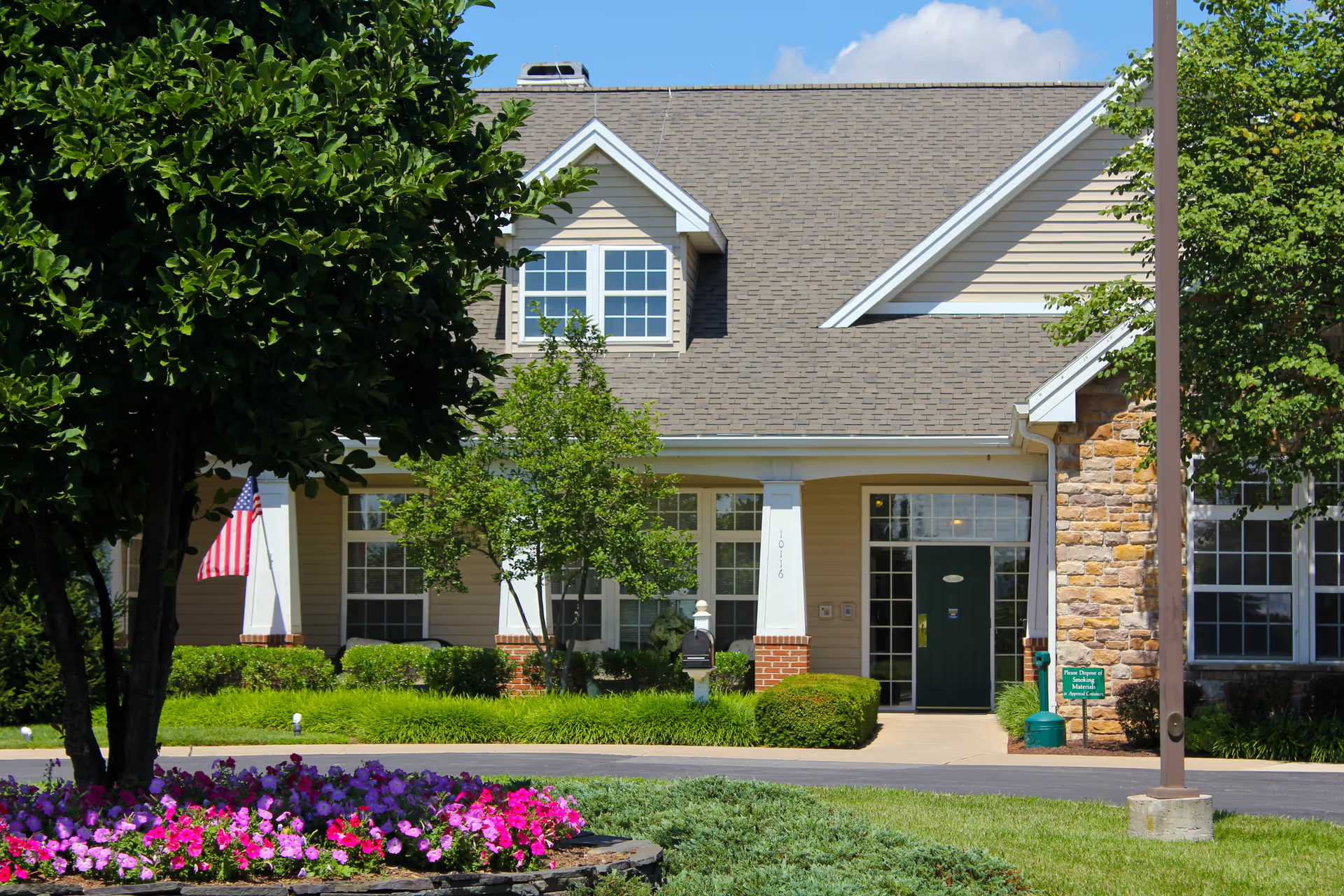
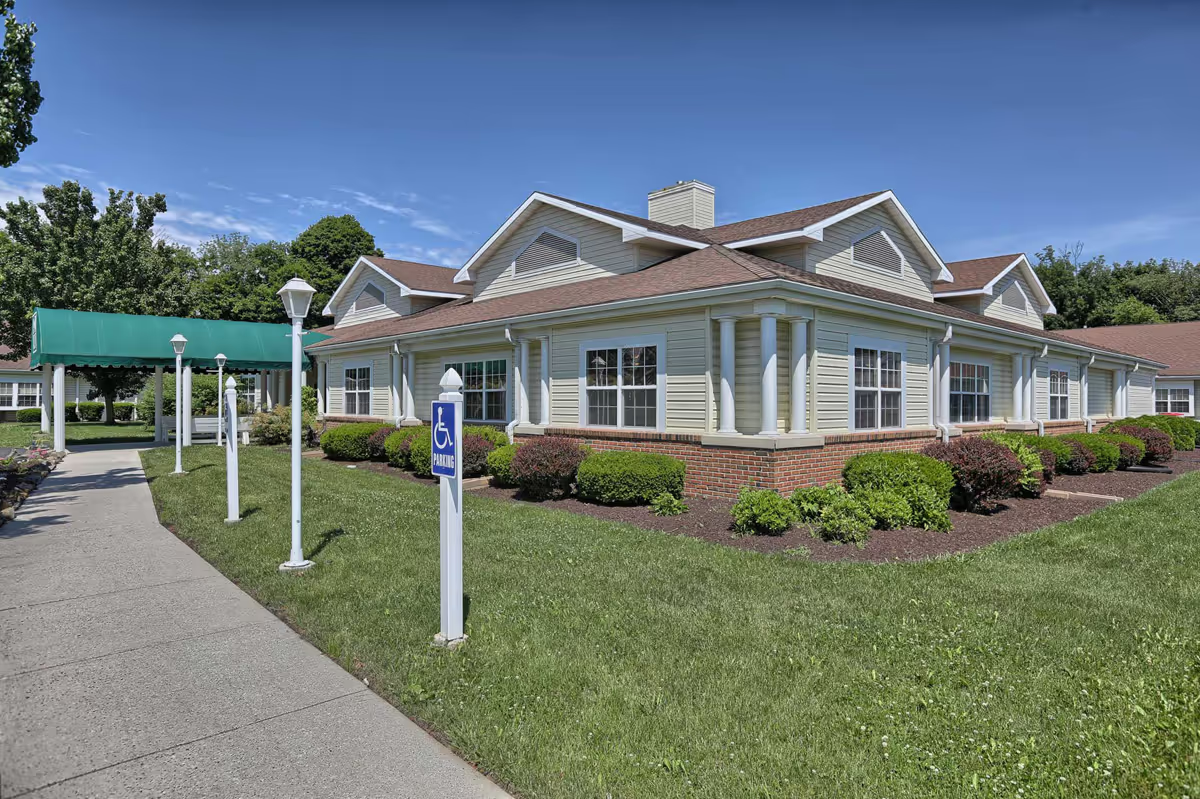
Menno Haven is described overall as a large, well-appointed continuing care community with many physical and programmatic strengths. Reviewers consistently praise the grounds, multiple dining venues, and a wide range of amenities — new Life Center facilities, theater space, several pools, a well-equipped gym, library, woodworking and craft areas, and walking trails. Housing options span apartments with kitchenettes, cottages, villas, and newer nursing and rehab buildings; many families highlight modernized units and guest rooms. The campus presents as well-maintained and attractive, with multiple social spaces and active volunteer involvement.
Clinical care and staffing elicit mixed but specific themes. The facility receives strong positive marks for its on-site rehabilitation services, attentive nursing staff in many areas, individualized attention, and an evident continuity of services across independent living through skilled nursing. The community's pandemic response and infection-control efforts are also noted positively. At the same time, there are consistent operational concerns that recur in reviews: intermittent understaffing, variability in staff professionalism and tone, gaps in shift handoffs and communication, and specific concerns about medication administration and pain-management consistency. Those patterns suggest that while many residents experience compassionate, capable care, others have encountered breakdowns in care continuity or responsiveness.
Dining and activities are among Menno Haven's most frequently cited strengths. Meals and dining rooms receive very high praise, with several different dining venues and positive notes about food quality and service. The campus offers a broad activity schedule — exercise groups, bus trips, classes, social events, woodworking, community gardens, and regular entertainment — supporting an active resident lifestyle. Housekeeping and ancillary services are available for many housing types, which families identify as a convenience.
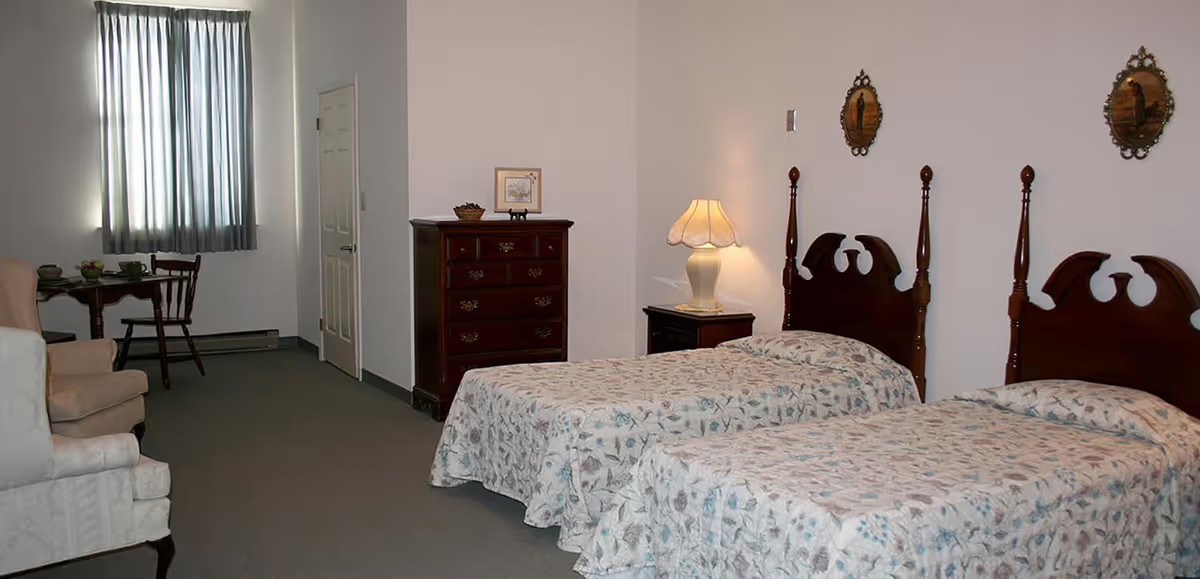
Facility scale and operational policies are additional mixed elements. The community's large size and institutional scale are positive for the breadth of services but can feel impersonal to some families; the physical separation of memory-care units from other living areas has been described as limiting observation and social integration for residents with cognitive needs. A few units or rooms are described as dated or showing variability in upkeep, even though overall campus cleanliness is often praised. Cost is another consistent pattern: many reviewers feel the fees are justified by the level of service and amenities, while others describe the expense and additional maintenance fees as high and seek clearer fee transparency. There are also isolated concerns about restrictive handling of valuables and limited transportation options for ill residents.
Bottom line: Menno Haven offers a strong amenities package, high-quality dining, and reputable on-site rehab services within an attractive campus and a broad continuum of care. Prospective residents and families who prioritize amenities, social programming, and rehabilitation will likely find the community appealing. Families considering Menno Haven should tour specific housing units, ask targeted questions about staffing ratios and shift handoffs, review medication-administration and pain-management protocols, clarify meal-plan policies and extra fees, and evaluate the layout and integration of memory-care units to ensure it matches their expectations for supervision and social access.