Overview: Reviews indicate a mixed operational profile. Clinical caregivers—particularly nursing staff—are described in positive terms for compassion and bedside attention, while operational and administrative systems show recurring weaknesses. Prospective residents and families should weigh the facility's strengths in direct caregiving against evidence of coordination and responsiveness gaps.
Care and staff: Nursing personnel receive consistent praise for compassionate, thoughtful interactions and hands-on care. At the same time, reviewers describe delays in clinical response (including pain management) and examples of on-call coverage not aligning with family expectations. Staffing levels are identified as a limiting factor for timeliness; this is associated with longer waits for the appropriate clinical staff and perceived gaps in night coverage.
Clinical systems and safety: Multiple comments point to alarm-response and night-shift monitoring shortcomings, suggesting potential gaps in overnight observation and escalation protocols. There are also indications of inconsistent handoffs and front-line administrative coordination that can affect how quickly clinical needs are addressed.
Management and administration: Impressions of leadership are mixed. Some remarks single out an effective, engaged administrator and strong individual leadership, while other comments describe inconsistent management responsiveness, including issues with invoice follow-up and general supervisory communication. These contrasting views suggest variability in administrative performance or uneven implementation of policies.
Hospice and end-of-life care: Reviewers express clear concerns about hospice coordination and the facility's handling of end-of-life services. These concerns focus on service alignment and responsiveness rather than characterizations of individual staff intent; families seeking hospice-level support should obtain specific, written details about on-site hospice partnerships, protocols, and staff training.
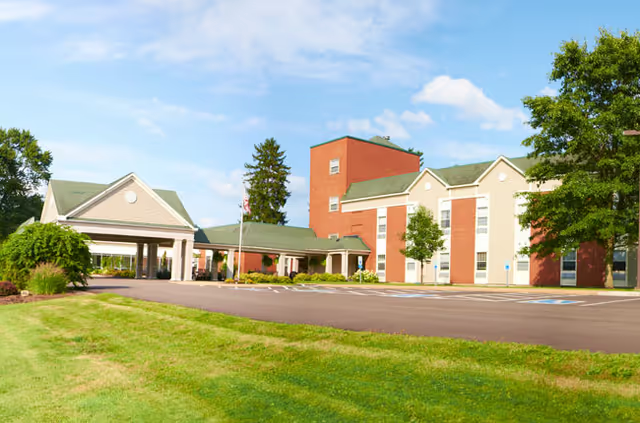
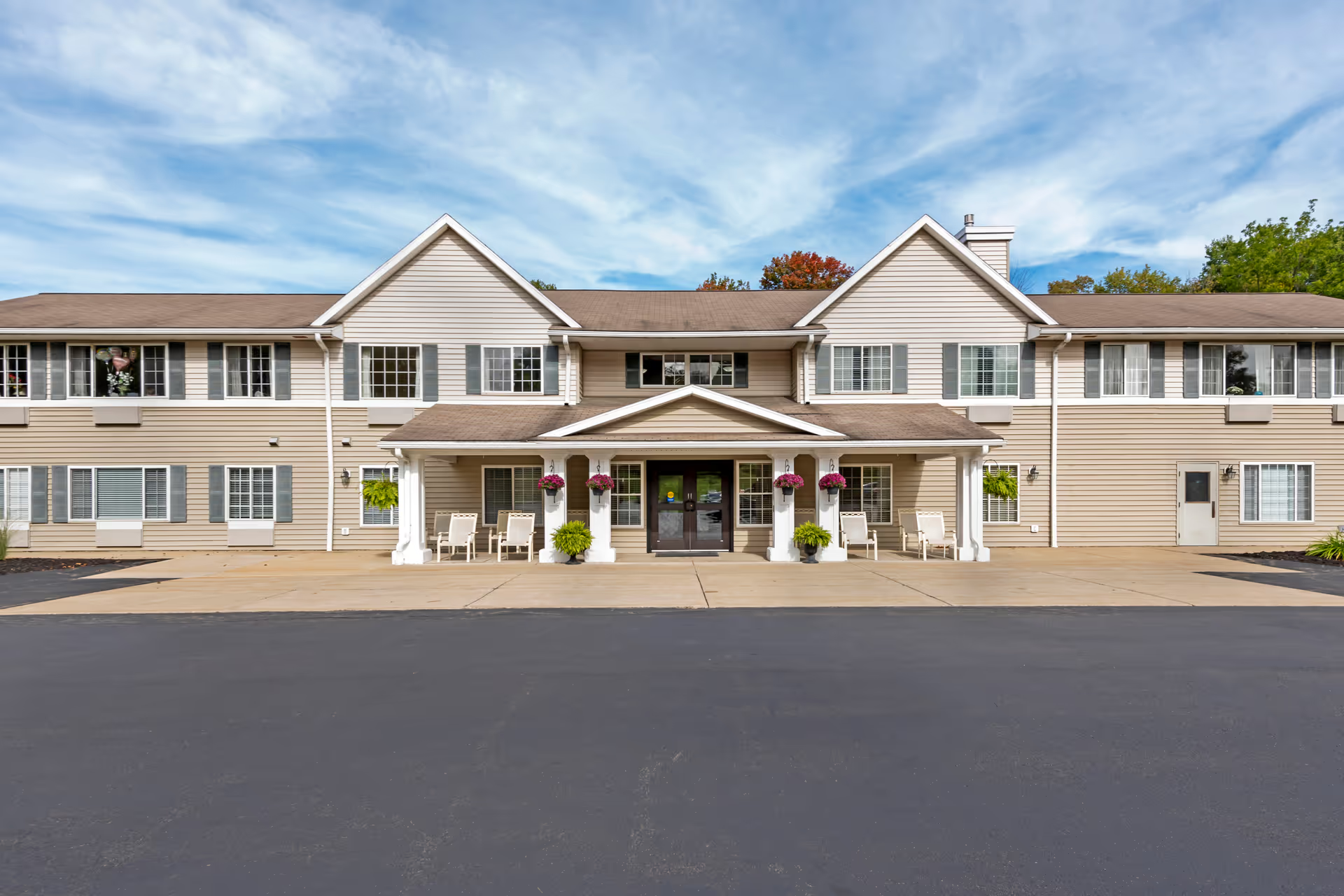
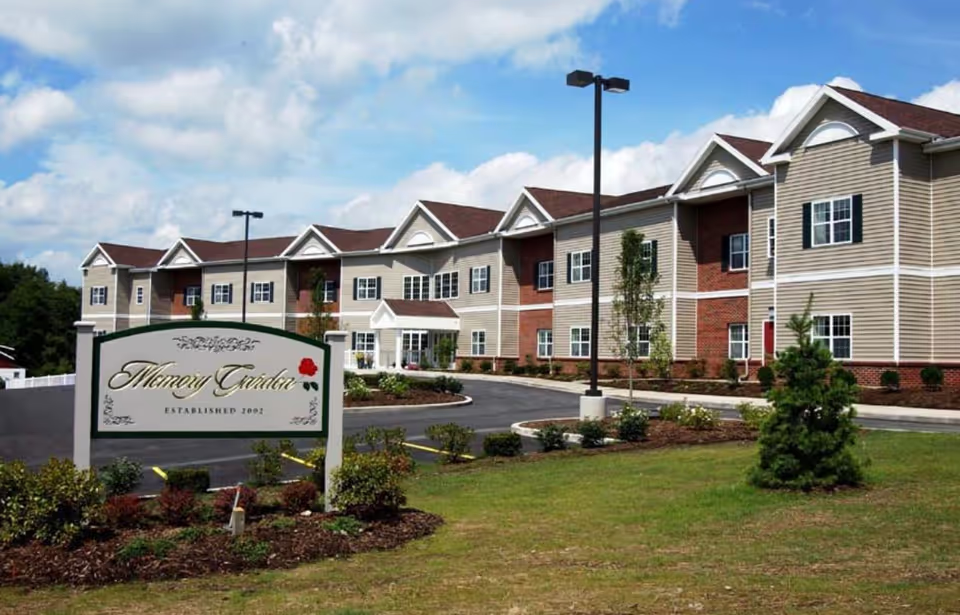
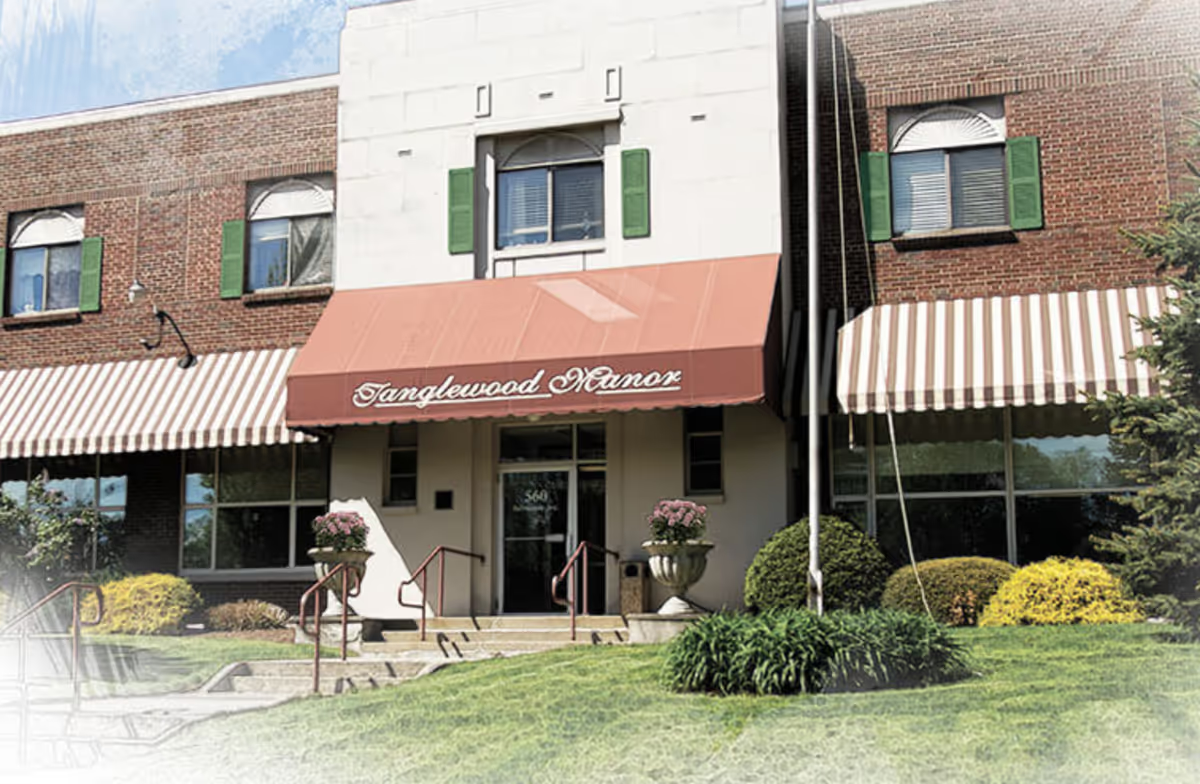
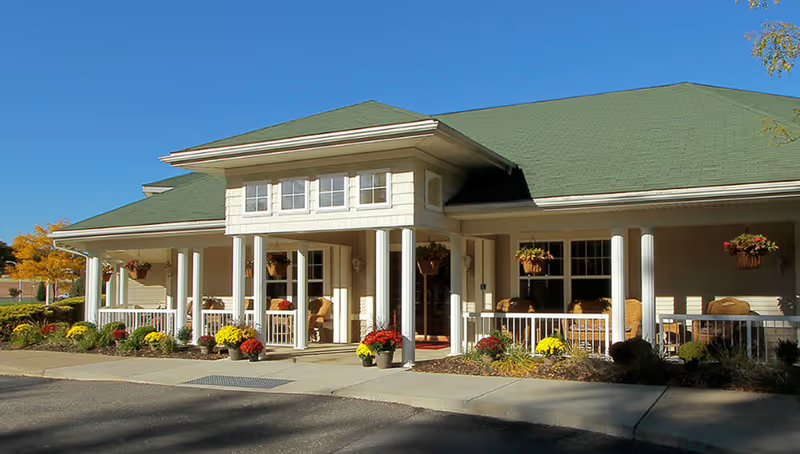
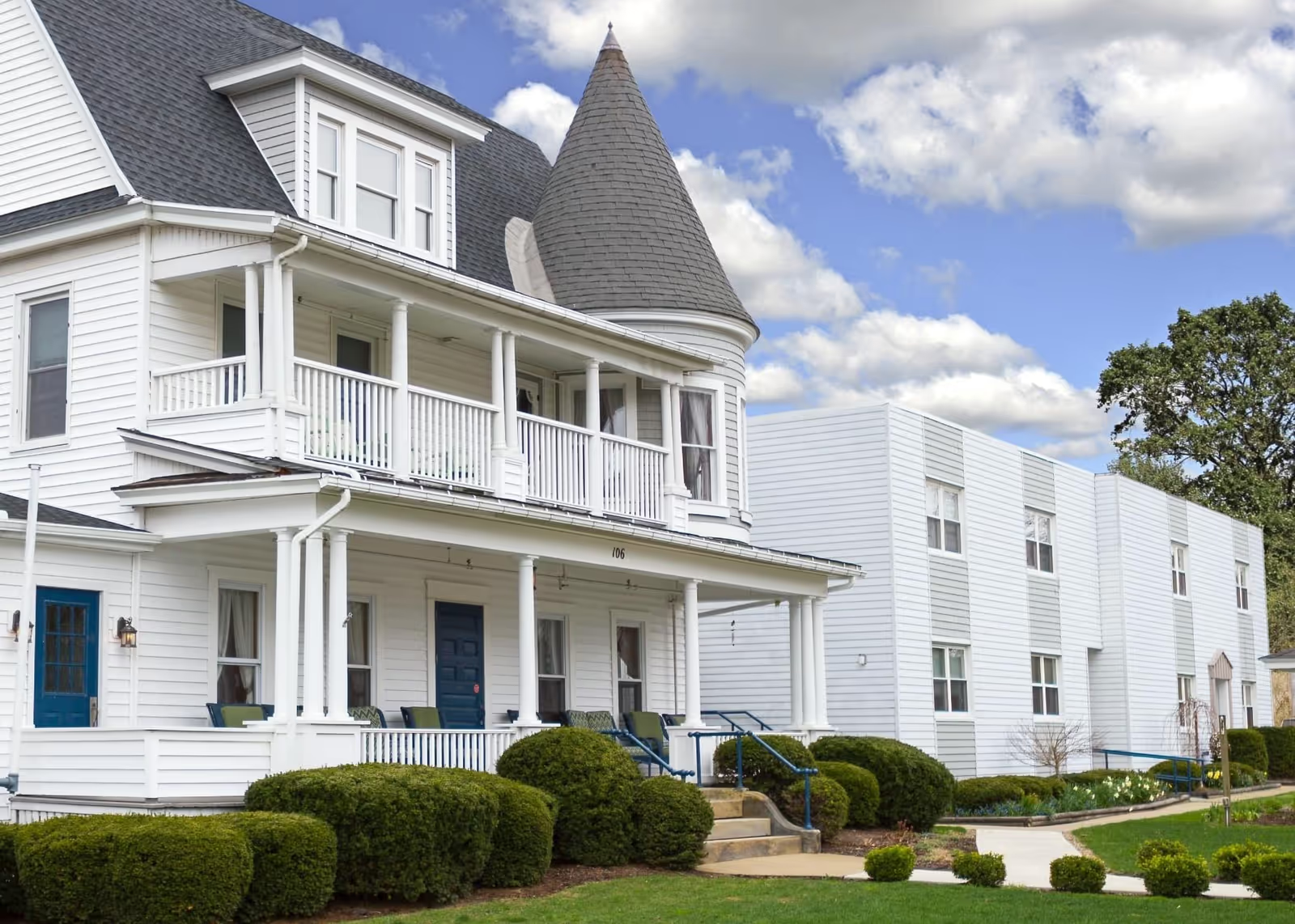
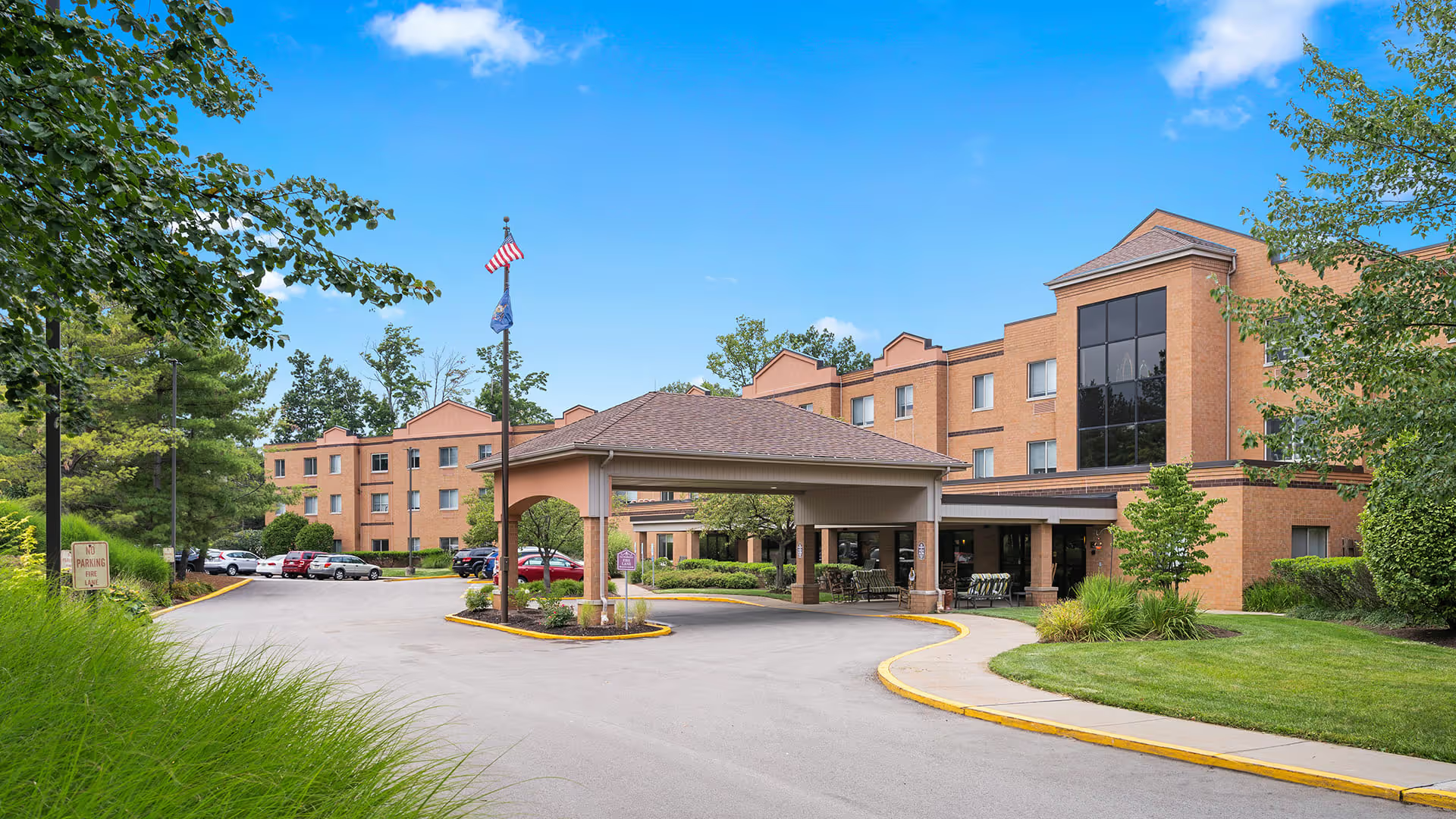
Dining, activities, and facilities: The available summaries do not provide consistent detail about dining quality, activity programming, or physical plant conditions. Absence of commentary in these areas should be treated as a gap in the data; an in-person visit and direct questions about menus, activity calendars, communal spaces, and cleanliness protocols are recommended.
Notable patterns and recommendations: The dominant patterns are strong direct nursing relationships paired with operational inconsistencies—particularly around administrative communication, timely clinical response, night coverage, and hospice coordination. For families considering this community, recommended inquiries include current staffing ratios by shift, on-call nurse procedures, alarm-response policies, hospice vendor relationships, and billing/contact procedures. Observing a meal, attending an activity, and requesting documentation of clinical escalation protocols will help clarify whether the facility's strengths align with a prospective resident's needs.