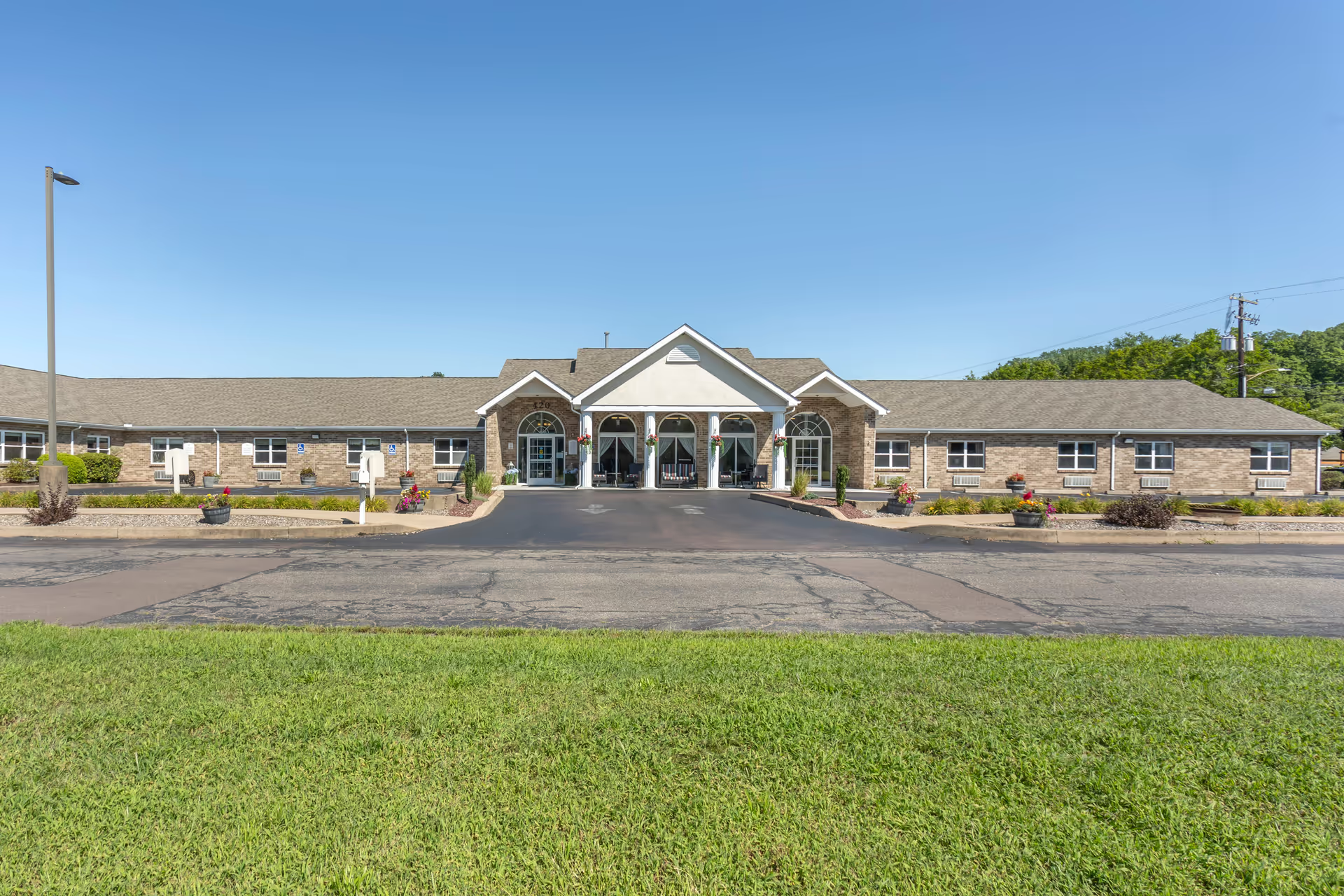
Providence Place Senior Living of Drums presents as an attractively remodeled, upscale assisted‑living community with substantial on-site clinical and social resources. Review content emphasizes a clean, bright, and well‑decorated environment with apartment‑style units, restaurant‑style dining, outdoor amenities (walking trail, porches), and dedicated memory‑care accommodations. The facility advertises multiple levels of care, in‑house medical and nursing presence, on-site rehabilitation services (PT/OT/SLP), a salon, chapel, and frequent opportunities for family participation in meals.
Care and staff: Most accounts highlight courteous, compassionate, and attentive staff, with families describing respectful interactions and staff who go beyond basic duties. Clinical supports such as medication administration, progress evaluations, and an in‑house physician are cited as strengths. However, there are operational patterns to probe: several comments indicate staffing shortages that can affect routine service and responsiveness, including slower responses to alarms or requests. Prospective families should ask about current staffing ratios, shift coverage, and escalation procedures for urgent situations.
Dining: Dining is frequently mentioned as a positive element — restaurant‑style service, attractive presentation, and accommodating servers who modify meals to resident preferences. At the same time, reviewers describe inconsistent food quality tied to individual cooks and occasional overly salty dishes. Cost concerns also arise in the dining/medical domain: some residents note rent increases and additional charges for certain medical care (for example diabetes-related services). Ask the facility for sample menus, dietary staffing plans, and a clear schedule of included versus extra fees.
Activities and social life: The program includes a broad roster of activities — memory exercises, movies, trips, bingo, arts and crafts, fitness classes, and current‑events groups — and seasonal/faith services and holiday meals that support social engagement. There are repeated observations that activity schedules can become repetitive and that some residents would welcome expanded or more varied programming. Clarify how the facility individualizes activity plans and how often new events or off‑campus trips are scheduled.
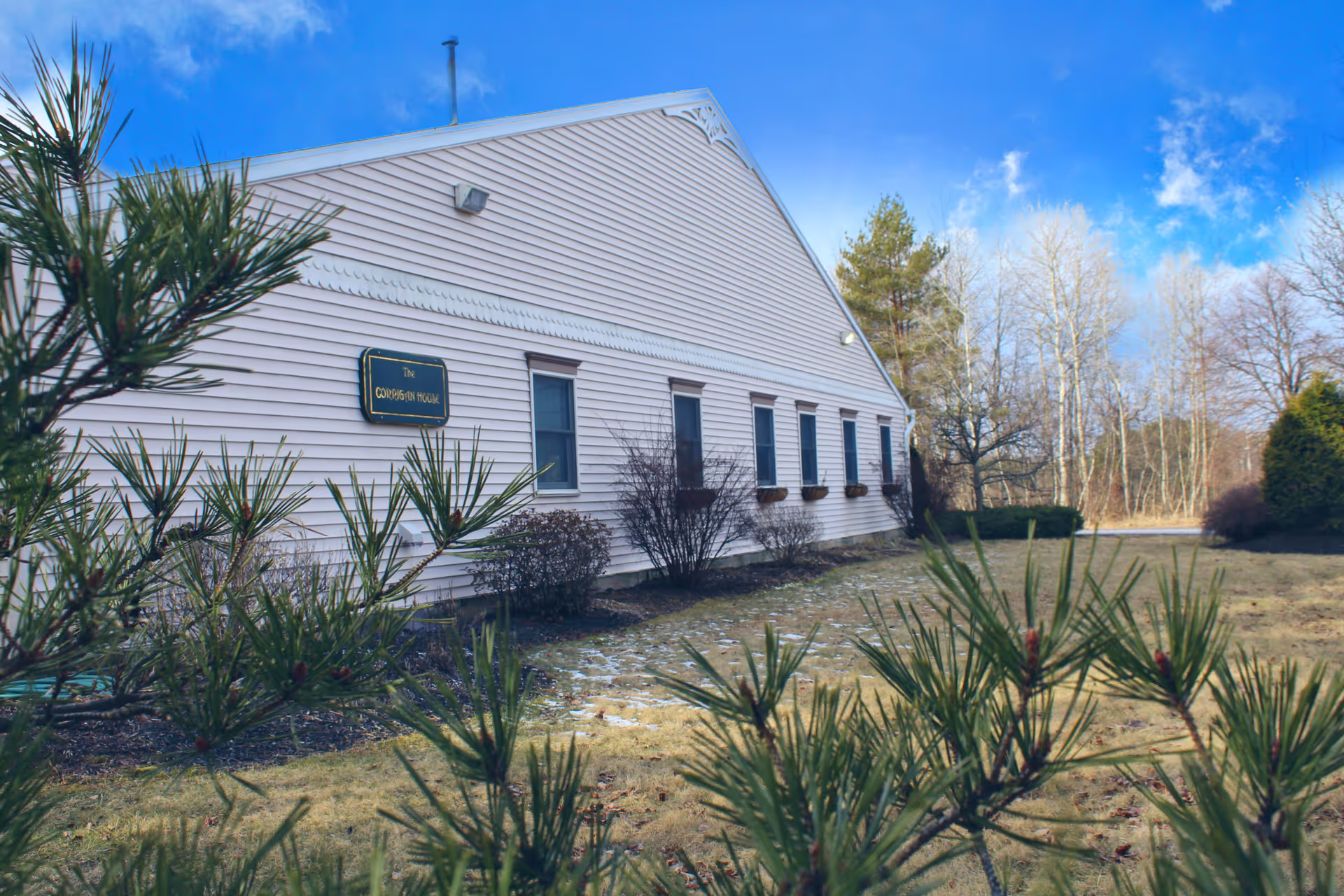
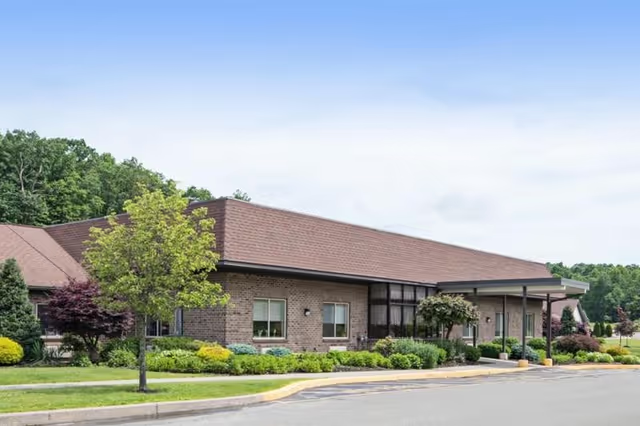
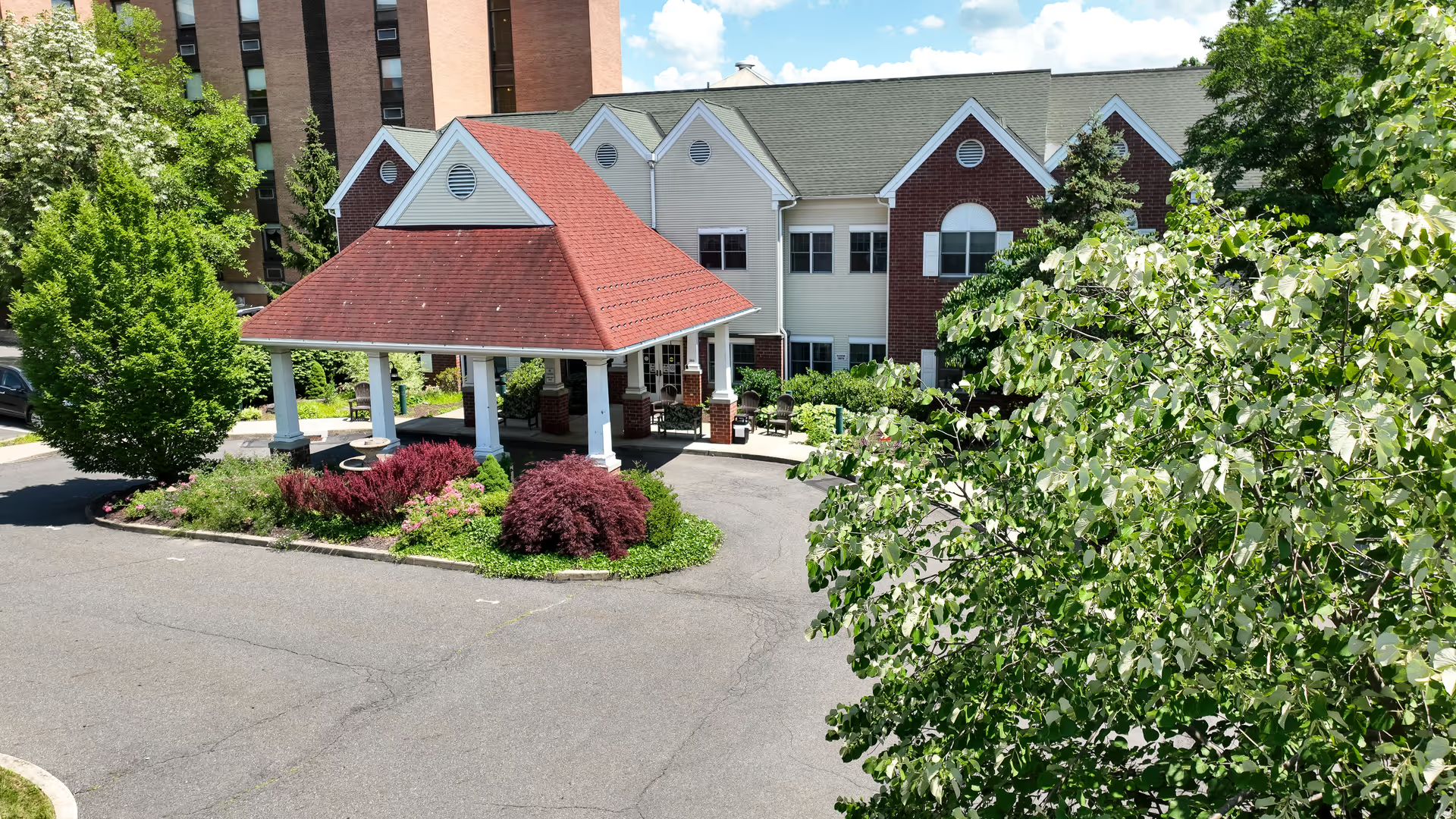
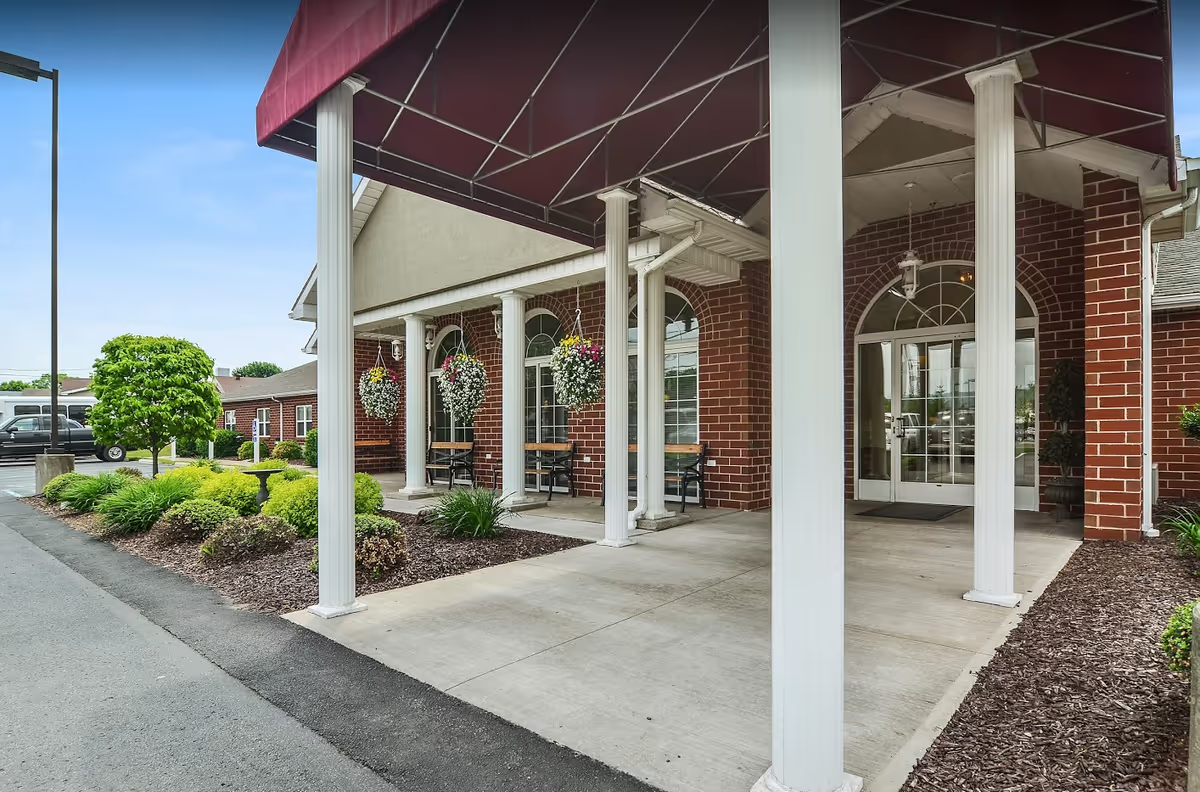
Facilities and safety: The facility is consistently described as well‑maintained, freshly painted, and comfortably furnished, with large common areas and secure internal spaces. The presence of an on‑site memory‑care wing and therapy rooms supports a range of needs. Noted concerns include perimeter or location limitations (proximity to a major highway and perceived lack of external security measures) and comments about limitations in providing higher‑acuity skilled‑nursing care; some reviewers indicate the facility is not equipped to retain residents who require skilled nursing. Families should confirm the facility's policies on transitions to higher levels of care and review emergency-response times and external security features.
Management and notable patterns: Positive themes center on a welcoming culture, attention to resident dignity, and strong connections staff. Areas for operational improvement that recur across accounts include inconsistent meal quality, periodic understaffing, organizational/communication gaps (coordination between families and management), delayed alarm responses, and cost transparency. A small number of strongly negative accounts raise serious safety and care concerns; those statements are isolated relative to the larger body of positive feedback but warrant due diligence. Prospective families should review recent state inspection reports, ask for incident/response protocols, request references from current families, and tour during peak service times to observe staffing, meal service, and activities in action.
Overall, Providence Place appears to offer many of the amenities and clinical supports families often seek in assisted living and memory care, alongside an attractive physical plant. The most important vetting items are staffing levels and responsiveness, fee structure and what services are included, policies for higher‑acuity transitions, and specific practices around activity personalization and meal consistency.