Pennknoll Village - VA West elicits a mix of strong positive experiences alongside recurring operational concerns. Many families and residents describe compassionate, knowledgeable caregivers and an administration that is responsive during routine hours. The therapy department is frequently singled out as a major strength — reviewers cite skilled therapists, successful rehabilitation progress, and confident discharges home, including complex interventions such as removal of feeding/airway devices. Hospice integration and interdisciplinary coordination (nursing, social work, housekeeping, and activities) are also noted as important supports for residents and families.
Care and staffing receive generally favorable descriptions for bedside nursing, aides, and therapy staff who are characterized as kind, respectful, and engaged. At the same time, a number of accounts describe inconsistent responsiveness to calls and requests, particularly after typical visiting hours. These concerns translate operationally into variability in how quickly nurses or aides respond and how consistently family members are provided clinical updates. Staffing shortages are mentioned as a contributing factor to these availability gaps.
Dining and daily-care experience shows divergence. Several reviewers praised personalized rooms, menu choices, and helpful admissions processes, while others identified inconsistent meal quality and occasional interruptions in meal service. There are also specific concerns about basic personal-care tasks — for example, gaps in oral-care provisioning and delays in attending to continence needs — that suggest opportunities to strengthen routine care protocols and monitoring.
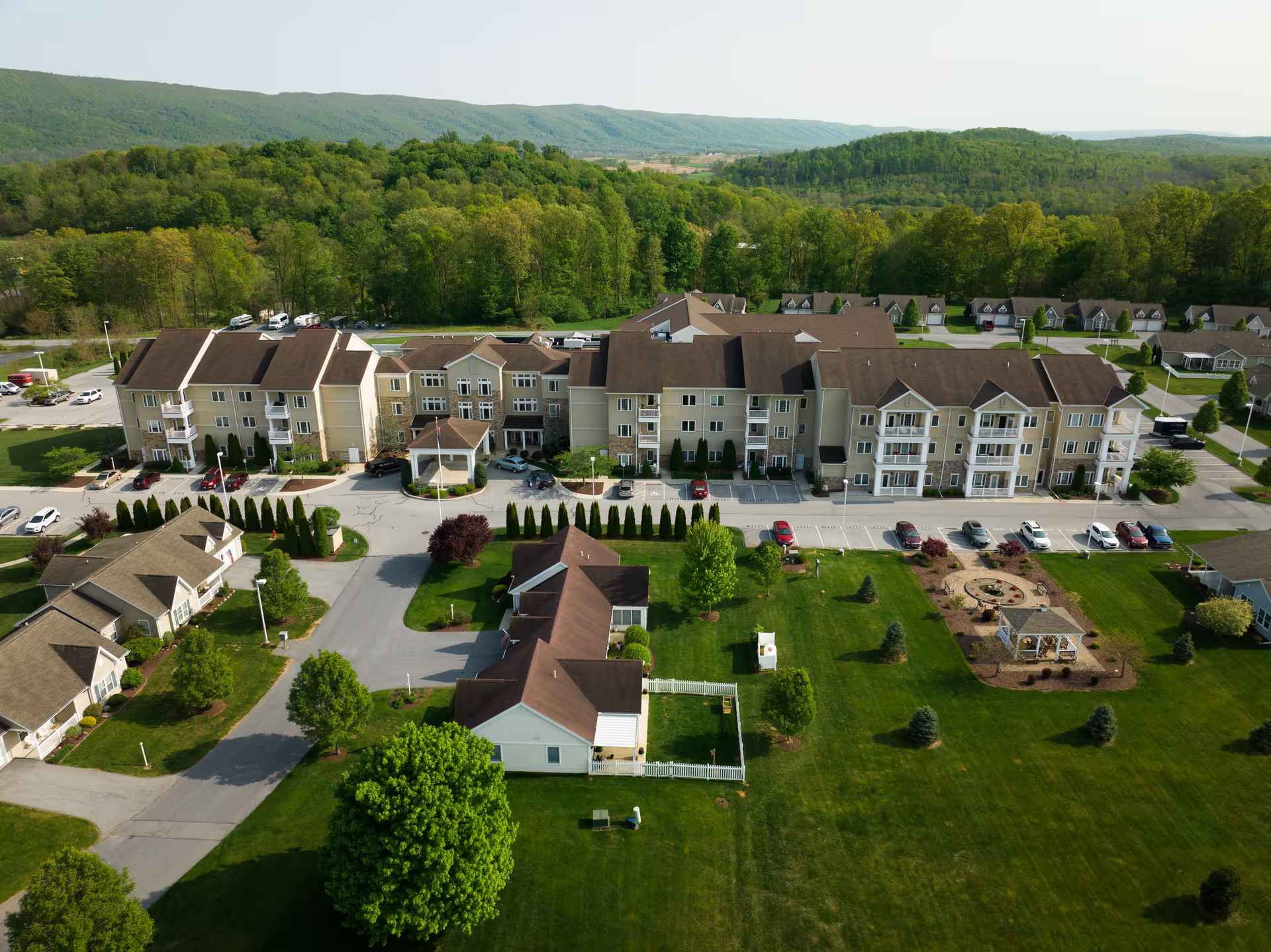
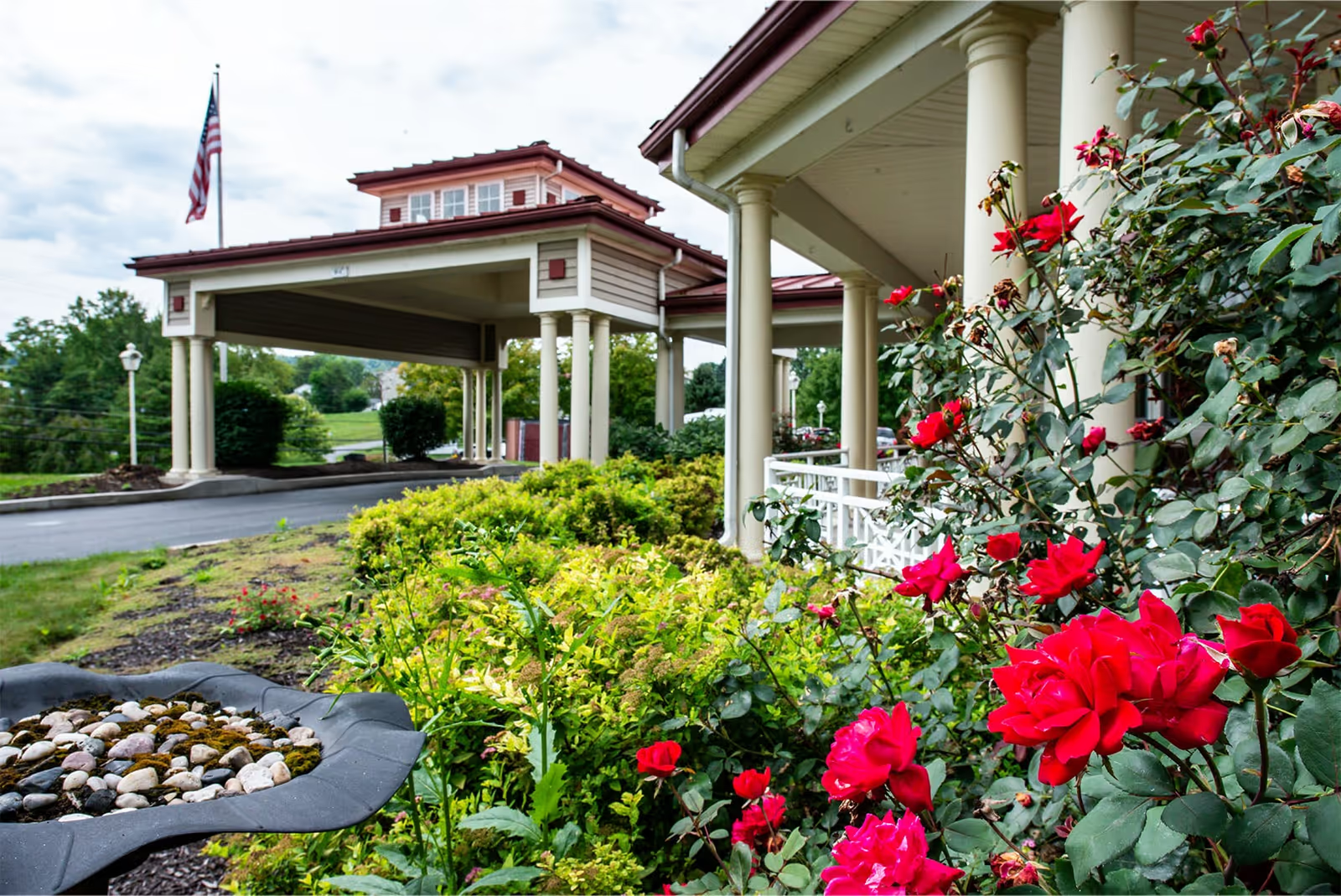
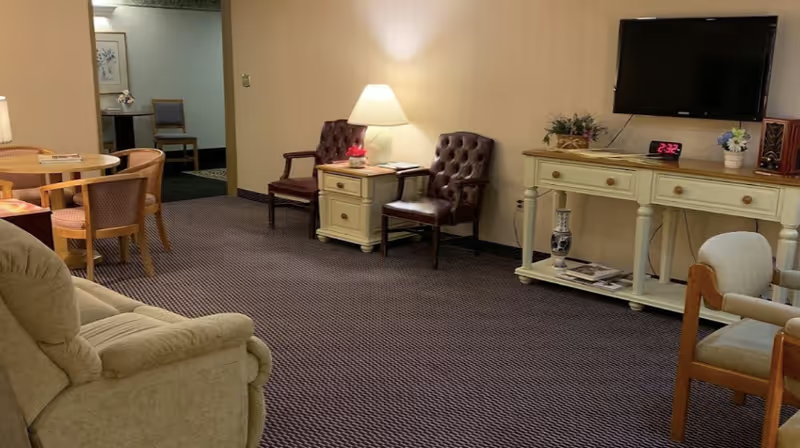
Facility and environment feedback is similarly mixed. Many describe a clean, welcoming atmosphere and positive seasonal/holiday engagement, but multiple notes point to cleanliness and odor concerns in certain areas and deferred maintenance needs. Infection-control vulnerabilities and instances of facility-level sanitation issues were raised, indicating a need for attention to environmental controls and preventive practices.
Management and communication are areas with both praise and critique. Admissions staff and certain administrators receive positive comments for being helpful and family-oriented. Conversely, some families reported issues with transparency, inconsistent supervisory follow-through, and communication lapses about health status and incident follow-up. There are also references to inconsistent staff conduct and occasional noisy or disruptive behavior that suggest opportunities for clearer behavioral-management expectations and staff training.
Overall, Pennknoll Village demonstrates clear strengths in rehabilitation, hospice integration, and many caregivers’ attentiveness. Prospective residents and families should weigh those strengths against the reported variability in after-hours responsiveness, certain hygiene and environmental concerns, and meal-service consistency. For families prioritizing strong therapy outcomes and compassionate daytime staff, the facility may be a good fit; for those for whom consistent 24-hour responsiveness, uniform cleanliness, and uninterrupted meal service are primary, it would be prudent to discuss staffing patterns, infection-control protocols, and communication expectations with facility leadership before placement.