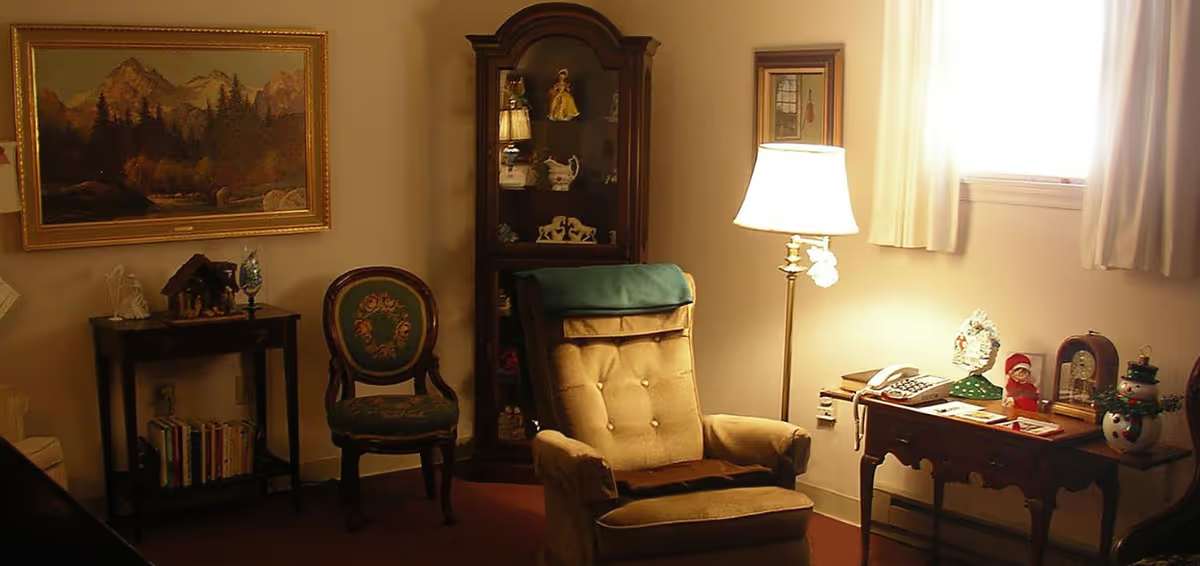
Comfort Care is frequently described as a small, home-like assisted living option that delivers personalized, family-oriented care. Many families and residents emphasize the facility’s compassionate staff, individualized greetings, and a sense that caregivers know residents personally. Reviewers consistently praise the owner and management for being accessible and engaged with residents and families, which contributes to a community atmosphere that some describe as feeling like family. The facility’s size and rural setting are usually viewed positively for residents who value a quieter, less institutional environment and a degree of daily independence.
On care quality, Comfort Care receives repeated commendation for hands-on assistance with activities of daily living, dementia-focused programming, and round-the-clock medication administration. Staff are often portrayed as attentive, respectful, and willing to go above and beyond; special events and individualized celebrations are examples cited to illustrate staff engagement. At the same time, there are operational concerns about clinical oversight and staffing levels that prospective families should clarify during tours—comments include instances where nursing coverage and clinical supervision were perceived as insufficient.
Dining and activities are both strengths and areas of variability. Numerous reviews highlight homemade, flavorful meals and nutritious offerings served in a communal, home-like dining environment; special meals and garden seating are called out positively. However, there are also criticisms about inconsistent meal quality and at least one note of dissatisfaction with food. Activity programming is frequently described as engaging and social, but there are isolated observations of limited activities for particular residents; activity continuity and tailoring to individual interests may vary.
Facilities and maintenance show a mixed picture. Several reviewers describe the interior as clean, well‑maintained, and comfortable, while other accounts raise sanitation concerns—specifically mentioning mold and pest-control issues—and note exterior maintenance shortfalls such as uncut grounds and structural deterioration. These divergent descriptions suggest variability between units or changes over time, so an up‑to‑date, on-site inspection is advisable.
Management and operations receive both praise and criticism. Management accessibility, transparent billing, and a willingness to accommodate respite stays and flexible schedules are frequently noted as positives. Conversely, there are documented instances of scheduling lapses, communication breakdowns, and perceived lapses in staff responsiveness or professionalism (for example, inattentive behavior during shifts). There are also serious, isolated claims about regulatory issues; these have been characterized by some reviewers as regulatory concerns or actions and merit verification with licensing and inspection records.
Overall pattern: Comfort Care appears to offer strong relational care in a small, residential setting with many families experiencing compassionate service, effective ADL support, and appealing homemade meals. However, there is a noticeable minority of accounts detailing cleanliness, maintenance, clinical oversight, and operational reliability problems. Prospective residents and families should prioritize an in-person visit, review recent inspection reports, confirm current nursing coverage and pest‑control/maintenance practices, and ask for written policies on scheduling, activities, and billing to reconcile the facility’s strengths with the operational concerns documented by others.