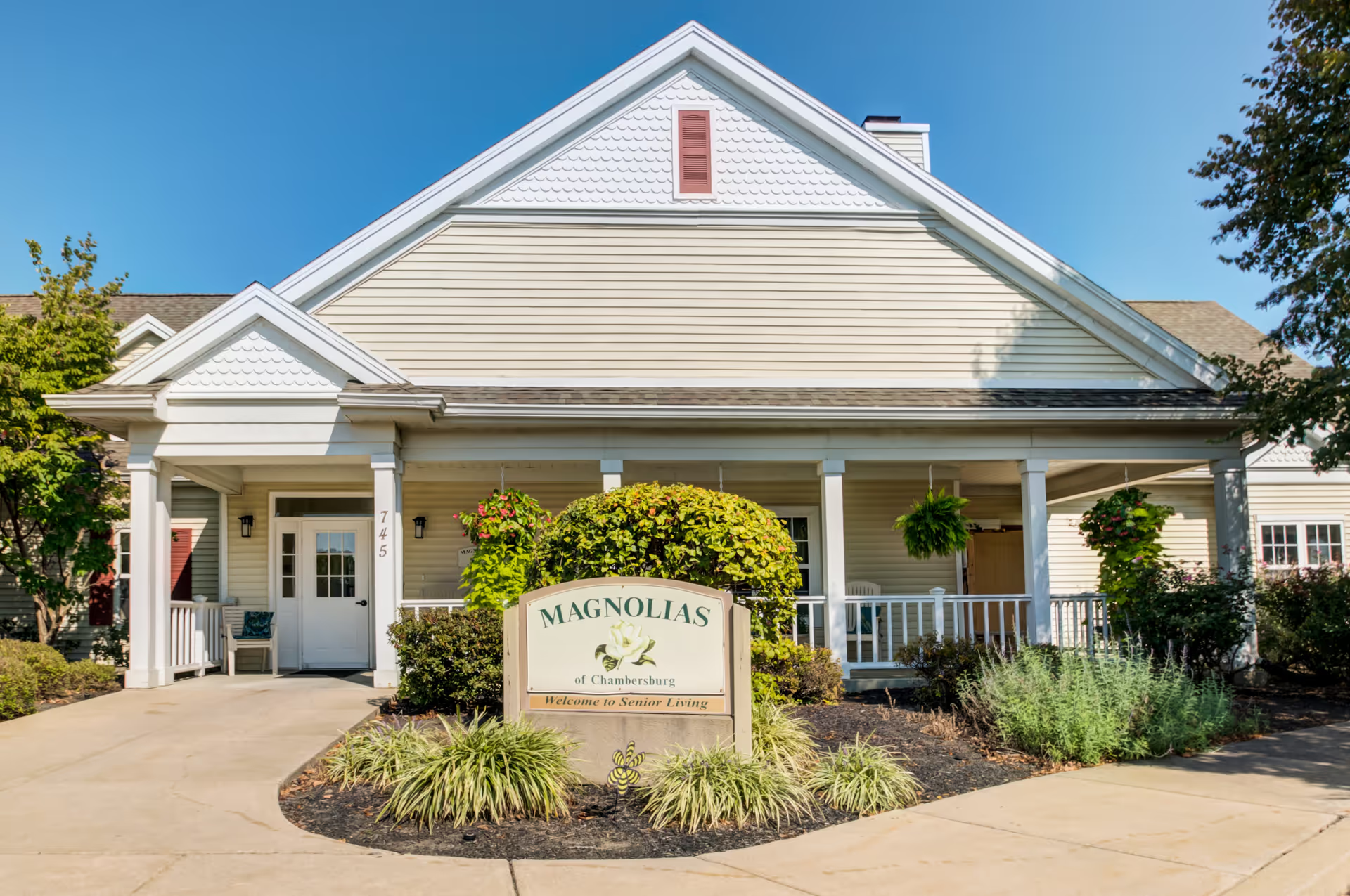
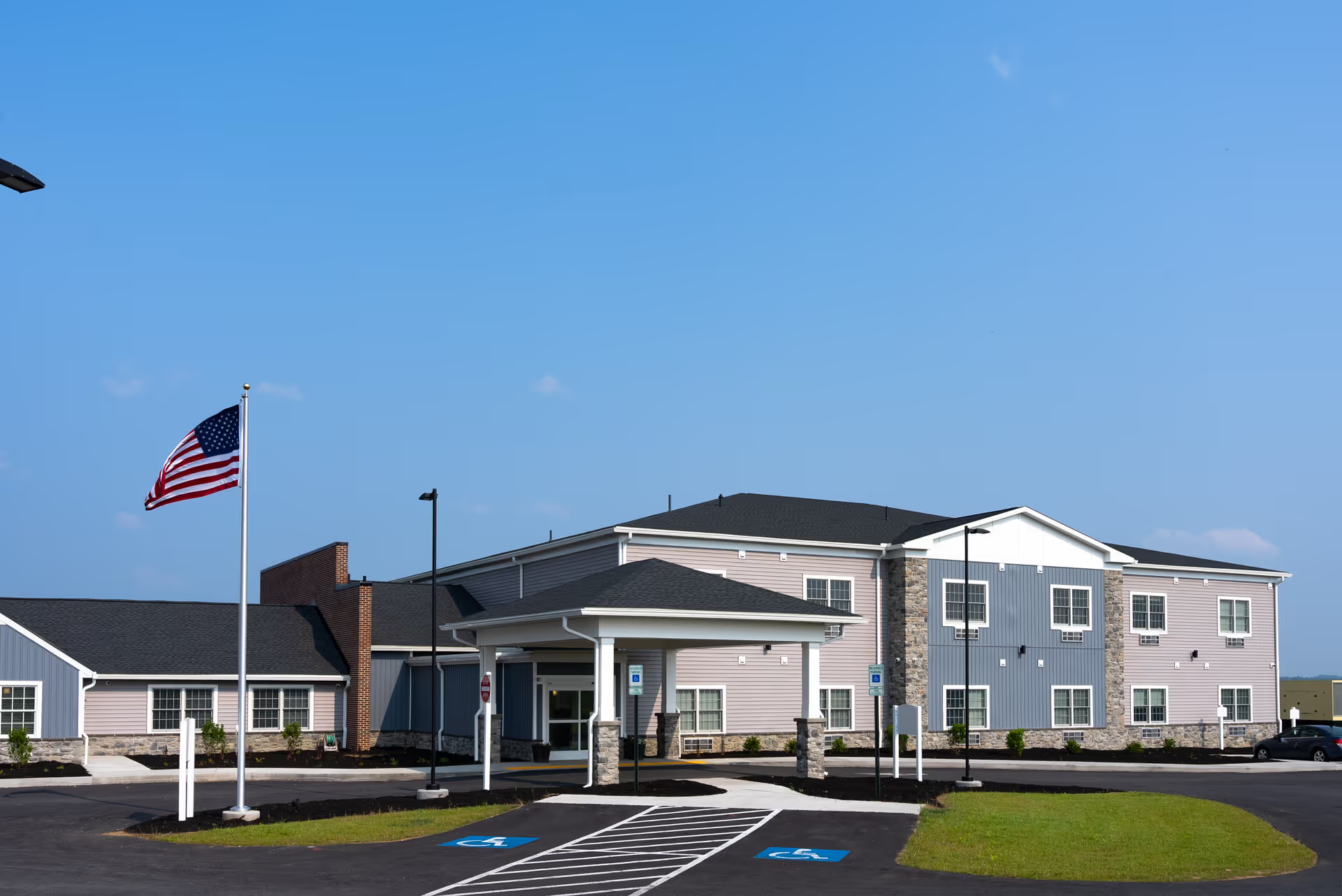
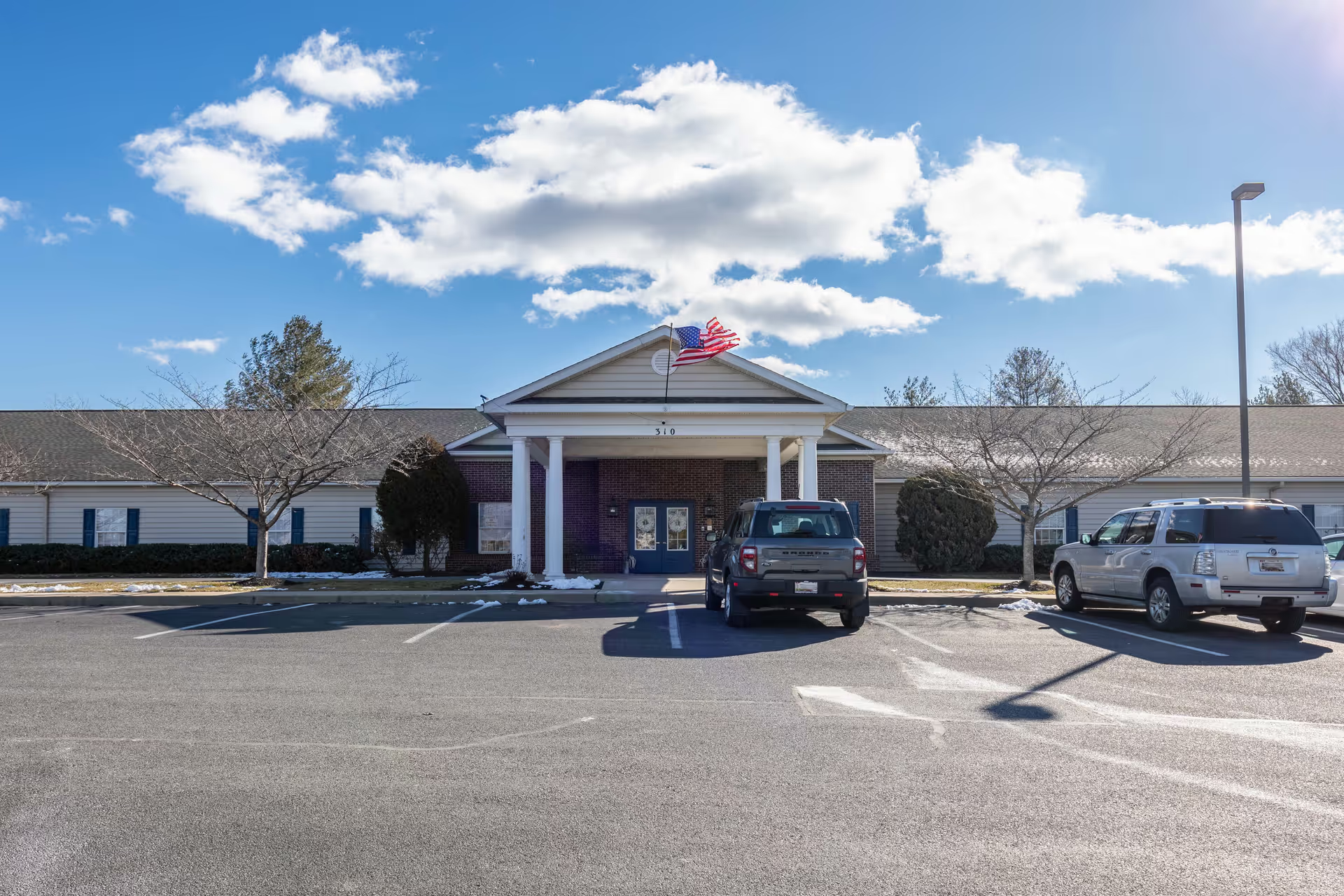
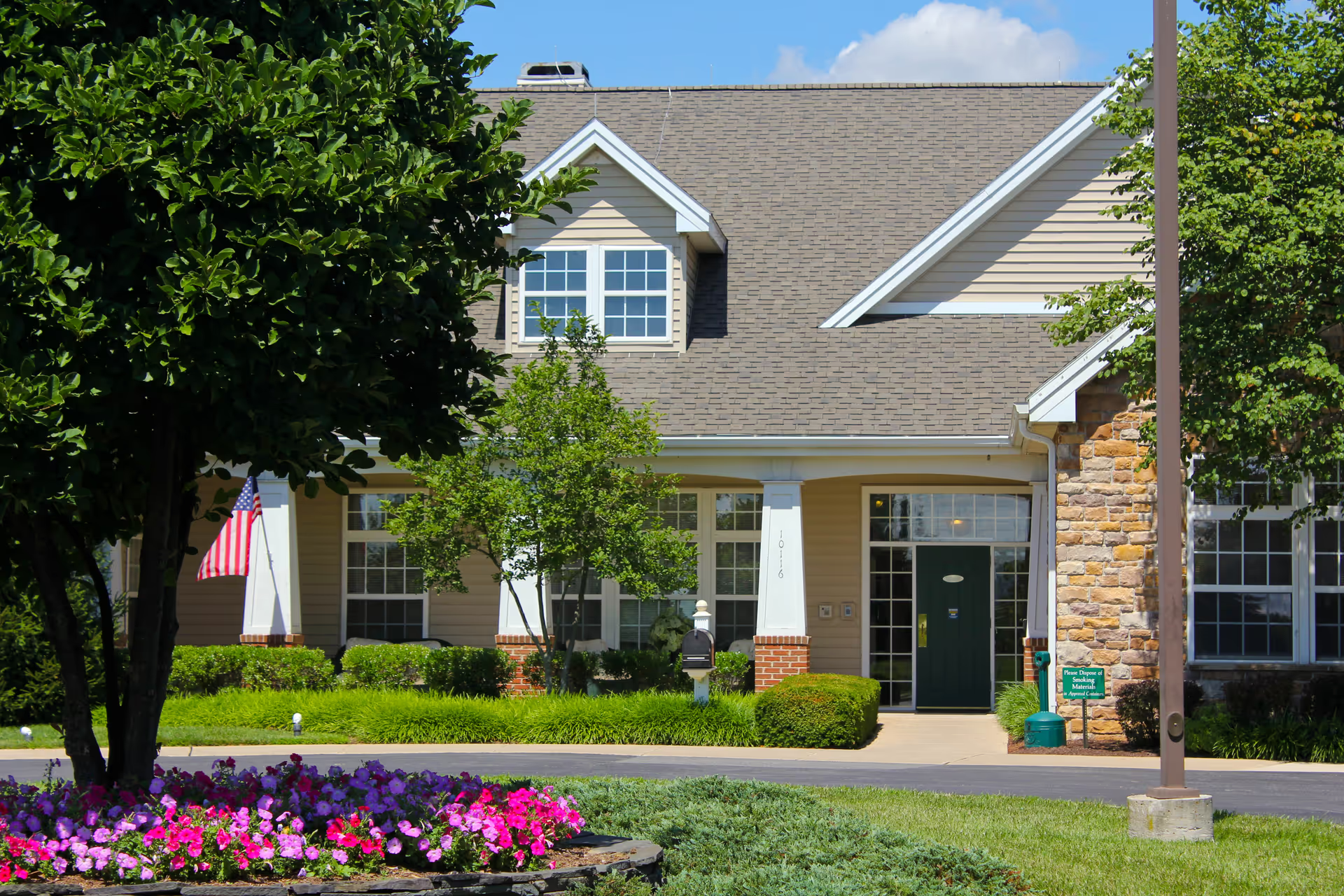
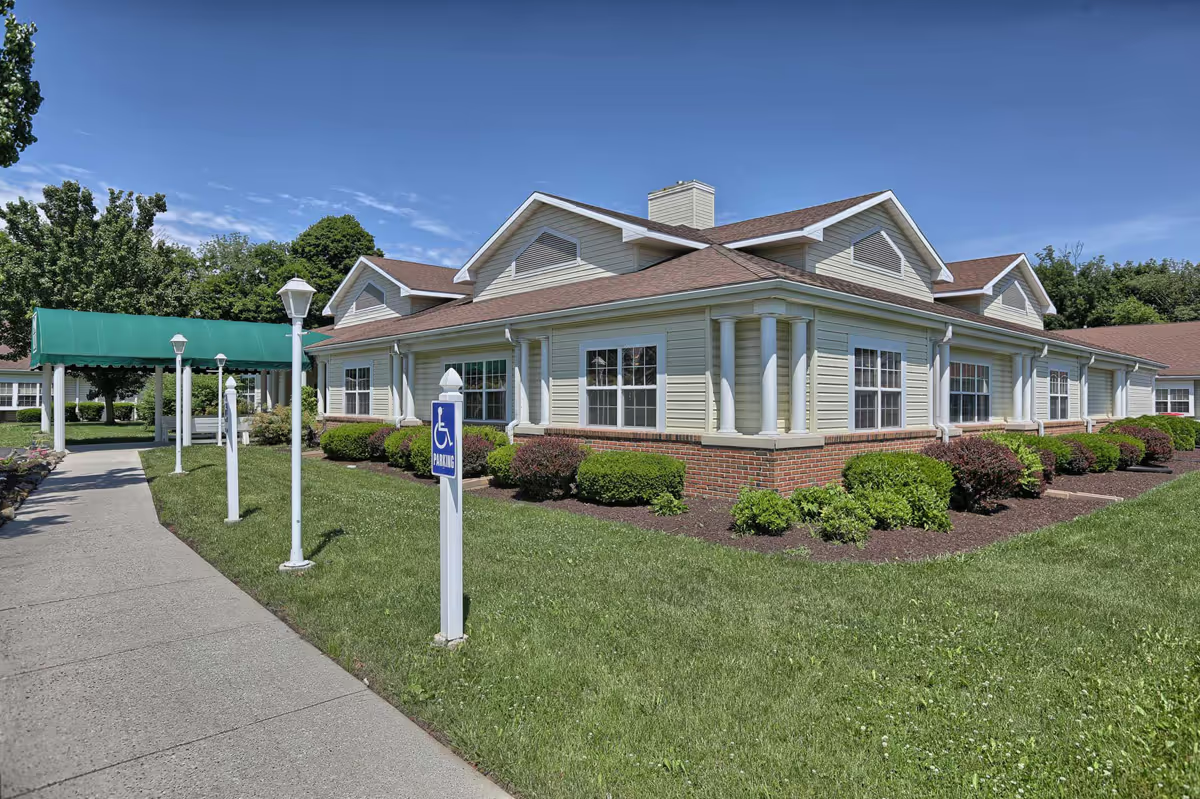
Paramount Senior Living Chambersburg presents a mixed profile: the facility and grounds are frequently described as attractive, well maintained, and campus-like, with several reviewers praising renovated interiors, clean dining areas, and comfortable independent-living apartments. The community offers on-site memory care, skilled nursing, rehabilitation/physical-therapy services, shuttle transportation, and a range of recreational options — bingo, music, outings to theaters, pet visits, and bus trips are commonly mentioned — which together create a campus that can support residents across a range of needs.
Care quality and staffing evoke divergent impressions. Many families and residents describe compassionate, patient, and resident-focused nursing and caregiving staff who provide successful transitions and attentive end-of-life care; front-line staff and certain nurses receive repeated positive mention. However, other accounts identify operational strains: understaffing and workload pressures that can lead to delayed responses, and specific concerns about medication administration and clinical documentation consistency. These clinical and staffing weaknesses appear to be a principal source of dissatisfaction in otherwise well-regarded aspects of the community.
Dining experience is uneven. Some reviewers praise particular meals and the pleasant dining atmosphere, while others note institutional-style food, late service that leaves food cold, limited variety, and a desire for more meal options and desserts. Prospective families should observe a mealtime to evaluate timing, temperature, and menu variety relative to their expectations.
Activities and social life are strengths in programming scope but show variable resident engagement. The community maintains a full activity calendar, outings, and on-site events; at the same time, observers note that participation can be slow without active encouragement, and pandemic restrictions or other limits have reduced offerings at times. For residents seeking an active social environment, it may be useful to review current activity participation levels and staff facilitation plans.
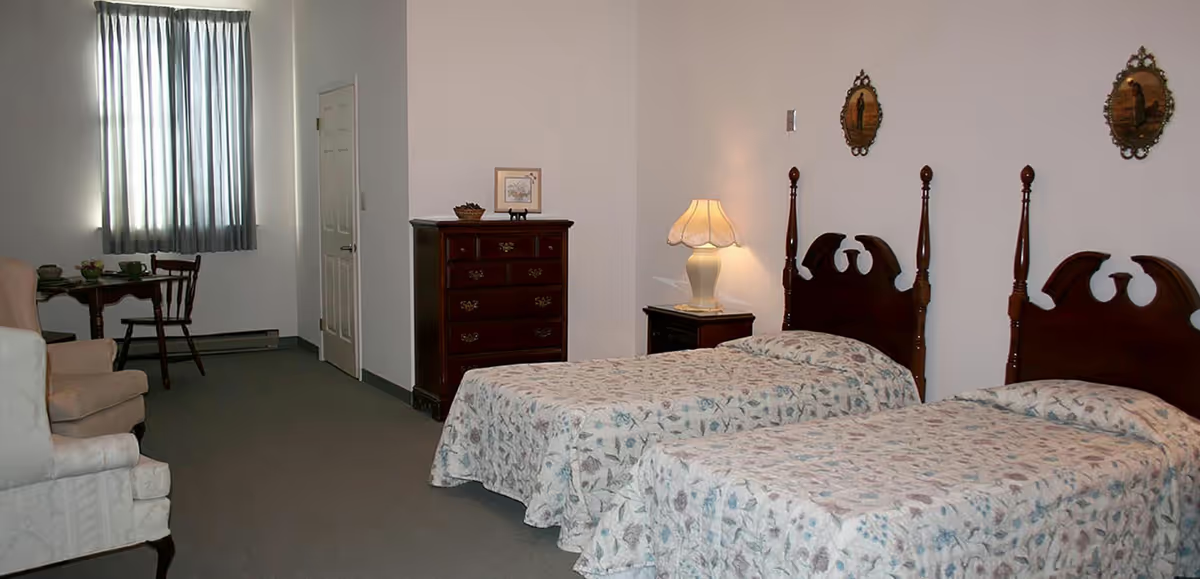
Facility layout and accommodations are a trade-off: attractive campus landscaping and cottage options coexist with smaller, sometimes dated studio rooms, narrow hallways, and a hilly site that can present accessibility and navigation challenges for residents with limited mobility. Several reviewers also flagged limited dining-room capacity or small social spaces as constraints for larger communal activities.
Management, administration, and business practices show mixed signals. Some families report responsive management and improved communication after ownership changes; others express concerns about billing, refunds, personal-property handling, and relocation processes. There are also more serious individual accounts, including allegations of financial exploitation and property mishandling and concerns about specific incidents of staff conduct; these are serious claims that warrant careful verification through direct questions, documentation, and regulatory checks.
Patterns to watch for when considering this community: ask for current staffing ratios and how coverage is handled during peak times; review medication-administration and documentation procedures; inspect a typical meal service; confirm how the facility screens and manages higher-acuity admissions and transfers to higher levels of care; inquire about safeguards for resident belongings and billing/refund processes; and evaluate accessibility for the specific mobility needs of the prospective resident. Overall, Paramount appears to offer strong physical amenities, a broad program of services, and many caring staff, alongside operational areas that prospective residents and families should probe further before committing.