Overall impression: Sugar Creek Care Center elicits strongly mixed impressions. Many comments emphasize a clean, welcoming facility with personable staff, a pleasant dining environment, and generally accommodating dietary service. At the same time, there are repeated operational concerns—most notably variable staffing and management changes—that appear to drive uneven experiences of care.
Care and staff: Numerous families and visitors described compassionate, capable caregivers, helpful nurses, and an engaged social-worker presence; several accounts emphasize staff who anticipate needs and provide reassurance. However, an important pattern is inconsistent staffing coverage. When staffing levels are constrained, families describe delays in responsiveness and gaps in day‑to‑day attention. There are also a small number of serious concerns about clinical communication around end-of-life events; these accounts point to the need for clearer clinical protocols and improved family communication during critical incidents.
Dining and nutrition: Dining is a relative strength in many accounts. The facility is described as offering flexible meal plans, accommodating special diets, generous portioning, and a dining room that resembles a home setting rather than an institutional cafeteria. That said, there are occasional notes about slow meal service and crowded dining times, implying that meal-service timing and dining capacity can be inconsistent depending on demand and staffing.
Activities and memory care: Common areas and general units are described as comfortable with activities available for residents. In contrast, the memory‑care/Alzheimer's unit is a recurrent area of concern: reviewers reported limited programming, inadequate space, and insufficient supervision for residents with cognitive impairment. These operational shortcomings are associated with wandering and property-misplacement issues; prospective families should clarify staffing ratios, program schedules, and unit layout for memory care.
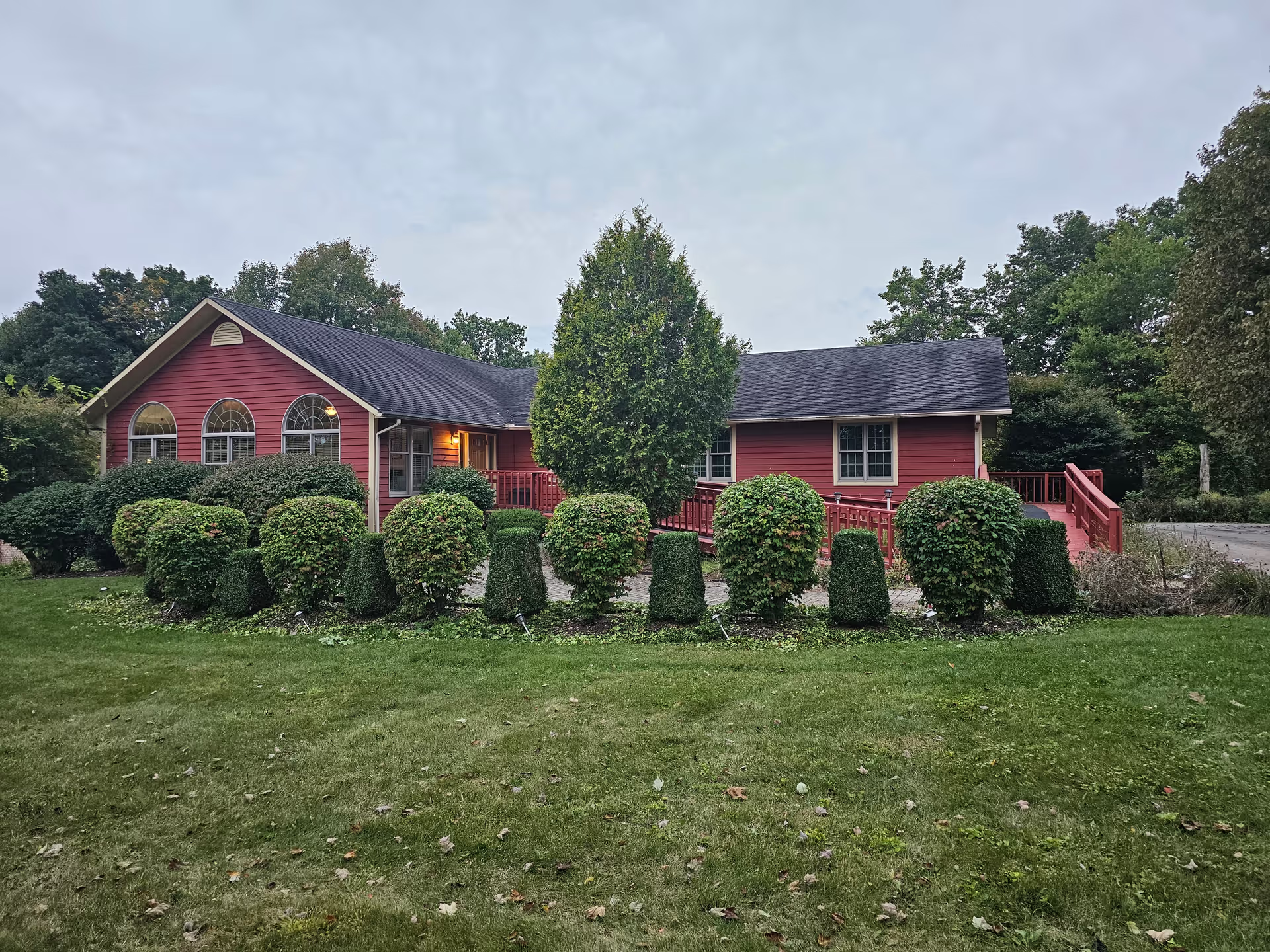
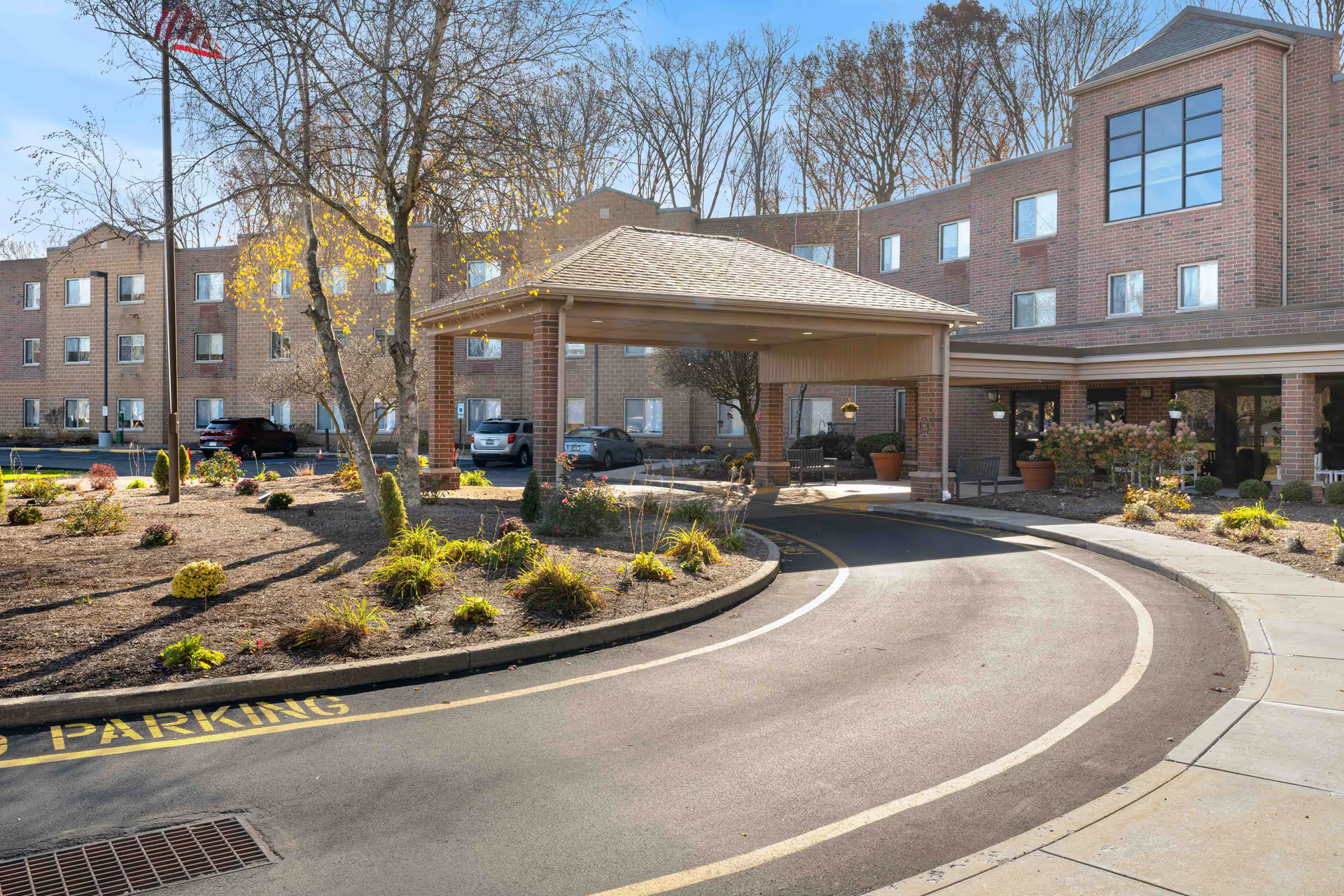
Facility condition and logistics: Many remarks praise the building’s cleanliness, calm lobby, clear signage, and security check-in process. Others describe older room layouts that feel hospital‑style, limited exit or access convenience, and occasional odor concerns in particular areas. The physical plant appears well maintained overall but with some limitations related to layout and capacity that affect resident experience.
Management and notable patterns: A noticeable theme is recent managerial change and staff turnover, which some families link to shifts in staffing, program offerings (for example, reduced pet availability), and workplace morale. Positive comments about individual caregivers coexist with concerns about continuity of care when personnel change frequently. For prospective residents and families, recommended due diligence includes: touring the memory‑care unit, asking for current staffing ratios by shift, reviewing end‑of‑life and emergency communication protocols, confirming pet or therapy-animal policies, and observing mealtime flow during a peak dining period.
Bottom line: Sugar Creek presents a mix of clear strengths—cleanliness, caring individual staff, and flexible dining—alongside operational weaknesses tied to staffing consistency, memory‑care programming, and certain facility layout limitations. These strengths and weaknesses can produce markedly different experiences depending on timing, unit, and staffing levels. Families should weigh the facility’s positive day‑to‑day features against its variability in supervision and clinical communication when making placement decisions.