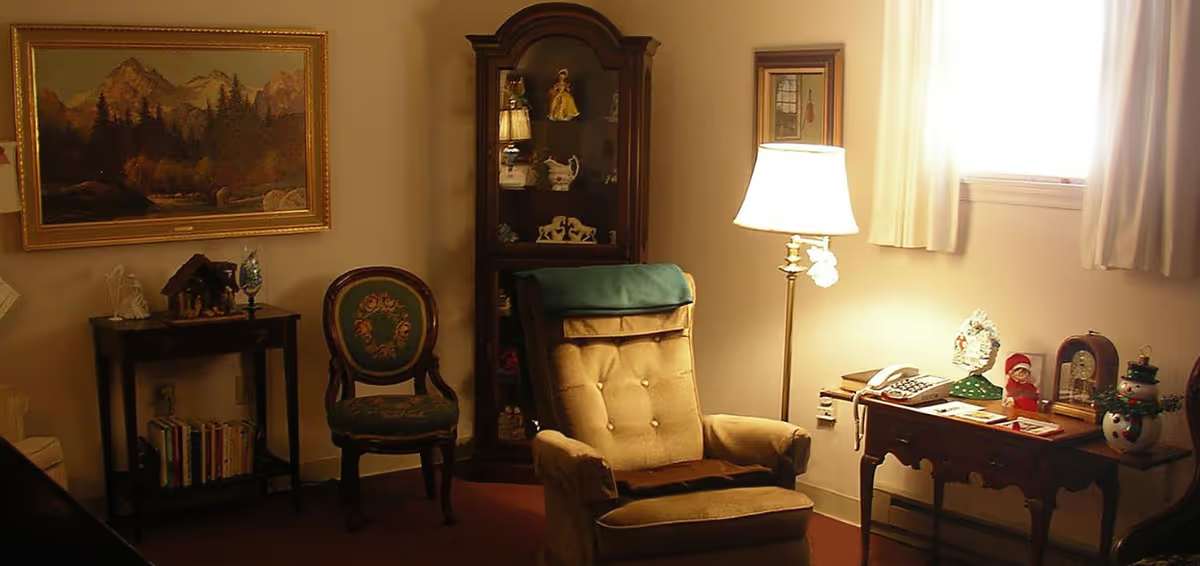
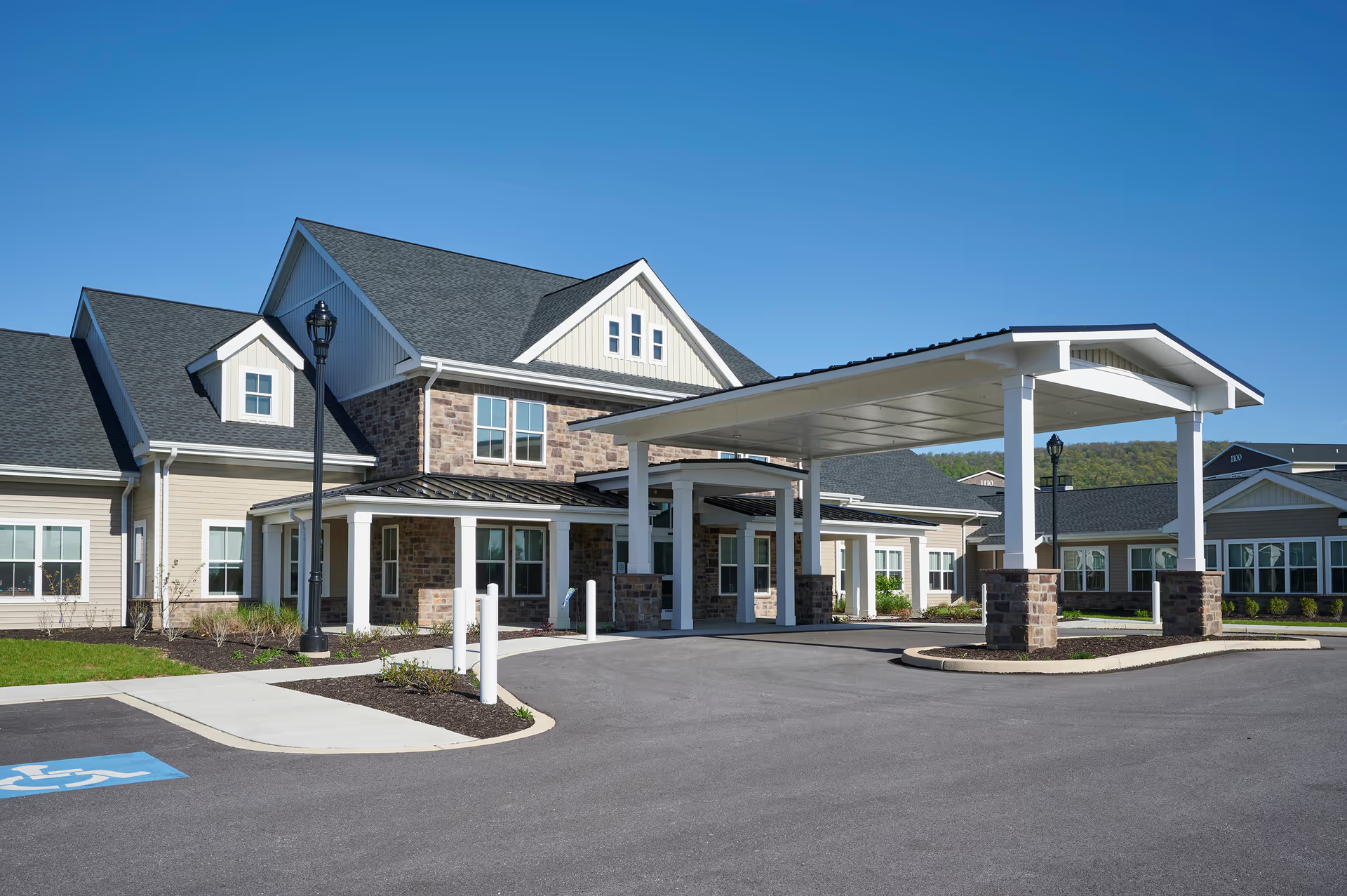
The Gardens at Gettysburg elicits strongly mixed but actionable impressions. A substantial number of families and residents praise the facility for its compassionate, resident-focused caregiving, particularly highlighting skilled physical and occupational therapy, an engaged activities department, and memory-care oversight. Reviewers consistently note individualized rehab plans, successful functional outcomes, social programming that supports resident engagement, and an administrative team that communicates proactively in many cases. The dining experience is often described positively, with generous portions and creative dietary efforts for special occasions. Common-area maintenance and a family-oriented culture are recurring strengths.
Alongside those positives, there are recurring operational concerns that prospective families should consider. Admissions and intake processes are described as inconsistent, with some reviewers noting paperwork errors and poor transfer documentation. Several comments point to communication and documentation gaps between shifts and departments, which manifest as medication-administration issues and questions about how medications and clinical instructions are tracked. Reviewers also described variability in staff responsiveness — long delays for assistance in some instances — and uneven nursing conduct and professionalism across units. There are also reports of sanitation and odor concerns in particular areas, which contrasts with other accounts of a clean facility.
Clinical follow-up after incidents is another pattern to assess. Some reviewers described insufficient post-incident assessment and follow-through, including early discharges and subsequent hospital readmissions; these accounts suggest opportunities to strengthen fall-response protocols, clinical reassessments, and family notification processes. Administrative errors — for example, incorrect forms or incomplete documentation — and occasional management instability were also cited as operational weaknesses that can affect the family experience.
Overall, The Gardens at Gettysburg appears to provide high-quality rehabilitative and day-to-day caregiving for many residents, supported by long-serving staff and an active life-enrichment program. At the same time, variability in admissions, medication management, timeliness of care, and certain sanitation areas represents an identifiable risk profile. Prospective residents and families should visit in person, meet the therapy and nursing teams, ask for specifics on medication-tracking and fall-response procedures, review recent inspection or quality reports, and clarify admissions paperwork and transfer protocols to make an informed placement decision.