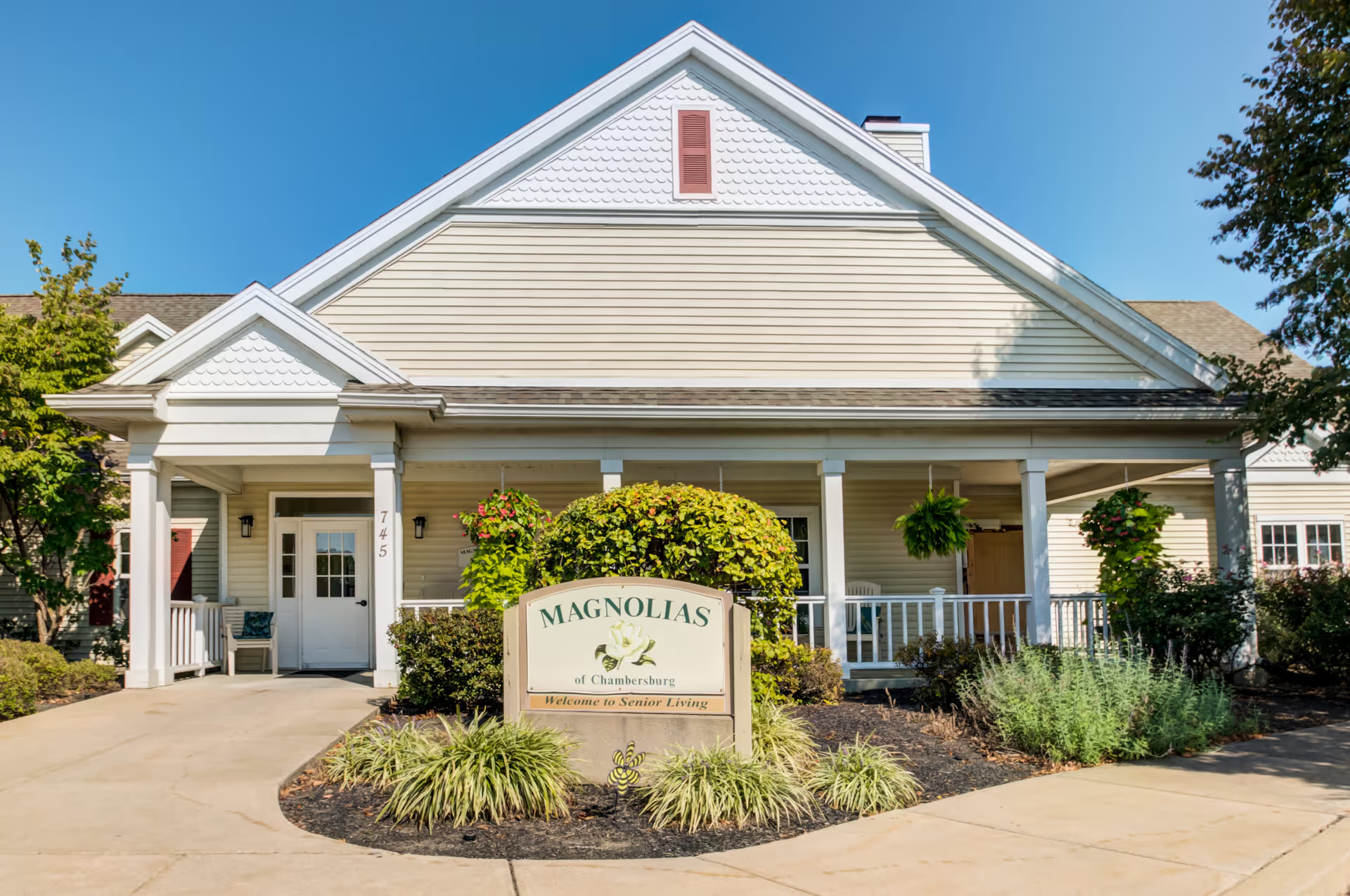
Reviews of Transitions Healthcare Gettysburg are highly polarized: many families describe attentive, compassionate caregivers and effective rehabilitation, while other accounts raise substantive concerns about care reliability, communication, and operations. Positive experiences emphasize a supportive atmosphere, strong therapy services, and a visible administrator presence; negative accounts underscore lapses in responsiveness, clinical continuity, and administrative transparency.
Care quality and clinical continuity are areas of mixed performance. Numerous reviewers praised nursing staff and physical-therapy teams for rehabilitative progress and hands-on attention; short-term rehab transitions and some end-of-life supports were described as seamless and comforting. Conversely, others described interruptions in therapy, delayed treatment responses, medication-management issues, and safety-practice gaps (for example, concerns about transfer and fall-prevention processes). These contrasting narratives suggest variability in day-to-day clinical oversight and in how consistently care plans are executed.
Staffing levels and staff conduct emerged repeatedly as drivers of both positive and negative experiences. Where staff were sufficient and engaged, families reported compassionate, family-like interactions and staff who ‘‘went above and beyond.’’ Where staffing was described as inadequate or overloaded, reviewers noted slow responses to call bells, longer waits for assistance, and a higher likelihood of service lapses. Management impressions were similarly mixed: some reviews highlight an approachable, knowledgeable administrator who responds to concerns, while others describe unprofessional or unresponsive management, billing disputes, and difficulties with insurance and pricing transparency.
Dining and activities show a similar split. The activities department receives consistent praise for engaging programming and social opportunities that residents enjoy. Dining experiences ranged from reports of nutritious, varied meals to criticisms of poor food quality, missing dining accommodations (for example, denture or hydration support concerns), and inconsistent meal service timing. Prospective families may want to sample meals and ask about dietary accommodations and meal-delivery protocols during a visit.
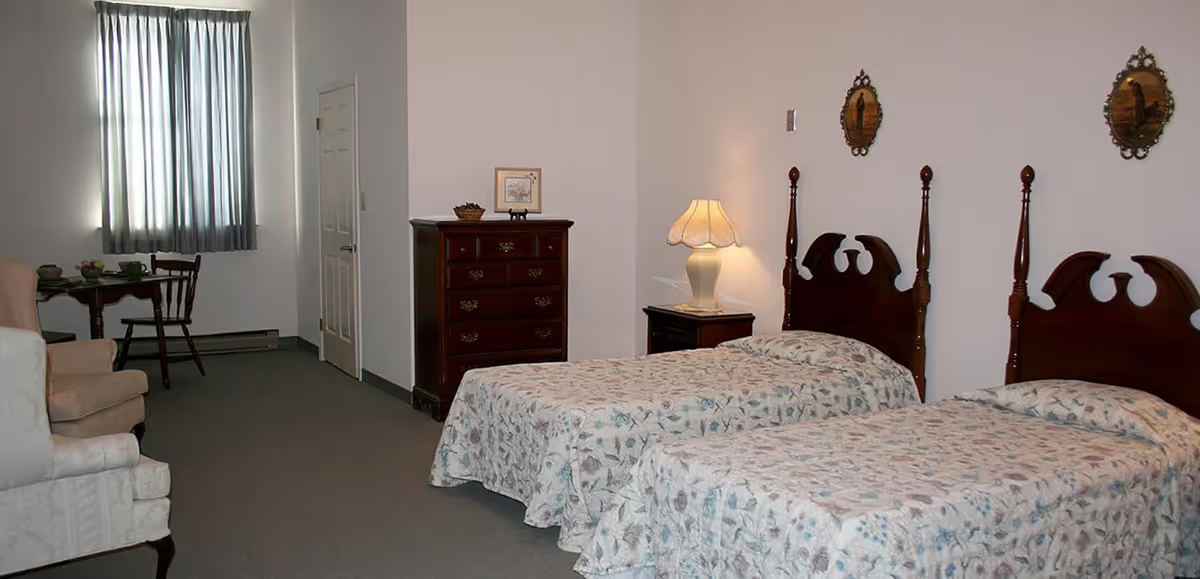
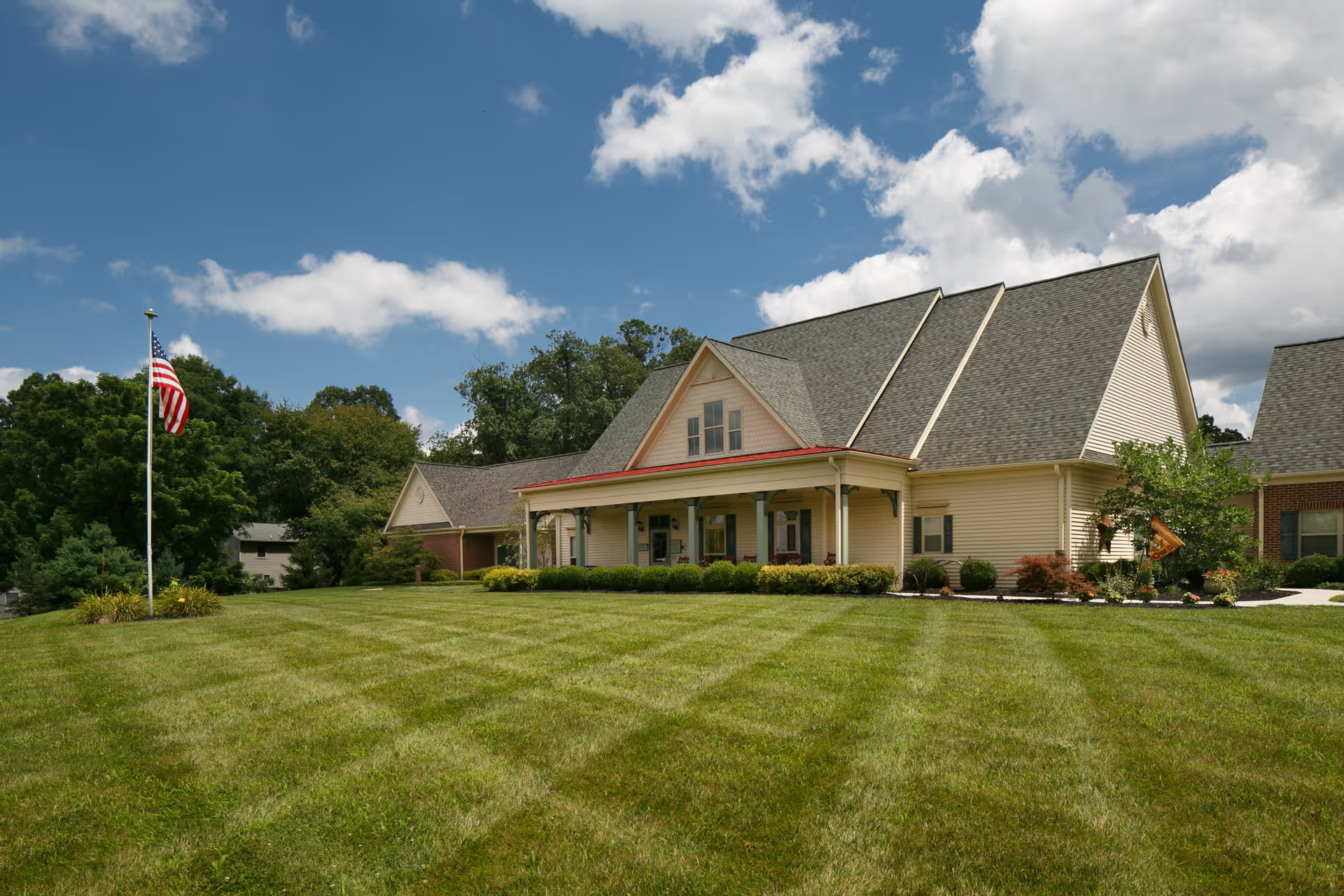
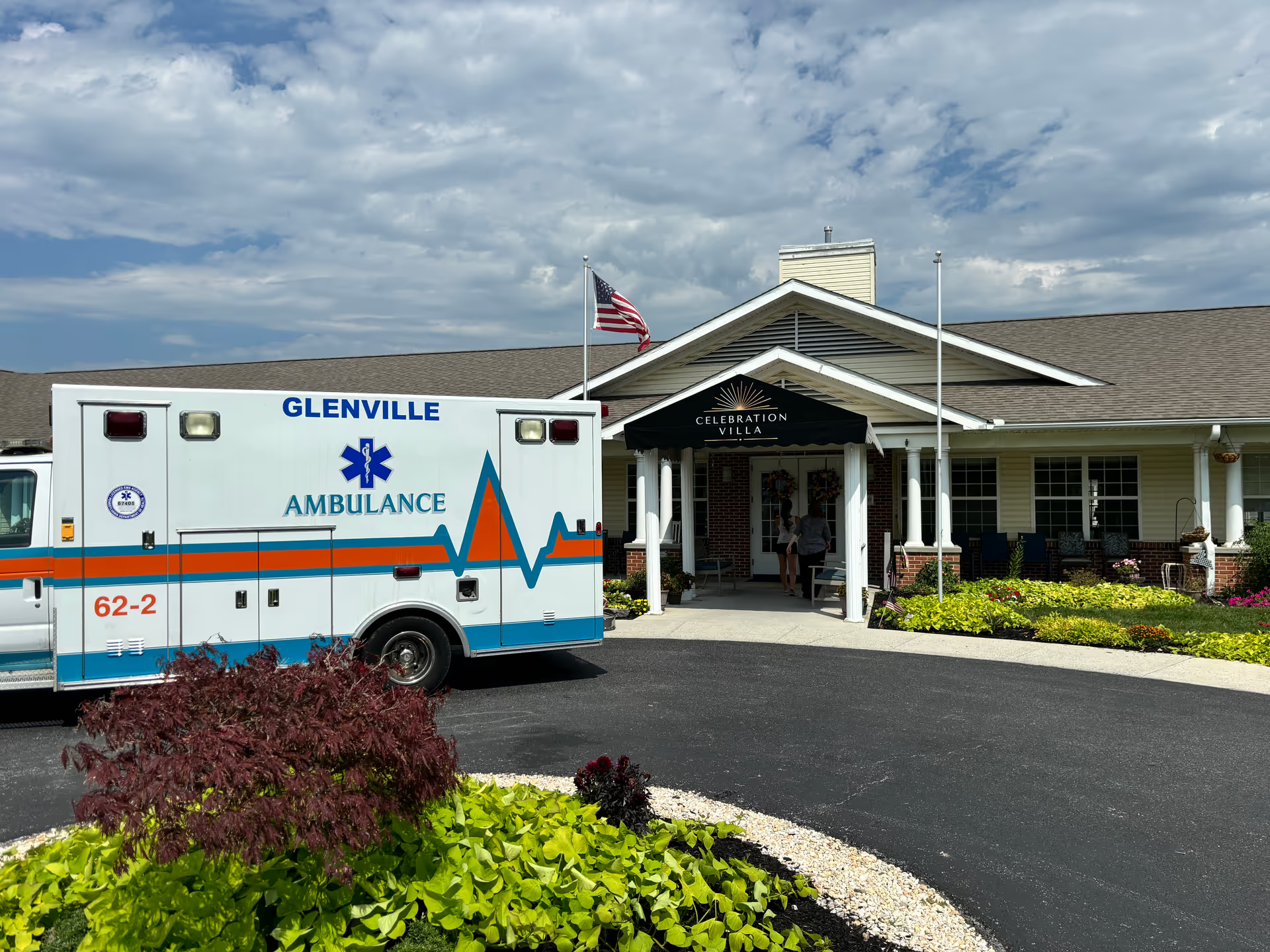
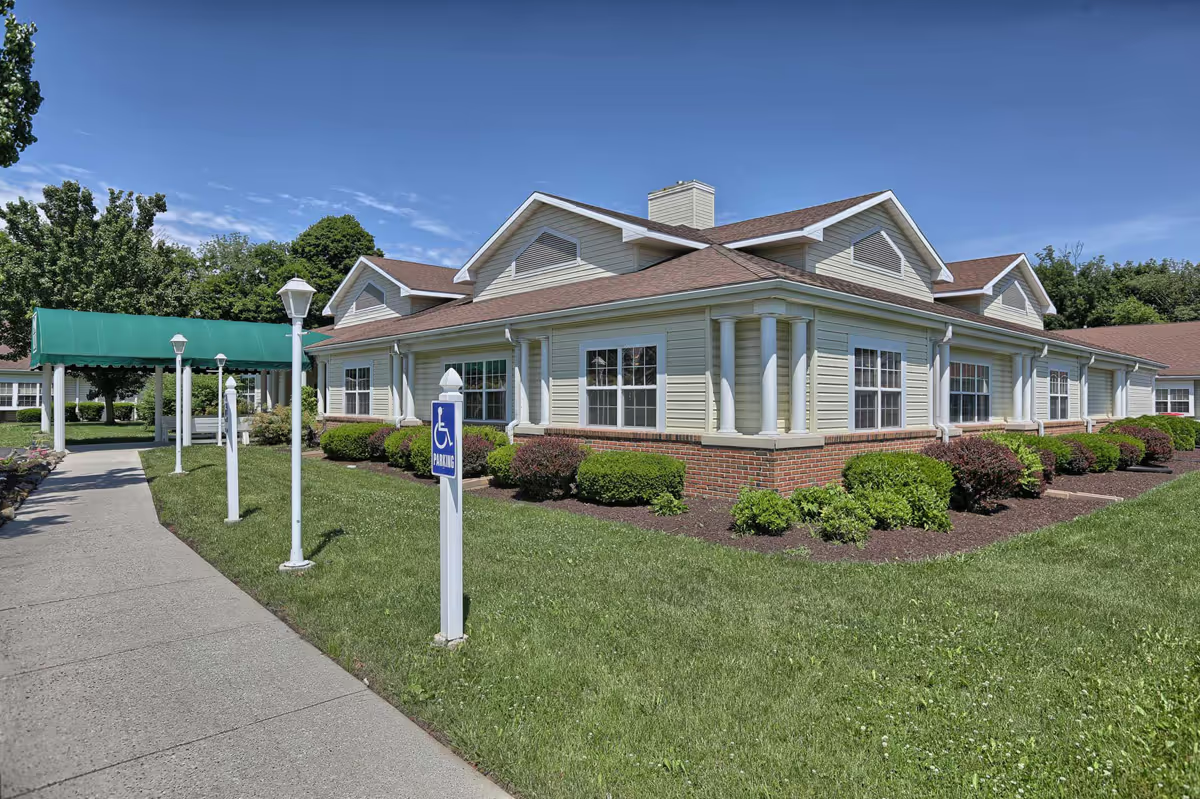
Facility condition and housekeeping were described both positively and negatively. Several reviewers described clean, welcoming common areas and comfortable, personalized rooms; others raised sanitation concerns, odor issues, and an aging facility that could benefit from updates. Pet-friendly policies and pleasant views were noted by some families. Operationally, reviewers also cited inconsistent room-move practices and occasional lapses in housekeeping responsiveness.
Notable patterns include variability tied to staffing levels, uneven communication with families (including notification practices around clinical events), and recurring billing or insurance-clarity issues. There are also serious governance concerns raised in a subset of reviews, including allegations of discriminatory conduct and instances that prompted regulatory or law-enforcement attention; these items merit direct inquiry during any evaluation. For families considering this facility, recommended steps include asking specific questions about staffing ratios and turnover, call-response metrics, medication-consent procedures, discharge and hospice transition planning, meal accommodations, and how the facility documents and communicates incidents to families and payers.