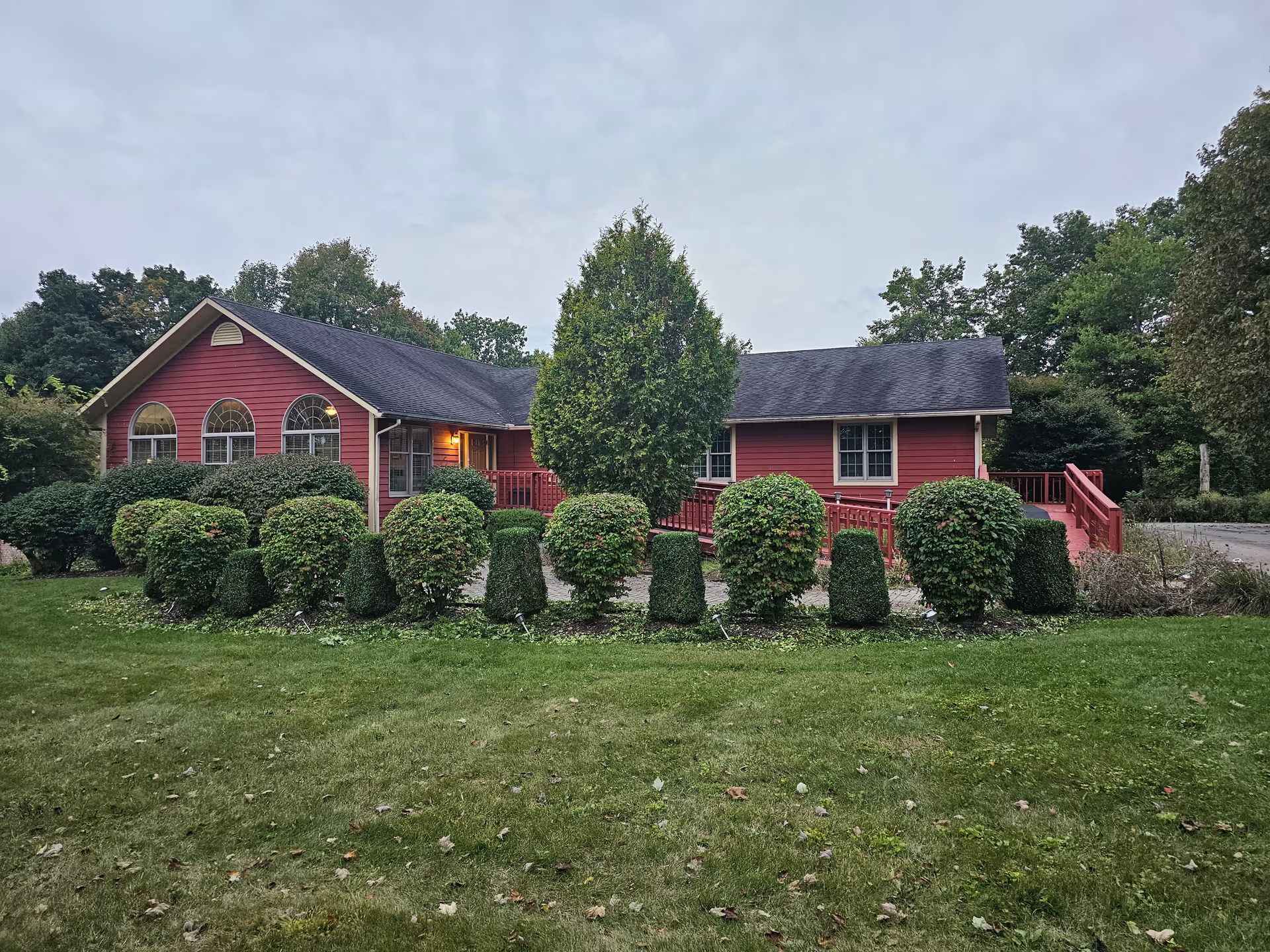
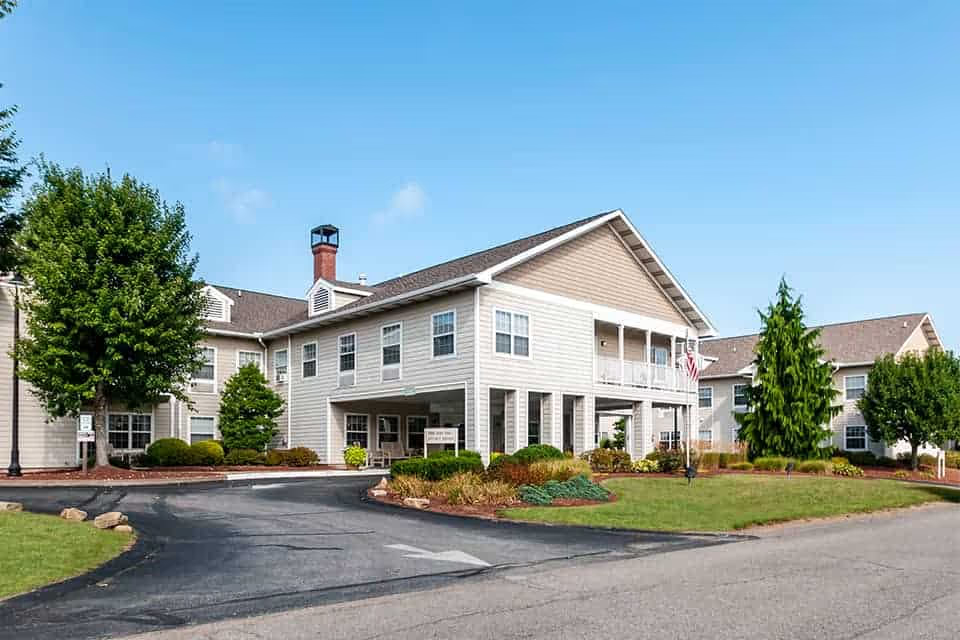
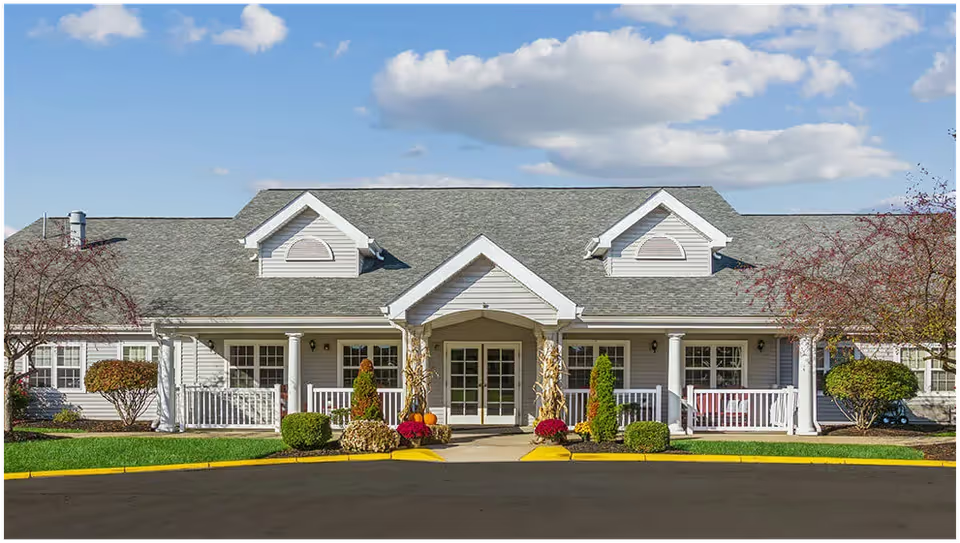
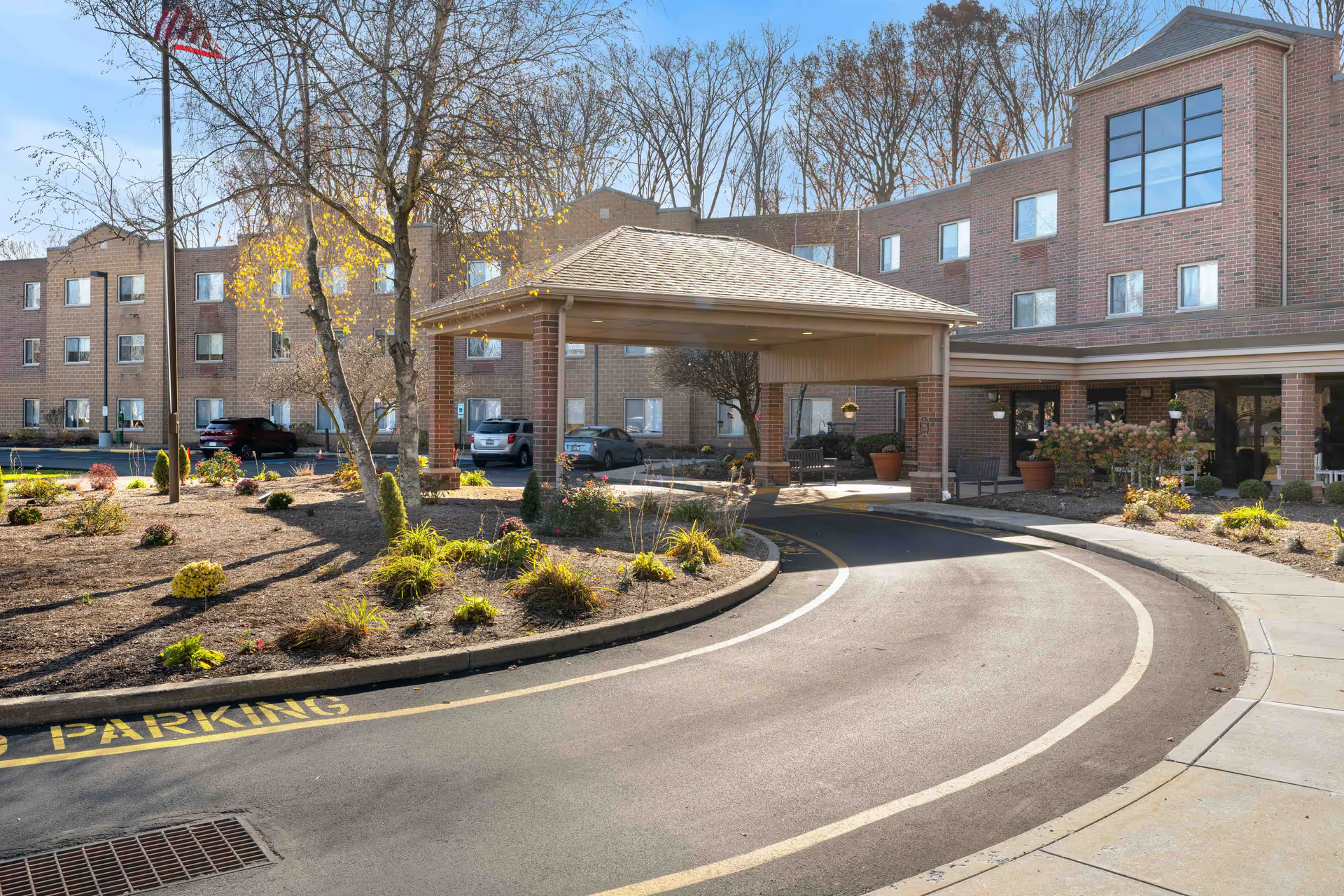
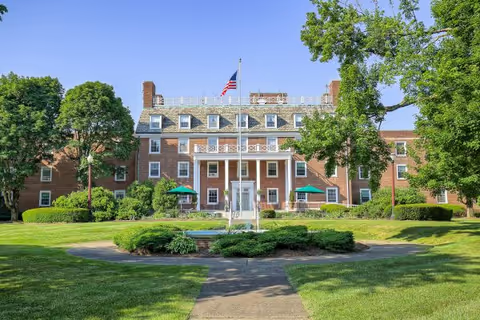
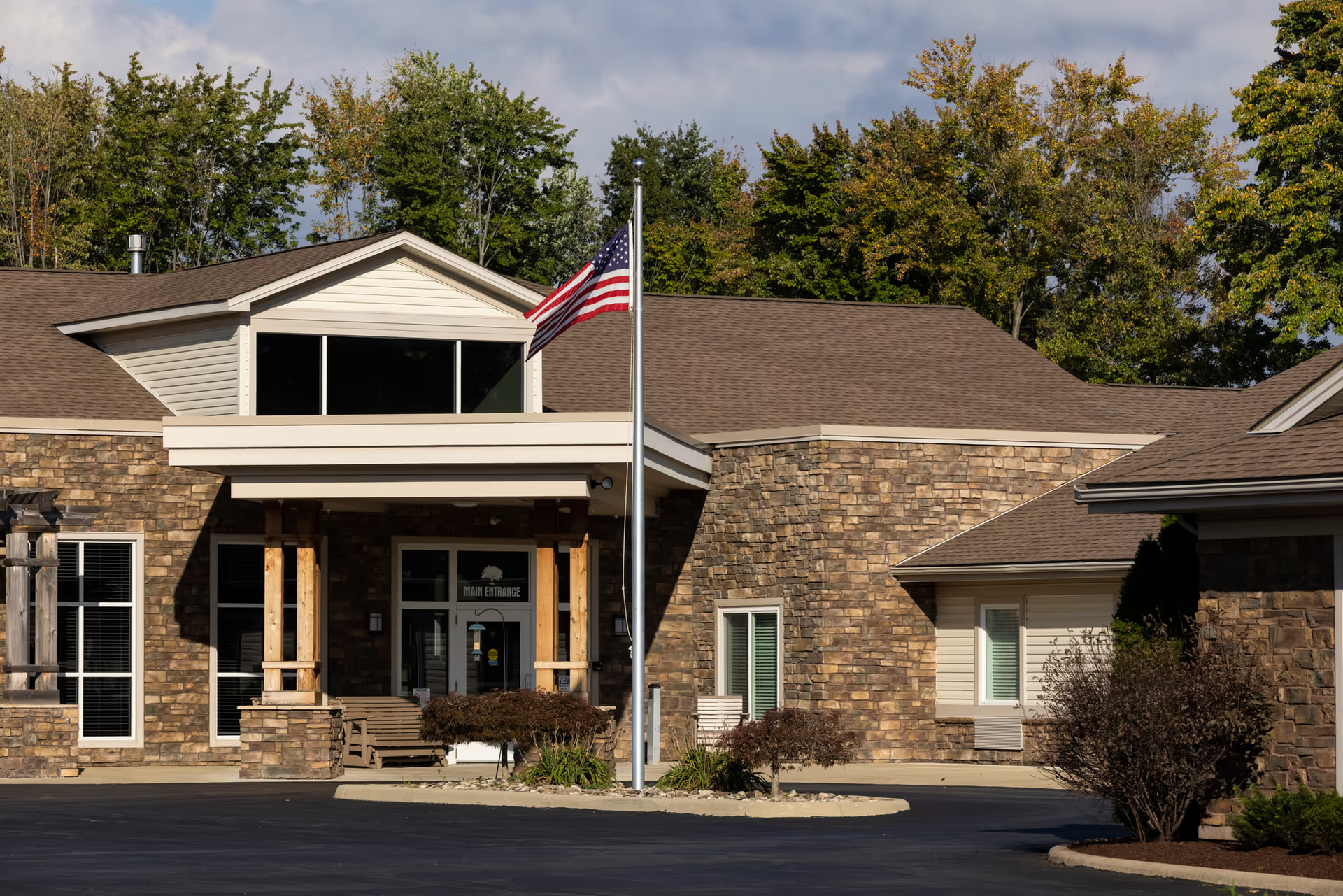
Orchard Manor elicits strongly mixed impressions. Many families and former residents praise the facility for compassionate direct care, a clean and well-maintained interior, and an active social program. Positive accounts emphasize attentive aides and nurses, a skilled rehabilitation team (physical and occupational therapy) that supports functional gains and discharge planning, and practical assistance with insurance and billing. Several reviewers described an environment that felt home-like, with well-prepared communal meals, family-friendly dining, holiday events, weekly activities such as bingo, church services, and on-site personal services like beauty/barber appointments.
Clinical care impressions vary. Positive feedback highlights effective rehab outcomes, thorough therapy sessions, and good coordination around discharge. Conversely, other accounts identify operational gaps: inconsistent staffing coverage across shifts, variability in medication administration and pain management, and missed or delayed laboratory follow-up. There are also concerns about inconsistent therapy scheduling and limited therapy time on some schedules. Together these items suggest variability in day-to-day clinical consistency that may affect resident experience.
Staffing, communication, and culture are a prominent theme. Multiple reviewers described kind, responsive caregivers and quick buzzer responses, while others raised concerns about rudeness or unprofessional conduct by certain staff, uneven communication between shifts or departments, and reliance on agency staff at times. Some reviews point to employee-treatment issues and allegations of retaliation that reviewers feel affect morale and, in turn, resident care. Family-communication and complaint-handling processes were described as inconsistent; a subset of reviewers felt escalation pathways were not always effective.
Dining and amenities are generally seen as strengths, with many noting enjoyable meals, attentive kitchen staff, and family-friendly dining; however, there are comments about limited special-diet options—specifically diabetic-menu availability—and occasional variability in food quality. The facility’s physical environment and activities programming receive consistent praise for cleanliness and social engagement, and several families specifically noted positive dementia-care approaches.
For prospective residents and families: Orchard Manor has clear strengths in rehabilitation programming, social activities, and a generally clean, welcoming setting with many staff who are described as compassionate and responsive. At the same time, the facility displays patterns of inconsistent operational performance—notably around staffing consistency, medication and clinical follow-up, therapy scheduling, and complaint resolution. When evaluating Orchard Manor, it would be prudent to ask direct questions about staffing levels across shifts, medication-administration protocols, laboratory and monitoring procedures, special-diet accommodations, and the facility’s process for handling family concerns. A site visit during different shifts and conversations with the therapy team and nursing leadership can help clarify how consistent the facility’s positive practices will be for an individual resident.