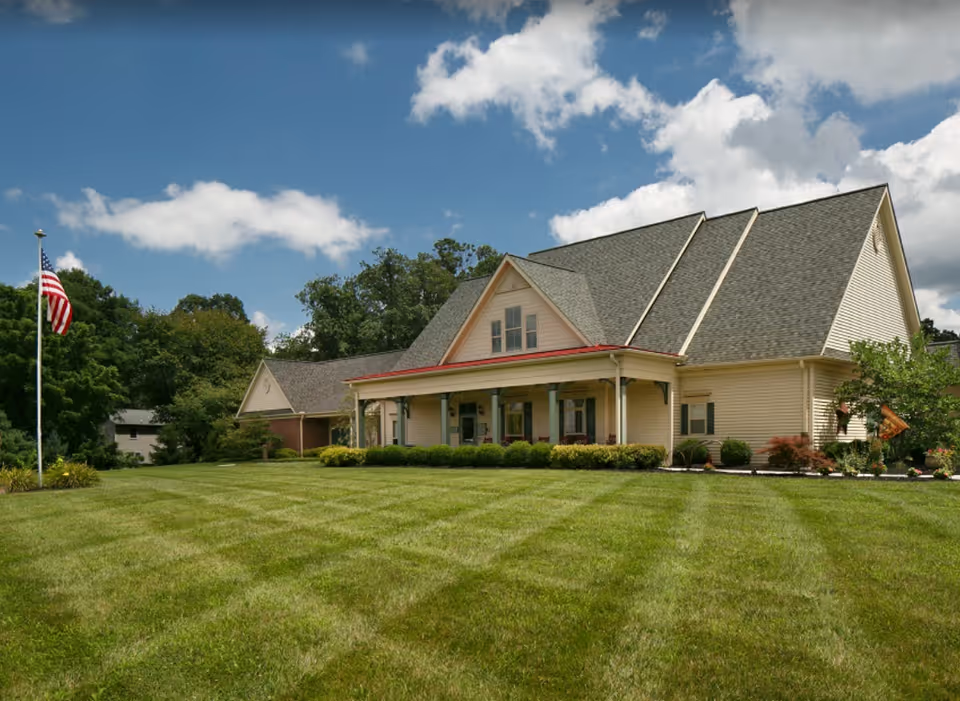
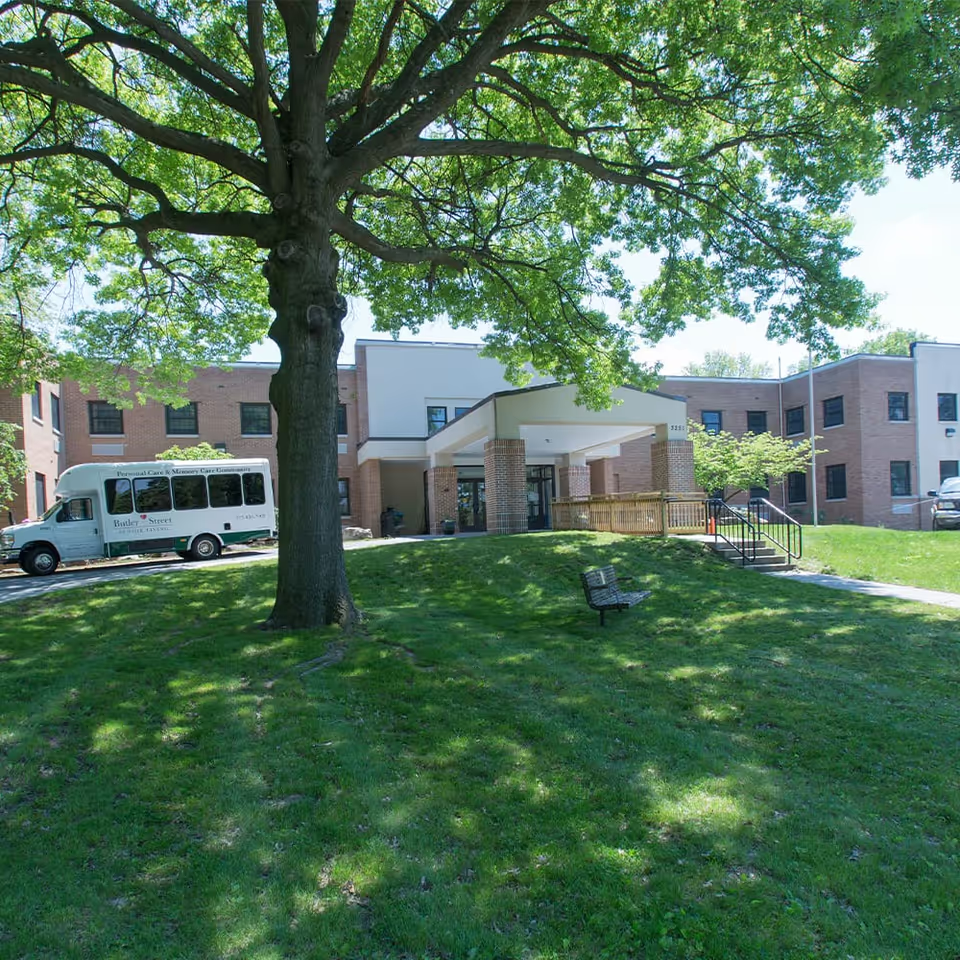
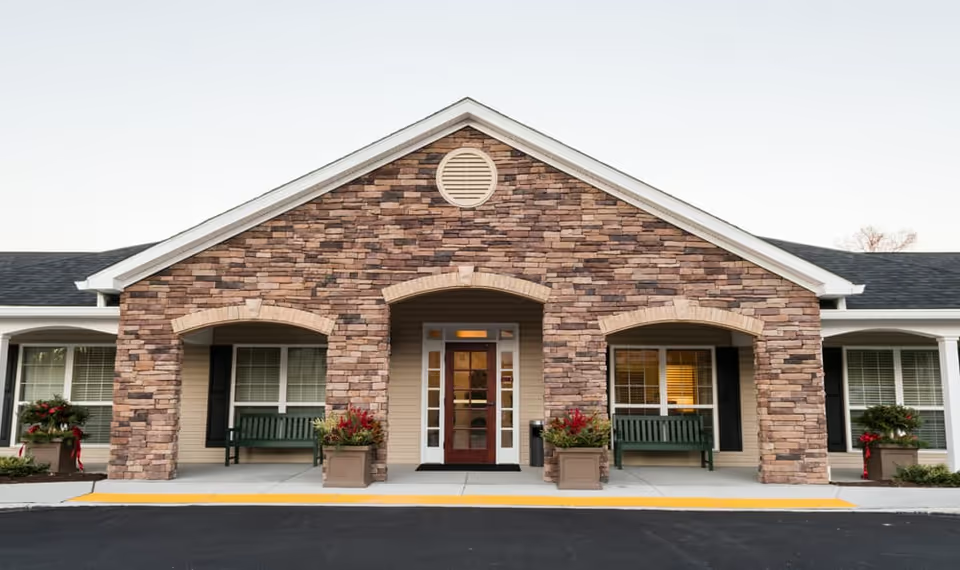
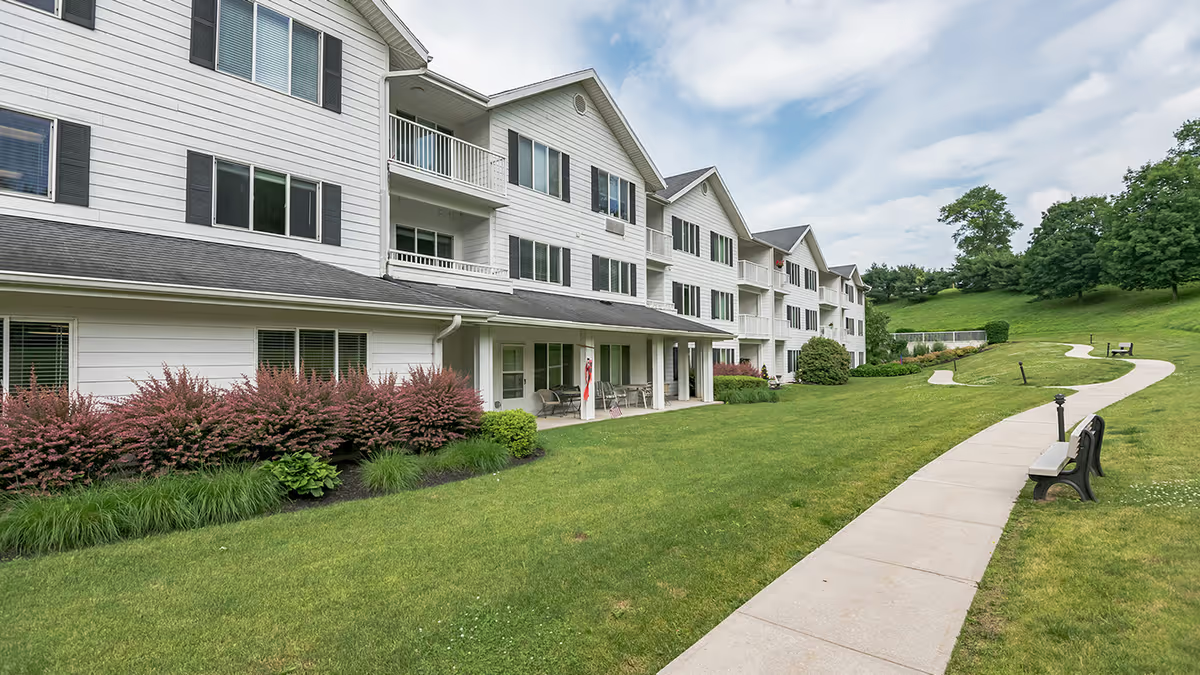
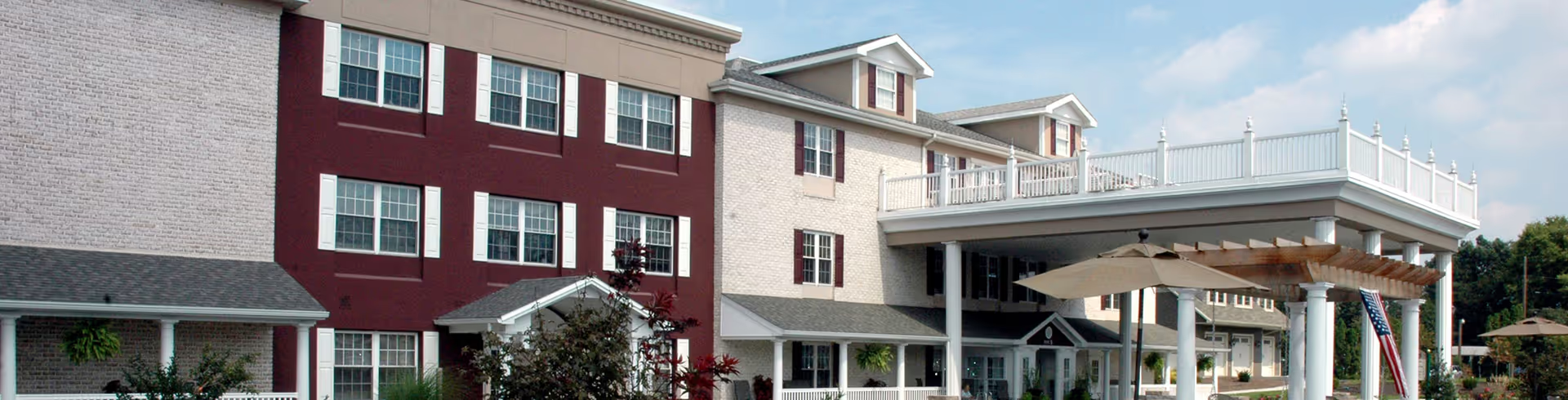
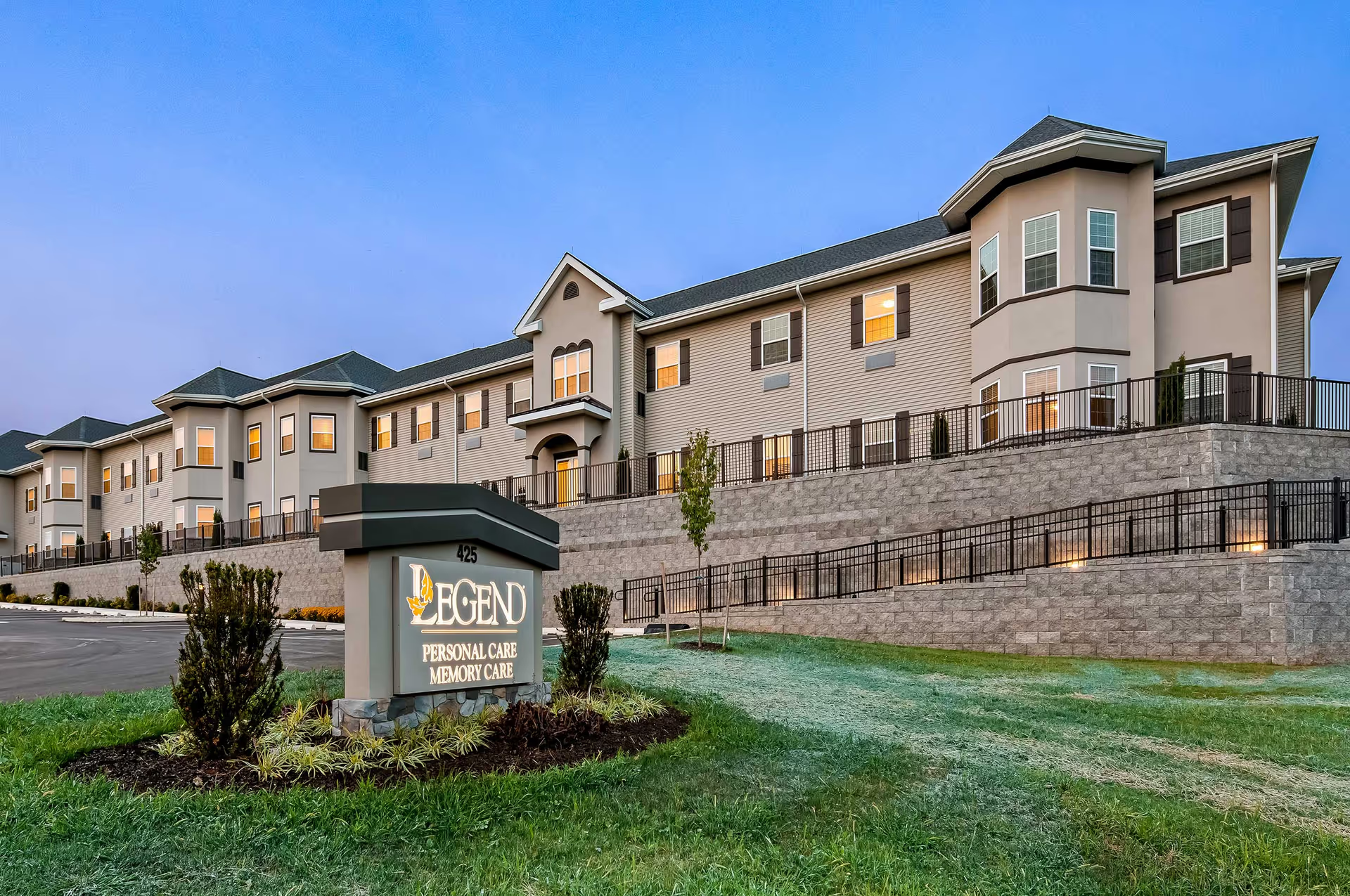
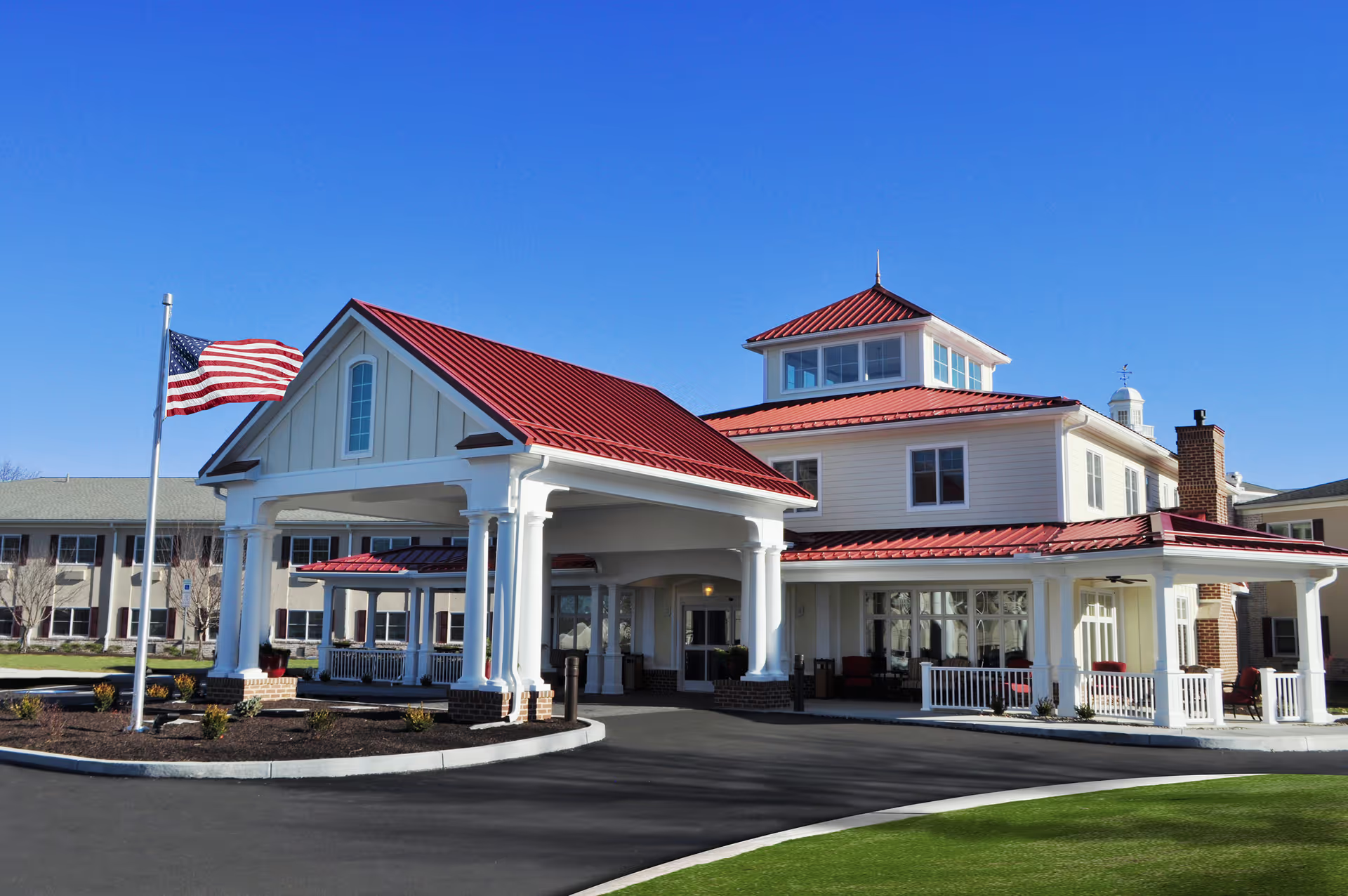
Arden Courts of Susquehanna is consistently characterized by families as a purpose-built, dementia-focused memory-care community. The facility’s design — four color‑coded neighborhoods with small dining rooms and easy access to secure courtyards and walking paths — supports predictable routines and supervised mobility. Many families noted the clean, bright, and home‑like environment; the campus layout and outdoor spaces are repeatedly cited as helpful for managing exit-seeking and wandering behaviors while preserving resident independence.
Care quality and staff performance are the most commonly praised elements. Reviewers highlight compassionate, long‑tenured caregivers and attentive nursing staff who provide 24/7 supervision, hands‑on cueing, grooming, and individualized support. Several families described proactive clinical coordination (including physical therapy and responsive nursing communication), strong end‑of‑life sensitivity, and prompt move‑in support from dedicated memory‑care advisors. At the same time, some accounts point to variability in staffing levels and occasional turnover, which can affect continuity of care and the day‑to‑day resident experience.
Programming and activities are a clear strength. Residents have access to a broad calendar of engagement opportunities — from art therapy, cognitive games, and balloon volleyball to music, pet therapy, and garden activities — that reviewers say improves quality of life and reduces anxiety. The community also offers practical on‑site services such as a salon and therapy visits, and many families appreciate frequent photo updates, FaceTime options, and flexible visitation that support family involvement.
Dining and operations receive mixed comments. Many reviewers praise appetizing meals served in small communal dining rooms and individualized meal options, but other families reported inconsistent meal quality. Administrative experiences similarly vary: several reports commend helpful, informative admissions staff and memory‑care advisors who ease transitions, while other accounts describe front‑desk communication gaps or slower administrative responsiveness.
Facilities and safety features are generally seen as strong — secure access controls, bright rooms, well‑maintained landscaping, and an intimate community size are repeatedly cited as positives. Noted operational drawbacks include relatively small private rooms, a higher price point with buy‑in fees, occasional concerns about medication‑management practices, and limited capacity to move residents into higher‑acuity skilled nursing within the same organization. A small number of families also raised concerns about personal‑property handling.
Overall, Arden Courts Susquehanna is presented as a high‑quality, specialized memory‑care option with many families reporting substantial improvements in resident well‑being and strong, compassionate caregiving. Prospective families should weigh those strengths against the facility’s cost, room size, and the potential for variable administrative or staffing issues, and they may wish to ask admissions about medication protocols, staffing continuity, private‑room dimensions, and transition pathways to higher levels of medical care before deciding.