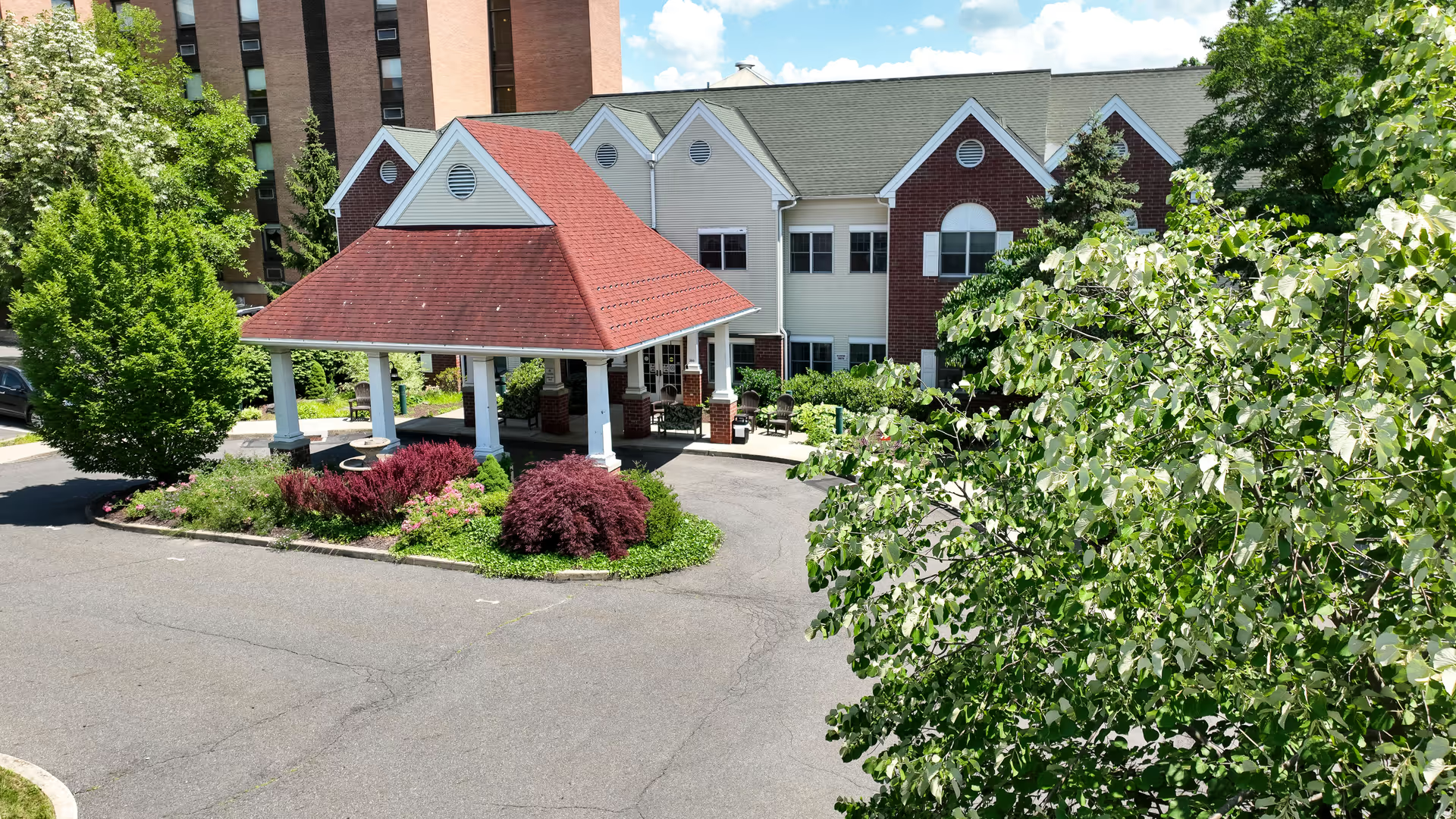
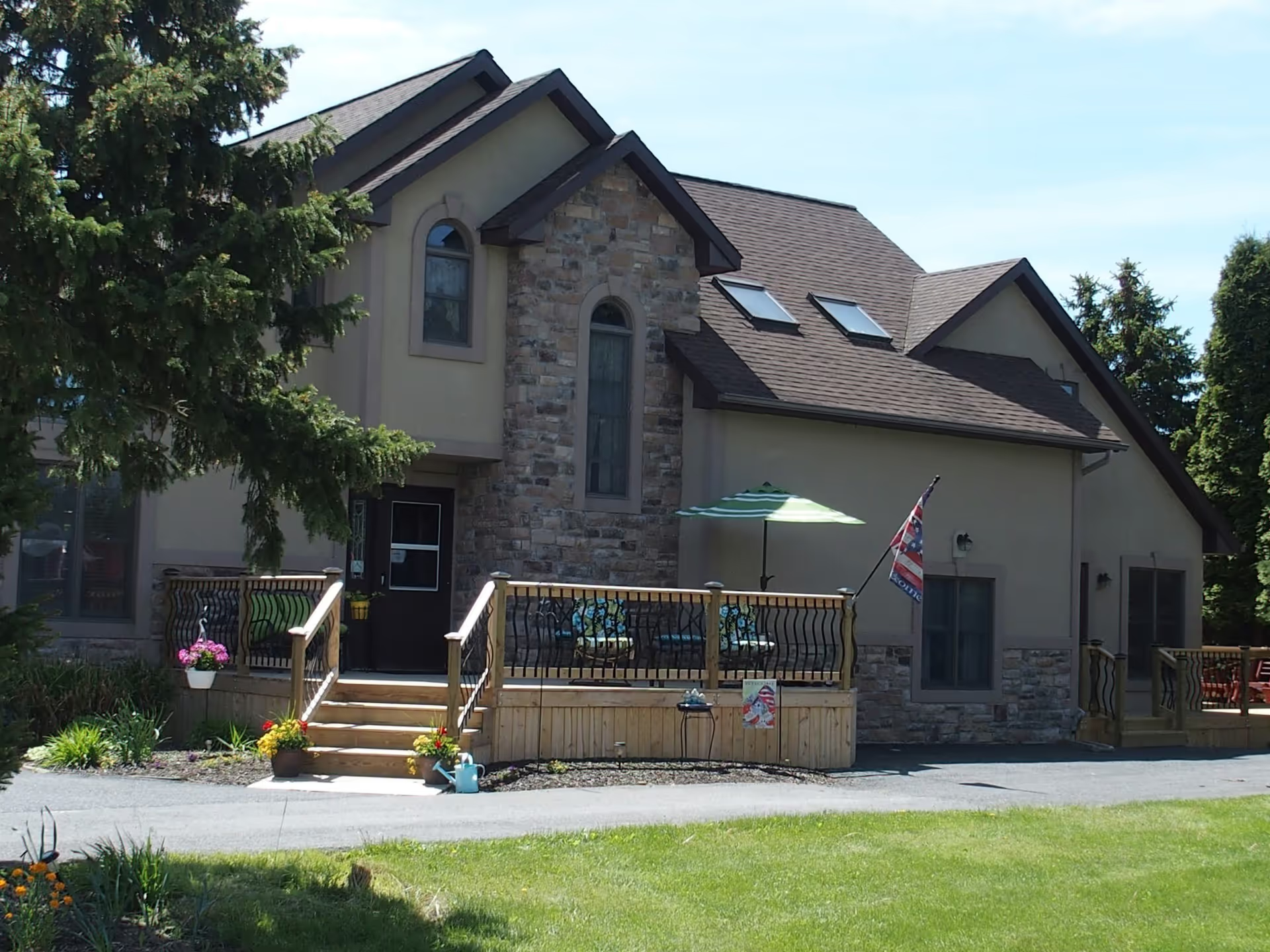
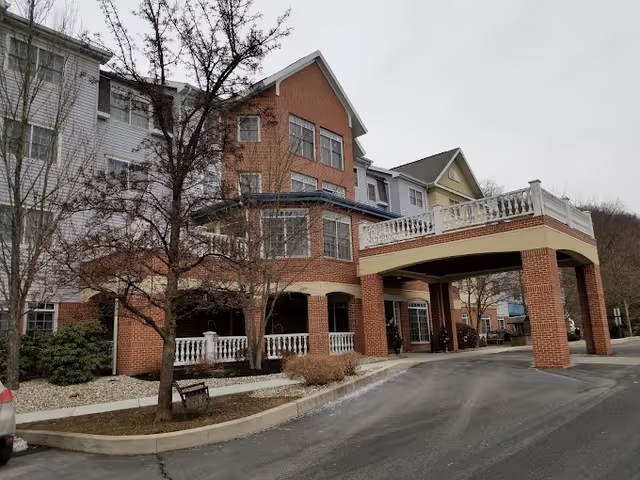
The reviews present a mixed picture with clear operational strengths alongside several significant areas of concern. Facility-level strengths include strong environmental maintenance and cleanliness, organized units with professional nursing presence, and visible safety measures such as fall-reduction programs and protective observation/watch protocols. Residents’ rooms are described as comfortable and clean, and many reviewers indicate that activities are engaging and have a positive effect on resident mood and socialization.
Care quality appears to be variable. Clinical organization and supervised nursing are identified as positives, but there are notable reports of medication-management errors and equipment/transfer-related incidents. These suggest gaps in medication administration controls and transfer/equipment safety procedures that warrant review. At the same time, fall-reduction measures and protective observation practices are described as effective, indicating that some clinical-safety systems are functioning well.
Staff behavior and communication are inconsistent across accounts. Families and residents describe helpful, friendly caregivers and professional nurses in some cases, while other reports describe concerning tones or dismissive interactions. This variability points to uneven staff training, supervision, or staffing patterns that influence residents’ day-to-day experience.
Dining and nutrition show contrasting feedback. Some reviewers find meals accommodating and responsive to preferences, while others raise concerns about food quality and portion size, and the potential for inadequate nutrition for some residents. This pattern suggests inconsistent meal preparation or service continuity rather than a single universal standard.
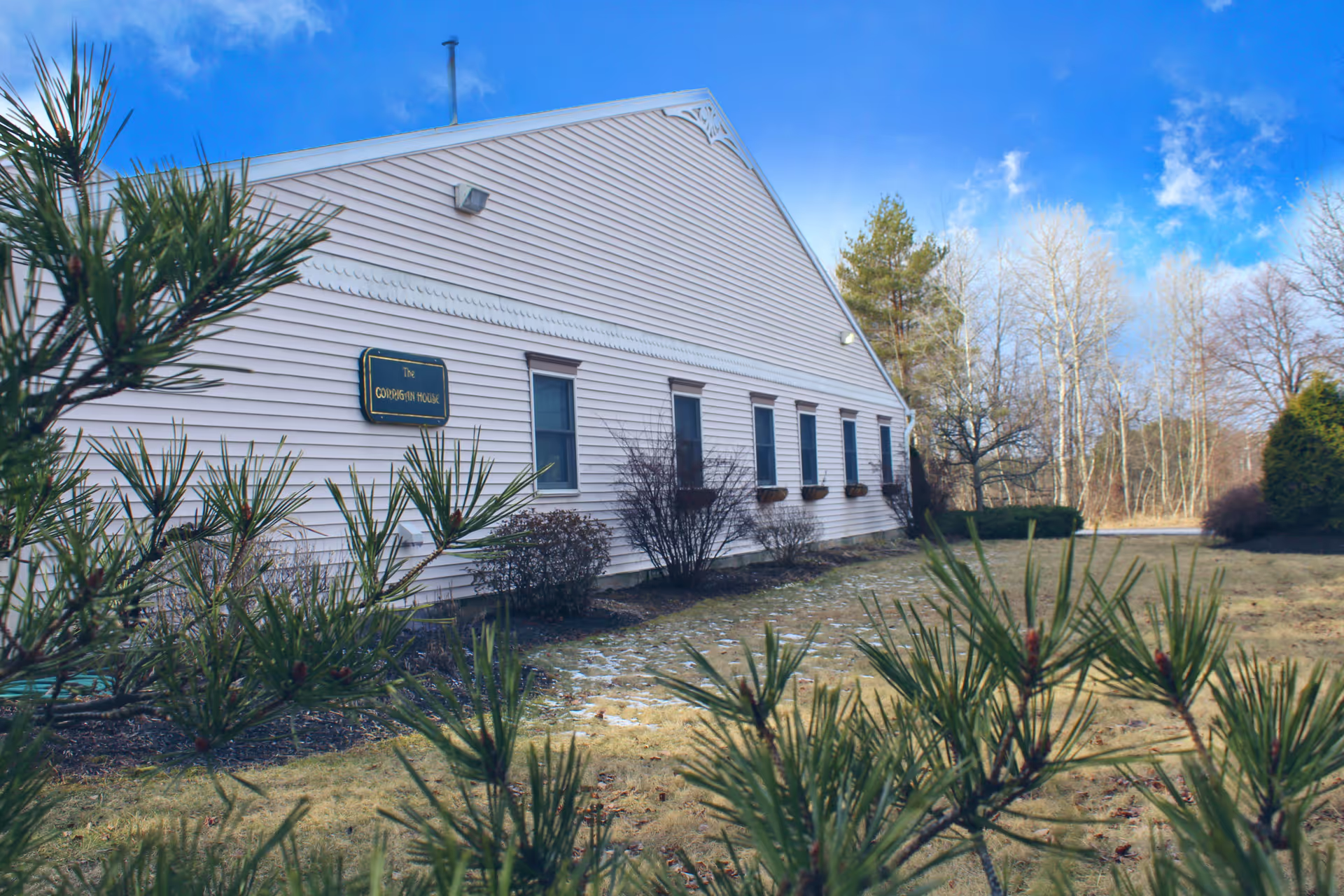
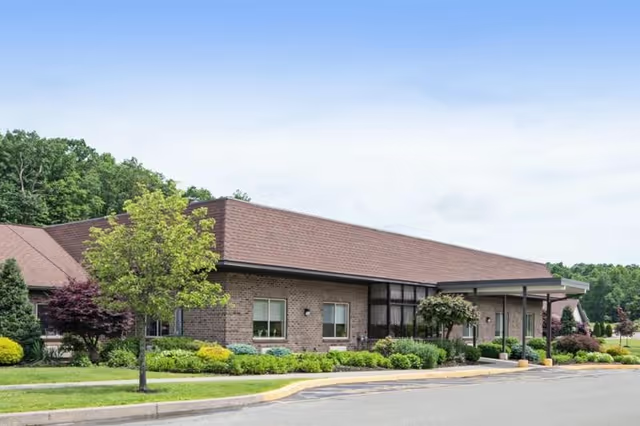
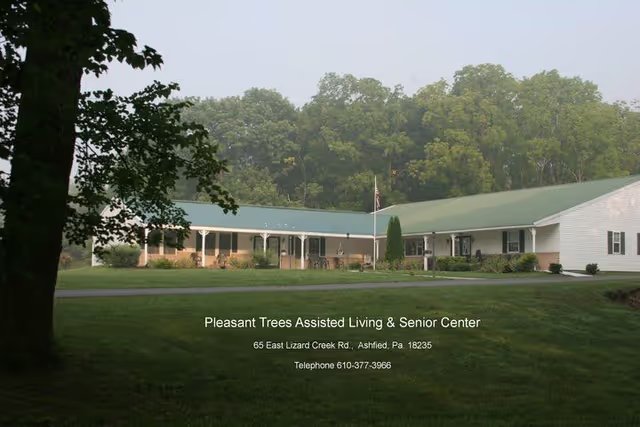
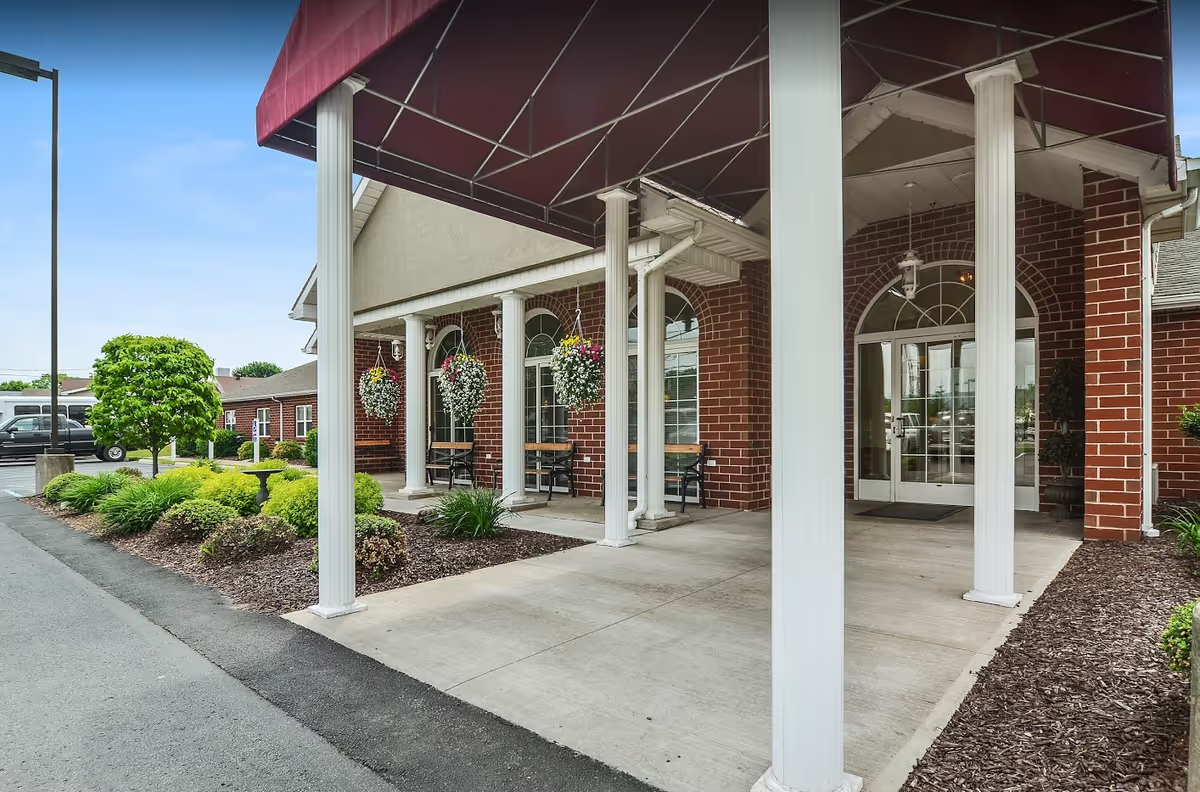
Activities and social programming are a relative strength; reviewers note engaging programming and improvements in resident mood and cooperation. The physical plant and common areas are consistently described as well maintained, supporting a pleasant environment when other care elements are functioning.
Taken together, the pattern indicates an institution with solid infrastructure and some effective clinical programs, but with operational variability that affects resident experience and safety in key areas: medication administration, equipment/transfer protocols, food quality/portioning, and consistent staff conduct. Prospective residents and families may want to ask management about medication-safety protocols, staff training and supervision practices, equipment maintenance and transfer procedures, staffing ratios across shifts, and dietary accommodations to understand how the facility addresses these gaps and sustains its documented strengths.