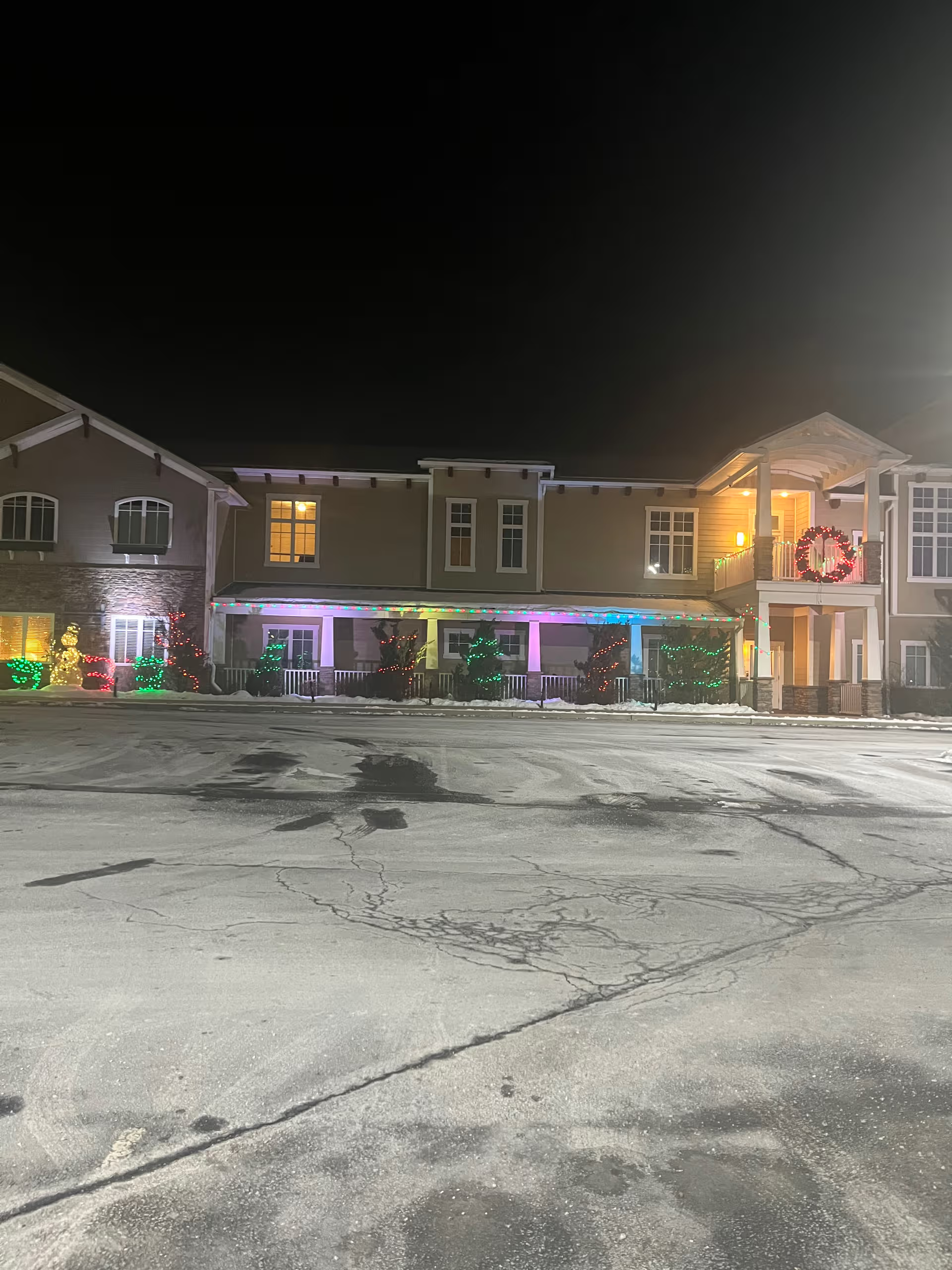
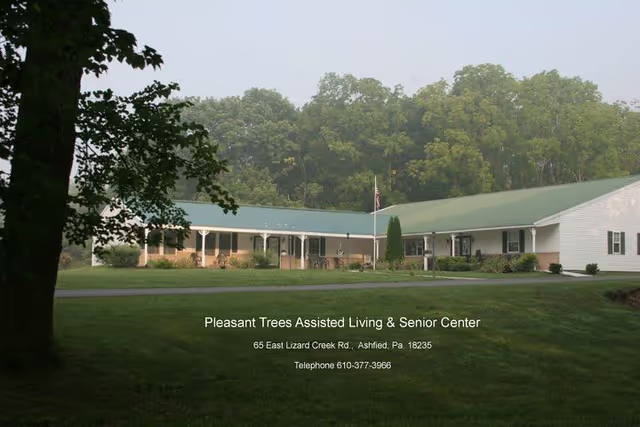
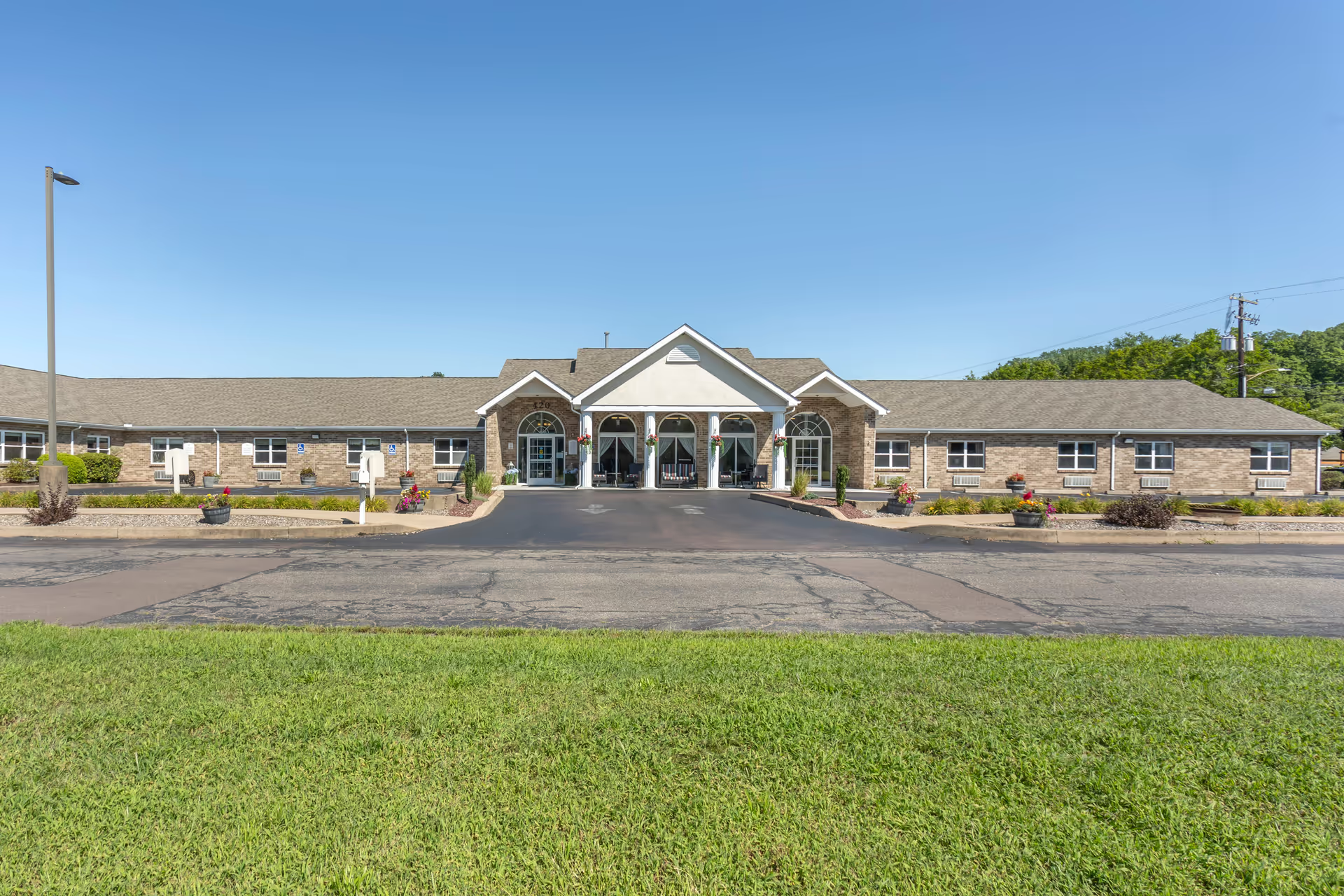
Mountain City Nursing & Rehabilitation Center elicits highly polarized impressions. Many reviewers praise the hands-on caregiving teams — CNAs, nurses and therapists — describing them as compassionate, knowledgeable and effective, particularly in short‑term rehabilitation settings where physical and occupational therapy often achieve good outcomes. Families frequently highlight helpful social work during admission, an engaging activities program (daily options and local outings), reliable laundry services, and periods of strong, transparent administrative communication with family meetings and an open‑door approach.
At the same time, a substantial thread of concerns centers on operational consistency. Staffing levels and turnover are repeatedly cited as drivers of delayed responses to call lights, inconsistent bathing and incontinence care, and uneven day‑to‑day care quality. Reviewers link these staffing challenges to long call‑response times, variable staff competence between shifts, and occasional supply shortages for basic clinical and housekeeping items. Several accounts raise alarms about medication-management practices and pharmacy controls, and a few describe serious clinical and reporting problems that families found troubling.
Dining and activities present a mixed picture. The activities program and social opportunities are seen as strengths, and meals sometimes offer choices and accommodating options. However, meal quality and timing are described as inconsistent — with examples of late meals for residents with dietary needs and perceptions of low‑freshness offerings.
Facility condition and maintenance are also variable. Maintenance responsiveness and a generally welcoming, homelike atmosphere are positive themes, but other reviewers note sanitation and odor concerns in some areas, infrastructure reliability problems (elevators, laundry equipment), and periodic breakdowns that affect service continuity. Security and incident-response processes are another area of concern for some families.
Management and leadership experiences differ markedly across time and individuals. Several reviewers single out administrators who were highly communicative, empathetic and proactive in addressing issues; other reviewers describe poor follow‑through, unreturned calls, inconsistent scheduling communication, and unsatisfactory billing support. This variability suggests that leadership changes and uneven administrative practices contribute to the facility’s mixed reputation.
Overall, Mountain City demonstrates substantive strengths in therapy, individual staff compassion, and community programming, but it also shows recurring operational weaknesses: inconsistent staffing and supervision, lapses in basic care responsiveness and medication controls, variability in cleanliness and meal quality, and uneven administrative communication. Prospective residents and families would be advised to tour the facility, ask specific questions about current staffing ratios, medication-safety protocols, infection-control measures, security procedures, and how the facility manages patient population mix and turnover in leadership. These targeted inquiries can help determine whether the current operating environment aligns with their care expectations.