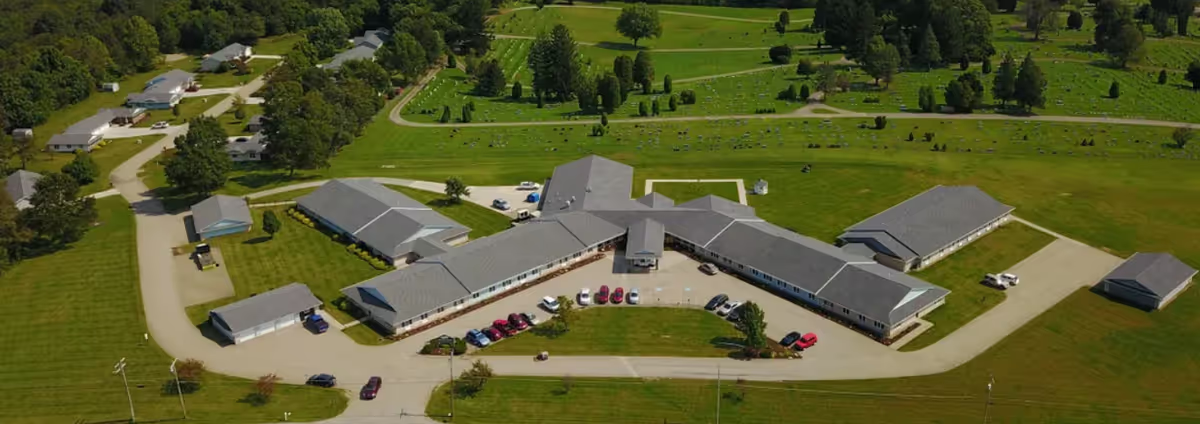
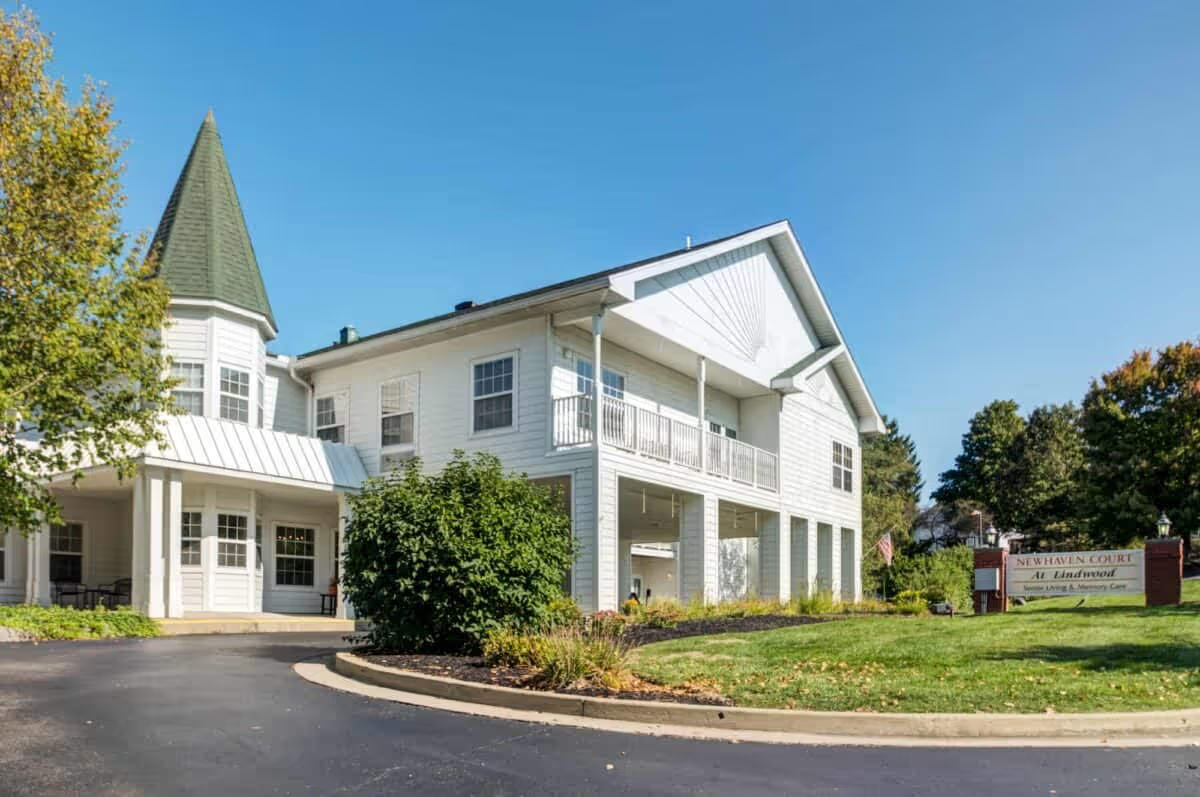
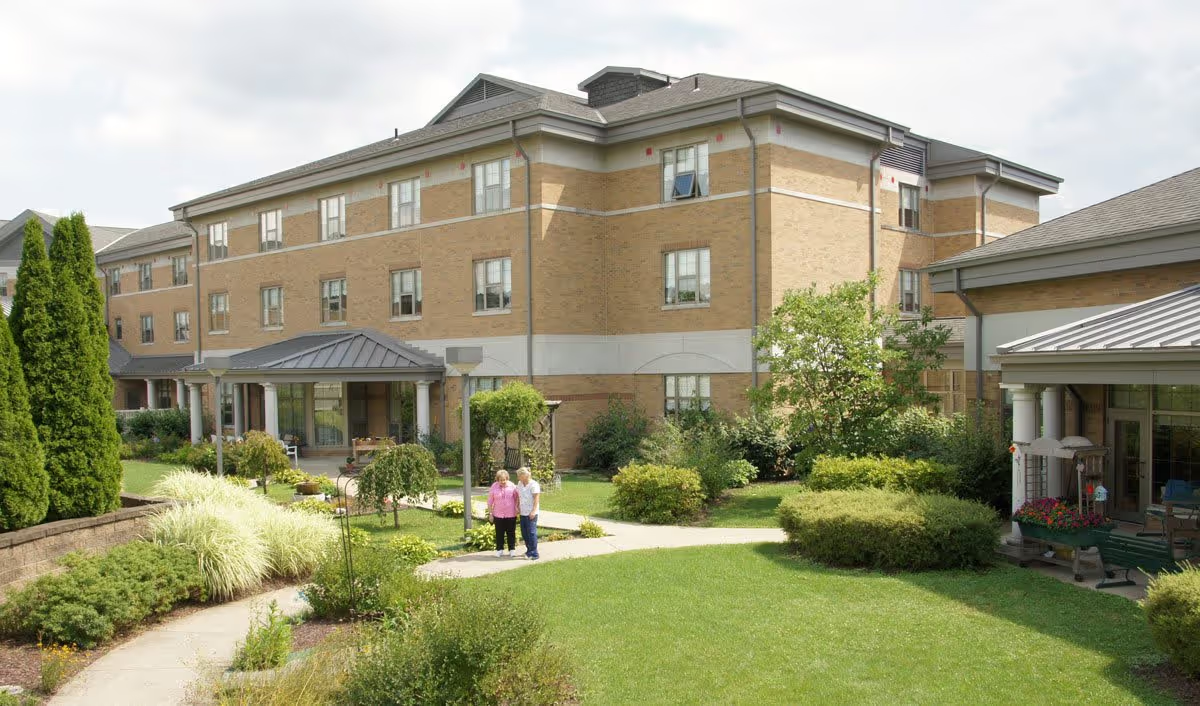
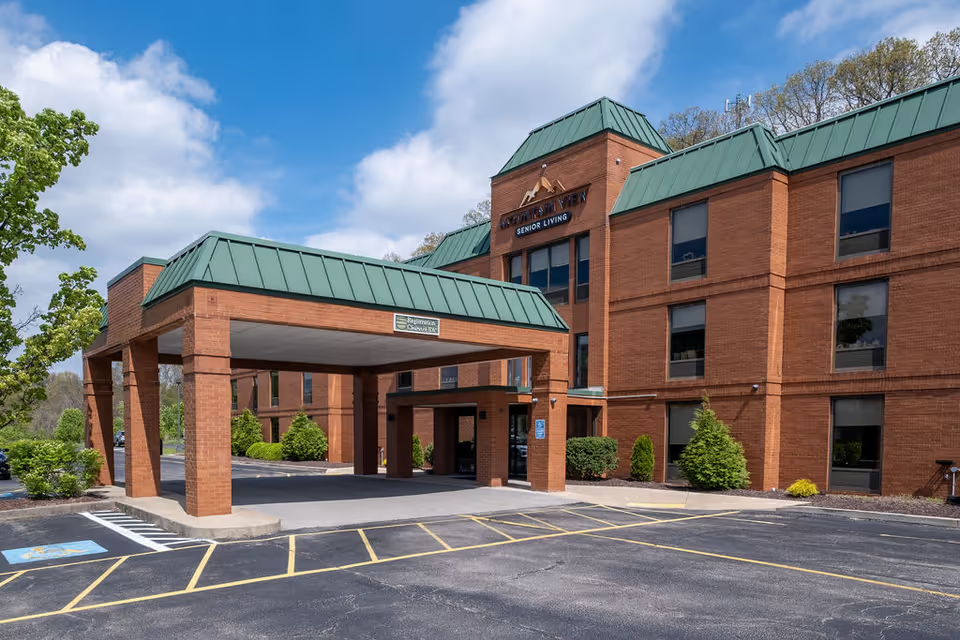
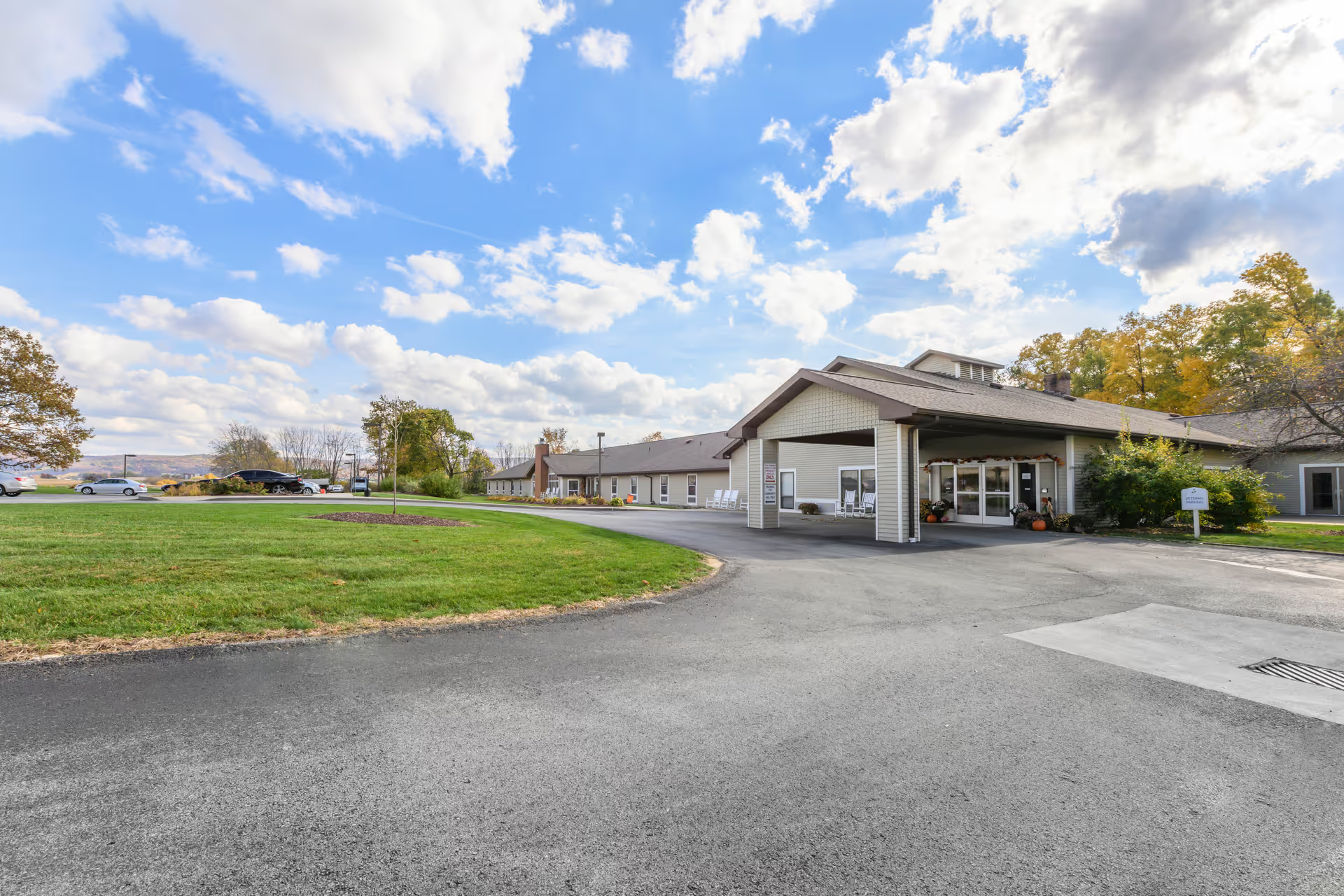
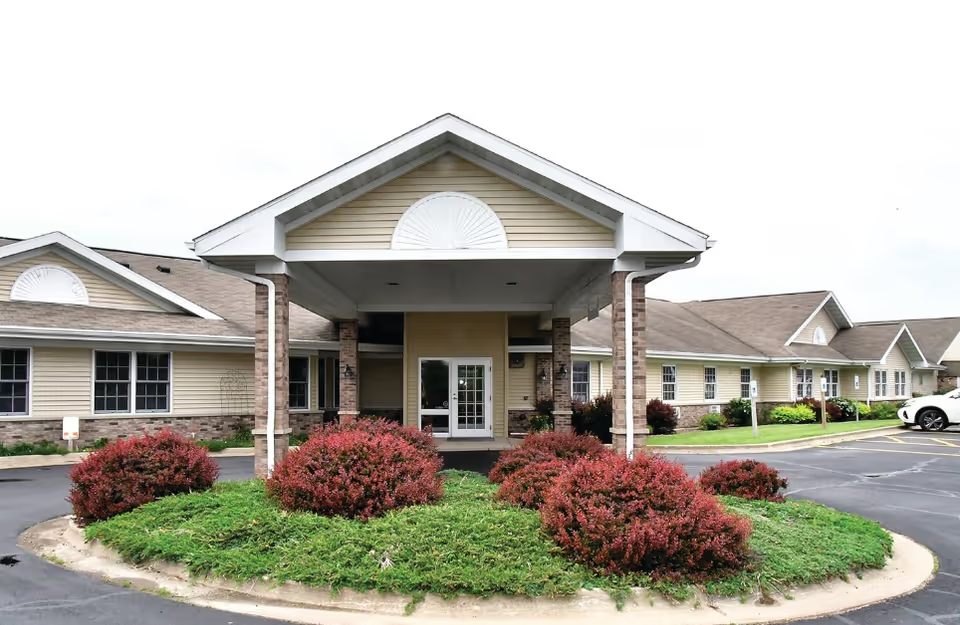
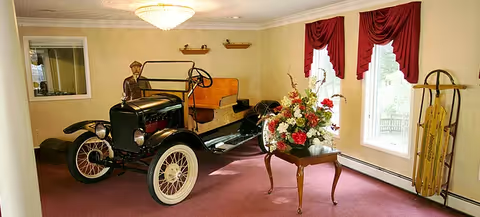
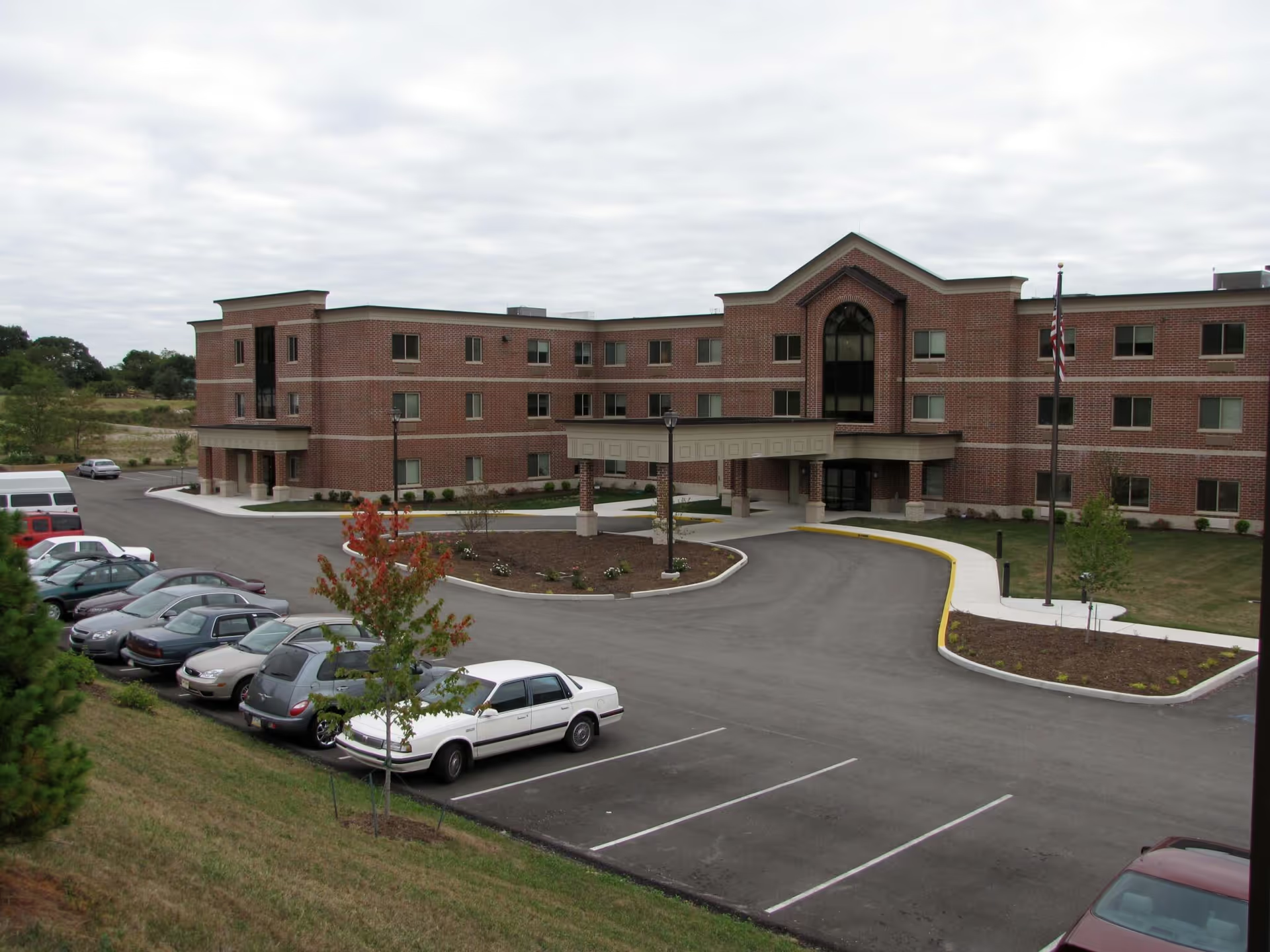
Overall sentiment across the reviews of Easy Living Country Estates is mixed-positive: many families and residents praise the facility for its cleanliness, warm atmosphere, and compassionate staff, while a recurring set of operational and care-consistency concerns appear frequently. The strongest and most consistent praise centers on housekeeping and facility upkeep. Multiple reviewers describe the building and suites as spotless, well-maintained, and roomy. Architectural features such as a large atrium, indoor garden, solarium, sun room, and outdoor seating contribute positively to the resident environment and are repeatedly cited as highlights. The facility layout is described as easy to navigate, with an accessible first floor and elevators that have been inspected, which supports mobility for many residents.
Staff performance and management receive high marks from many reviewers. A substantial number of families report that aides and nurses are caring, responsive, and go above and beyond — keeping families informed, implementing suggestions quickly, and being available day and night. Several comments single out strong leadership and a responsive administrative team (one reviewer named an administrator positively), and hospice support and end-of-life care were mentioned as compassionate and professional. The overall tone from these reviewers is that the facility feels like a family and that management is easy to work with, which strongly influences recommendations.
Despite these positives, staffing levels and visibility are the most prominent concerns. Multiple reviewers reported an insufficient staff-to-resident ratio, lack of visible staff during tours, and situations where residents did not receive the expected level of care. These comments include requests for more aides, concerns that activities or care look good on paper but are not consistently delivered, and at least one report that a resident was not getting adequate care. Some reviewers described guide or tour behavior as creating a perceived facade, raising transparency and communication concerns. These issues suggest variability in day-to-day staffing coverage and consistency of caregiving across shifts.
Dining and activities receive mixed feedback. Many residents and families note plentiful activities and social programming — including multiple activities per day, local entertainers, bingo, game-type programming, and outdoor jaunts. Several reviewers praised the variety and social nature of programming. However, others said activity attendance can be low, that programs sometimes appear stronger in documentation than in practice, or that a creative cognitive arts director is needed to boost engagement. Dining opinions are similarly mixed: some reviewers call the food great and menus enjoyable, while others find meal selections unsuitable for elderly tastes or outright poor. COVID-related dining limitations were noted historically, which may explain some variability in perceptions.
Accessibility and services show a combination of strengths and gaps. While the building has accessible public areas and inspected elevators, reviewers requested specific accessibility upgrades (front-door improvements, wheelchair-eye-level signage, and other wheelchair-accessibility refinements). Important clinical-service gaps were raised: the facility reportedly does not offer dementia-specific care and does not provide IV therapy, which are significant considerations for families needing those services. Other operational details raised by reviewers include dated bulletin boards in rooms, missing nametags for aides, and small supply/operational items (for example, ensuring bingo has quarters). These issues are generally fixable and were often framed as suggestions rather than deal-breakers.
Cost, policy, and other concerns: a few reviewers noted restrictions such as limited facility access at times and policies that prevent spouses from living together in the facility. Some families felt pricing was high relative to what is offered. There are also occasional comments about perceived staff empathy variability; while many report deeply compassionate staff, several mention interactions that felt less genuine.
In summary, Easy Living Country Estates appears to provide a clean, pleasant, and homelike environment with many staff members who are caring and responsive. Its physical amenities — atrium, gardens, communal spaces, and inspected accessibility features — are strong points. The main recurring issues for prospective residents and families are staffing consistency/coverage, some variability in food and activity execution, and service gaps for memory care or IV treatments. Many shortcomings noted are operational details or resource-level issues (more aides, improved signage, nametags, bulletin board updates) that could be improved without structural changes. Prospective residents should weigh the strong positives in cleanliness, staff responsiveness, and pleasant environment against the potential need for higher-acuity clinical services, the reported staffing inconsistencies, and personal priorities around dining and activity programming. If dementia care or IV therapy are required, this facility is not suitable based on the reviews; if family involvement and a compassionate, well-kept environment are primary priorities, Easy Living Country Estates receives many strong recommendations.