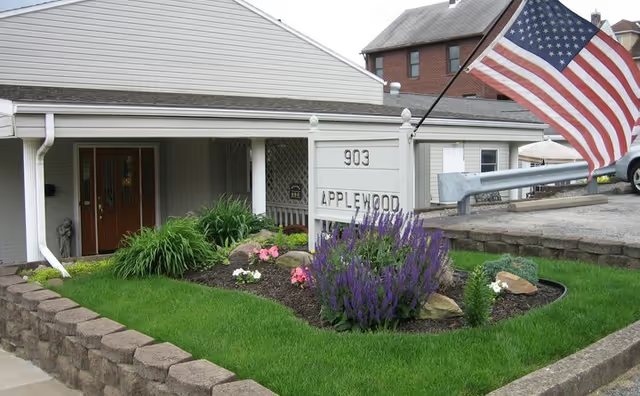
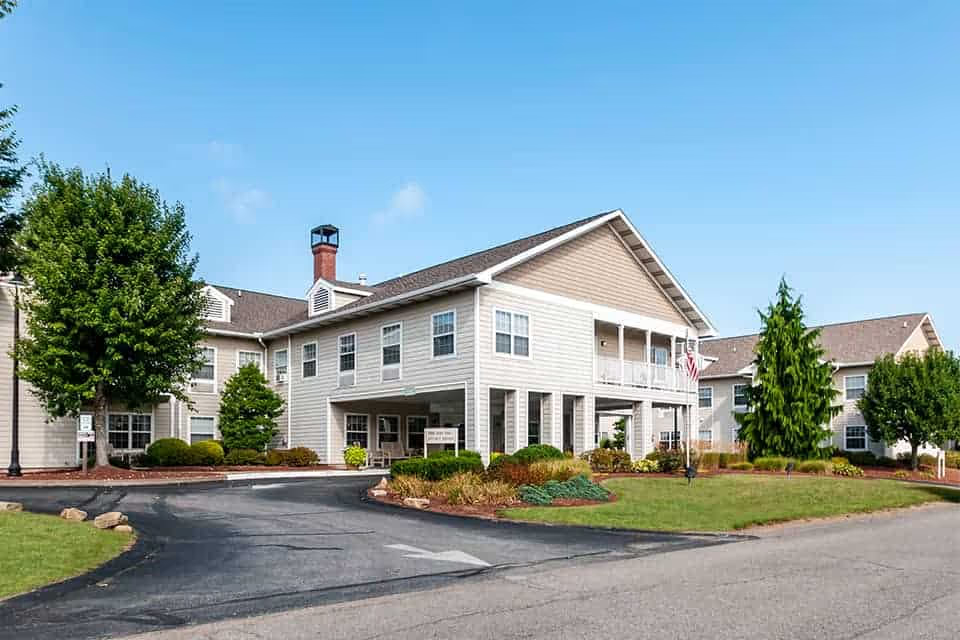
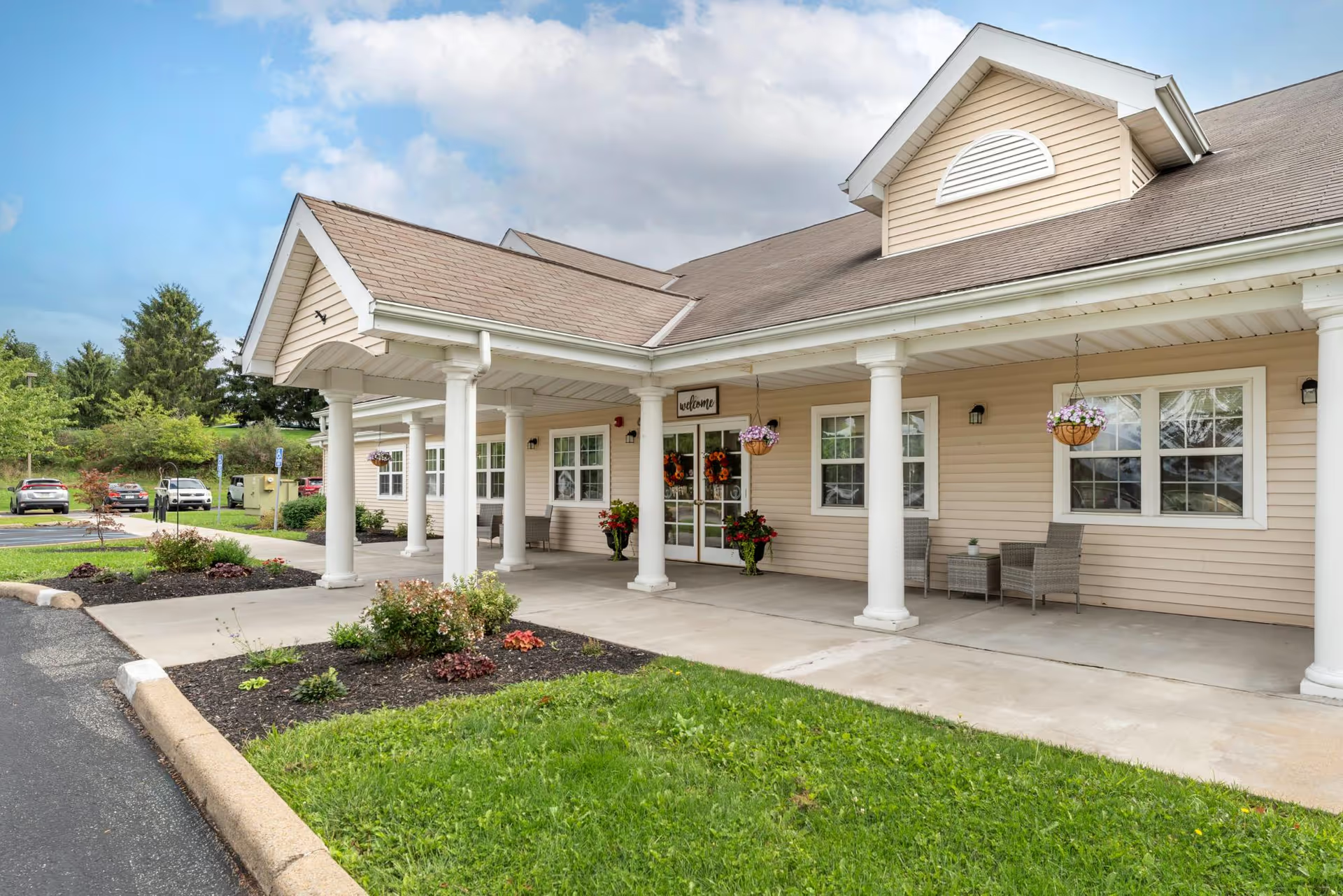
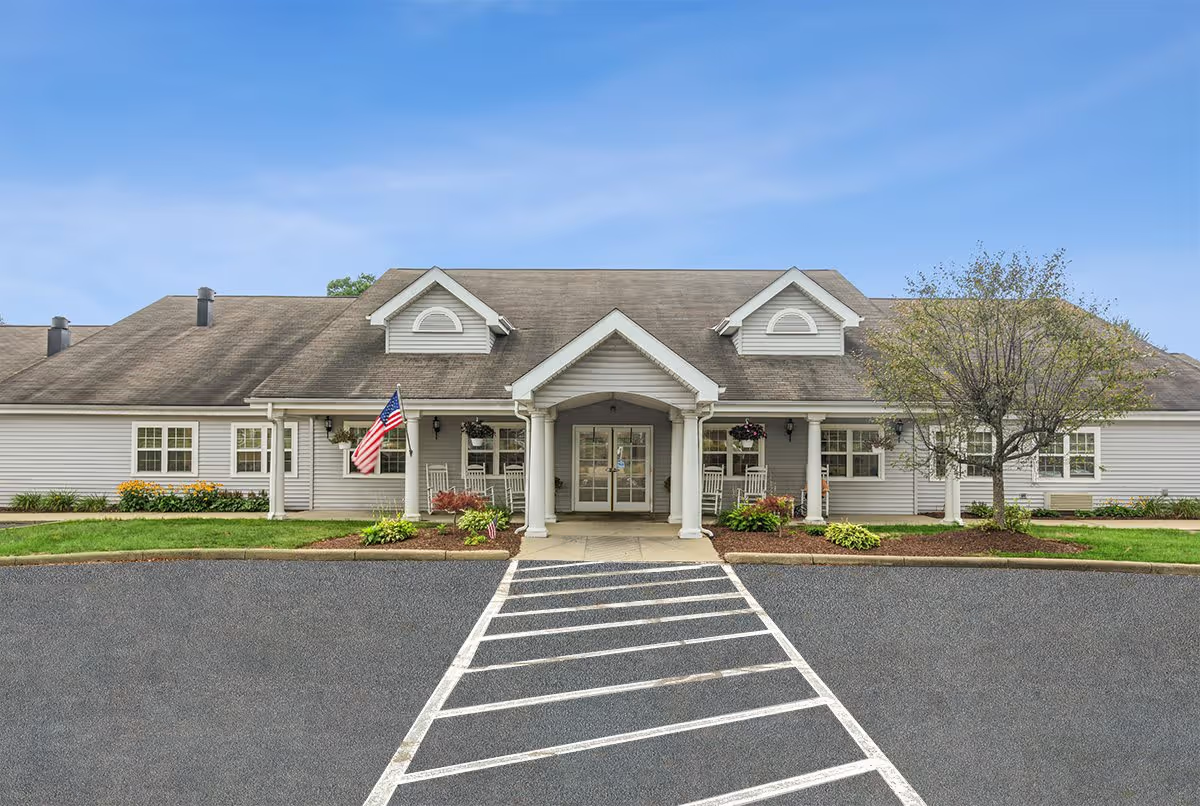
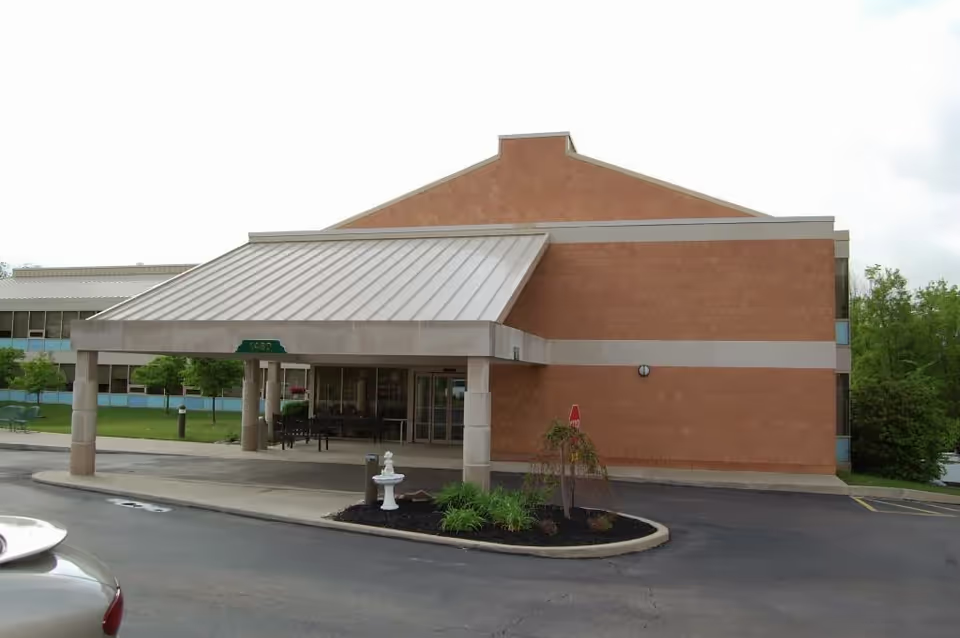
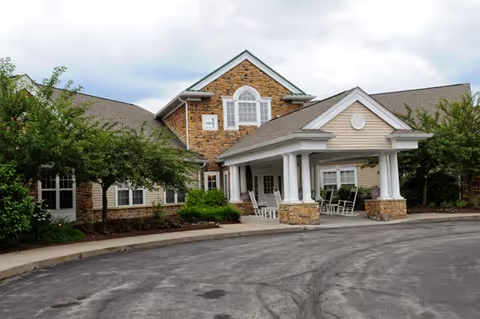
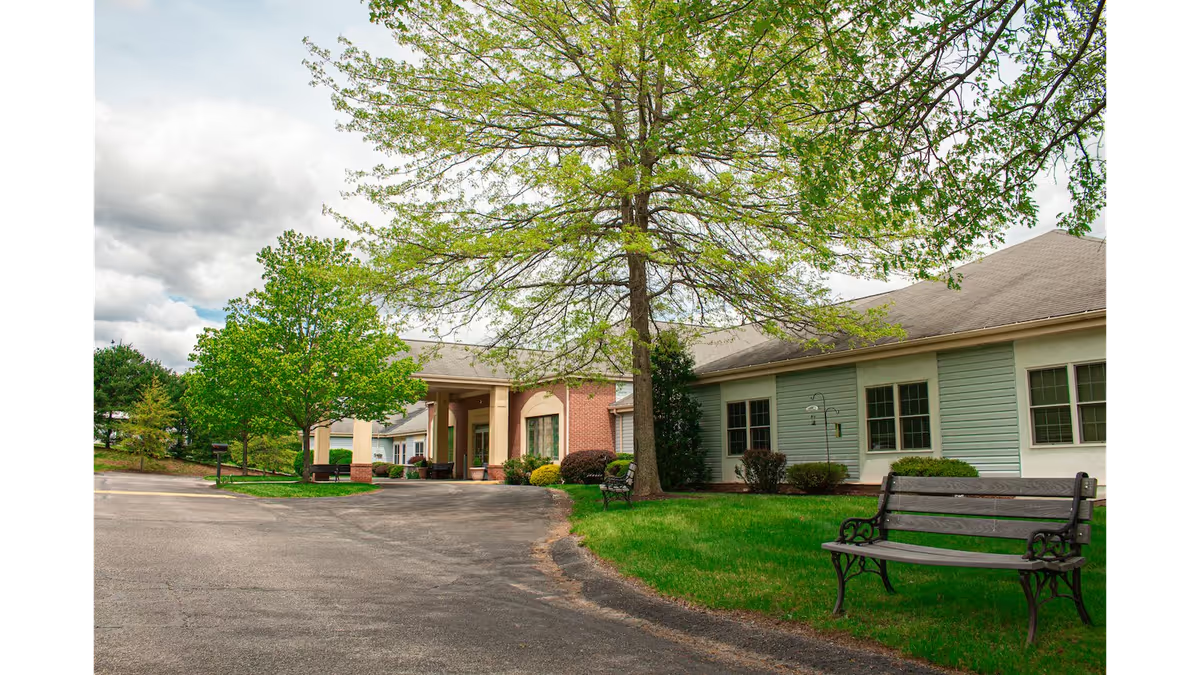
The reviews present a mixed but coherent picture: direct care and therapy services are frequently praised while leadership, staffing consistency, and safety communication are areas of concern. Many accounts highlight frontline staff—nurses, aides, and therapy teams—as caring, hardworking, and effective. Several reviewers described positive therapy outcomes, attentive caregiving, clean resident rooms, and good meal experiences. There are also multiple descriptions of efforts to improve the facility’s appearance and resident experience, and some reviewers attribute noticeable improvements to recent leadership changes.
Care quality appears uneven. Positive reports emphasize individualized attention, effective physical and occupational therapy, and a family-like atmosphere between staff and residents. Conversely, other reports describe delays in responding to call bells, inconsistencies in clinical monitoring and safety practices, and situations where timely escalation of medical events was questioned. These account for a theme of variability in day-to-day clinical reliability: where care is organized and staffed well, families express strong satisfaction; where staffing or processes fall short, safety and responsiveness concerns emerge.
Dining and amenities received generally favorable mentions: several families described good food and convenient access to vending and extra assistance. Activities were not widely detailed in the summaries provided; however, overall resident contentment and statements that residents are “happy” or “well cared for” suggest acceptable social and recreational circumstances for some residents. Facility improvements and maintenance efforts were noted positively in some reviews, reinforcing reports of clean rooms and ongoing upgrades.
Management and organizational culture are polarizing themes. Some reviews credit new leadership with a substantial positive impact on culture and care quality. Others raise serious governance concerns, including allegations of corrupt practices, abrupt personnel actions, and a punitive tone from management that has reportedly affected staff morale. These governance issues appear linked to staff turnover and adversarial staff–management relations in some accounts. A few reviews mention regulatory and rating weaknesses (including low Medicare indicators) and the potential for legal disputes; these items indicate areas prospective families should investigate further.
Notable patterns for prospective residents and families: (1) There is a consistent distinction between praised frontline caregivers and concerns about administrative stability and process reliability. (2) Staffing levels and responsiveness can vary, and that variability is closely related to perceived safety and quality. (3) Facility maintenance and dining are strengths in many reports, though sanitation and pest-control concerns were raised for parts of the building. (4) Leadership changes have been credited with improvements by some reviewers, but allegations about prior or current management practices suggest organizational risk.
Recommendation: Visitors should conduct direct inquiries about current staffing ratios, recent ownership or leadership changes, state inspection reports, Medicare ratings, infection- and pest-control protocols, and the facility’s clinical-incident communication procedures. Speaking with current families and observing care during different shifts can help corroborate whether the positive staff culture and therapy services are consistent and whether the facility has addressed the governance and safety concerns described in some reviews.