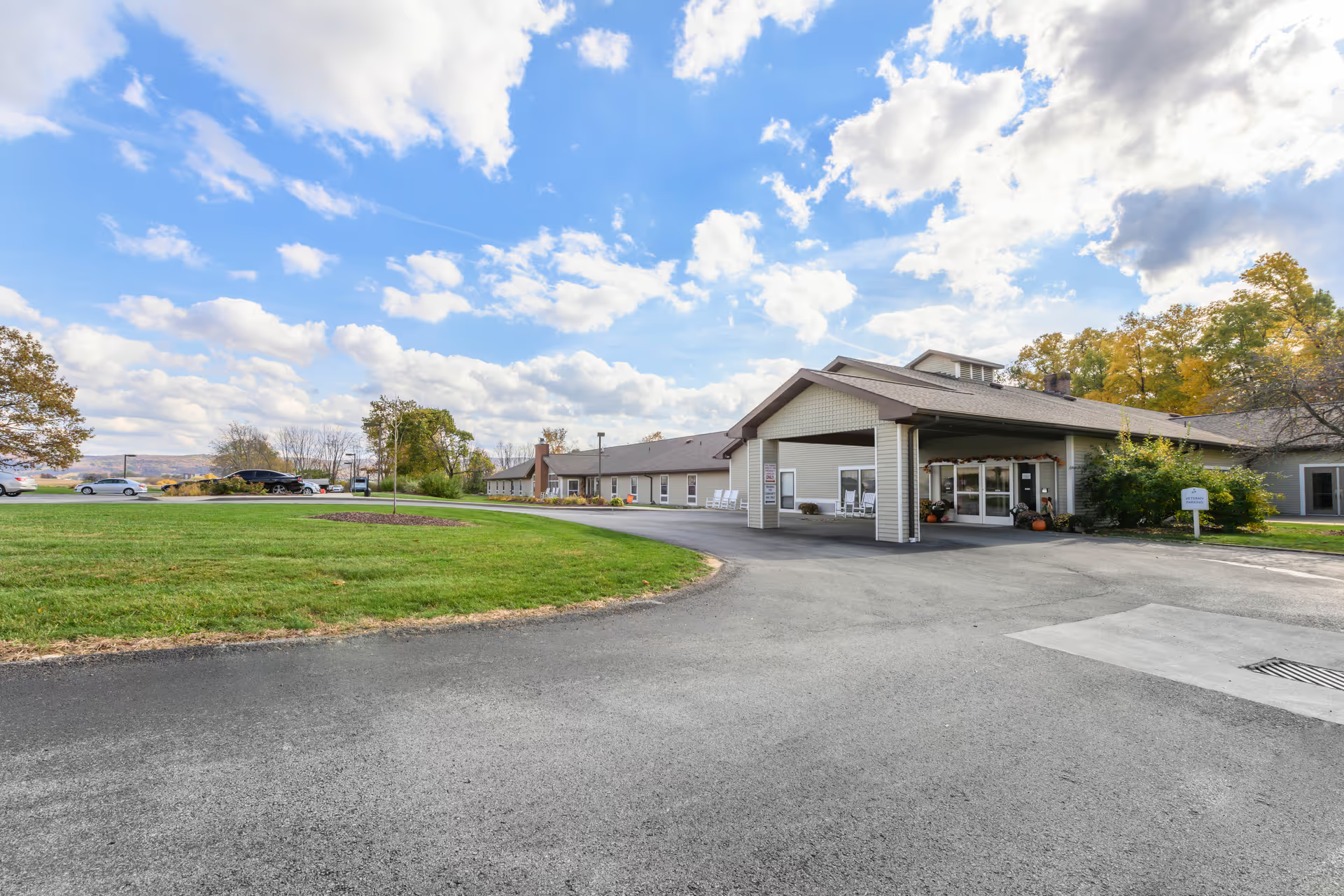
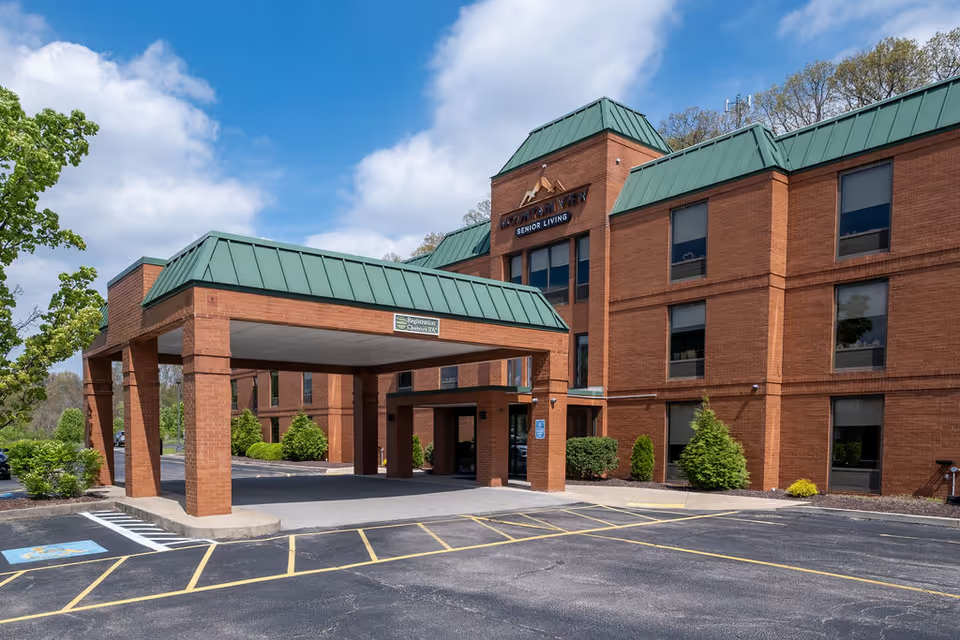
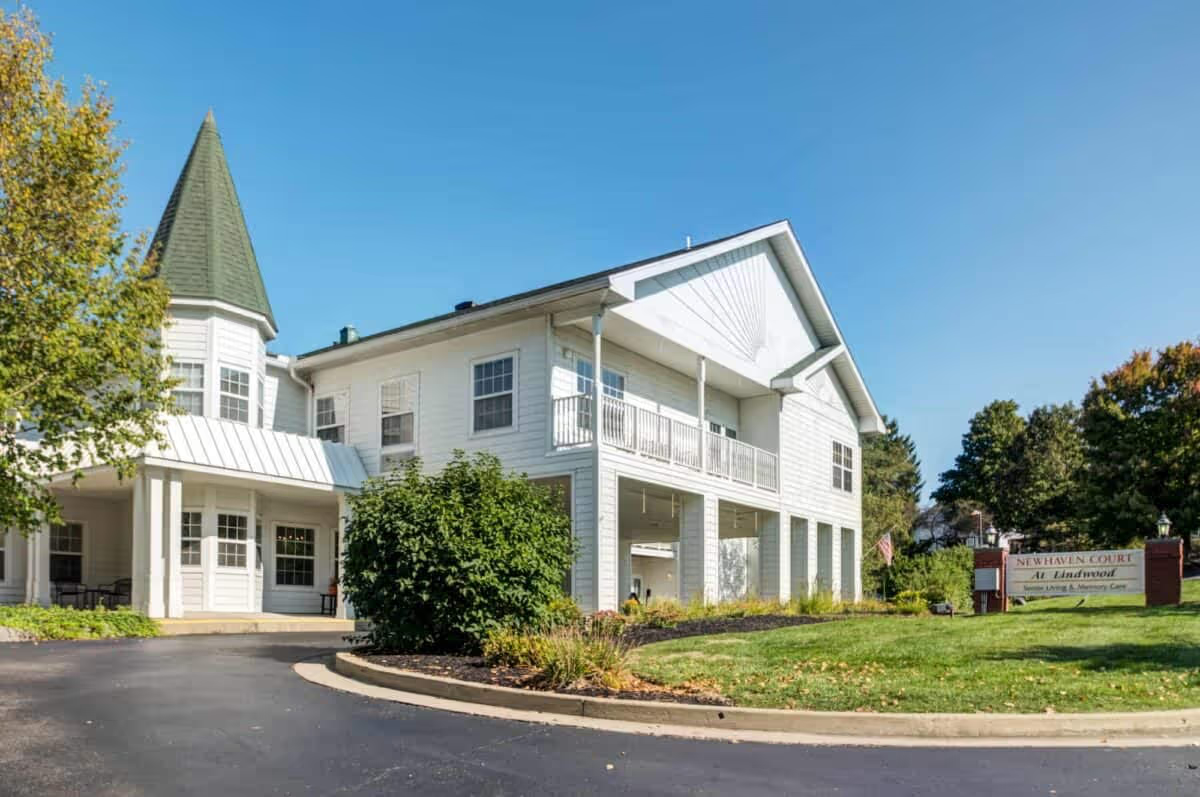
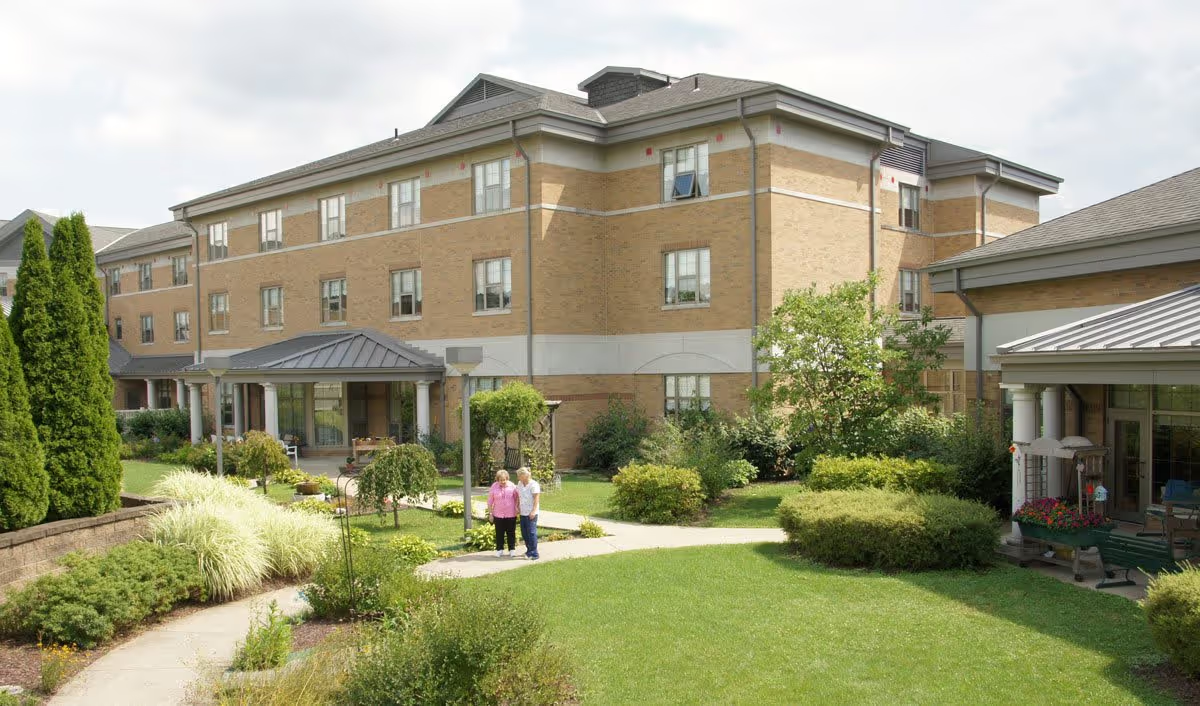
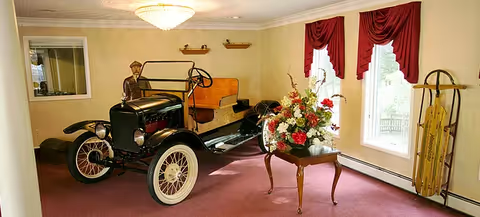
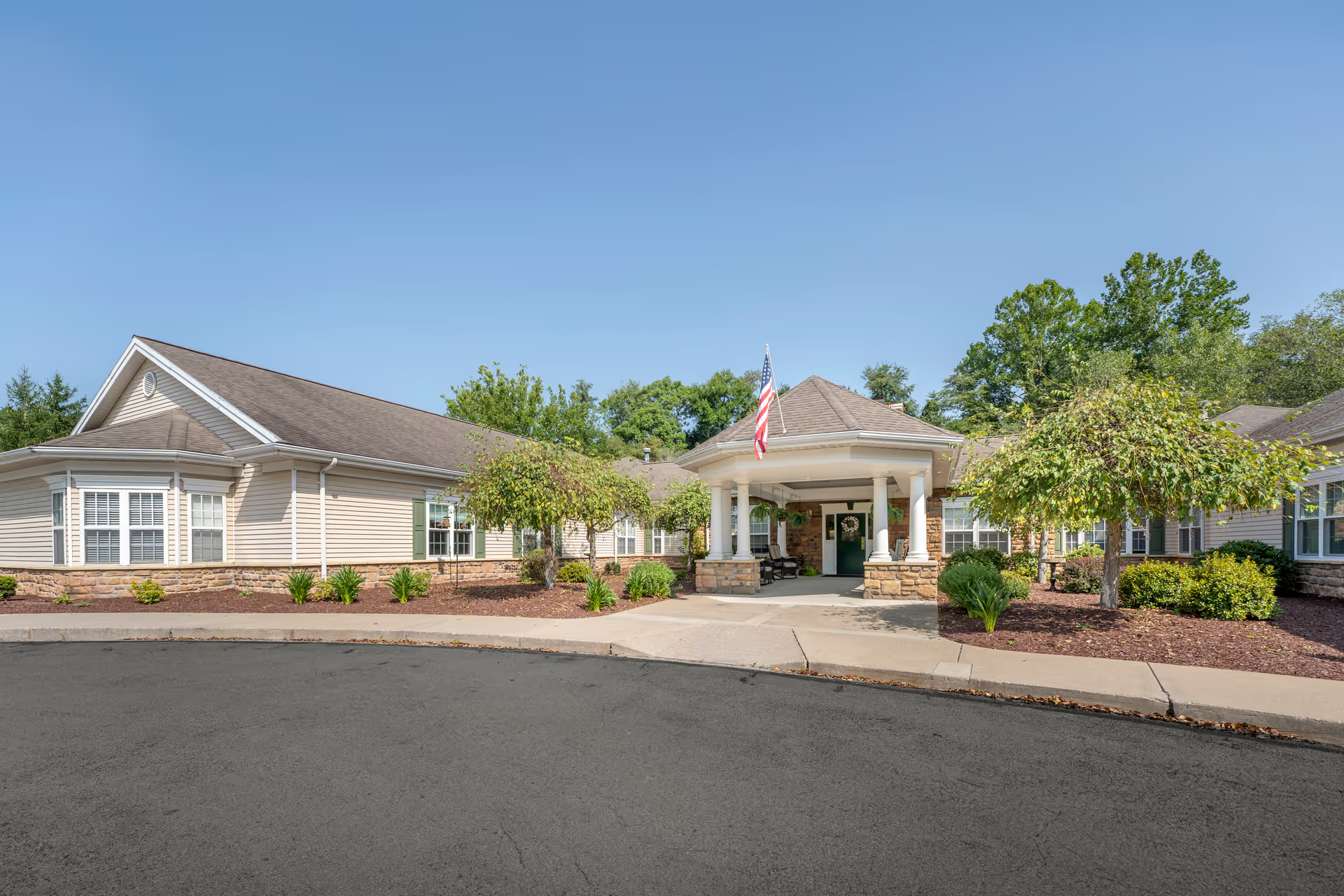
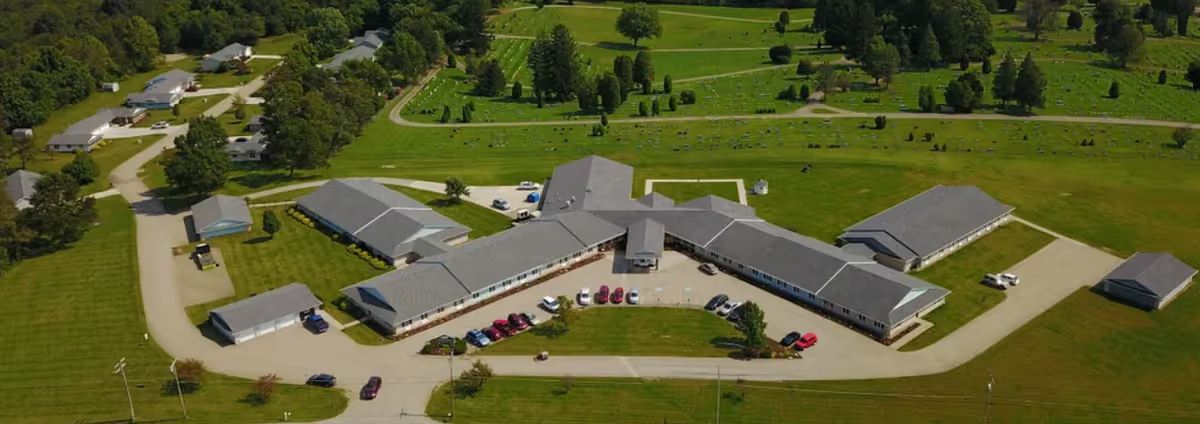
Overview: The reviews present a strongly polarized picture of Loyalhanna Care Center. On the positive side, families and visitors frequently describe a tidy, attractive facility with pleasant common areas and a broad range of amenities and activities. Direct-care staff are often characterized as friendly and helpful, and some nursing staff receive praise for compassionate interactions. These elements indicate that the facility has strengths in its physical environment and in-person resident engagement.
Care quality and clinical concerns: Several reviewers raised serious concerns about clinical care processes. Common themes include missed or delayed medications and pain-management issues, as well as inconsistent wound-care follow-up and monitoring. A number of accounts link these clinical gaps to hospital transfers and urgent medical intervention; these items suggest that protocols for medication administration, clinical surveillance, and infection prevention may need review and reinforcement. Prospective families should inquire specifically about medication-administration checks, wound-care pathways, and recent clinical quality metrics.
Staffing and responsiveness: Many comments point to staffing levels and responsiveness as key operational issues. Reviewers described delays in responding to call systems and delays in scheduled personal care such as bathing or toileting assistance. At the same time, multiple reviewers noted that front-line caregivers try to be attentive and that individual staff can be caring; the pattern suggests that staffing shortages or scheduling practices may be limiting staff ability to provide consistent, timely care across shifts.
Facilities, dining, and activities: The facility itself is frequently described as clean and well maintained, with a range of amenities and activities that families find appealing. There is limited specific feedback about dining quality in the available summaries, but activity programming and the physical environment are generally seen as positive contributors to resident life. Those attracted to the site should still request current sample menus and activity calendars during a tour to confirm fit with personal preferences.
Management, communication, and care transitions: A recurring theme is inconsistent communication from leadership and care teams. Families reported delayed or inadequate notification about changes in a resident's condition and difficulties coordinating after-care or hospital transitions. Several reviewers expressed concern about administrative leadership and its effect on staff morale and operational oversight. These management-level issues appear to be linked to the clinical and responsiveness themes above, indicating potential gaps in supervision, staffing strategy, and family-engagement practices.
Notable patterns and guidance for families: The overall pattern is mixed: the facility shows clear strengths in environment and some direct-care relationships, but there are substantive operational weaknesses relating to medication management, clinical monitoring, staffing adequacy, and communication. Experiences appear to vary by unit and by shift, producing inconsistent outcomes. Prospective residents and families would benefit from an on-site visit that includes: reviewing current staffing ratios and shift coverage; asking for written protocols for medication administration and wound care; requesting recent quality or inspection reports; speaking with nursing leadership about care-transition procedures; and meeting direct-care staff on the units where the resident would live. These targeted questions can help clarify whether the facility’s strengths align with a particular family’s priorities and whether the operational weaknesses have been addressed.