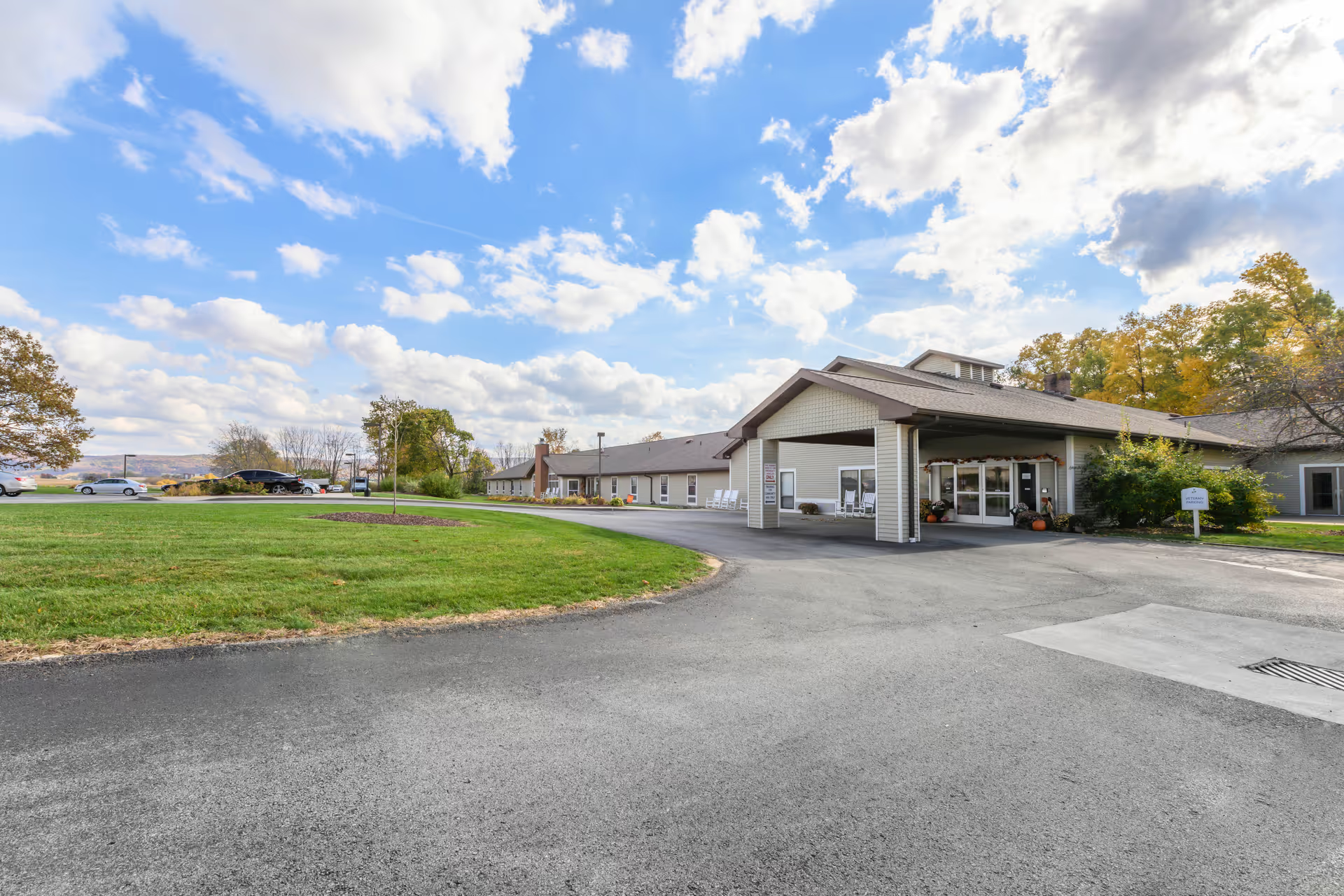
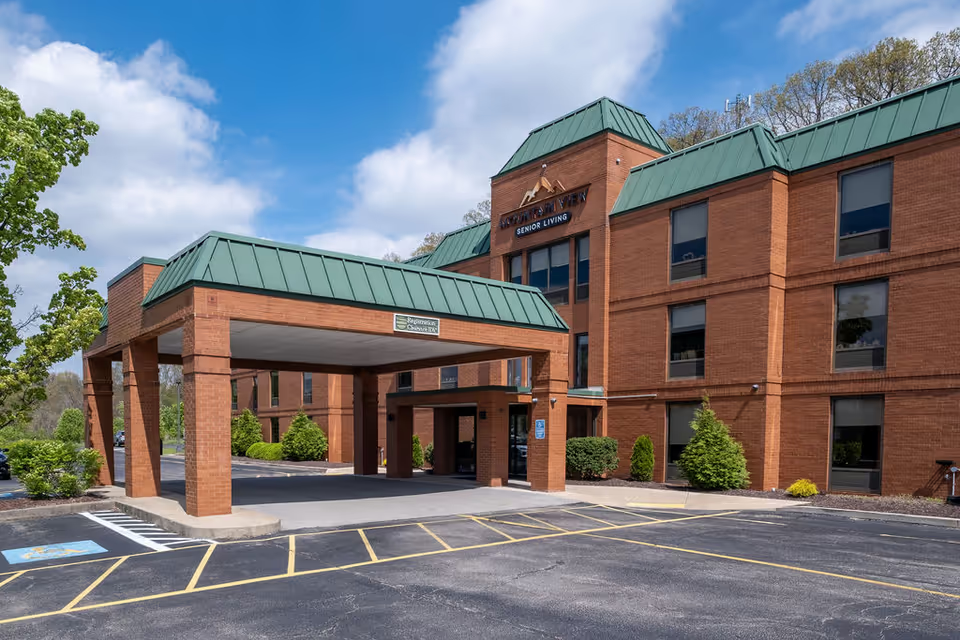
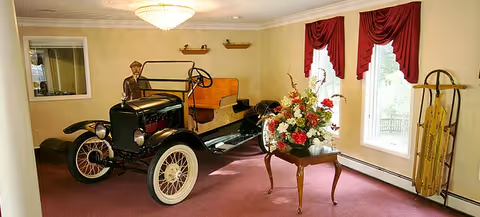
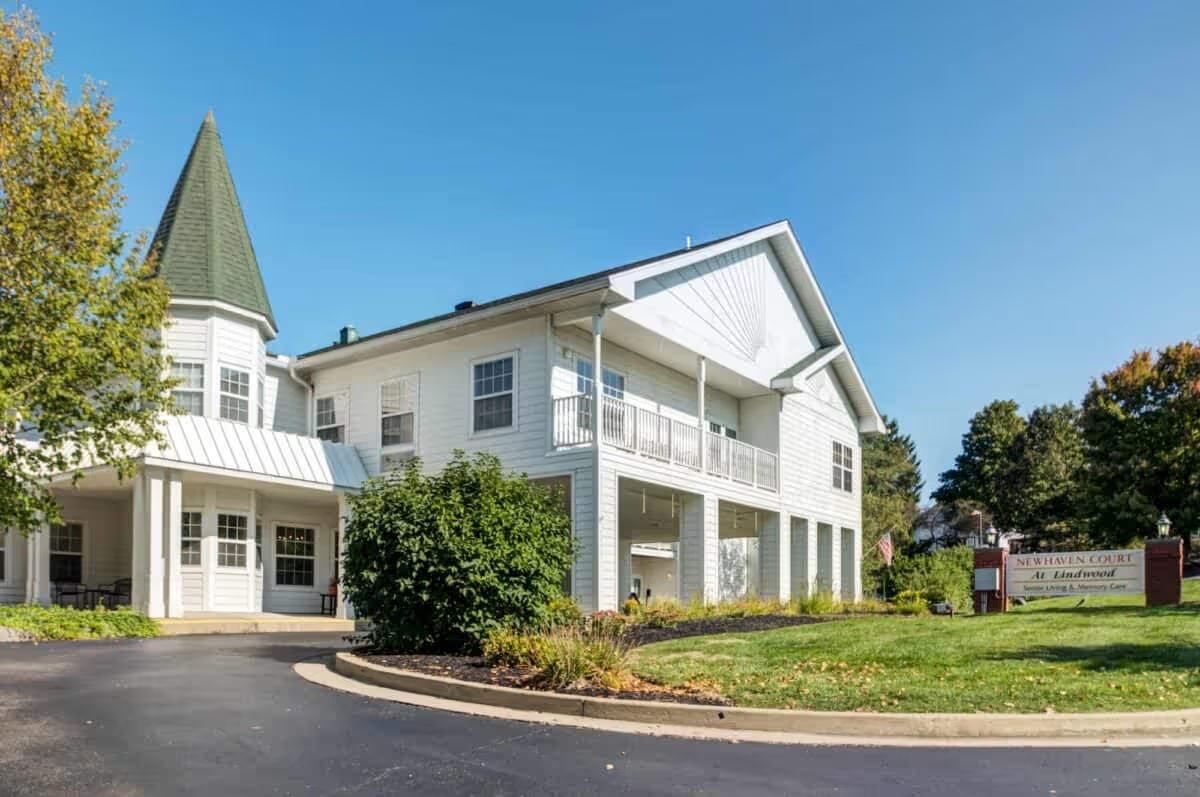
The Grove at Latrobe elicits strongly mixed impressions. Many accounts emphasize a warm, compassionate workforce and successful clinical interventions delivered by nurses, therapists and social‑work staff. Families and residents praise individualized attention, effective PT/OT outcomes, hospice competency and well‑regarded dining; several specific staff members and therapy practitioners receive consistent positive mention. At the same time, other reviewers describe substantive operational concerns that bear consideration when evaluating placement.
Care quality appears uneven. Positive narratives describe knowledgeable nursing and therapy teams who facilitate discharge and recovery, while critical accounts raise issues such as delayed antibiotic administration, missed IV/PICC connections, and shortcomings in wound care. These criticisms suggest weaknesses in medication‑administration controls, escalation procedures and continuity of clinical oversight. Several families reported that they provided supplemental care to compensate for gaps, indicating variability in responsiveness and follow‑through.
Staffing and staff conduct are a notable source of contrast. Many reviews highlight caring, attentive aides, nurses and social workers who create a family‑like atmosphere and support resident wellbeing. Conversely, other comments point to aides under pressure, inconsistent training, and limited staffing levels that affect laundry, toileting assistance and timely medication delivery. There are also references to concerns about staff conduct and, in a few instances, more serious allegations including theft and regulatory problems; those latter claims are described as allegations and would warrant independent verification through regulatory channels.
Dining and social life receive generally favorable mentions: food quality is frequently described as good, and residents often experience friendly, familiar interactions with staff. Activity and enrichment offerings seem inconsistent — some reviewers report limited programming and restricted outings (sometimes tied to clinical status), while others describe an engaged environment where residents are treated like family.
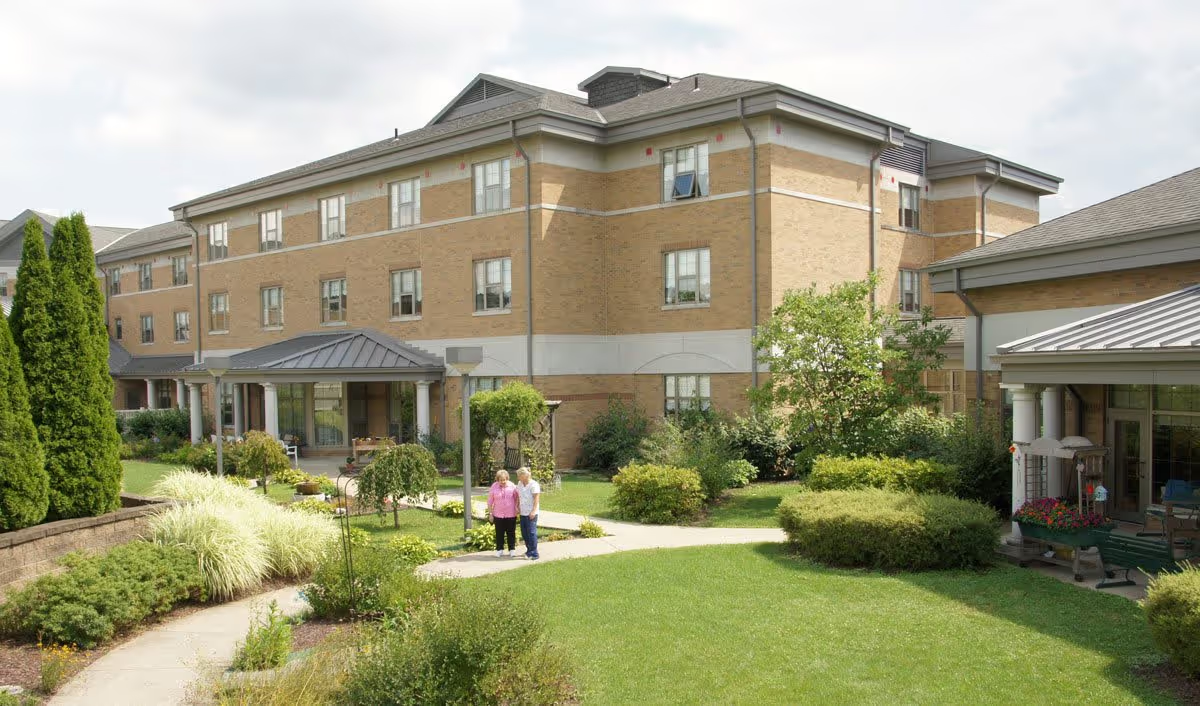
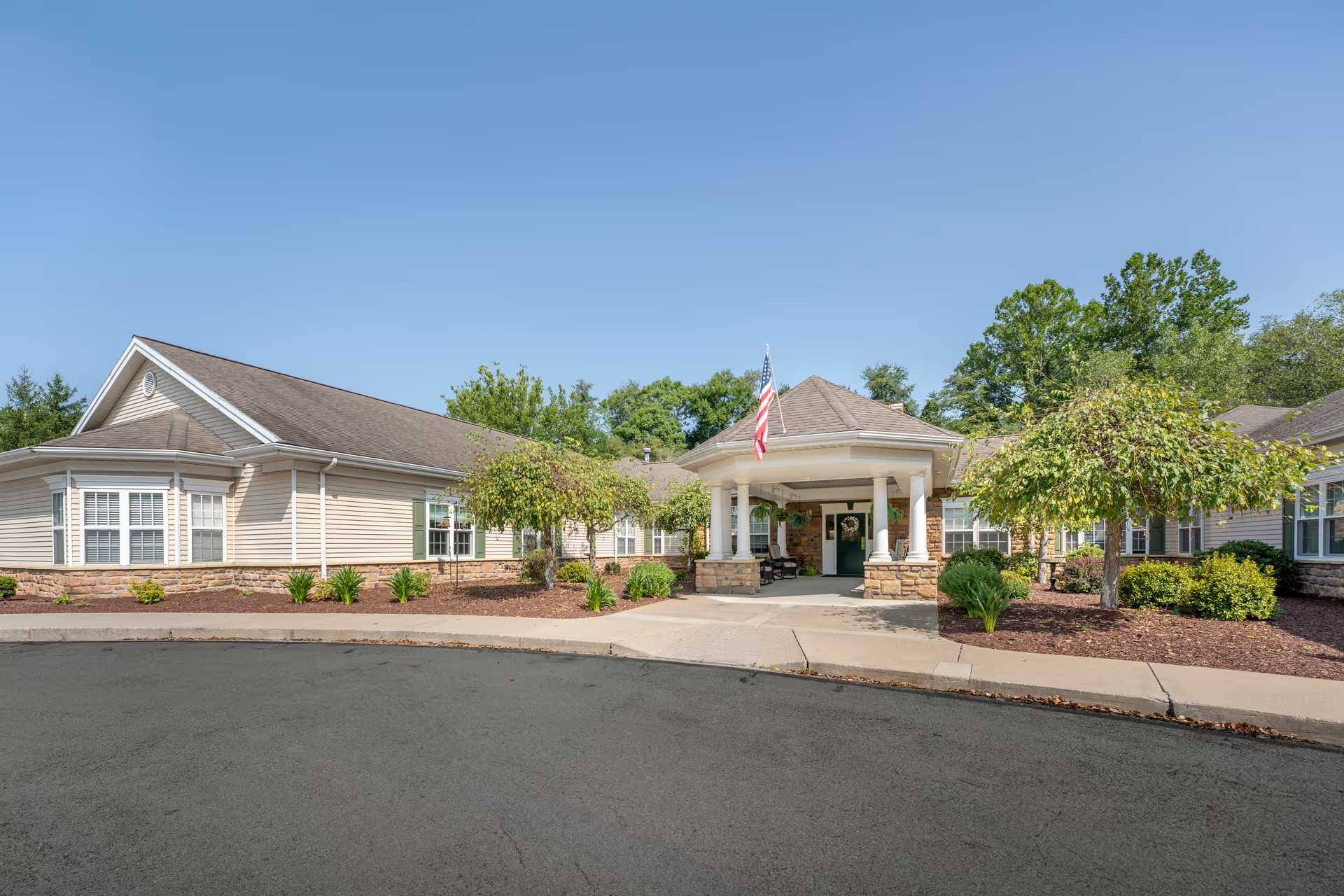
Facility and maintenance observations are mixed. The building is commonly described as older and in need of cosmetic updates, but many reviewers find it clean and tidy. At the same time, other accounts raise sanitation, odor and pest‑control concerns in particular areas, and some cite privacy and room‑security shortcomings such as malfunctioning locks. These heterogeneous impressions suggest variability in environmental maintenance across units and shifts.
Management and administration receive both praise and criticism. Several families compliment supervisors and social‑work coordination for discharge planning and Medicaid assistance; others describe slow discharge processing, billing disputes, and weak family communication. Taken together, the pattern is of a facility with strong, committed direct‑care staff and meaningful clinical strengths in therapy and hospice care, paired with operational inconsistencies in medication safety, infection prevention, environmental maintenance, staffing levels, and administrative follow‑through. Prospective families should weigh the positive interpersonal culture and clinical successes against the reported operational risks and consider on‑site interviews, review of recent regulatory surveys, and direct conversations about medication‑safety protocols, staffing ratios, infection‑control practices, and room security before deciding.