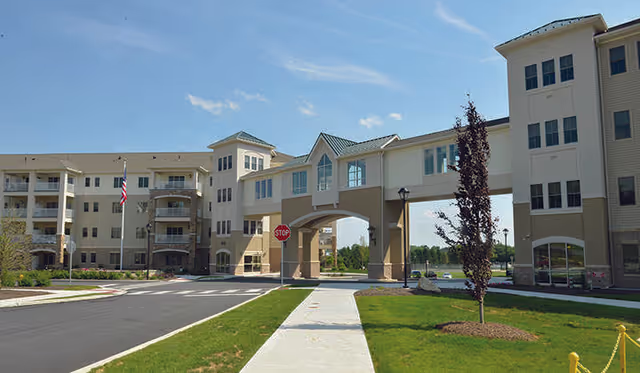
Juniper Village at Lebanon elicits a strongly mixed but clear pattern of strengths and operational weaknesses. Many families and prospective residents describe a warm, social community with staff who are welcoming and actively engaged in residents' daily lives. The facility is repeatedly praised for its cleanliness, well-maintained grounds, spacious apartment layouts (including units with in-unit washers/dryers), on-site amenities such as a salon, exercise room and recreation areas, and a diverse calendar of activities that includes games, music programs, outings and community events. Reviewers also cite effective therapy services, diabetic and special-diet meal accommodations, and responsive maintenance and move-in coordination as practical strengths that support quality of life.
Care quality comments are mixed. A number of reviewers commend caregivers and clinical staff for compassionate, attentive care, successful therapy outcomes and careful management during transitions and admissions. At the same time, several reviewers described operational gaps that affect daily care: delays responding to call buttons, limited nighttime monitoring, inconsistencies in medication handling and coordination, and problems with toileting assistance and laundry burden. These items point to uneven clinical responsiveness and task follow-through in some shifts or units rather than uniformly excellent clinical operations.
Staff and management impressions follow a similar split. Many reviewers highlight staff who know residents by name, participate in activities, and go beyond basic expectations. Admissions and move-in processes are frequently described as well-managed. Conversely, others raise concerns about staff conduct or tone, communication shortcomings from office staff, turnover and questions about leadership culture. Reviewers also noted instances where family communication after clinical incidents or end-of-life events was unsatisfactory, suggesting room for clearer incident-response protocols and family outreach.
Dining receives both praise and criticism. Dining-room staff are often singled out as excellent, and diabetic/special-diet accommodations are available. However, reviewers frequently mention inconsistent meal quality, issues with food temperature, limited dining options, and occasional misalignment between meals offered and individual health needs. Some residents supplement meals with groceries brought from home. Cost is generally seen as reasonable for the local market, though meal-plan pricing and optional charges drew occasional questions.
Activities and social life are clear strengths. The community offers a wide range of programming — from bingo and Bible study to music groups, crafts, fitness and community events — and many residents report improved mood, reduced isolation and strong friendships as a result. The social calendar and on-site events are among the most consistent positive themes across feedback.
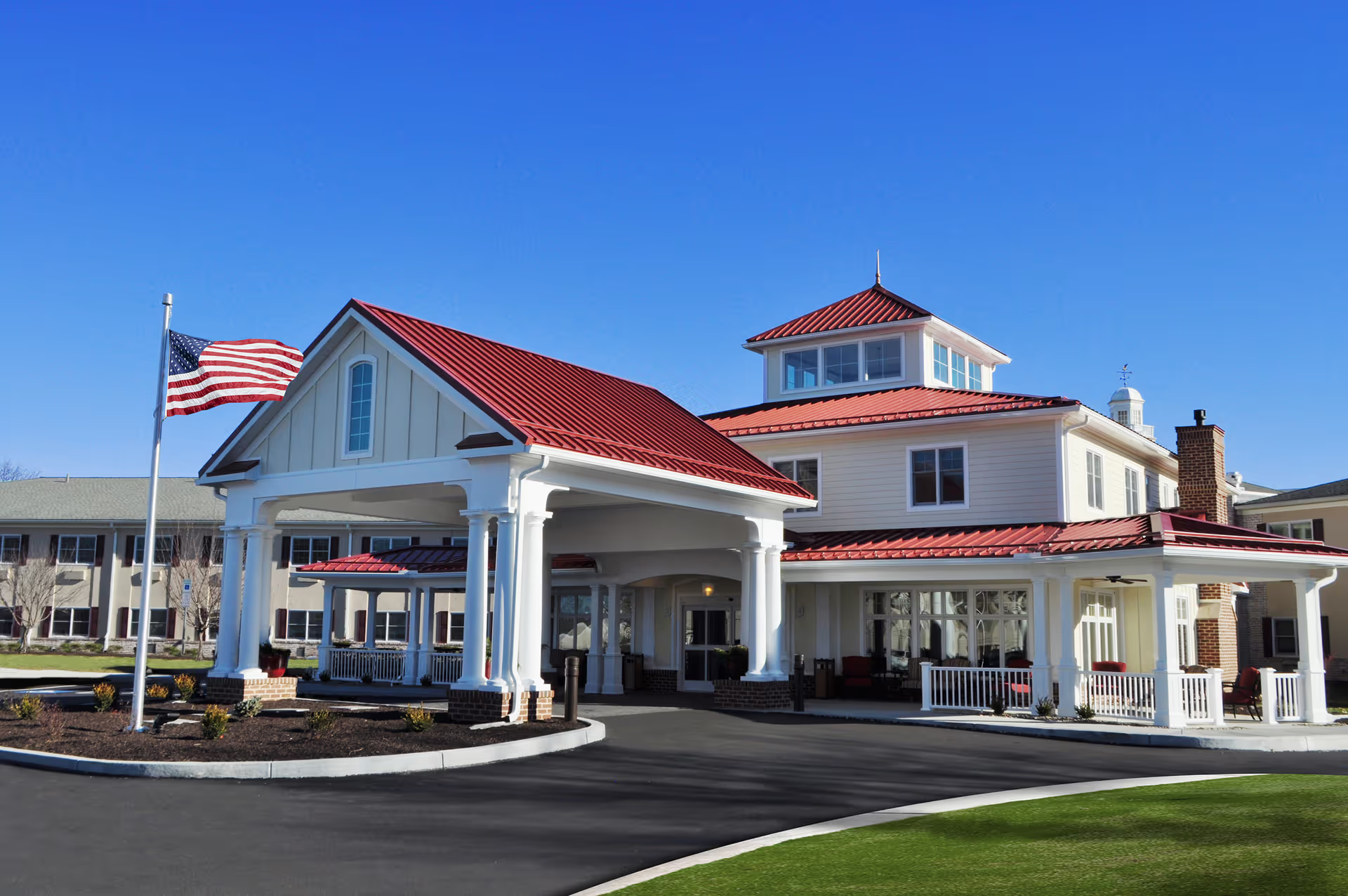
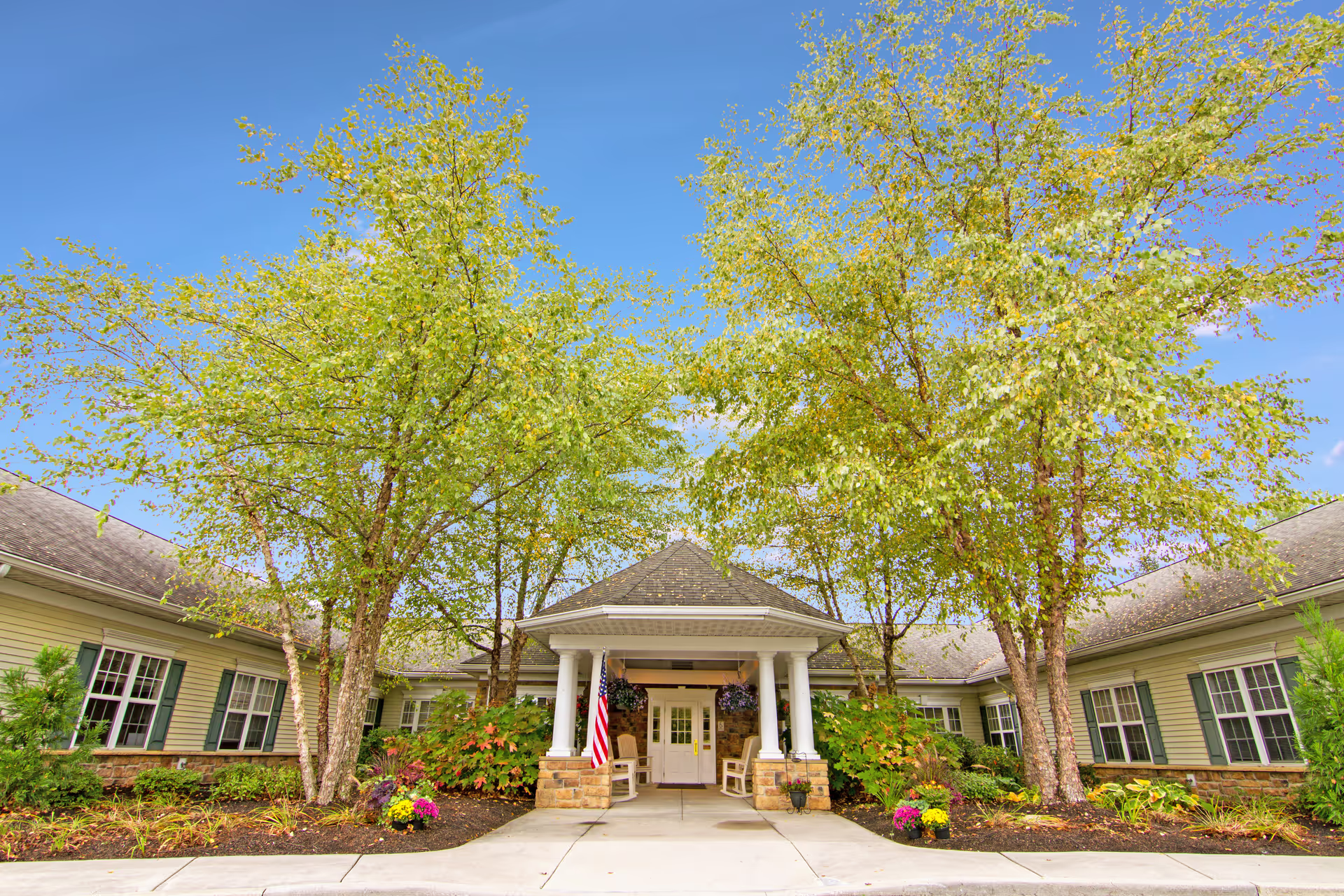
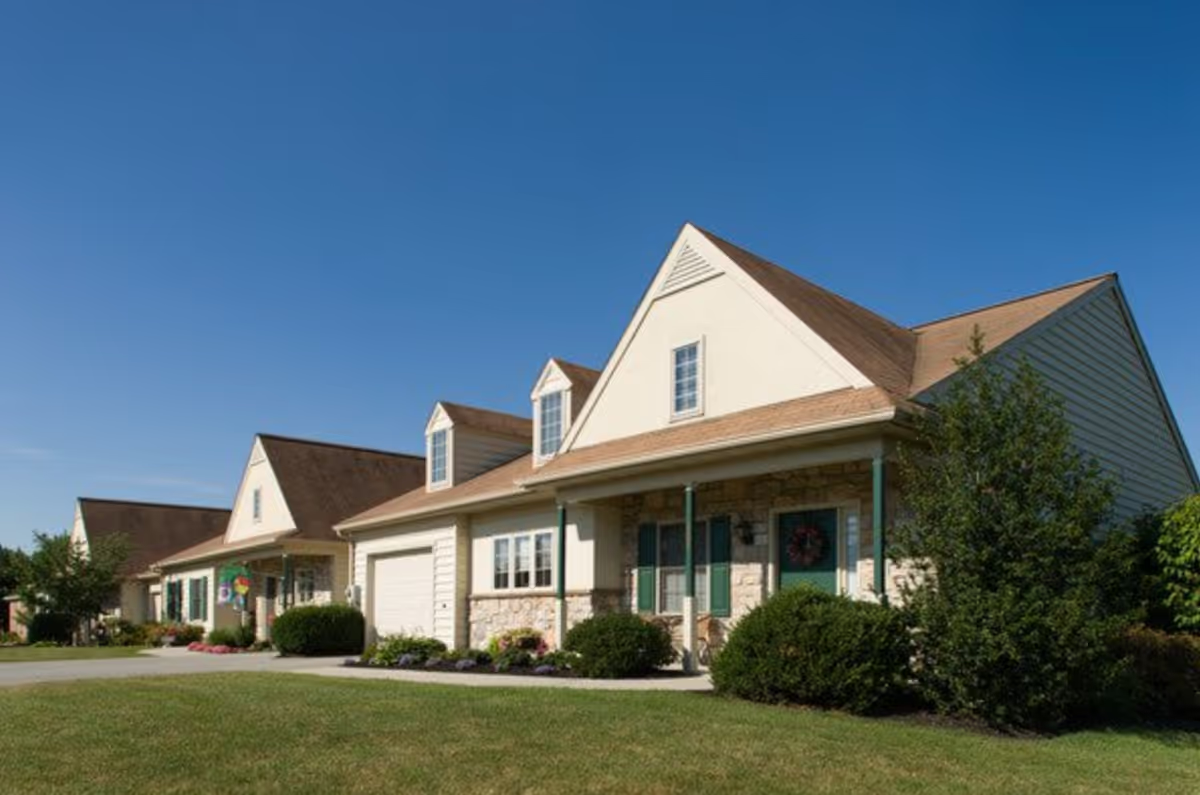
Facility and logistics notes are mixed as well. The physical plant, grounds and communal spaces are commonly described as attractive, clean and well cared for, with features that support safety and independence. At the same time, the location is somewhat remote for some families, and there are occasional comments about limited transportation capacity for excursions or wheelchair users. A small number of reviews raise pest-control and sanitation concerns in specific areas, and some residents have experienced additional maintenance charges for certain tasks.
Taken together, Juniper Village at Lebanon appears to be a community with strong social programming, many practical amenities and staff members who provide attentive, person-centered interaction for many residents. Prospective residents and families should balance those strengths against recurring operational concerns: meal consistency and clinical responsiveness (including medication processes, call-button response and night monitoring), housekeeping/sanitation consistency, and administrative communication. When touring, families may wish to sample a meal, observe mealtime service, ask about staffing levels and night coverage, review medication and incident-response protocols, and request recent inspection or quality reports to clarify how the facility addresses the negative patterns described above.