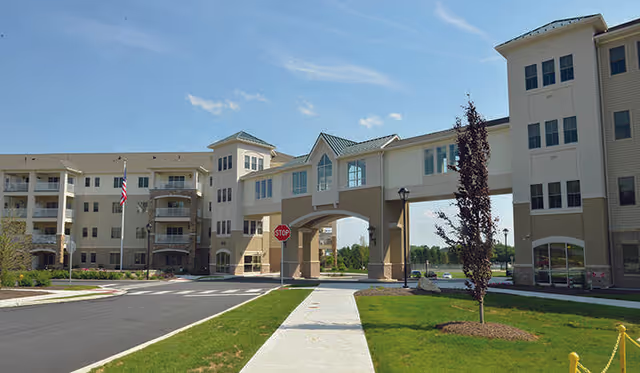
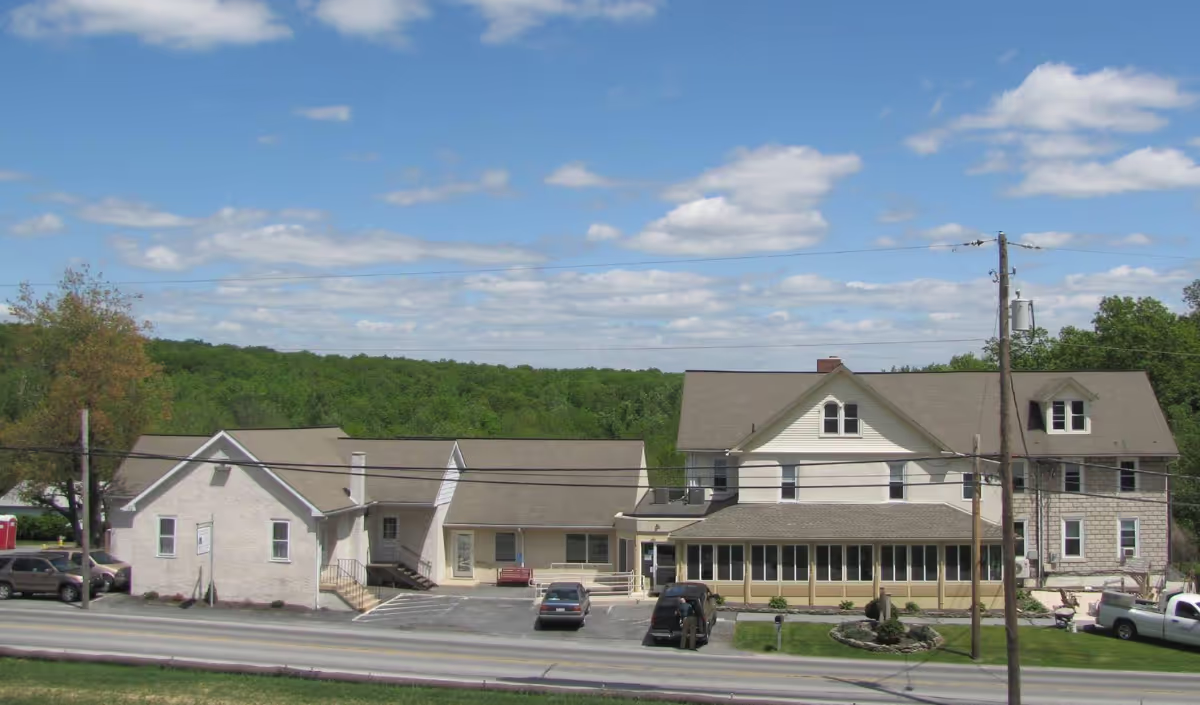
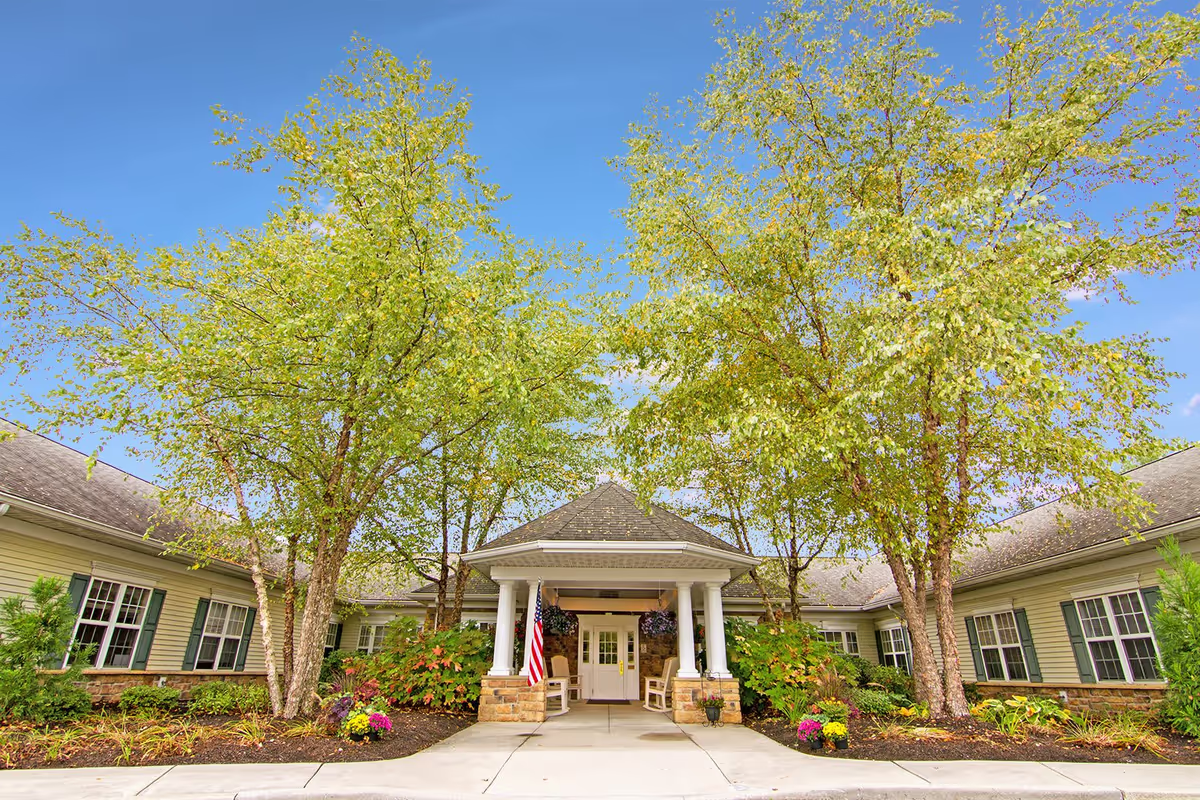
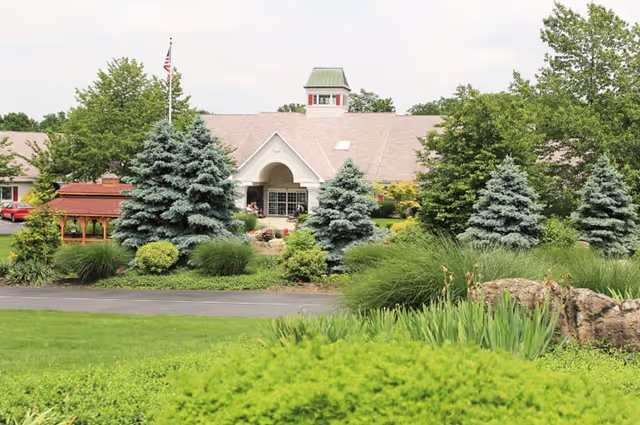
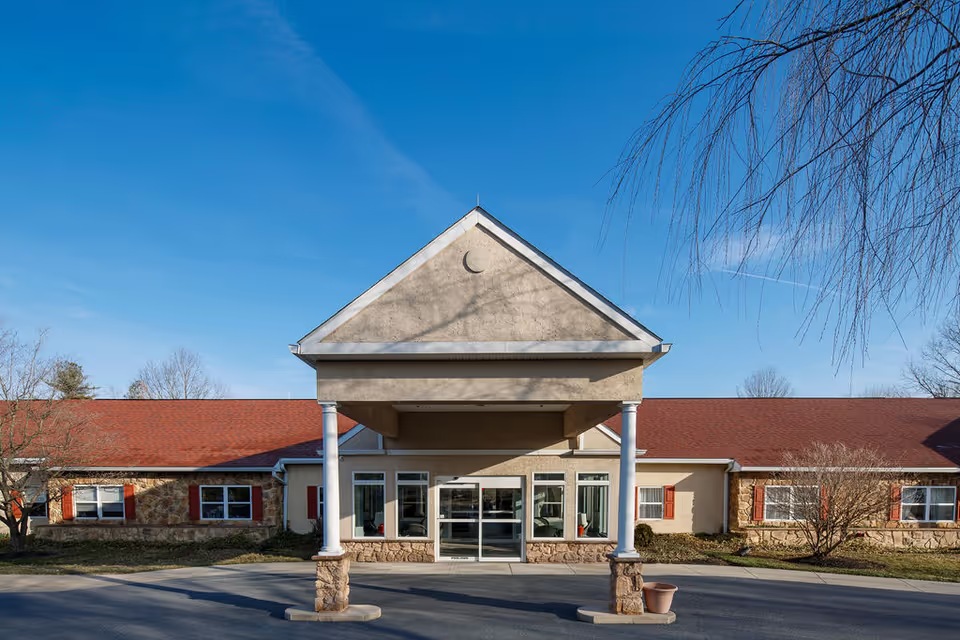
Keystone Villa at Ephrata elicits strongly polarized impressions. Many families and residents highlight strengths that are typical of an upper‑tier assisted‑living community: a bright, well‑maintained physical plant; spacious, sunlit apartments; broad on‑site amenities (pub, chapel, fitness and media rooms, salon, activity kitchen and multiple lounges); and an active social program with scheduled activities, outings and regular transportation. Numerous accounts emphasize attentive, compassionate staff, helpful admissions and move‑in support, weekly housekeeping and responsive maintenance, and visible safety measures such as controlled access and visitor fobs.
Care and staffing present a mixed picture. A substantial number of reviews praise individualized attention, a helpful nursing presence and comforting end‑of‑life support; families describe staff who know residents by name and who provide prompt, compassionate responses. At the same time, a contrasting set of accounts raises operational concerns: inconsistent care quality between shifts or floors, instances of delayed rounds, and workload pressure consistent with understaffing. There are also multiple specific concerns regarding medication administration and the reliability of resident alarm systems that prospective families should evaluate directly during a tour and care‑planning meeting.
Dining and housekeeping similarly show variability. Many residents report good meals, dietary accommodations, guest meal options and the convenience of room delivery. Others describe uneven food quality, repetitive or bland menu selections, and occasional service lapses. Housekeeping and laundry are generally noted as effective (weekly room cleaning, responsive common‑area upkeep), but reports of missing laundry items and uneven in‑room sanitation suggest process controls that may not be uniformly applied across the community.
Activities, amenities and community life are frequent positives. Reviewers commonly cite a robust calendar (music, crafts, games, religious services, bus trips and happy hour), a sociable resident population, and a resort‑like atmosphere in public spaces. The property’s location, grounds and communal areas are often described as inviting and bright. That said, the facility’s size and multi‑story layout may present wayfinding challenges for residents with reduced mobility or cognitive impairment; some families found the building less home‑like than smaller communities.
Management and safety patterns warrant careful inquiry. Many families commend specific staff members and describe clear billing explanations and regular communication. Conversely, others raise concerns about managerial responsiveness, inconsistent accountability, and serious allegations involving staff conduct and financial/property loss; there are also reports of delayed clinical incident response and families being dissatisfied with follow‑up. These conflicting accounts suggest variability in management performance and in how clinical or behavioral issues are escalated and resolved.
Bottom line: Keystone Villa offers substantial physical amenities, an active social program, and many examples of engaged, compassionate staff — features that several families found to be excellent value. However, there is a recurrent pattern of operational inconsistency across care delivery, dining, housekeeping and management responsiveness, and a small number of serious allegations that merit direct discussion. Prospective residents and families should visit multiple times, ask for current staffing and incident‑response protocols, review sample menus and clinical policies, and speak with both residents and families to assess whether the community’s strengths align with their specific care and safety expectations.