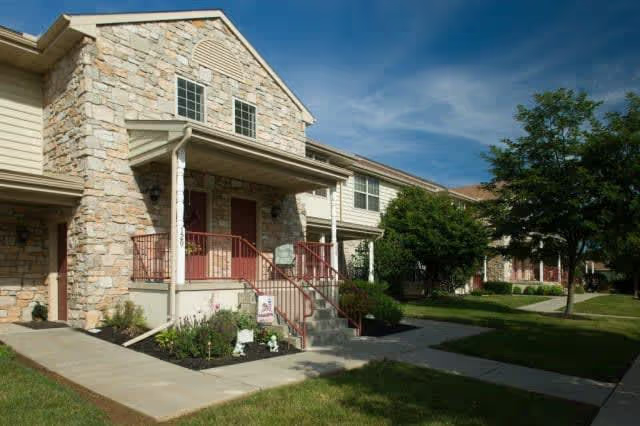
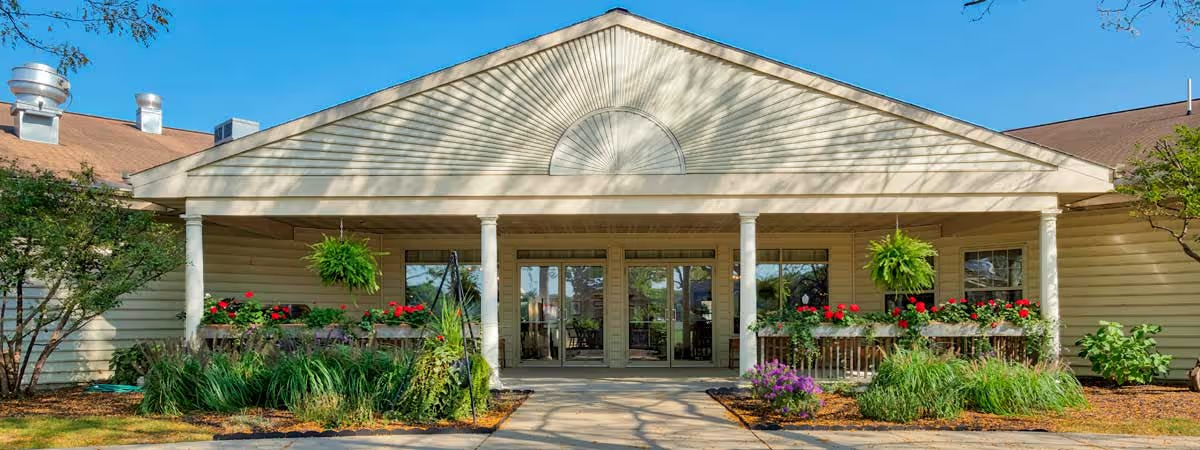
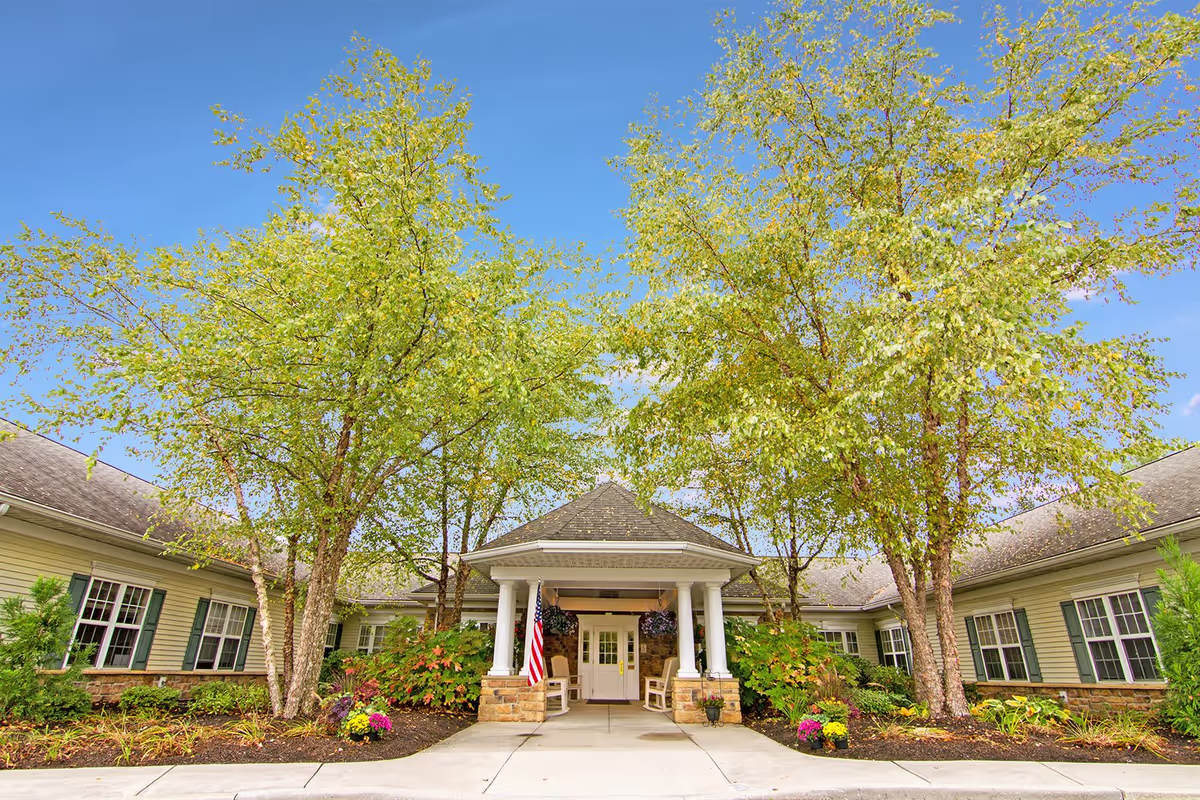
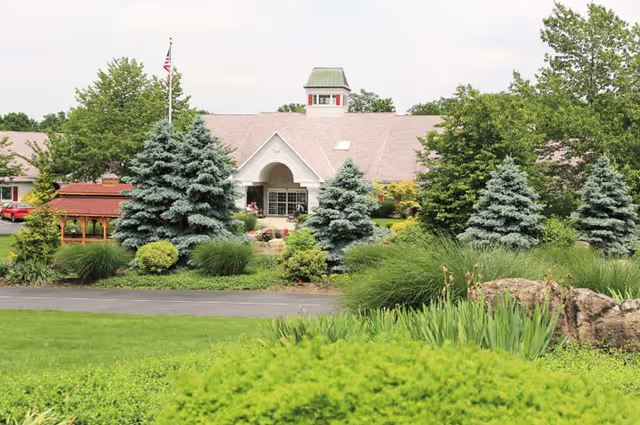
Linden Village presents a mixed but informative profile for prospective residents and families. Many reviewers praise the community’s cottage-style, home-like design, private rooms with large bathrooms, and pleasant outdoor spaces. The activities program is frequently highlighted for its variety — music, concerts, bingo, trivia, crafts, exercise and church services — and families often report that the activities staff is energetic and successful at keeping residents engaged. Dining is repeatedly described as home-cooked and enjoyable, with small dining groups and flexibility around seating that many families find calming.
Clinical and caregiving strengths are evident in numerous accounts: several families describe compassionate, resident-focused caregivers, skilled LPNs and nurse-practitioner oversight, and coordinated transitions from hospitals or rehab. On-site rehabilitation and therapy services receive positive mentions, as do amenities such as the salon, courtyards, and walking paths. For many residents with moderate memory-care needs, the smaller cottages and dementia-focused programming provide a sense of belonging and stimulation.
However, the reviews also reveal important operational weaknesses to weigh. Staffing consistency and coverage are recurring concerns: some families describe periods of limited caregiver presence, particularly in certain cottages, which can exacerbate delays in assistance and supervision. These staffing patterns are linked in reviews to gaps in fall prevention and slower response times during incidents. Medication-management inconsistencies and occasional delays in ordering or administering medications are also described, creating an area for specific inquiry during a tour.
Housekeeping and sanitation show variability across accounts. While many spaces and cottages are described as immaculately kept, other reports note housekeeping lapses, laundry errors, and intermittent odor concerns in parts of the facility. Security and personal-item control are another pattern: missing belongings and unsecured valuables are mentioned often enough that families should ask about inventory and room-access protocols. Management communication is uneven in reviewers’ experiences — some families report timely, proactive outreach, while others describe slow or insufficient incident follow-up and mixed explanations about shifts or clinical changes.
Taken together, Linden Village can offer a warm, activity-rich environment with strong elements of individualized care and clinical oversight for residents with moderate needs. At the same time, there are repeated indicators of operational inconsistency — particularly around staffing levels, medication processes, sanitation, supervision, and personal-item security — that have significant implications for residents with higher-dependency needs. Prospective families should conduct multiple visits (including unannounced or meal-time visits), ask for specific staffing ratios, review medication-administration and incident-response protocols, verify housekeeping and laundry procedures, and clarify how management communicates and documents clinical events before committing. Continuous family involvement and monitoring after move-in are advisable to ensure the level of care matches expectations.