The reviews for Hillcrest Rehabilitation and Healthcare Center are sharply polarized. Many families and residents describe compassionate, attentive nursing assistants, skilled therapists, and a warm, family-like atmosphere that supports social engagement and a respectful patient experience. Others describe patterns of inconsistent care, delayed responses to needs, and operational lapses. As a result, impressions of the facility range from highly positive—especially for short-term rehab stays—to significantly critical for some long-term residents.
Care quality and staffing: Care experience appears highly dependent on shift, unit, and individual staff. Positive accounts highlight caring CNAs, engaged RNs/LPNs, and therapists who helped residents progress. Conversely, significant concerns center on inconsistent staffing levels, frequent use of agency nurses, and variability in caregiver responsiveness. Reviewers cited delays in toileting assistance and feeding, rough or inattentive handling at times, and gaps in fall-response and family notification. These issues indicate variability in direct-care practices and potential weaknesses in staff training or shift coverage.
Staff conduct and management: Many reviewers praise specific staff members and administrators for responsiveness, clear communication, and compassionate interactions; social work and admissions staff were frequently noted as helpful. However, other accounts describe problems with front-line staff conduct (tone and attentiveness), nonfunctional or ignored call systems, and aides distracted by personal devices. Several reviews note improvements under new ownership and responsive managers, suggesting management changes can materially affect day-to-day operations. Families considering the facility should ask about current staffing ratios, agency nurse usage, and supervision practices.
Dining and therapy: Dining impressions are mixed. Positive reports mention customizable meals, extra trays, and some well-prepared dishes; negative reports describe bland, overcooked, or late meals with limited alternatives—particularly on weekends or for special diets. Therapy offerings are also uneven: some residents received focused, effective rehabilitation, while others reported brief, group-based sessions with limited individualized attention. Prospective residents should confirm expected therapy duration, scheduling (including weekend availability), and dietary accommodations before admission.
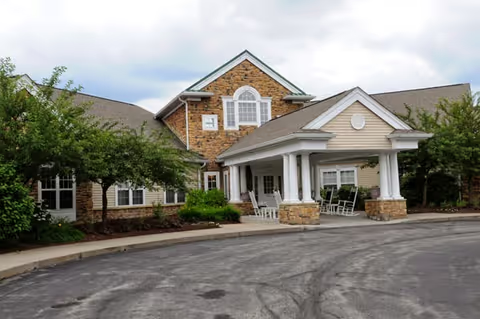
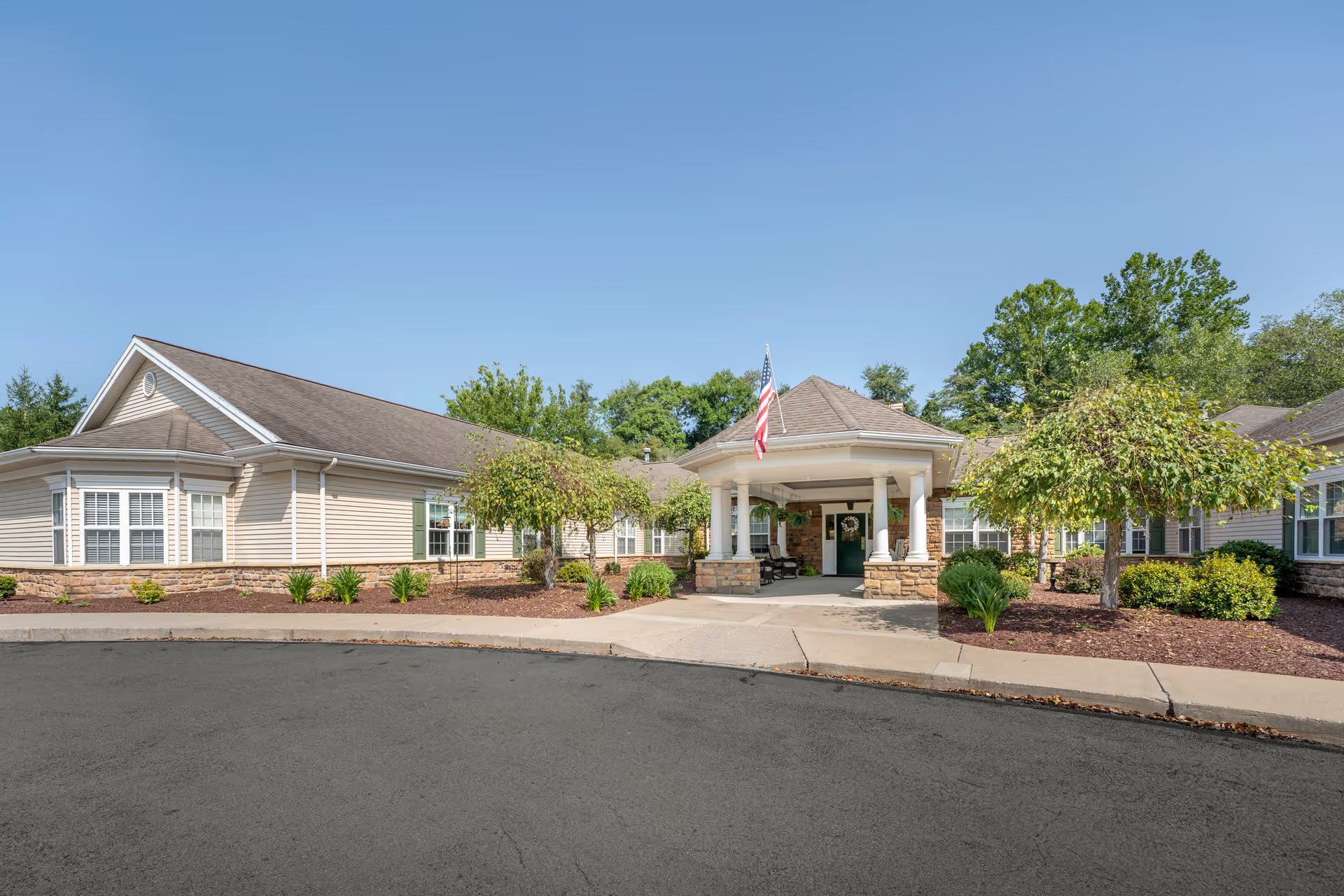
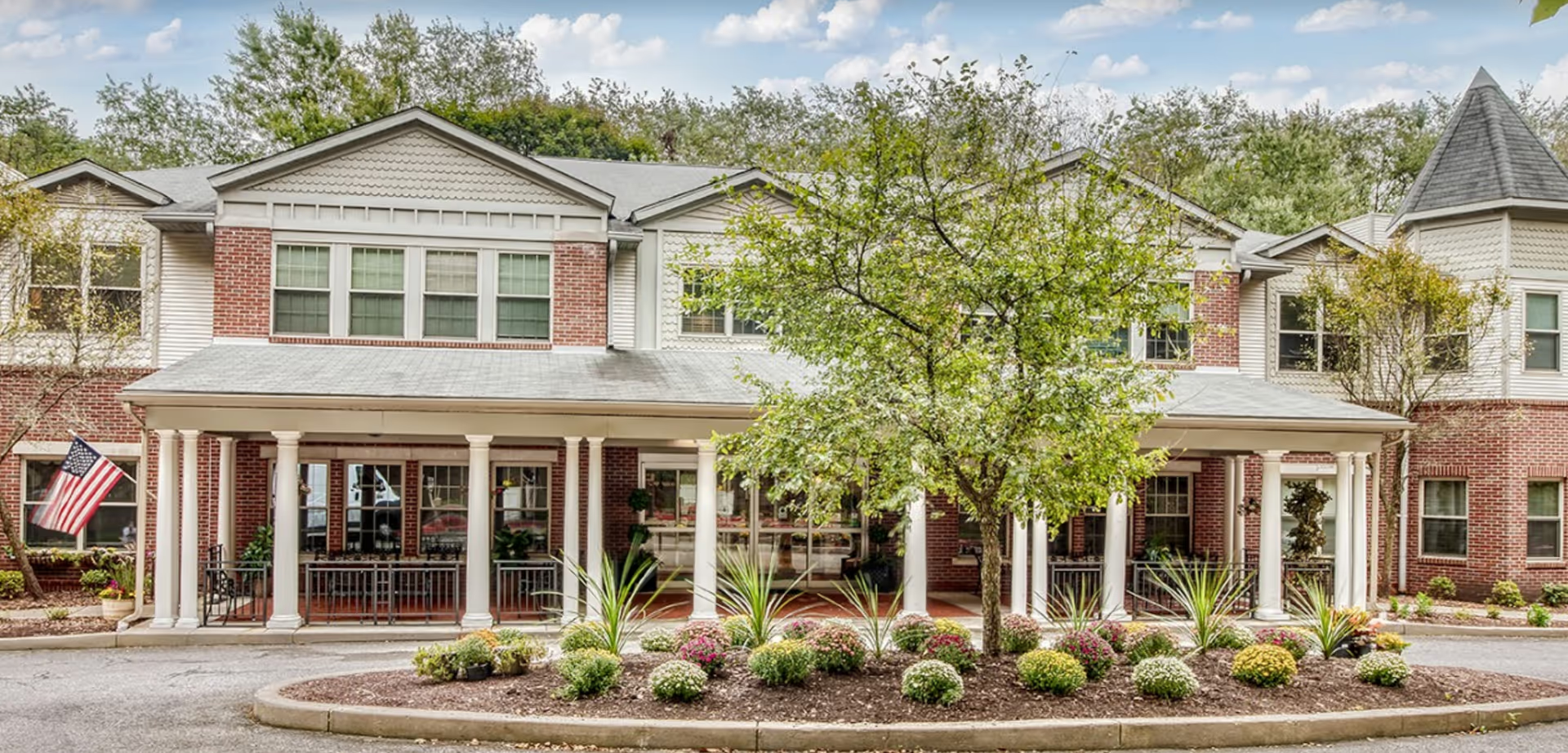
Activities and social environment: The facility offers active programming, social events, and accessible common spaces (lobby, TV room, front porch) that contribute to a welcoming atmosphere for many residents. Some families noted limited activity participation when a high proportion of residents were bedbound, and memory-care areas were described as less well-appointed than regular rooms. Overall, the social environment is a strength when staffing and resident acuity permit regular programming.
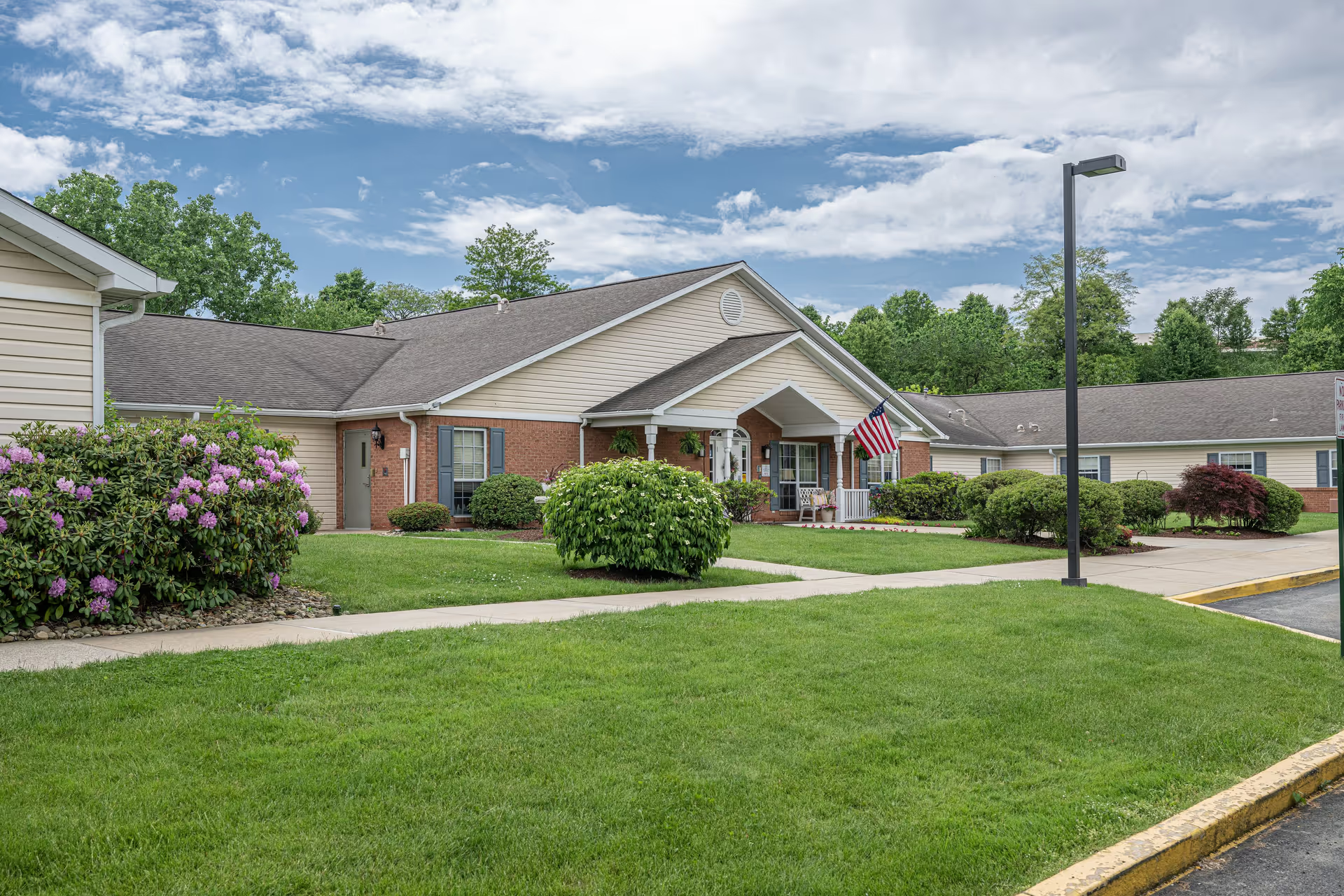
Facilities, safety, and infection control: Reviews describe a mixed physical environment. Several accounts praise a clean, bright building with adequate parking and a smooth admissions process; others cite aged infrastructure, water damage, exposed electrical fixtures, and maintenance deficits. There are recurring sanitation concerns, odor issues in some areas, and at least some allegations of pest-control and wound-care problems that families found serious. Infection-control practices were flagged for review by some. These observations point to uneven facility upkeep and variable compliance with environmental safety standards.
Notable patterns and recommendations: The dominant pattern is variability—care and environment can range from excellent to problematic depending on unit, shift, and recent management changes. Recurrent operational themes are understaffing, communication failures (call buttons, phone system, family notifications), inconsistent meal and medication processes, and maintenance/sanitation concerns. Prospective families should tour the facility multiple times (including evenings/weekends), ask for current staffing ratios and agency-nurse policies, review recent inspection or infection-control reports, confirm therapy schedules and dietary accommodations, and inquire about property-loss prevention and incident-notification procedures. When possible, seek references from recent families whose needs mirror your own (short-term rehab vs long-term memory care) to gauge consistency in the areas that matter most.