Overview: Peters Township Post Acute elicits strongly mixed impressions. Many families and patients praise the rehabilitation services and direct caregiving: physical, occupational, and speech therapy programs receive repeated commendation for effectiveness and outcomes, and several reviewers described skilled wound care and attentive support from nursing assistants and therapists. Renovated areas and an upgraded nurse station are described as clean and comfortable, and social programming, open visiting in some units, and accessible indoor/outdoor spaces are frequently noted as positive quality-of-life features.
Care quality and clinical patterns: Clinical strength appears concentrated in short-term rehabilitation and therapy services, where PT/OT teams and some nurses are described as highly competent, responsive, and focused on recovery goals. At the same time, a pattern of inconsistent clinical practices emerges: delays in medication administration and call-light response, abrupt medication changes, and gaps in discharge planning were cited. A subset of families described serious adverse outcomes that prompted hospitalization and regulatory complaints, indicating that care variability can be consequential for higher-acuity patients. Prospective families should ask specific questions about medication oversight, handoff processes, and how the facility manages higher-risk residents.
Staff and communication: Staff behavior and communication are uneven. Numerous reviews highlight compassionate, dedicated caregivers and strong teamwork among aides and therapists; however, frequent turnover, use of agency staff, and episodes of unprofessional conduct were also described. Communication with families varies—some social workers and admission staff are praised for guidance on benefits and discharge, while other families experienced poor responsiveness or unclear information. Transportation coordination and follow-through from administrative teams were noted as recurrent pain points.
Dining, activities, and resident life: Meal service is generally punctual and meals are available, and several families appreciated communal activities, musical guests, and regular engagement opportunities that kept residents active. Food quality and temperature were inconsistent in some accounts. Recreational programming and celebrations (for example, birthday treats and video chats) contributed positively to resident morale where they were present.
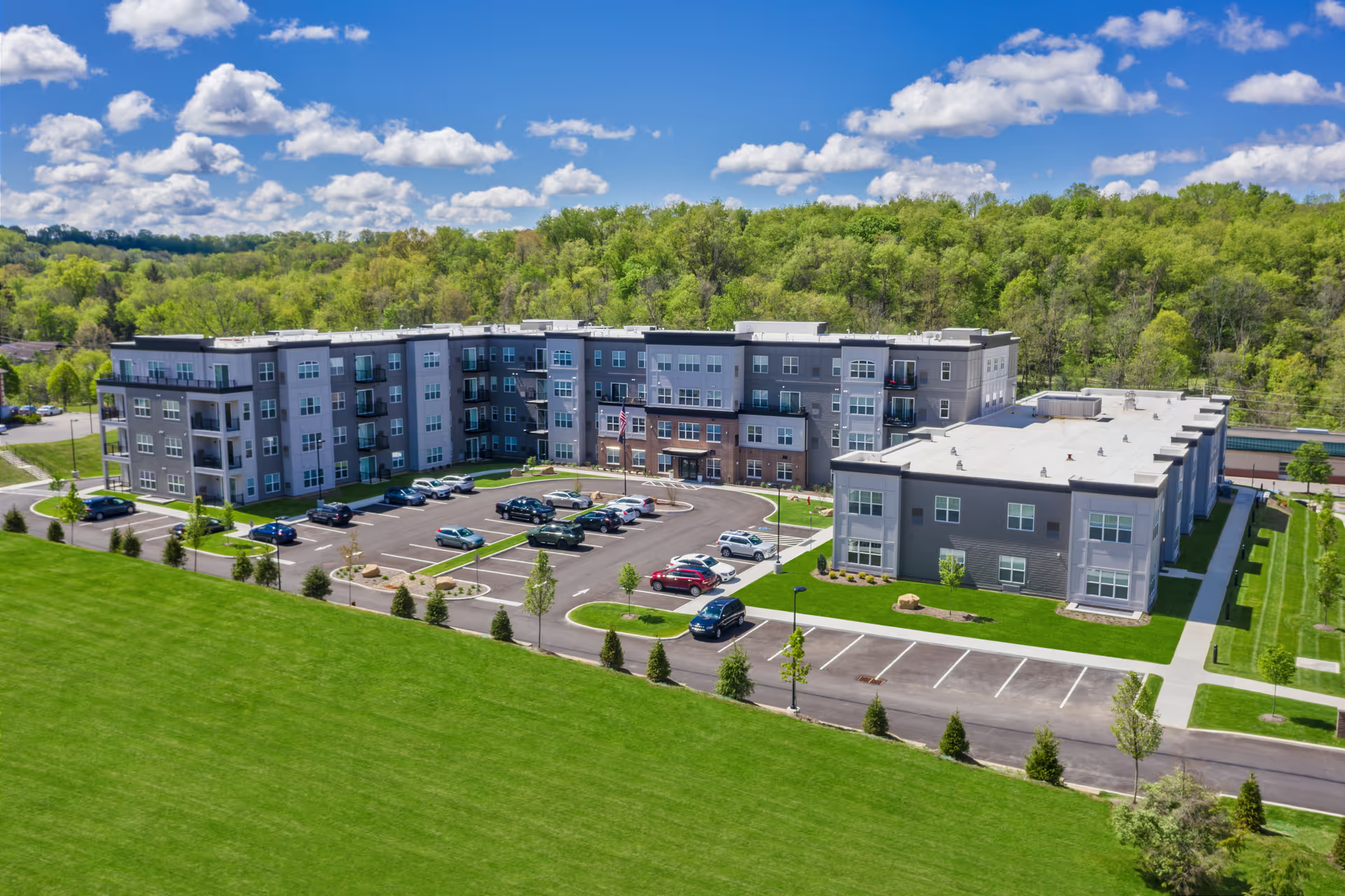
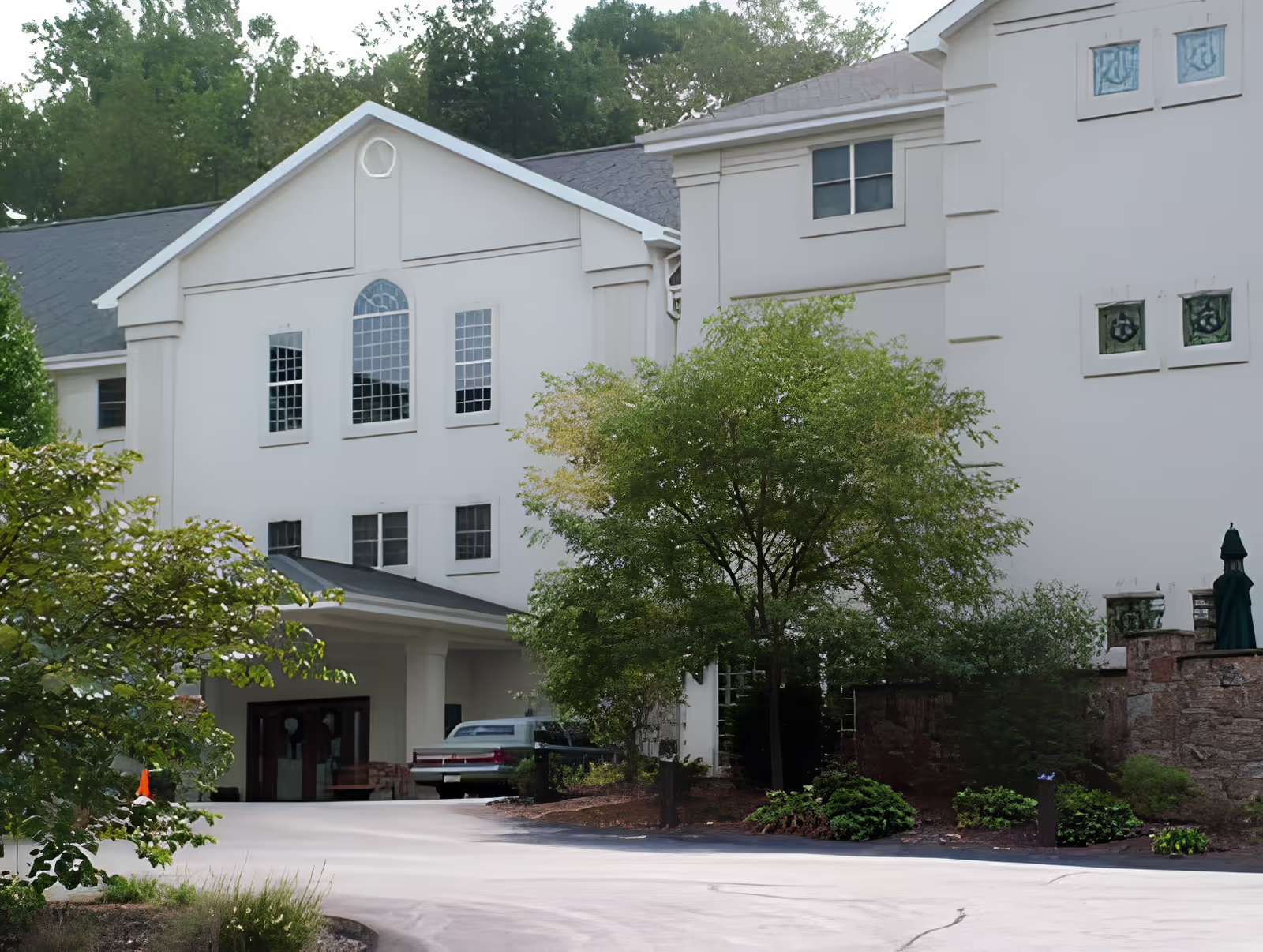
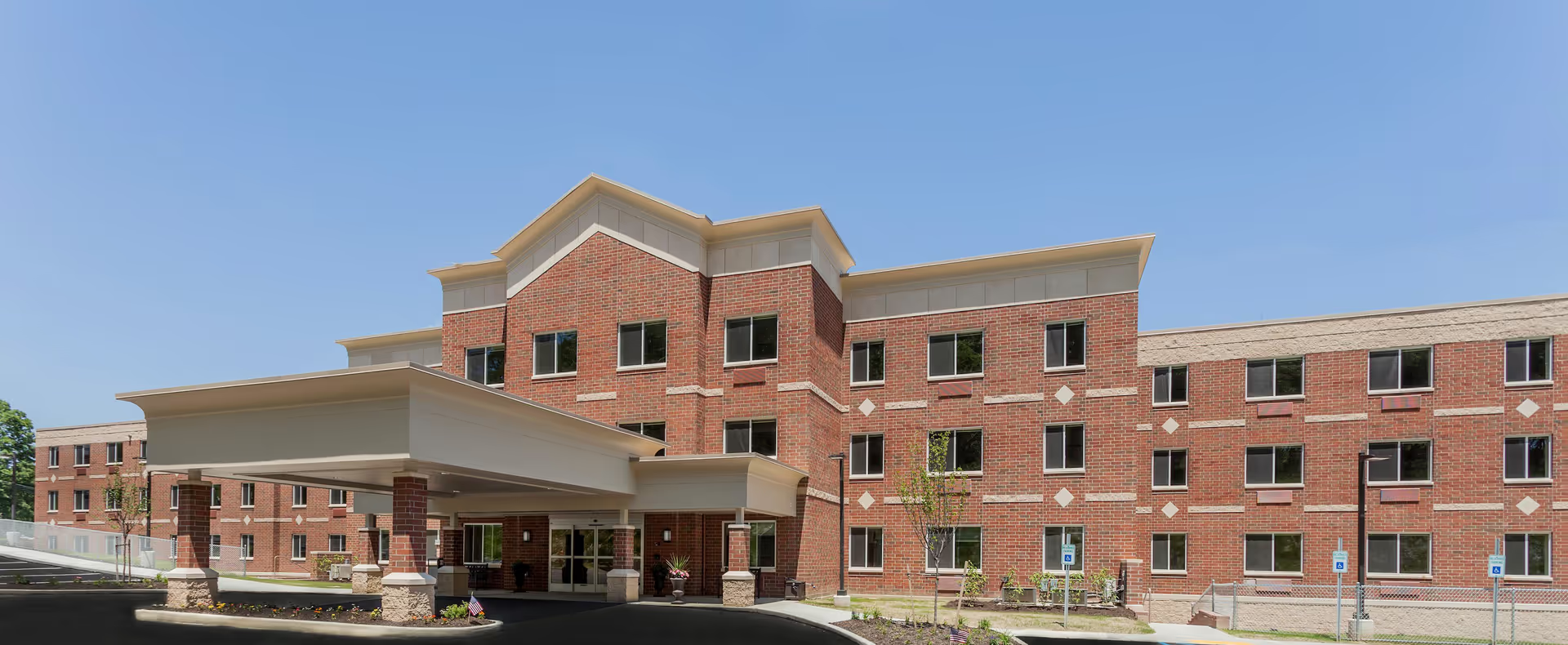
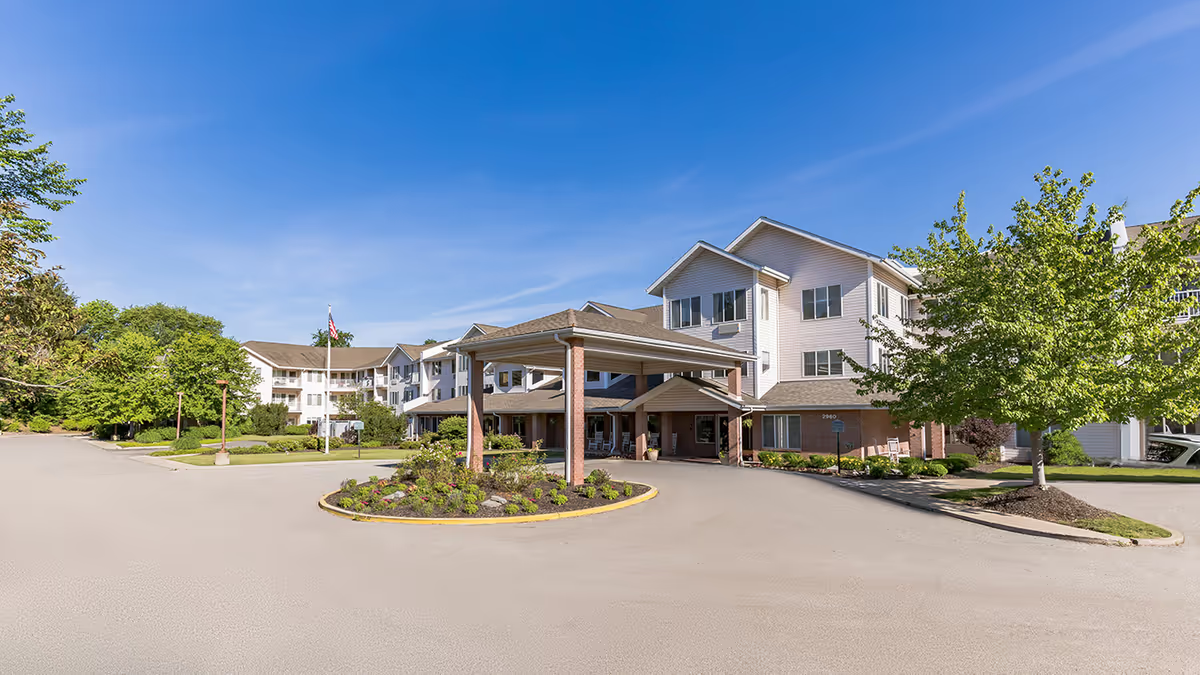
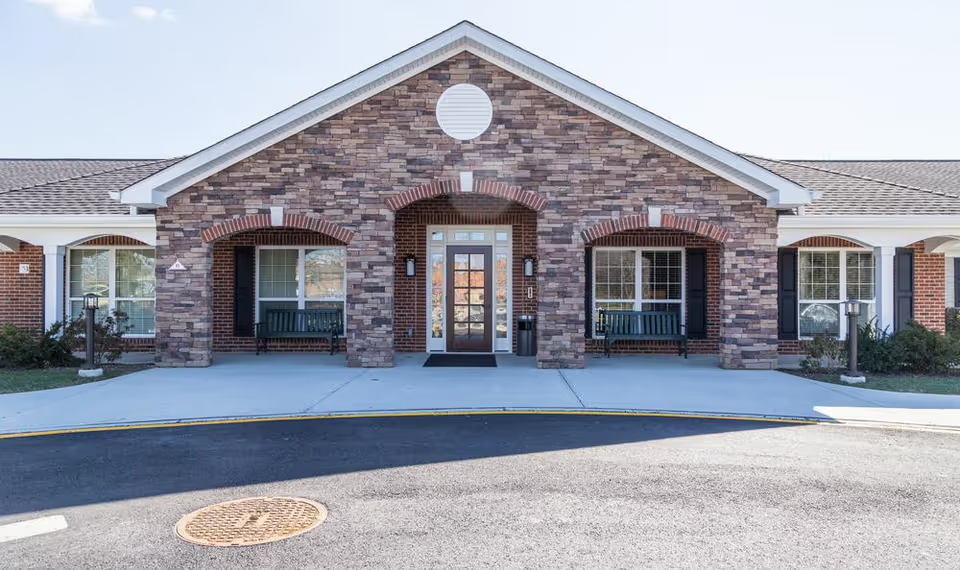
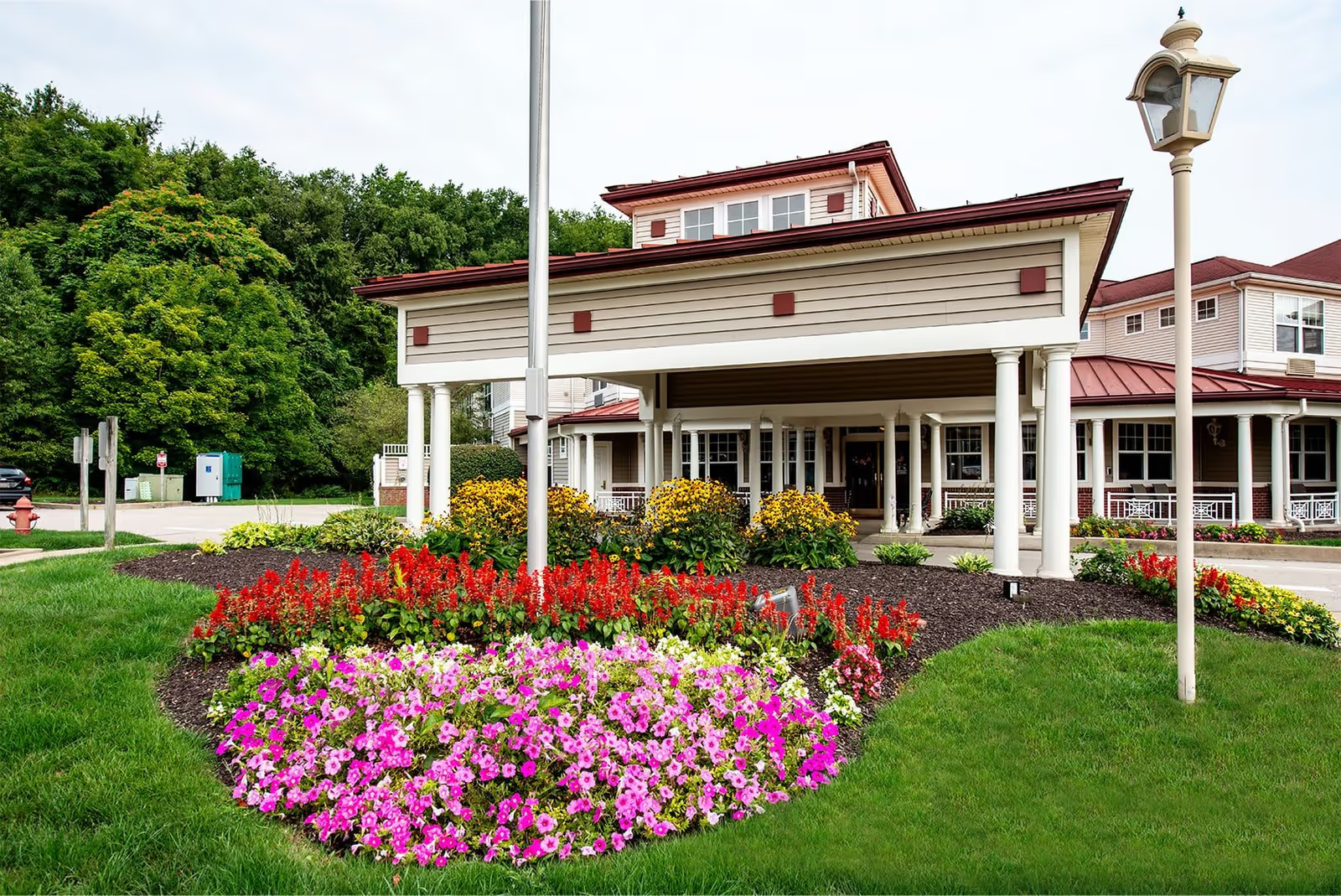
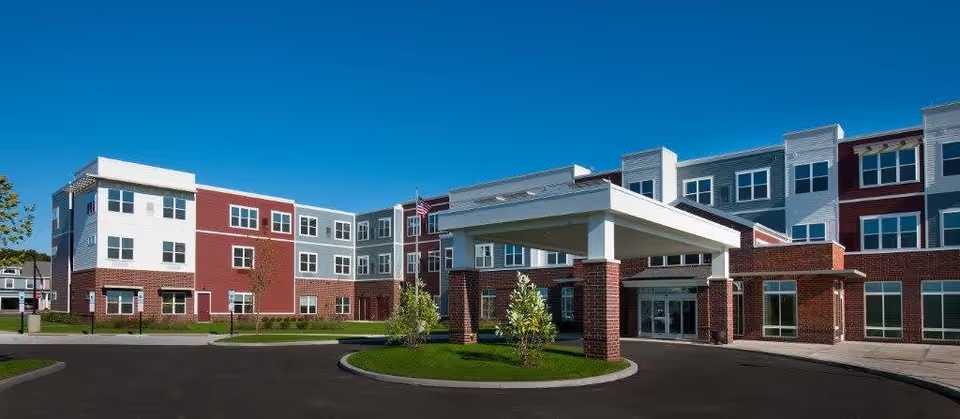
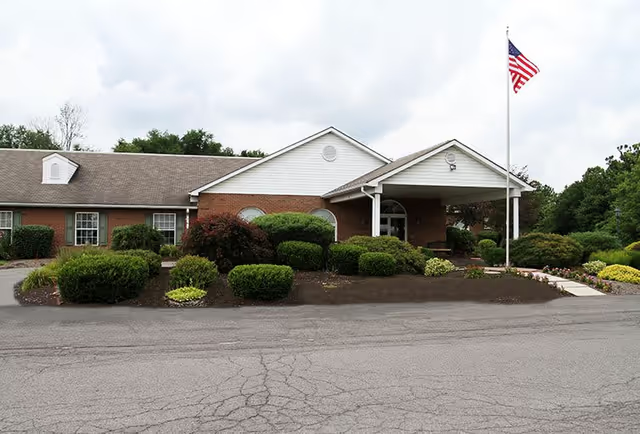
Facilities and infection control: The facility presents a contrast between renovated upper-level units and older lower-level areas. Renovated sections were described as clean and modern, while other areas showed maintenance needs, sanitation concerns, pest-control issues, and isolated infrastructure problems such as leaking ceilings. Infection-control practices are noted as stringent by some families (strict COVID protocols) but other accounts describe staff working while ill and exposures that impacted resident safety. Verify current infection-control policies and recent maintenance/upkeep records when evaluating the facility.
Management, complaints, and patterns to watch: Common operational weaknesses include inconsistent staffing, variability in medication and toileting responsiveness, transport and discharge coordination failures, and slow resolution of billing or complaint issues. There are also mentions of formal complaints and legal escalations in relation to care and financial concerns. These patterns suggest variability in managerial oversight and accountability. When considering the facility, ask for unit-specific staffing ratios, examples of recent quality-improvement actions, documentation of medication administration protocols, and the facility’s process for handling family concerns.
Bottom line: Peters Township Post Acute offers strong rehabilitation services and has many compassionate, effective caregivers and therapists, particularly for short-term stays. However, the facility exhibits operational inconsistencies—notably staffing variability, maintenance and sanitation gaps in older units, medication and response delays, and uneven administrative responsiveness—that may affect more medically complex or long-stay residents. Families should conduct a focused tour of the specific unit being considered, review staffing and medication oversight procedures, confirm discharge and transport arrangements in writing, and ask for recent inspection or quality-improvement records before making placement decisions.