Reviews for Northern Dauphin Nursing & Rehabilitation present a mixed picture: many families and residents praise the facility’s therapy programs, events, and numerous caring staff members, while others describe operational problems that affect day-to-day care. Strengths commonly noted include skilled rehabilitation (physical, occupational, and speech therapy), a busy and varied activities calendar, and several staff members who are described as compassionate, attentive, and effective at transitions from hospital to facility.
Care quality appears to be uneven. Positive accounts highlight individualized therapy plans, successful post-surgical rehab, and instances of rapid, life-preserving interventions by nursing staff. At the same time, there are recurring concerns about understaffing, high reliance on agency personnel, and variability in nursing and aide performance across shifts. Operational failures implied by multiple accounts include delayed incontinence care, inconsistent bathing schedules, medication-management lapses, and occasional failures in clinical escalation—issues that can lead to transfers to higher levels of care. Families should expect that clinical quality may vary by unit and shift and should ask targeted questions about staffing ratios and clinical protocols when evaluating the facility.
Staff and management perceptions are similarly mixed. Numerous reviewers praise individual caregivers, activity staff, and some administrators for being organized, helpful, and communicative. Conversely, other reviews cite poor phone responsiveness, gaps in family communication (including abrupt changes in care-team assignments), interpersonal tension among staff, and instances of unprofessional conduct toward visitors. There are accounts indicating significant staff turnover and morale challenges; prospective families may want to inquire about turnover rates, use of agency staff, and how the facility supports staff training and culture.
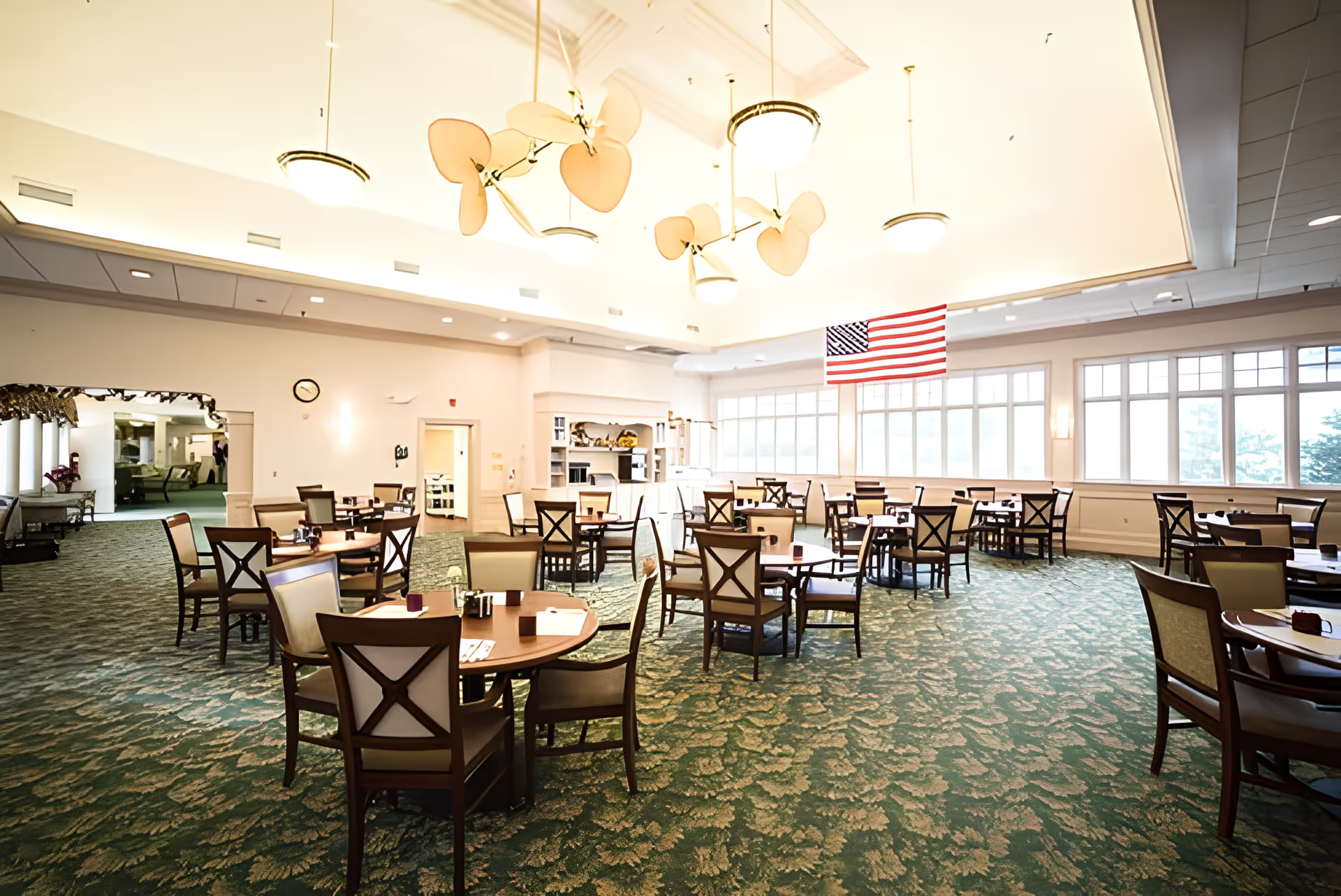
Dining and activities are standout areas for many reviewers. Meals are often described as above-average for an institutional setting, and the activity program receives consistent positive mention for being varied, meaningful, and well-run—seasonal events, holiday meals, volunteer visits, and therapeutic activities are frequent. That said, some reviews mention inconsistent meal-time assistance for residents who need help eating, and occasional dissatisfaction with specific meals.
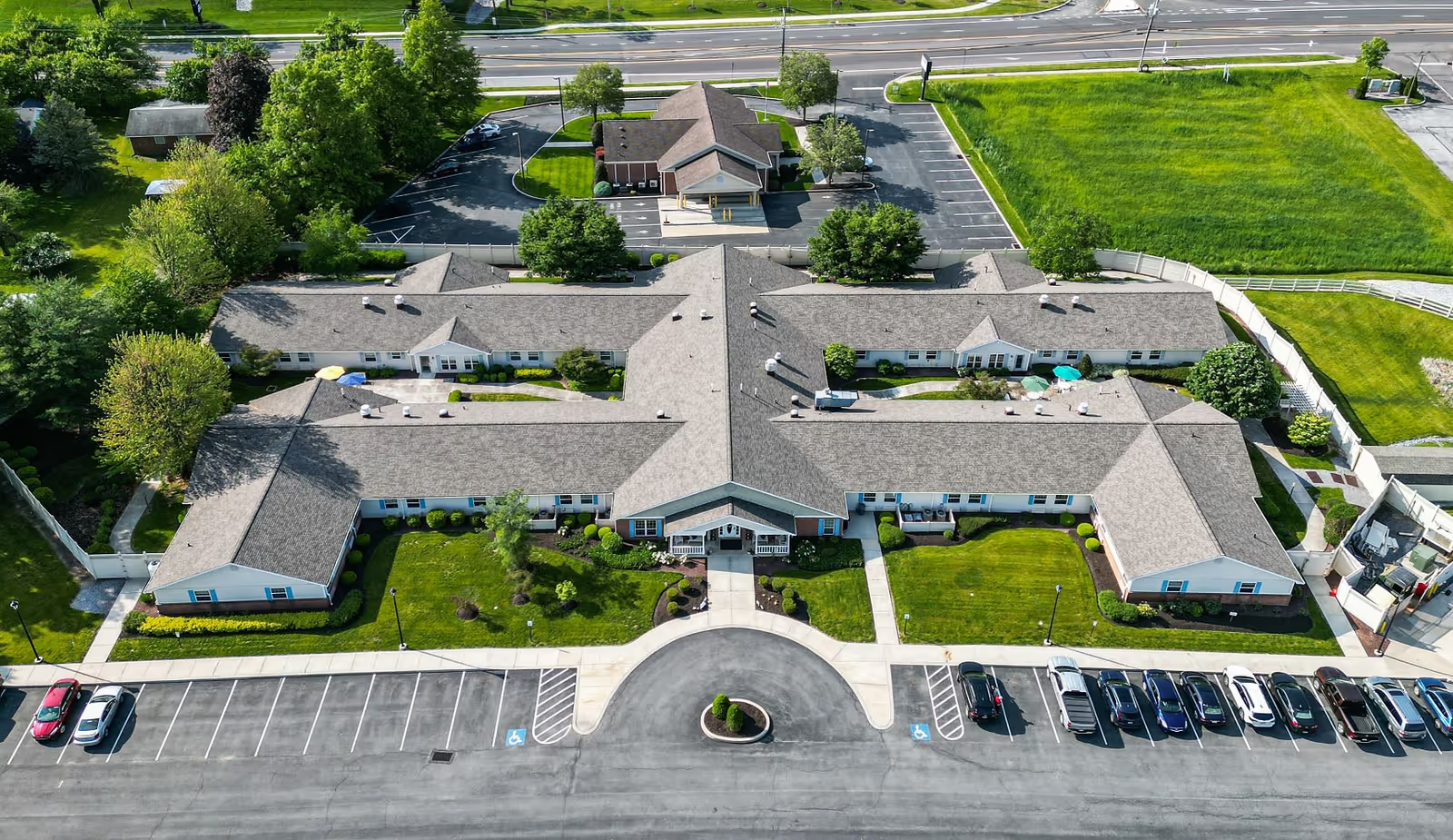
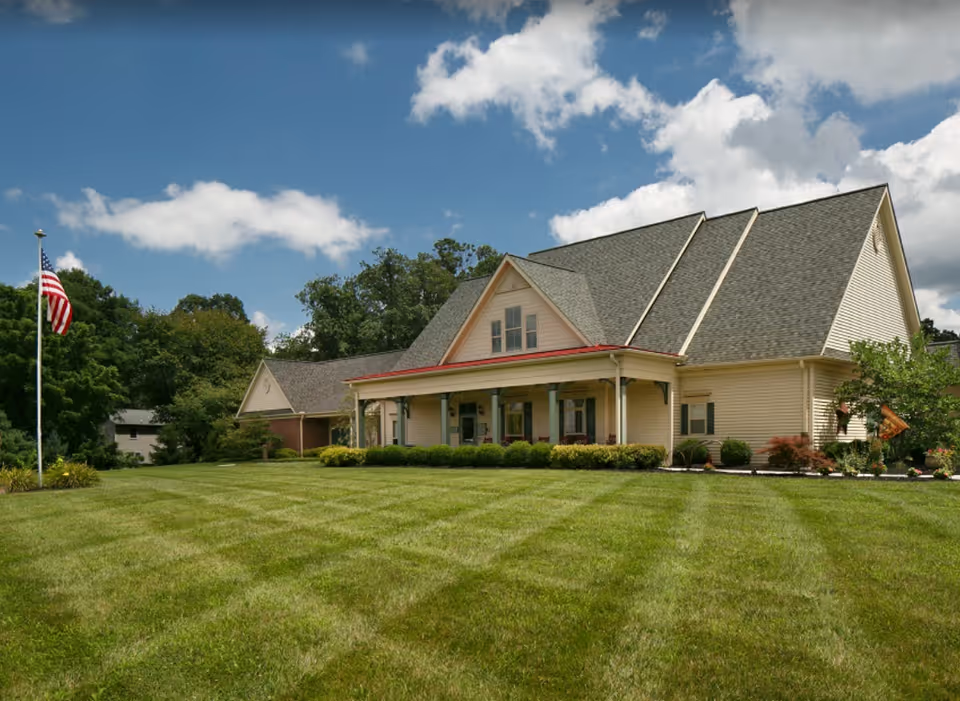
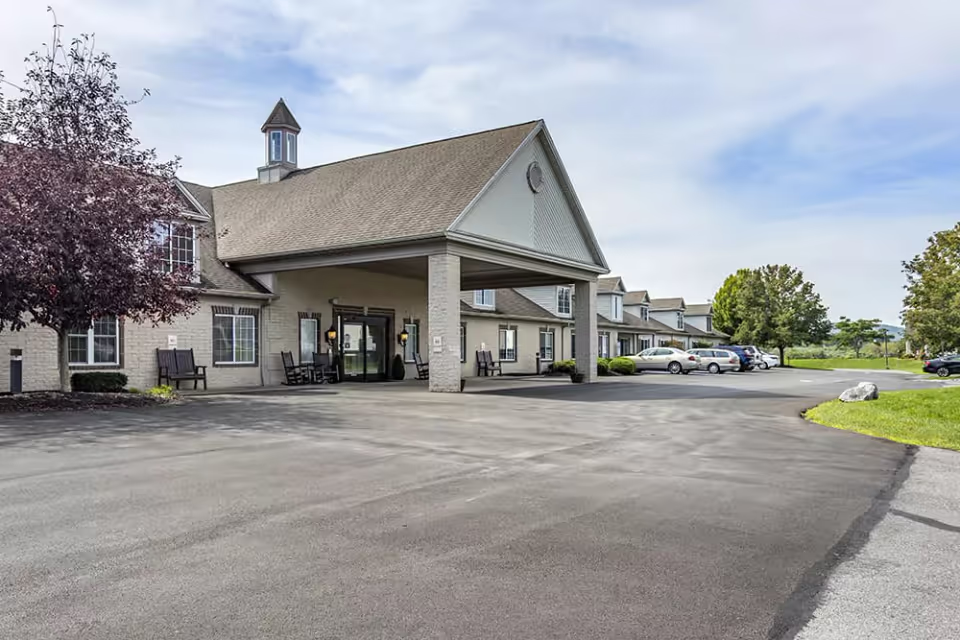
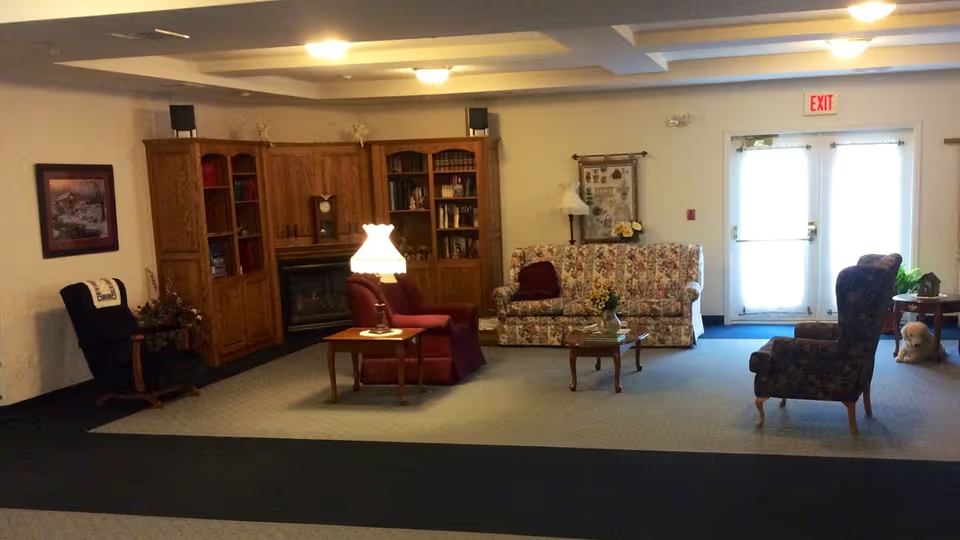
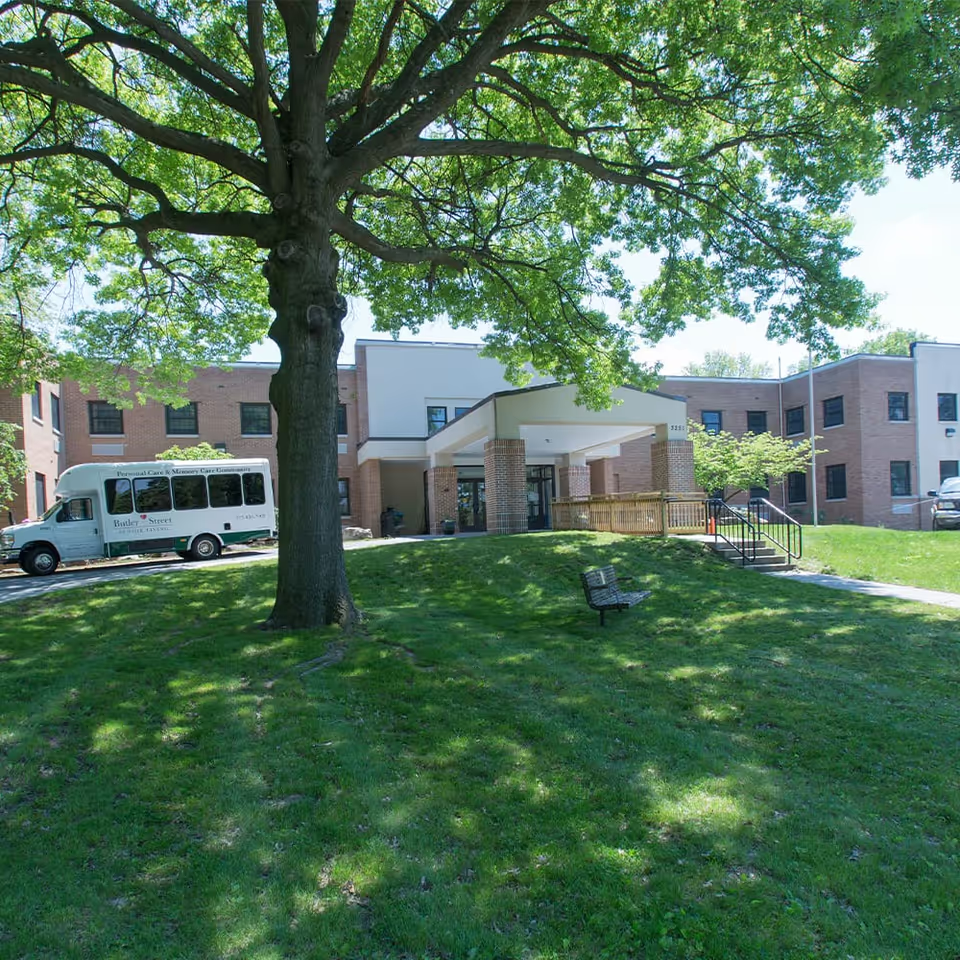
Facility condition comments range from praise for a well-kept, scenic campus to specific operational concerns. Positive notes include clean common areas, pleasant grounds, and comfortable views. Negative observations include room-level cleanliness issues (dust, dried food, cobwebs), pest-control concerns, and reports of slow maintenance responses for repairs. These are operational areas to verify on an in-person tour and to discuss with leadership.
Notable patterns that emerge across reviews are variability and inconsistency: many reviewers describe excellent, compassionate care and robust programming, while others describe systemic operational weaknesses that materially affect resident experience. Key areas to probe during a visit include current staffing levels and use of agency staff, medication-administration and personal-item tracking procedures, protocols for clinical escalation and infection/pest control, and examples of how management addresses family communication and staff conduct. Asking for recent staffing metrics, sample activity schedules, and evidence of corrective actions for any cited issues will help families assess whether the facility’s strengths align with their expectations and the level of oversight they require.