Reviews of Harmon House Health & Rehab Center are highly polarized: a substantial portion of families and visitors describe a clean facility, attentive and compassionate staff, active programming, and competent therapy services, while another portion raises serious operational concerns around responsiveness, clinical practices, and leadership. This mixed pattern suggests that experiences can vary significantly by unit, shift, or specific care team.
Care quality and safety: Positive accounts emphasize well-managed medications, appropriate use of transfer equipment, and rapid responses to incidents in some cases. Skilled rehabilitation services (PT/OT) are available and praised by families who saw good progress. Conversely, a number of reviews raise concerns about delayed responses to resident needs, incontinence-care delays, inconsistent bathing schedules, and at least one serious outcome that prompted concerns following a resident's death. There are also mentions of gaps in medication administration and medication-security controls. These items point to variability in clinical reliability and escalation practices across the facility.
Staff and culture: Many reviewers highlight compassionate, hardworking direct-care staff, specific caregivers who are highly regarded, and strong teamwork among nursing, dietary, housekeeping, maintenance, and activities departments. At the same time, recurring comments reference understaffing, variable professionalism or tone from some staff members, and historical reliance on agency staff. Multiple reviews indicate recent leadership changes and an ‘‘agency-free’’ nursing claim, which some families view as an improvement in stability and culture.
Dining, rehabilitation, and activities: Dining is frequently described as having menu choices and acceptable to good quality, though a subset of families found food quality inconsistent or overpriced. Rehabilitation services are available and effective for many residents, but outcomes appear variable depending on the admitting team and individual case. The activities program is consistently cited as a strength: a broad calendar of group events, holiday programming, community involvement, and one-to-one visits for residents less able to participate in groups.
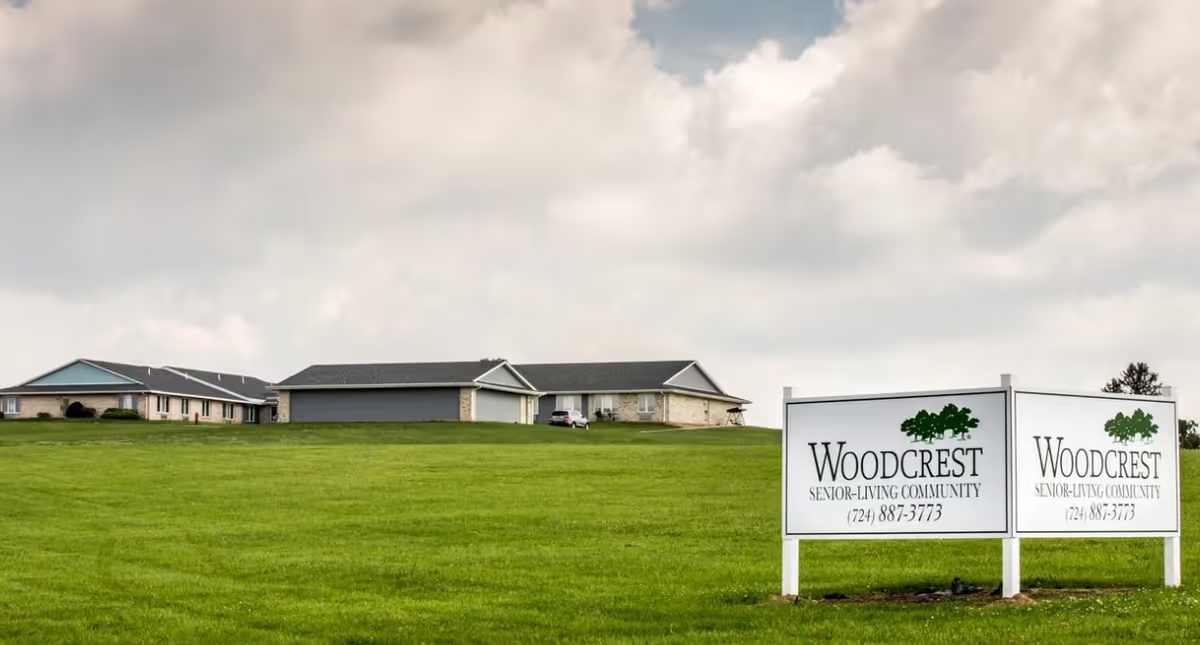
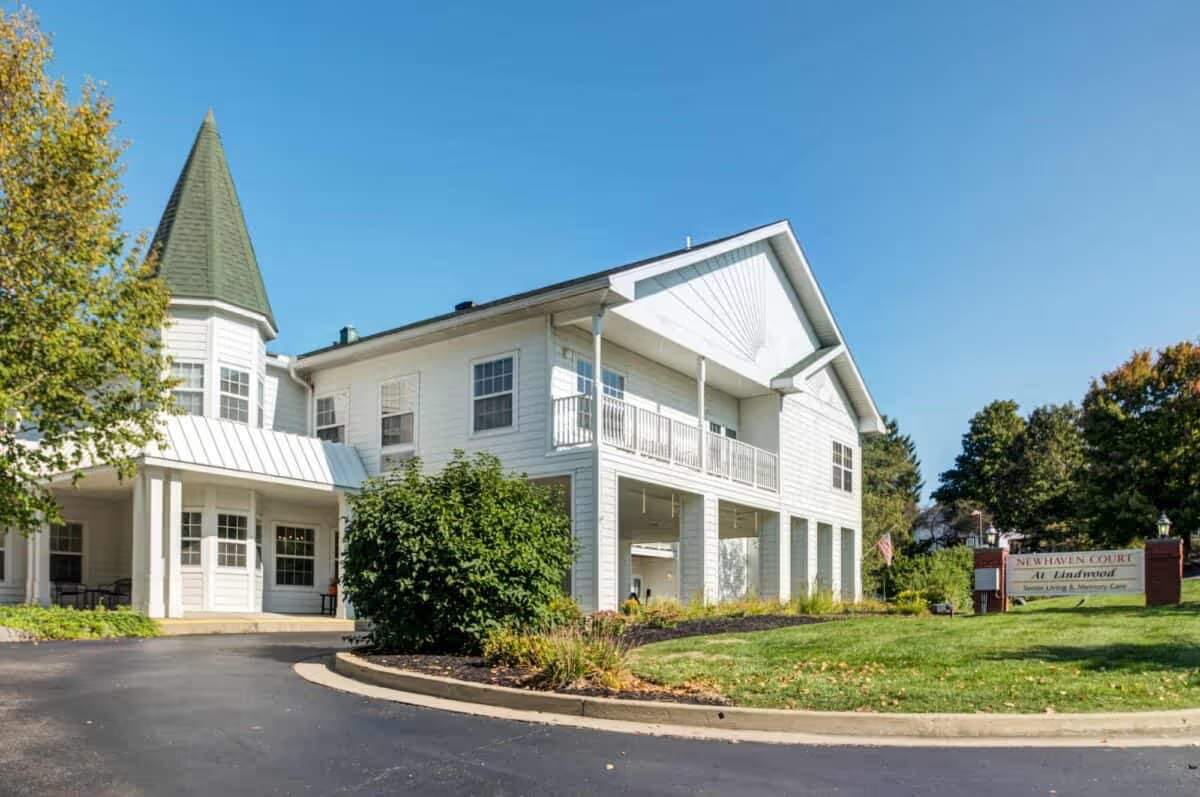
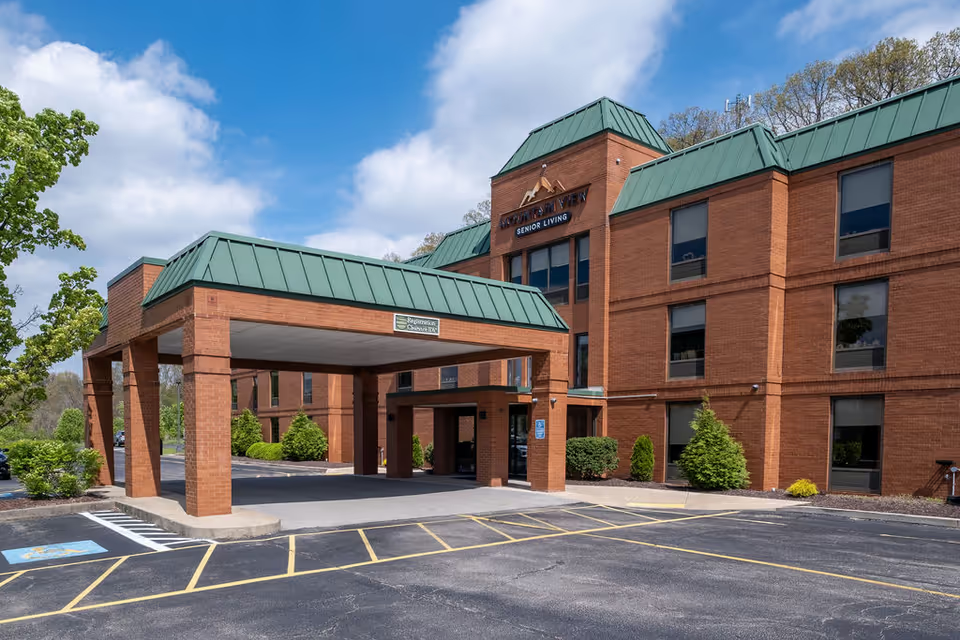
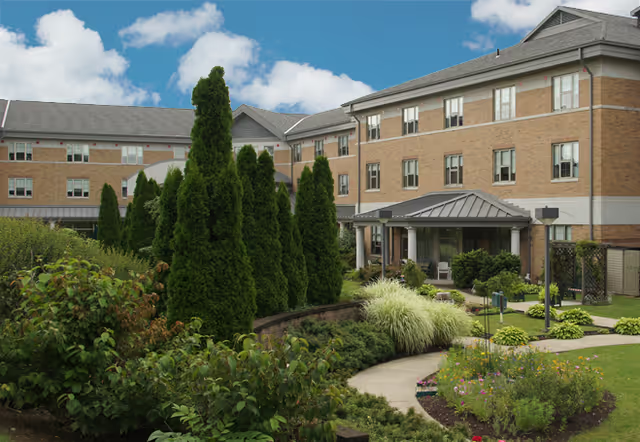
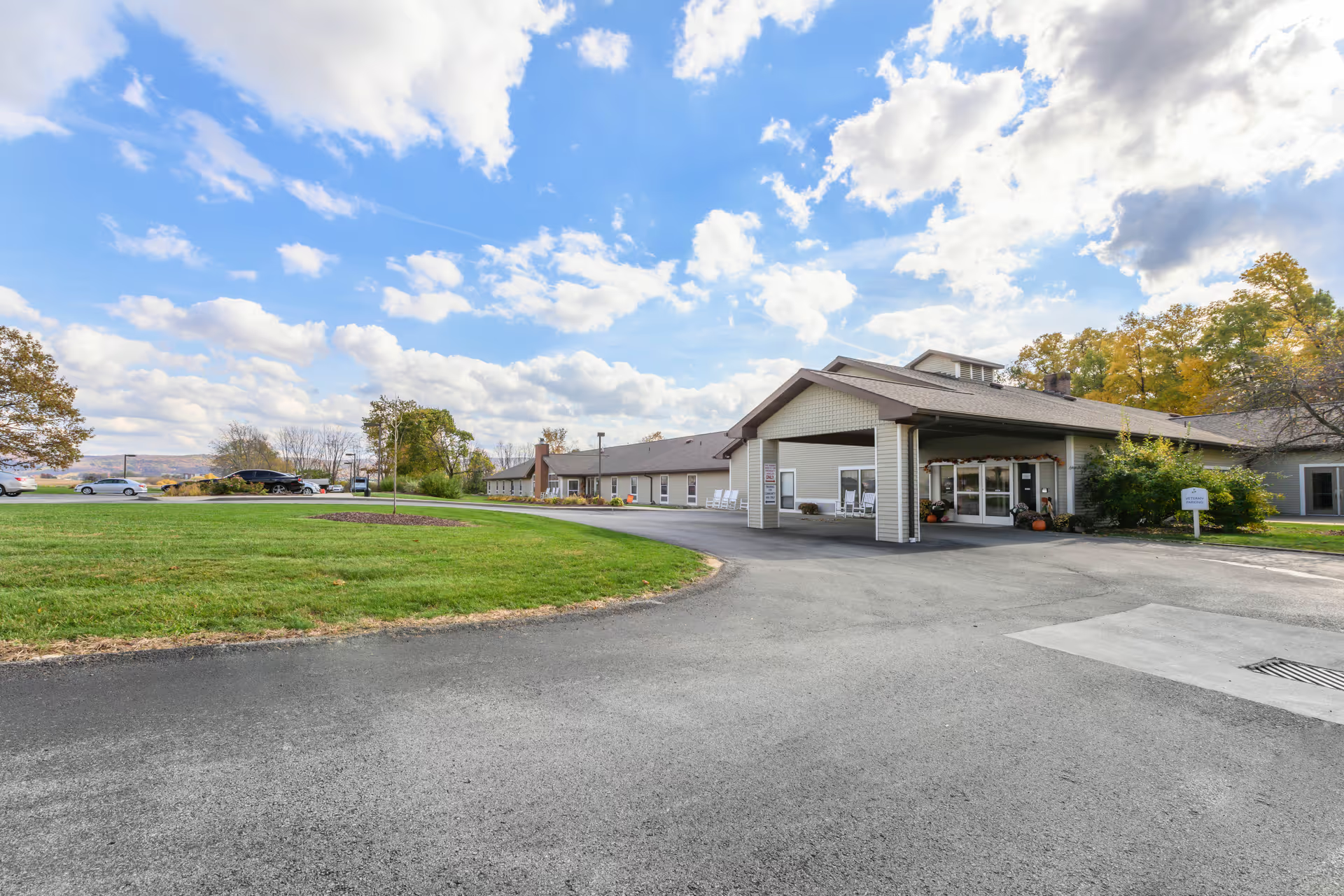
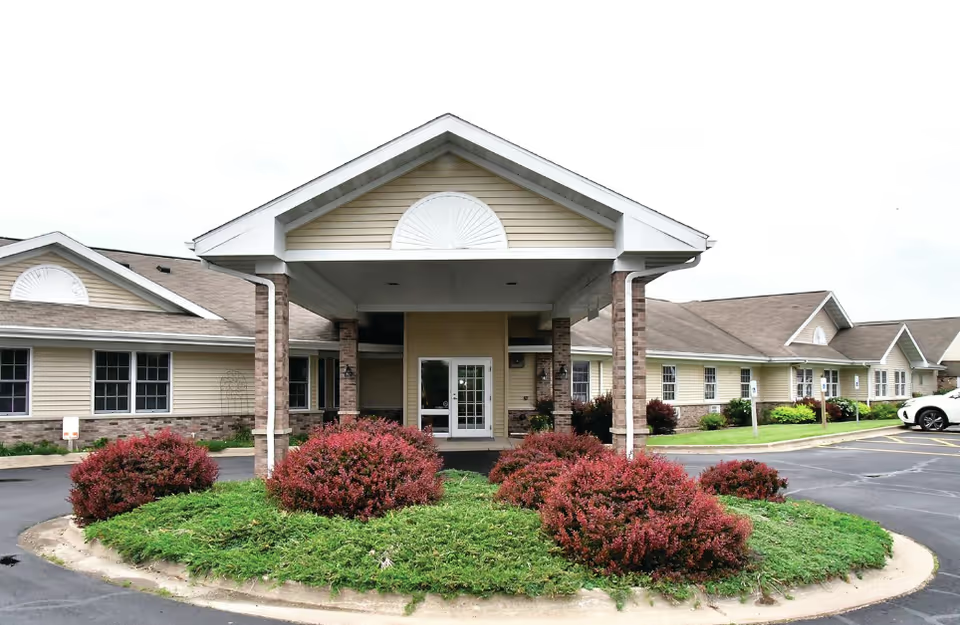
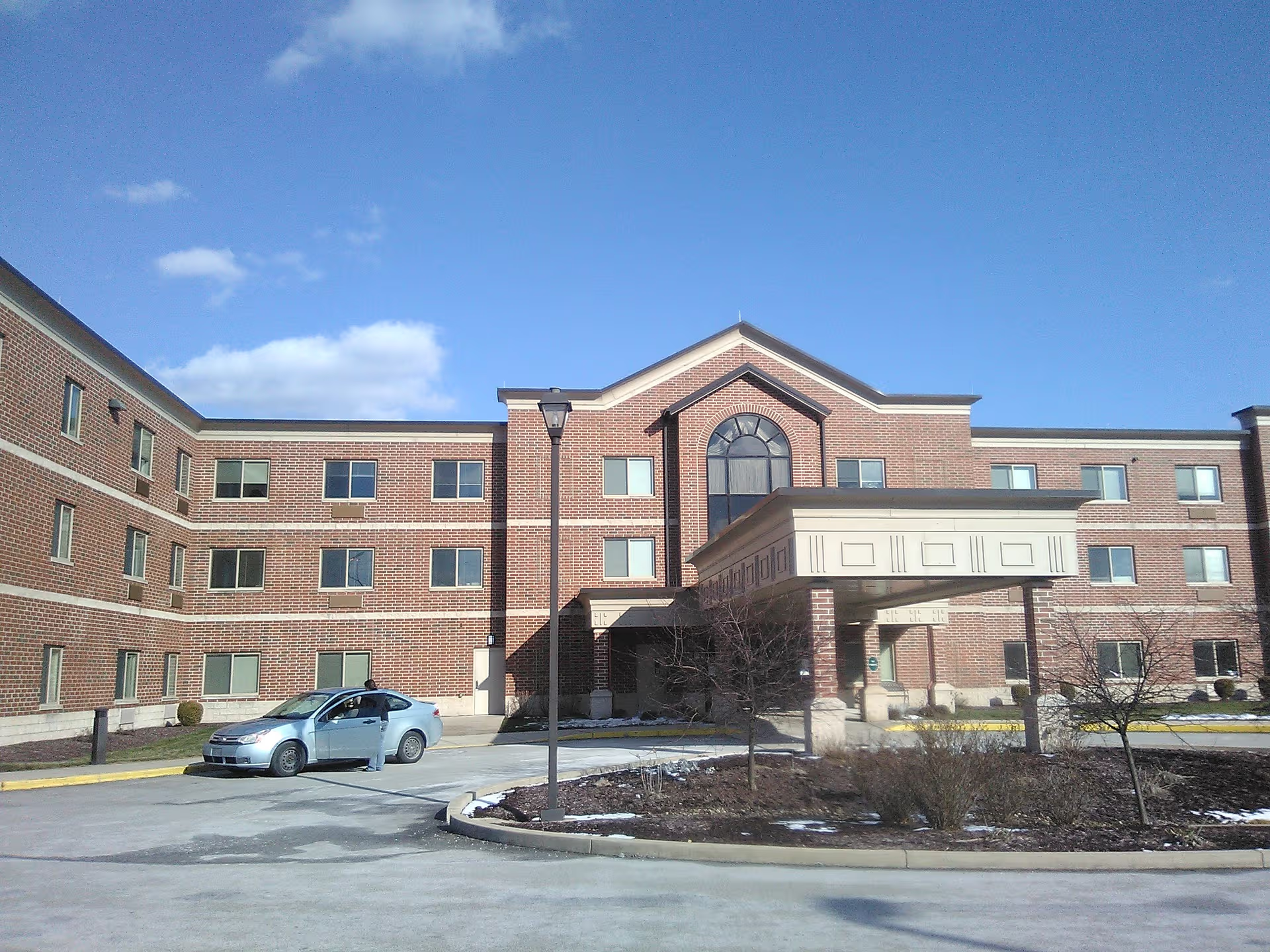
Facilities and environment: Numerous reviewers describe the building as very clean, well-lit, and comfortable, with private-room options and convenient proximity to a nearby hospital. However, other comments indicate parts of the building feel outdated, cold, or have odor-control variability. These contrasting observations suggest maintenance and environmental control may be uneven across areas or times.
Management and communication: Positive feedback notes efficient front-office coordination for admissions, discharge, and insurance issues, and responsive supervisors who address concerns when engaged. Critical comments focus on inconsistent family communication, variable responsiveness from leadership, and concerns about administrative tone and accountability. A small number of serious allegations appear among the negative reviews, including claims about review authenticity and a high-profile clinical outcome; those items warrant direct follow-up with the facility and review of regulatory records.
Notable patterns and practical considerations: The overall picture is one of a facility capable of delivering good clinical and social care in many cases, but with documented variability that can affect outcomes. Prospective residents and families should consider an in-person visit during different shifts, ask about current staffing ratios and use of agency staff, review dementia-care programming and incident escalation procedures, inquire about medication-security practices, and request recent state inspection and staffing records. Recent leadership changes and claims of agency-free nursing may indicate positive trends, but families seeking consistent performance should probe these operational areas directly.