Overall impression: Reviews describe a polarized set of experiences. Many families point to several positive elements—friendly front-desk staff, engaged therapy teams, and an activities program—while an overlapping body of commentary highlights operational and clinical inconsistencies. The combination results in significant variability in day-to-day resident experience, often depending on shift, unit, or specific staff on duty.
Care quality and clinical issues: Concerns center on inconsistent personal-care delivery (for example, missed or delayed bathing and assistance), extended call-button response times, and gaps in medication administration and monitoring. Several accounts indicate inadequate fall-risk supervision and transfer-safety practices that contributed to adverse outcomes for individual residents; these describe patterns that suggest weaknesses in fall-prevention and supervision protocols rather than isolated scheduling issues. Rehabilitation services receive mixed feedback: therapy staff are frequently described as competent and friendly, but some families felt therapy intensity or coordination was insufficient for their loved ones’ needs.
Staff and management: Staff behavior and capability are described unevenly. Numerous comments praise individual caregivers and therapists for kindness and professionalism, and a few staff members are named positively. At the same time, reviewers report overworked staff, a heavy reliance on agency personnel, and variable conduct—including reports of abrupt or raised voices and inattentiveness during busy shifts (notably evenings and overnight). Management is characterized by some as insufficiently structured or responsive, and family advocacy is often cited as necessary to secure consistent attention. There are also accounts indicating problems securing and managing residents’ personal belongings and devices.
Dining and activities: Opinions on meals are divided. Some reviewers describe an enjoyable dining-room atmosphere and acceptable meal service; others describe cold or unappealing meals, interruptions in meal delivery, and instances where food-service continuity was inadequate. The activities program is a relative strength for many residents, with several positive mentions of engagement and programming.
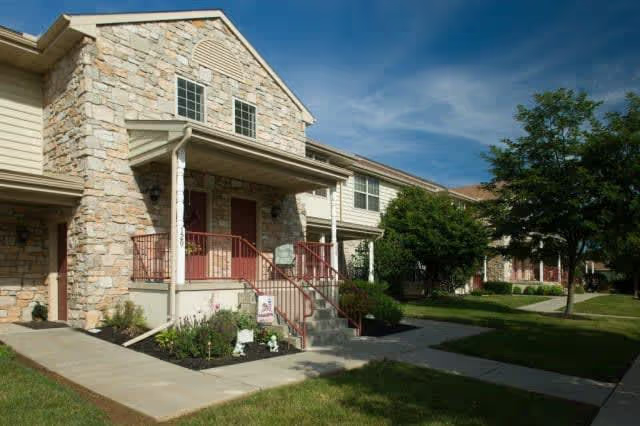
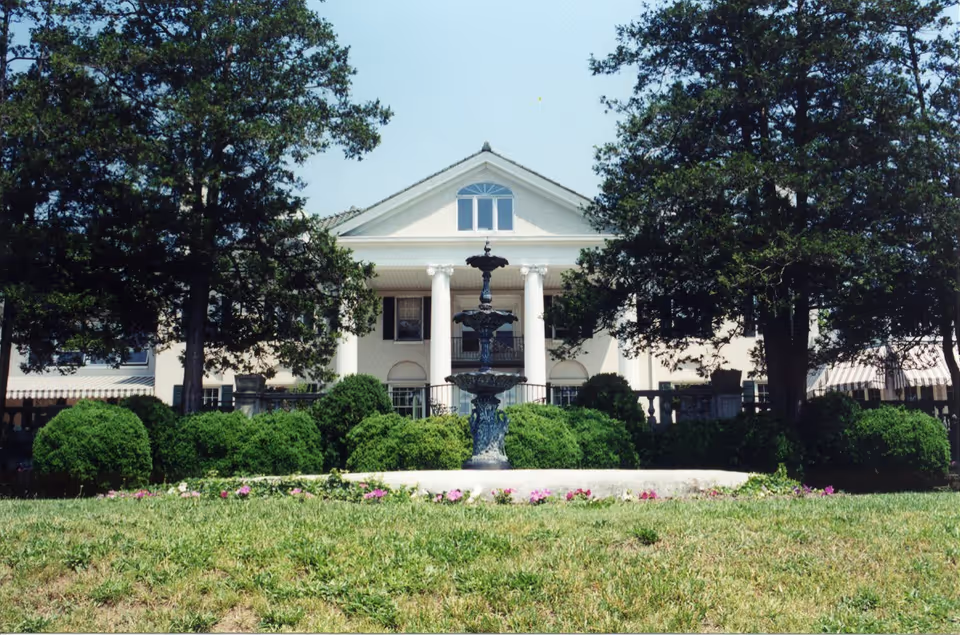
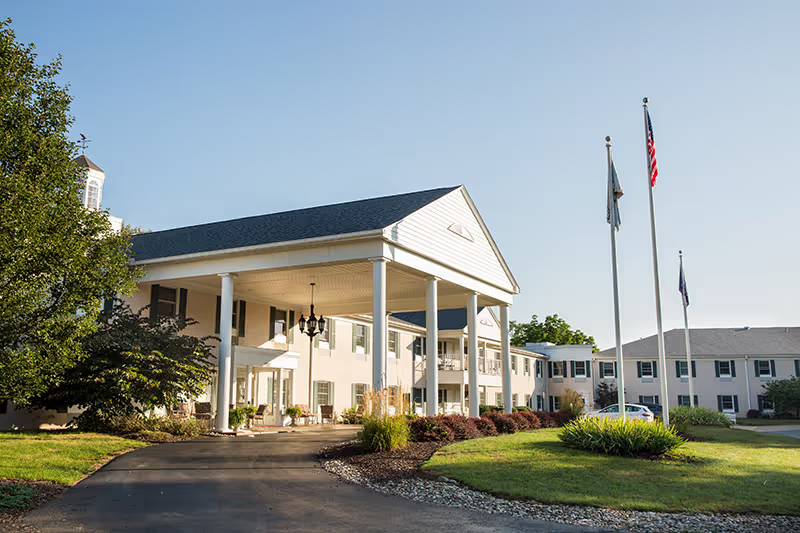
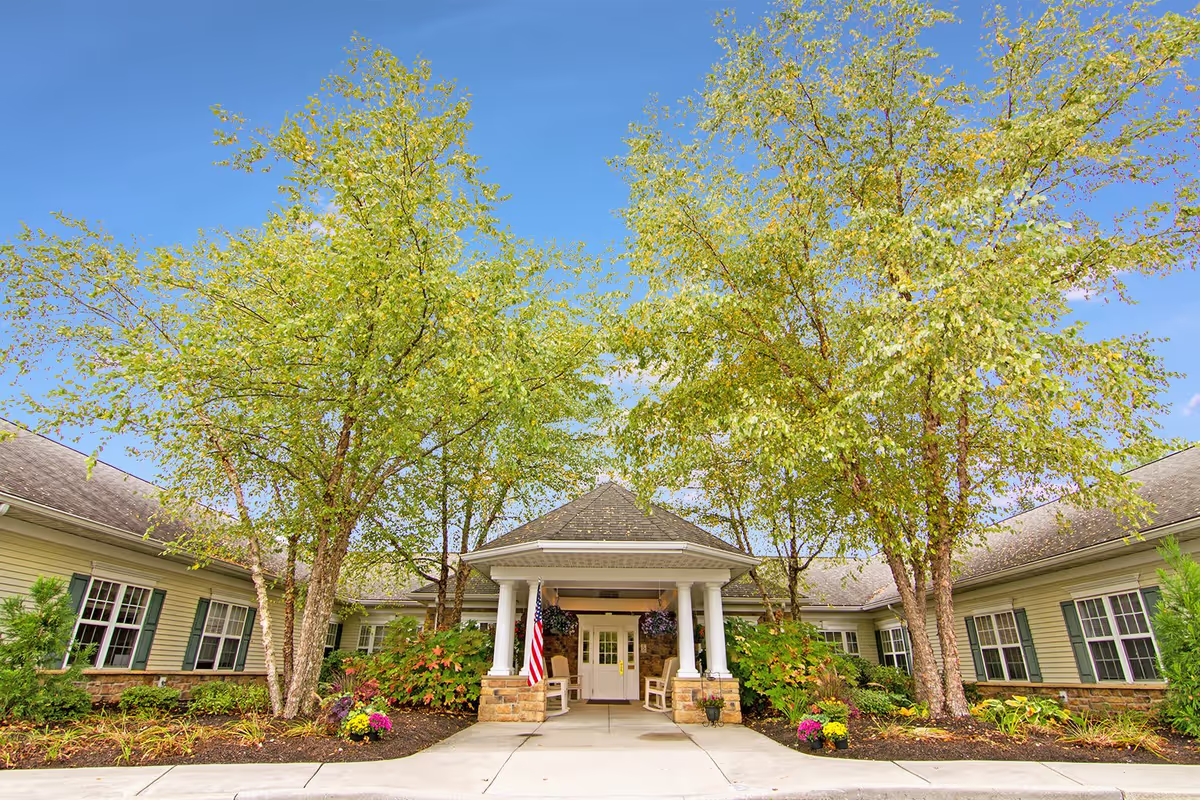
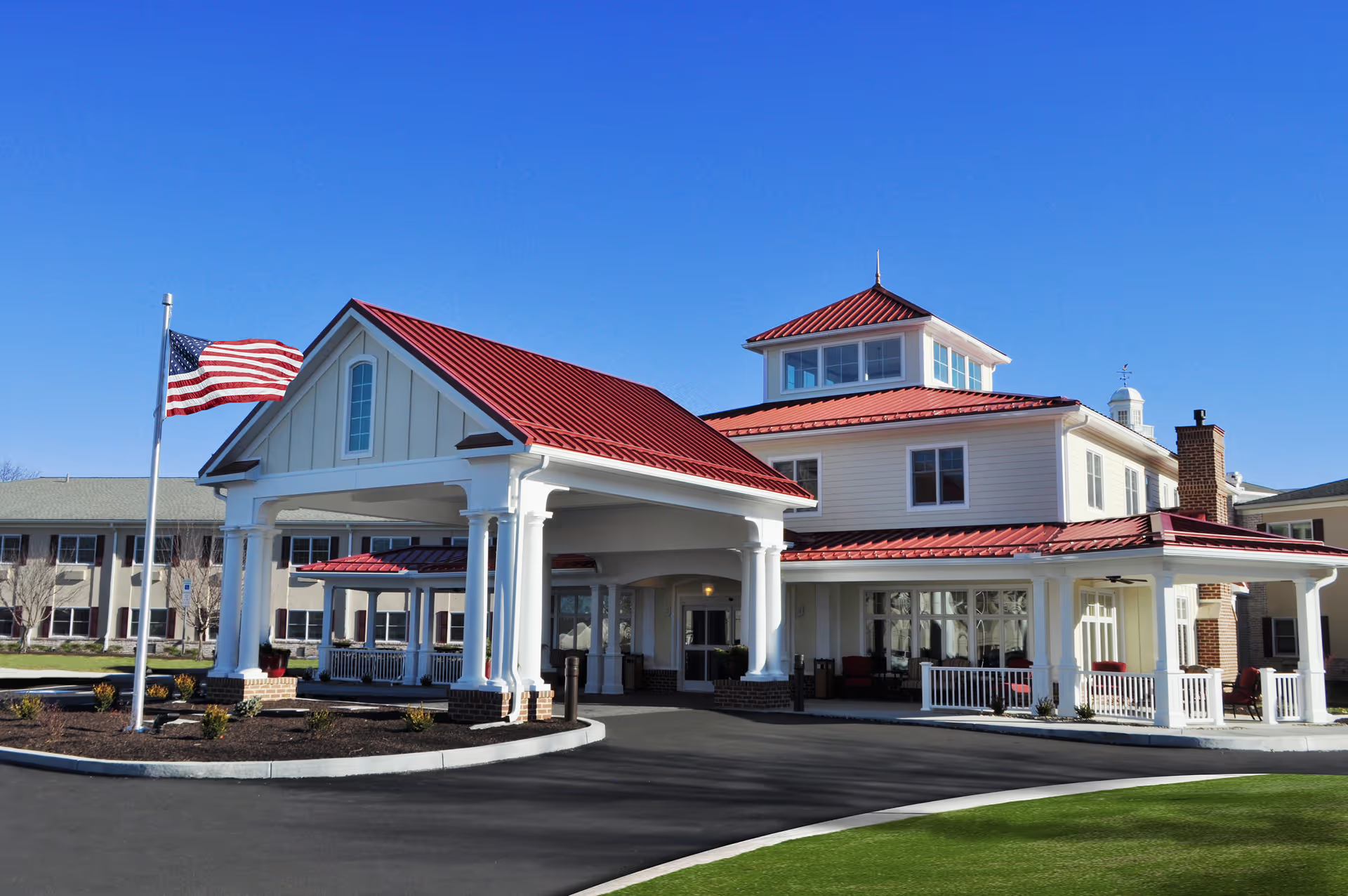
Facility environment and maintenance: Physical-condition feedback is mixed. Several reviewers describe clean, pleasant areas and a welcoming reception; other comments outline maintenance deficits such as dated rooms, rusted fixtures, small or dark rooms, shared televisions with limited controls, and sanitation or odor concerns in specific locations. These contrasts point to uneven maintenance and housekeeping across units.
Notable patterns and guidance for families: The dominant theme is inconsistency—excellent care and friendly staff are present, but so are operational weaknesses tied to staffing levels, oversight, and resource management. Prospective residents and families should consider a focused tour and ask specific questions about staffing ratios by shift, bathing and hygiene schedules, average call-light response times, medication-administration checks, fall-prevention protocols, belongings security, and discharge/transition planning. Observing a mealtime and a therapy session, and speaking directly with the therapy and nursing supervisors, can help clarify whether the facility’s strengths align with an individual resident’s needs.