The reviews present a markedly mixed picture of Lakewood Rehabilitation and Healthcare Center, with distinct strengths in rehabilitation and direct caregiving alongside recurring operational and clinical concerns. Many families and patients praise the facility's physical therapy and activity programs, noting measurable short‑term rehab gains, creative and engaging programming, and successful transitions to assisted living. Individual frontline caregivers—particularly nursing aides and therapists—are frequently described as compassionate, attentive, and instrumental in recovery. Housekeeping and maintenance are often singled out positively, and some reviewers described a warm, family‑like atmosphere on certain units.
At the same time, a pattern of quality and safety issues emerges in other reviews. Several accounts raise serious clinical concerns including problems with management of high‑risk therapies (for example, infusion/TPN and oxygen oversight), missed laboratory follow‑up, and medication‑management gaps. There are also allegations of improper charting and improper documentation practices that reviewers felt were intended to obscure regulatory scrutiny. These types of clinical-safety complaints warrant careful follow‑up by prospective families, including direct questions about protocols, staffing ratios, and incident reporting.
Staffing and responsiveness are frequent themes. Reviewers describe chronic understaffing, high turnover, and periods when nurse availability is limited; this is linked to long delays in answering call bells and slower-than-expected responses during clinical events. While many aides and therapists receive praise, reviewers also report variable staff conduct and communication tone—ranging from very caring interactions to instances described as rude or dismissive. Several reviews mention inconsistent adherence to infection‑control expectations and uneven staff vaccination practices.
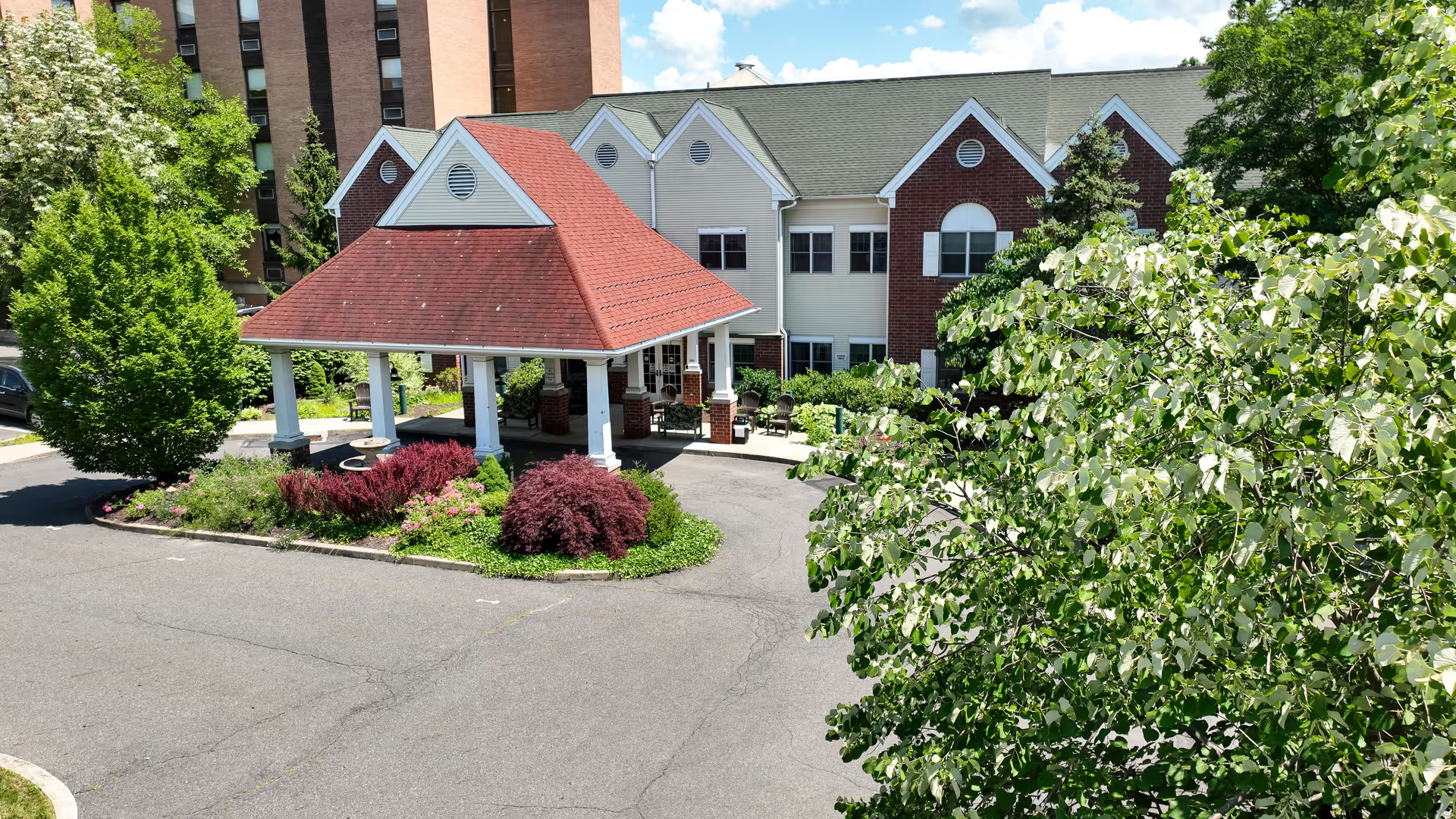
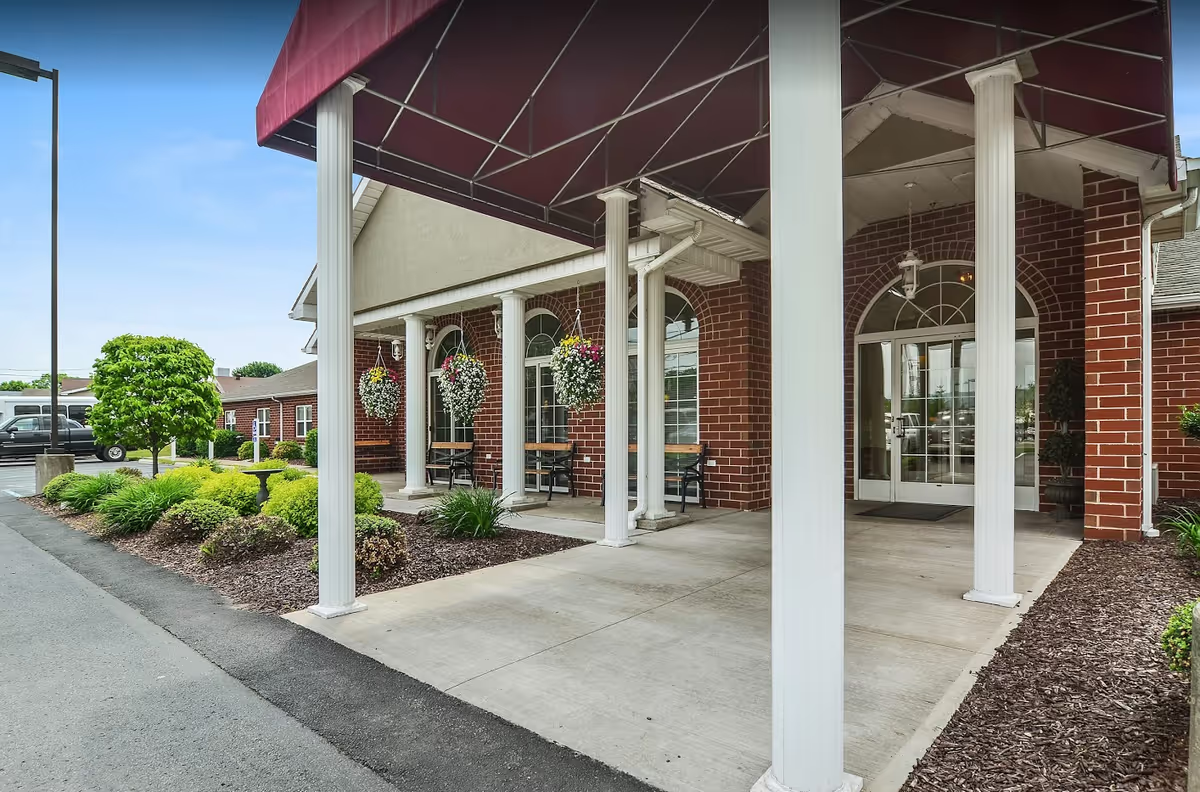
Dining and activities present a split impression. Activity programming and therapy are repeatedly highlighted as strengths, fostering engagement and progress in rehab stays. Food quality feedback is inconsistent: some reviewers find meals adequate and appreciate responsiveness when problems are raised, while others describe instances of poor meal preparation and service continuity. Facility amenities are generally reported as clean and well kept in many areas, but other accounts cite sanitation or pest‑control concerns and maintenance issues such as plumbing leaks or inadequate climate control in some rooms.
Management and communication are additional areas of concern. While some families experienced proactive, supportive communication and quick problem resolution by frontline staff, others report poor administrative responsiveness, difficulty reaching the facility by phone, unanswered callbacks, and disputes over billing or transport charges. Visitor restrictions and communication gaps have contributed to feelings of isolation for some residents. Prospective families should ask for current staffing levels, weekend coverage practices, documentation of recent regulatory inspections, and examples of how the facility handles critical incidents and family notification.
Overall, Lakewood appears to deliver strong rehabilitative services and benefits from committed direct caregivers in many cases, but the facility also displays recurring operational weaknesses—most notably around clinical oversight for high‑risk care, staffing consistency, responsiveness, and administrative transparency. Because experiences are highly polarized, an in‑person visit that includes meeting therapy staff, nursing leadership, and seeing current unit staffing and cleanliness is advisable. Ask targeted questions about protocols for infusions and oxygen, call‑bell response standards, lab and medication reconciliation procedures, recent staffing turnover, and steps the facility is taking to address the concerns described above.