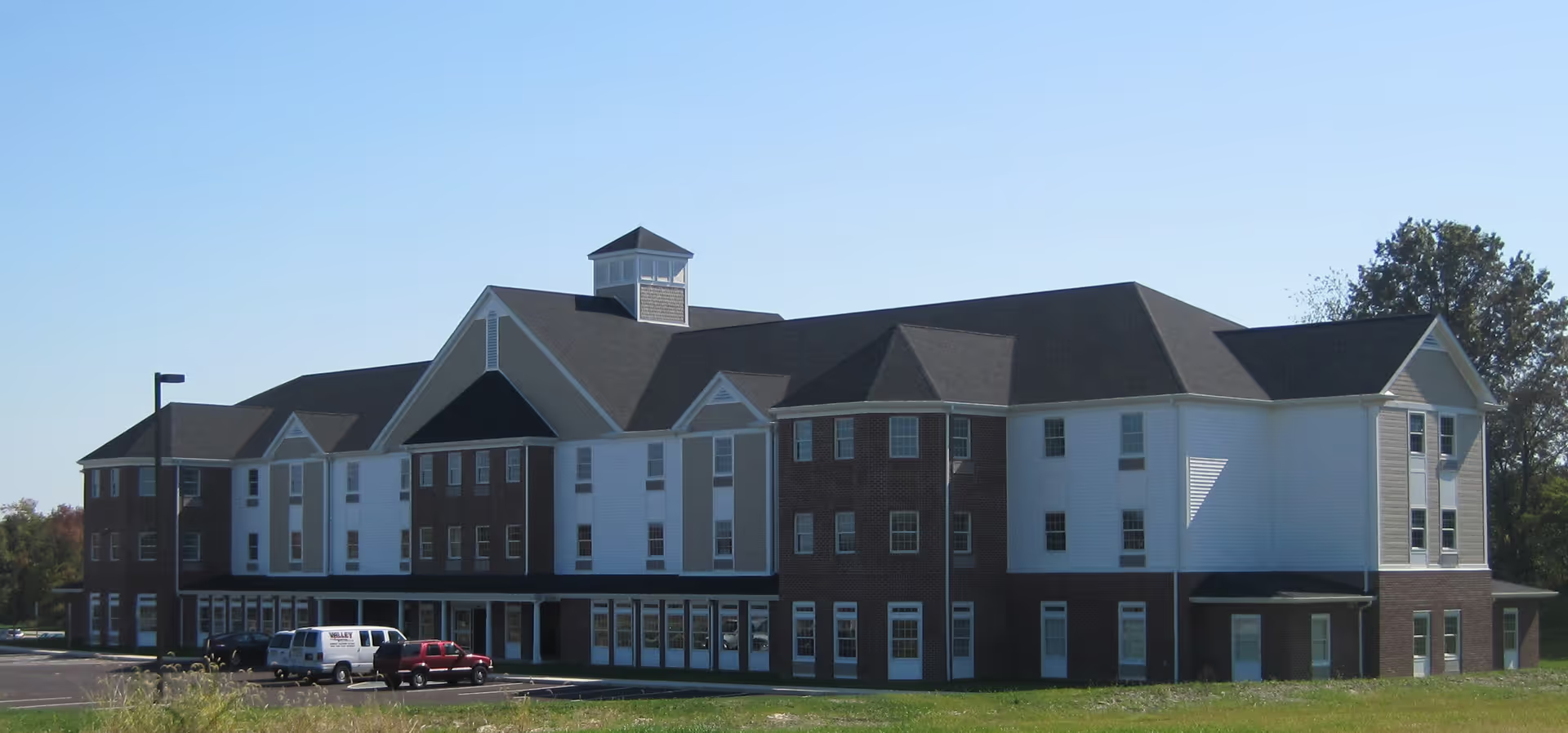
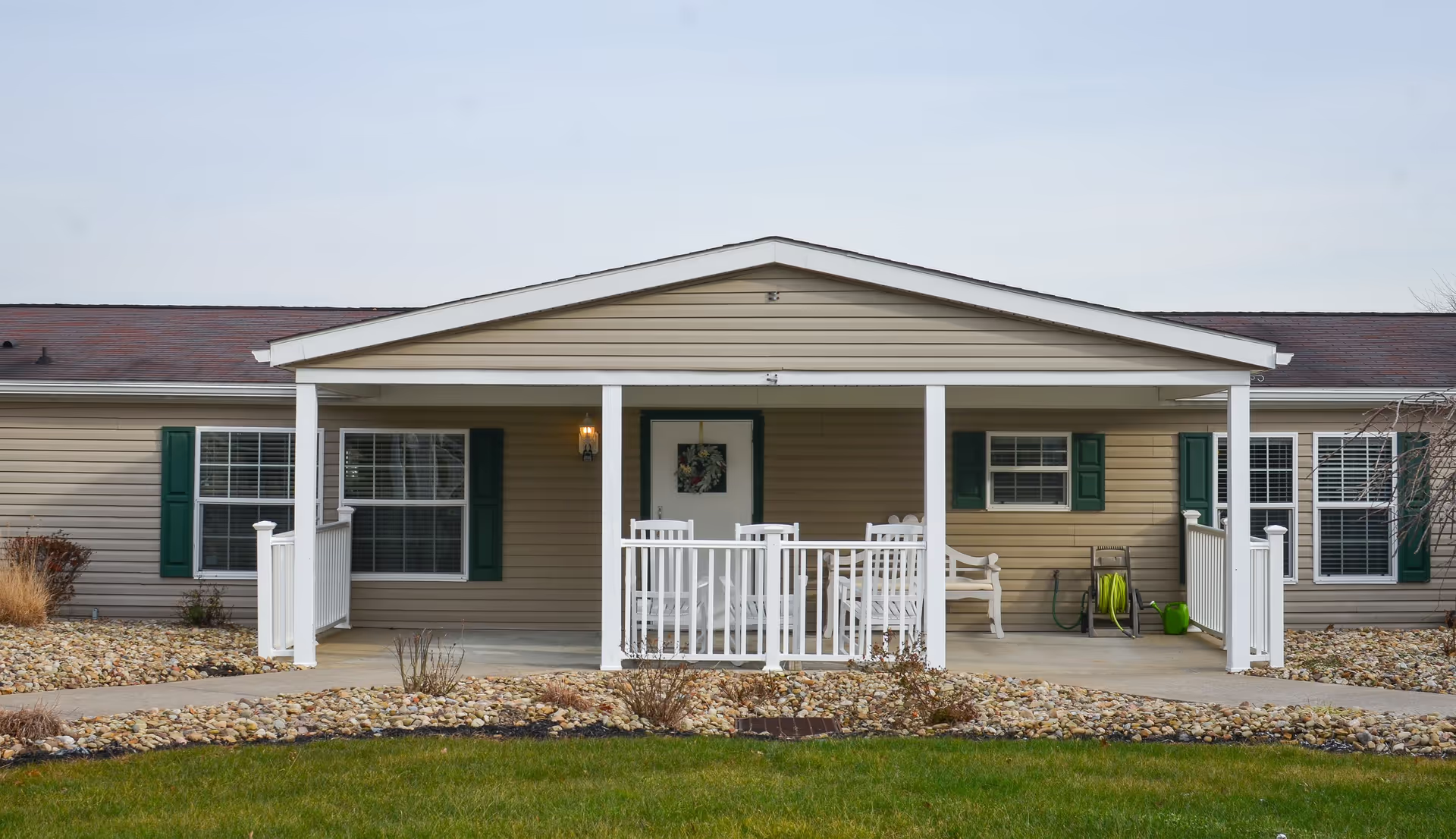
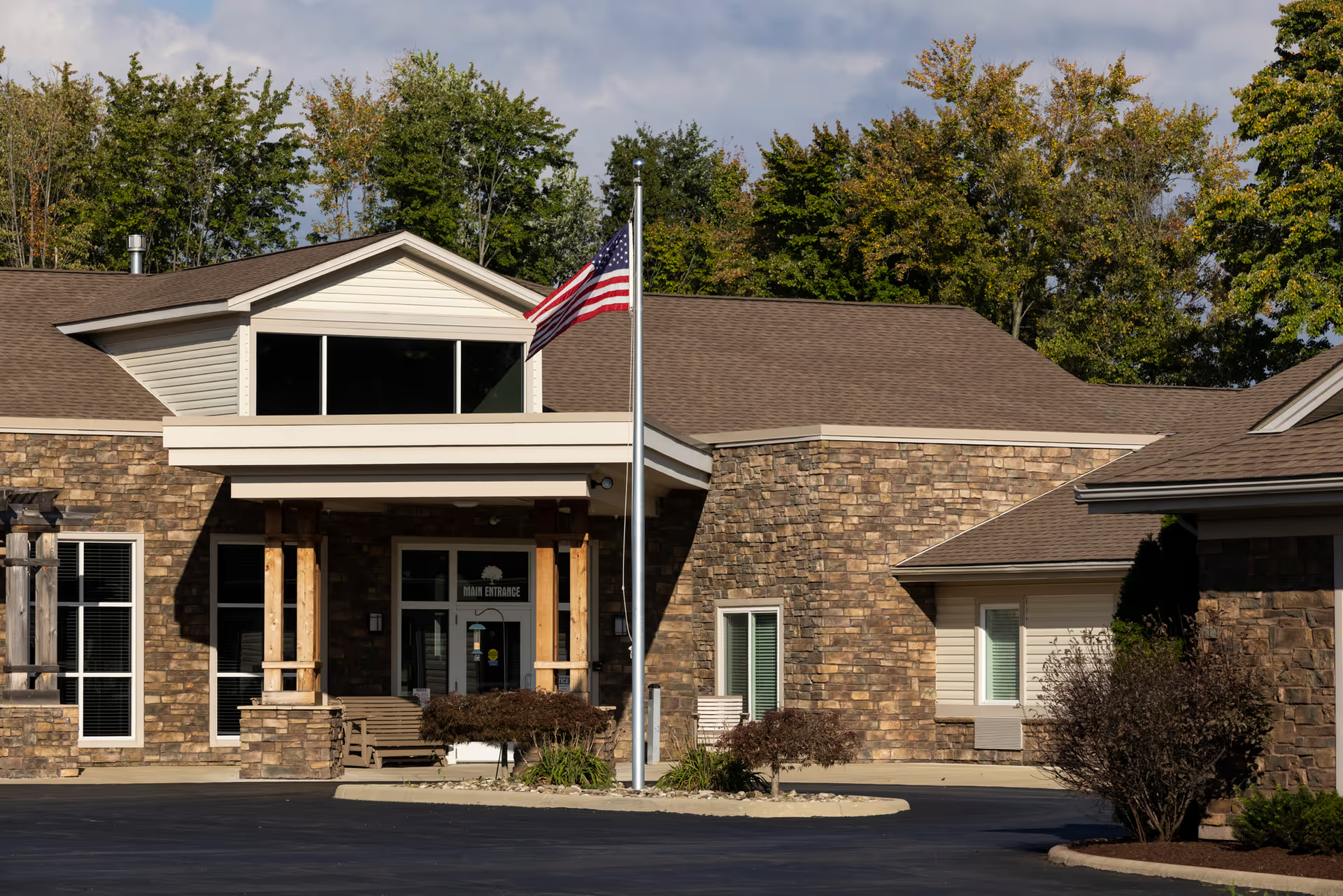
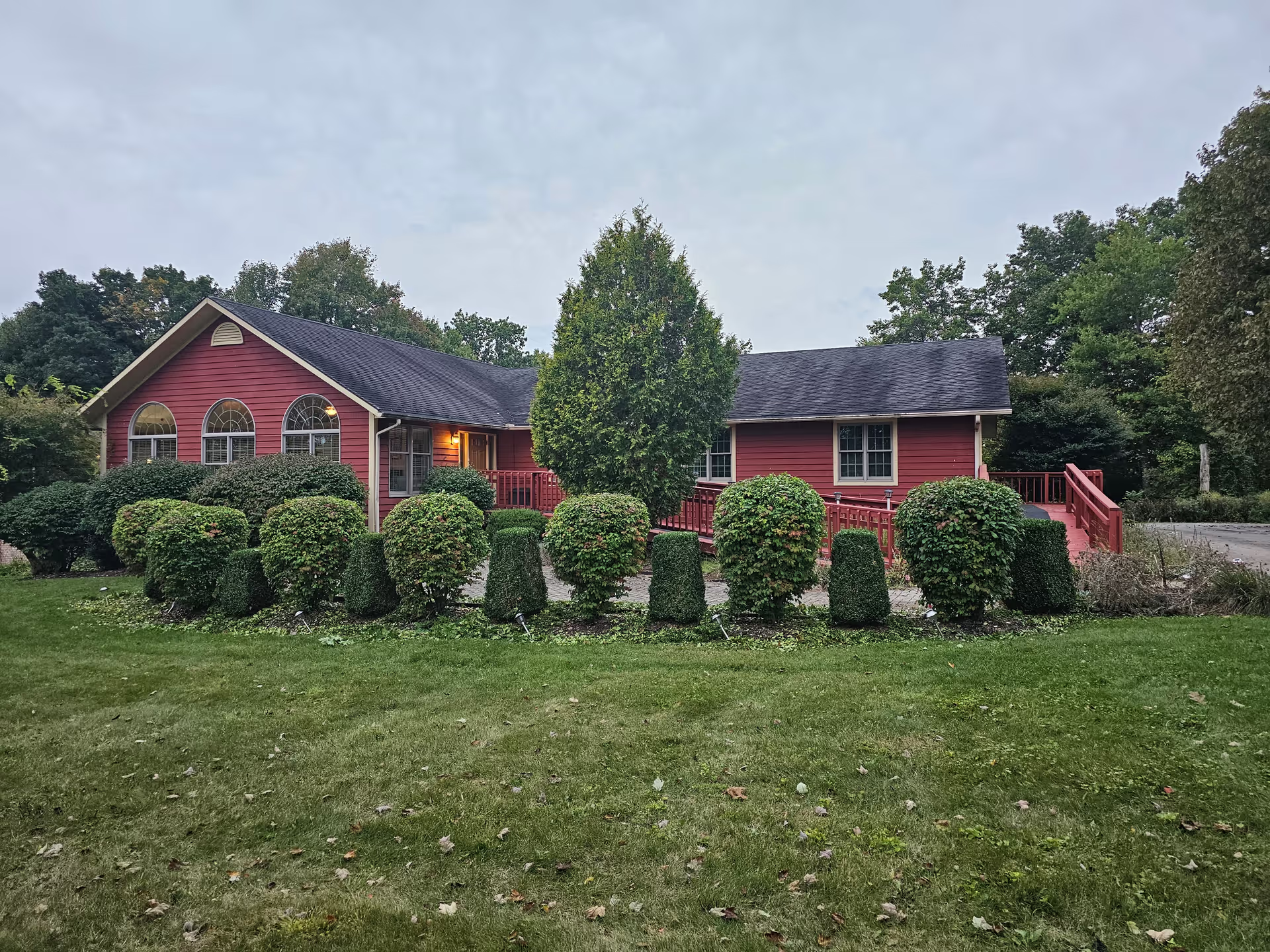
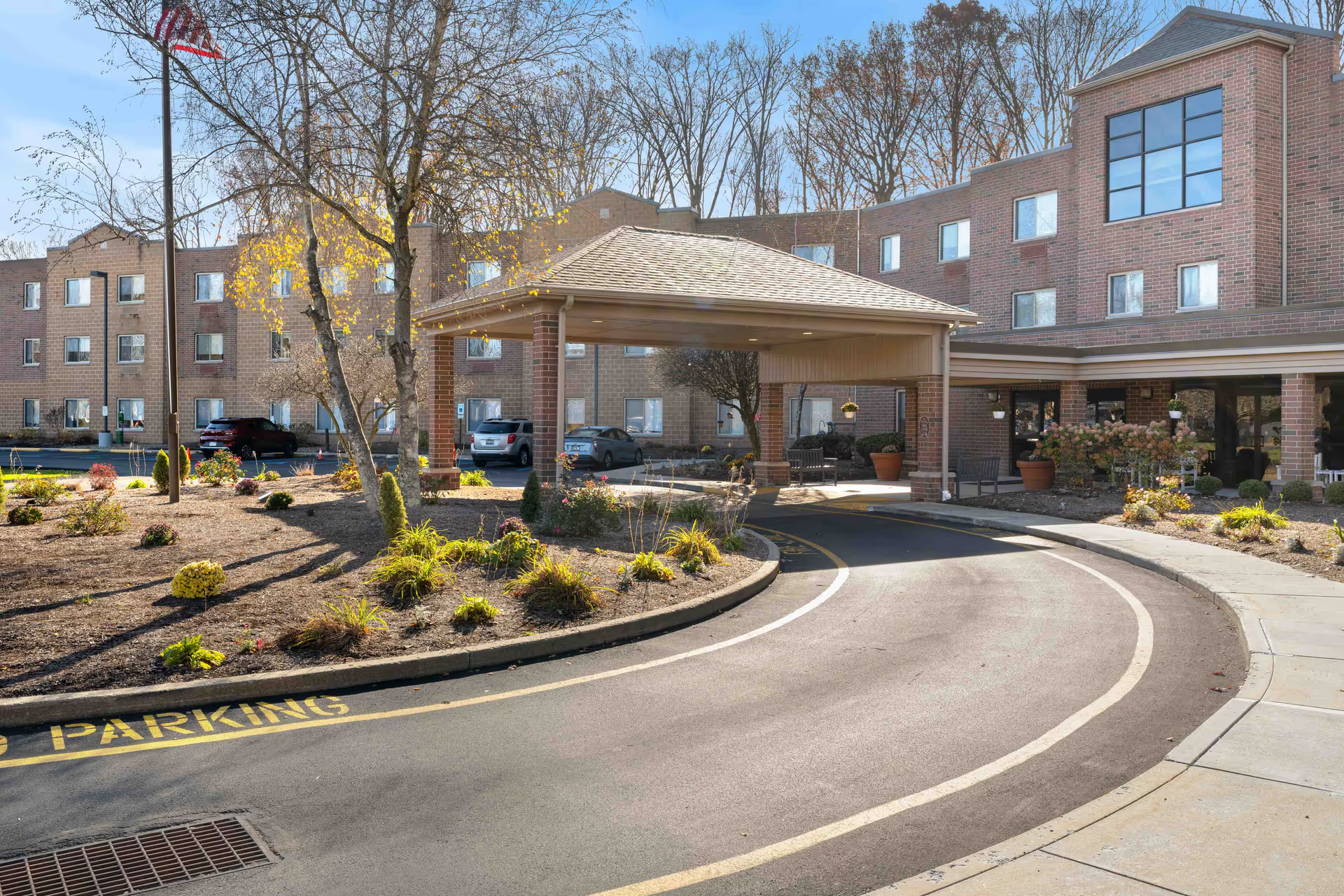
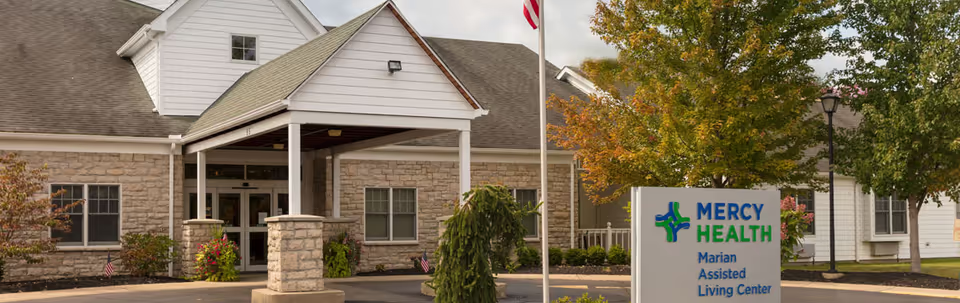
The reviews for Edison Manor illustrate a polarized picture: a consistent strength in rehabilitation services and pockets of genuinely attentive clinical care coexist with recurring operational and safety concerns. Many families praise the therapy teams, wound-care specialists, and particular nurses and aides for facilitating recovery and timely discharge home. Positive experiences frequently mention compassionate baseline caregivers, effective short-term rehab outcomes, an accessible salon, engaging activities, and in several cases routine room upkeep and a welcoming, home-like atmosphere.
Conversely, reviewers describe patterns that raise operational risk. Sanitation and housekeeping practices are inconsistent across the facility, and reviewers repeatedly mention odor concerns and lapses in cleaning and maintenance. Chronic understaffing and reliance on agency personnel are commonly cited and appear linked to delayed responses to call bells, long waits for assistance with toileting and transfers, and unmet basic needs. These staffing pressures are also associated with gaps in monitoring and fall-prevention practices; multiple accounts describe falls that were not promptly detected or managed, with subsequent hospitalizations and infection concerns (including device-related and wound infections).
Clinical-process issues extend beyond staffing delays. There are reports suggesting inconsistent infection-control procedures for specialized equipment (for example, tracheostomy handling), as well as concerns about the timeliness of medication administration and the appropriateness of clinical escalation and hospital transfer decisions. Dining and nutrition are a mixed area: some families appreciated meals and named dietary staff positively, while others described inconsistent food quality, failure to accommodate allergies, and problems with meal delivery. Activity programming and social engagement receive generally positive comments when present.
Family communication, billing, and administrative responsiveness are other recurring themes. Several reviewers described poor communication around incidents, discharge planning, and insurance appeals, and some reported disputes over billing (including bed-hold charges). There are also serious allegations from some families regarding theft and medication diversion; these claims increase perceived risk and would warrant review by regulators and facility leadership. At the same time, other reviewers note visible management improvements under newer leadership, including a more organized environment and stronger oversight from nursing leadership.
In summary, prospective residents and families should weigh the facility's strong rehabilitation and therapy capabilities and the presence of caring individual staff against documented operational weaknesses: sanitation variability, staffing shortages, delays in responsiveness, infection-control and monitoring gaps, inconsistent dining management, and concerns about communication and asset security. Those considering Edison Manor would benefit from targeted questions about current staffing ratios, infection-control protocols (including device handling), fall-prevention measures, meal-accommodation practices, incident reporting and family communication procedures, and any recent corrective actions or regulatory findings. A tour focused on housekeeping standards, therapy spaces, staffing visibility, and administrative responsiveness will help clarify whether the aspects praised in positive reviews are consistently present at the time of placement.