The Gardens at Orangeville elicits a mixed but clearly polarized impression. Many families and discharged rehab patients describe strong clinical rehabilitation outcomes, appreciative nursing teams, and a welcoming social program; others describe operational and clinical concerns that materially affect trust in the facility. Overall, the facility appears capable of providing high-quality short-term therapy and recovery for motivated patients, while longer-term care experiences are more variable depending on unit, shift, and staffing levels.
Care and staff: A frequent compliment across reviews is the compassion and dedication of individual caregivers — nurses, therapists, CNAs, and aides are often described as kind, hardworking, and effective, especially in the rehabilitation context. The therapy team and PT program receive repeated praise for producing measurable recovery. At the same time, reviews consistently reflect staffing shortages and workload strain that can increase response times to call bells and mealtime assistance. Several reviews raise concerns about clinical oversight, medication-administration practices, and delays in escalation or follow-up on abnormal lab results; there are isolated but serious allegations regarding documentation and medication-practice issues that warrant direct inquiry by families and inspectors.
Dining and activities: Dining impressions are mixed. Multiple reviewers found meals attractive and varied on many days, and some noted portions and alternatives were adequate. Others reported inconsistent food quality and slow mealtime assistance when staffing is limited. Activities programming generally receives positive feedback: residents and families mention engaging events, entertainment, and ongoing social interaction that contribute positively to resident morale.
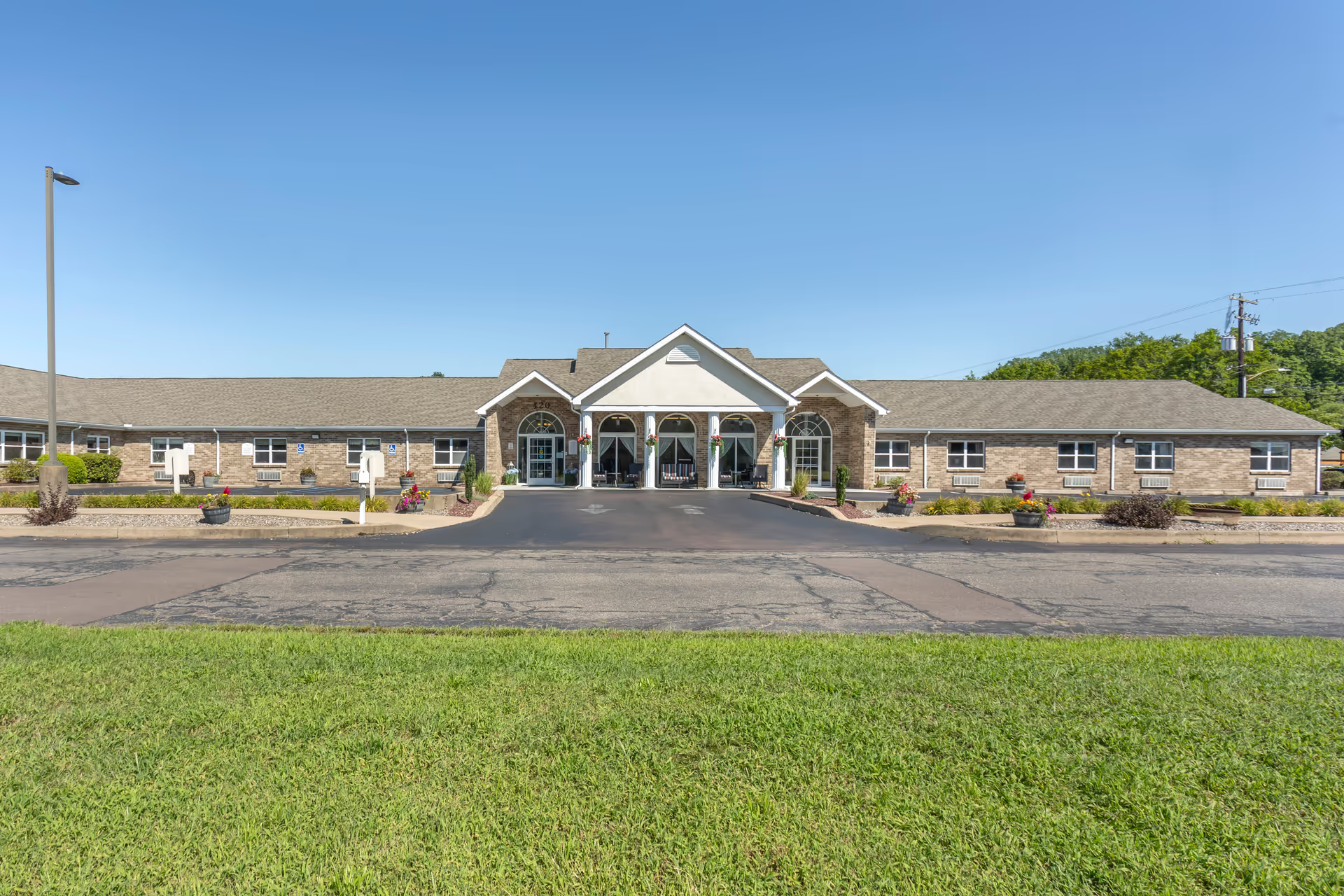
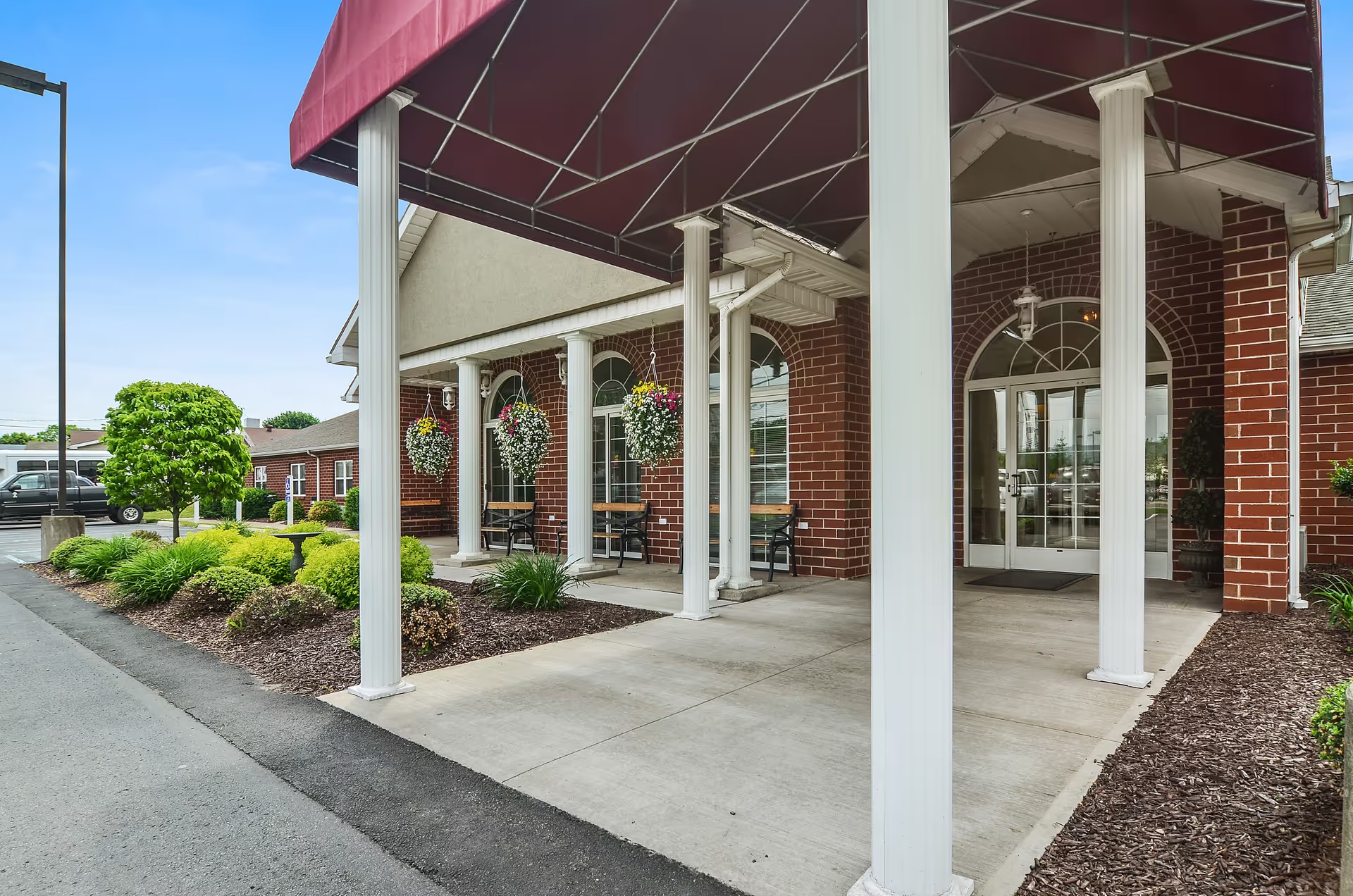
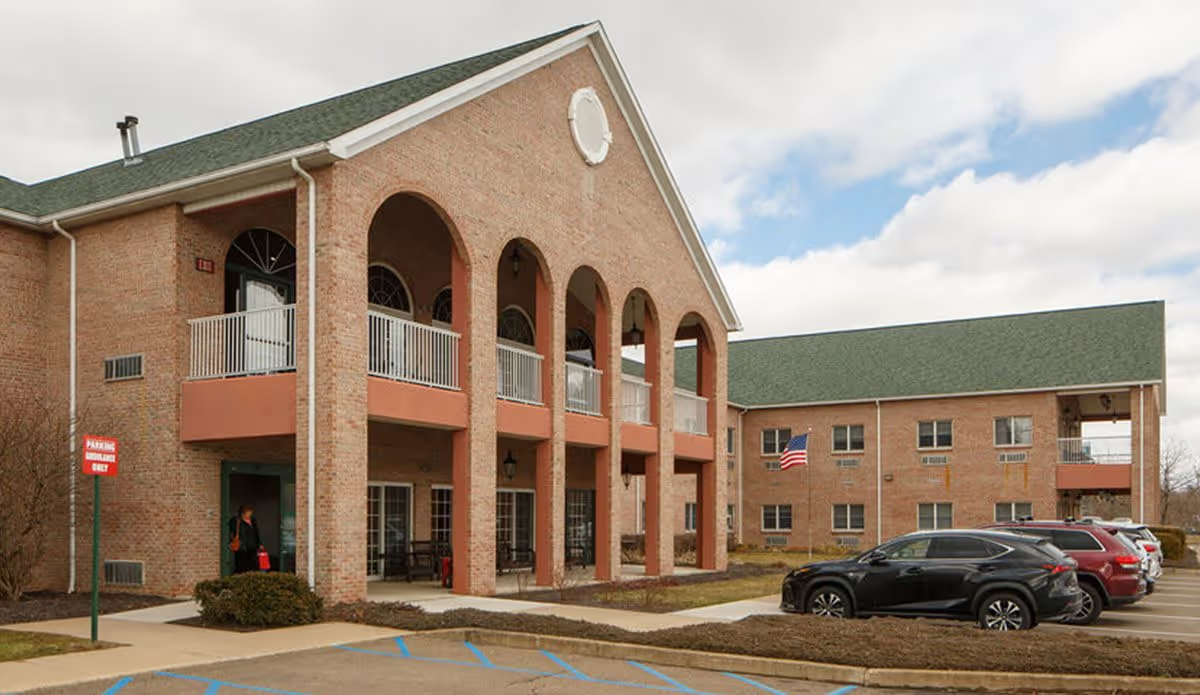
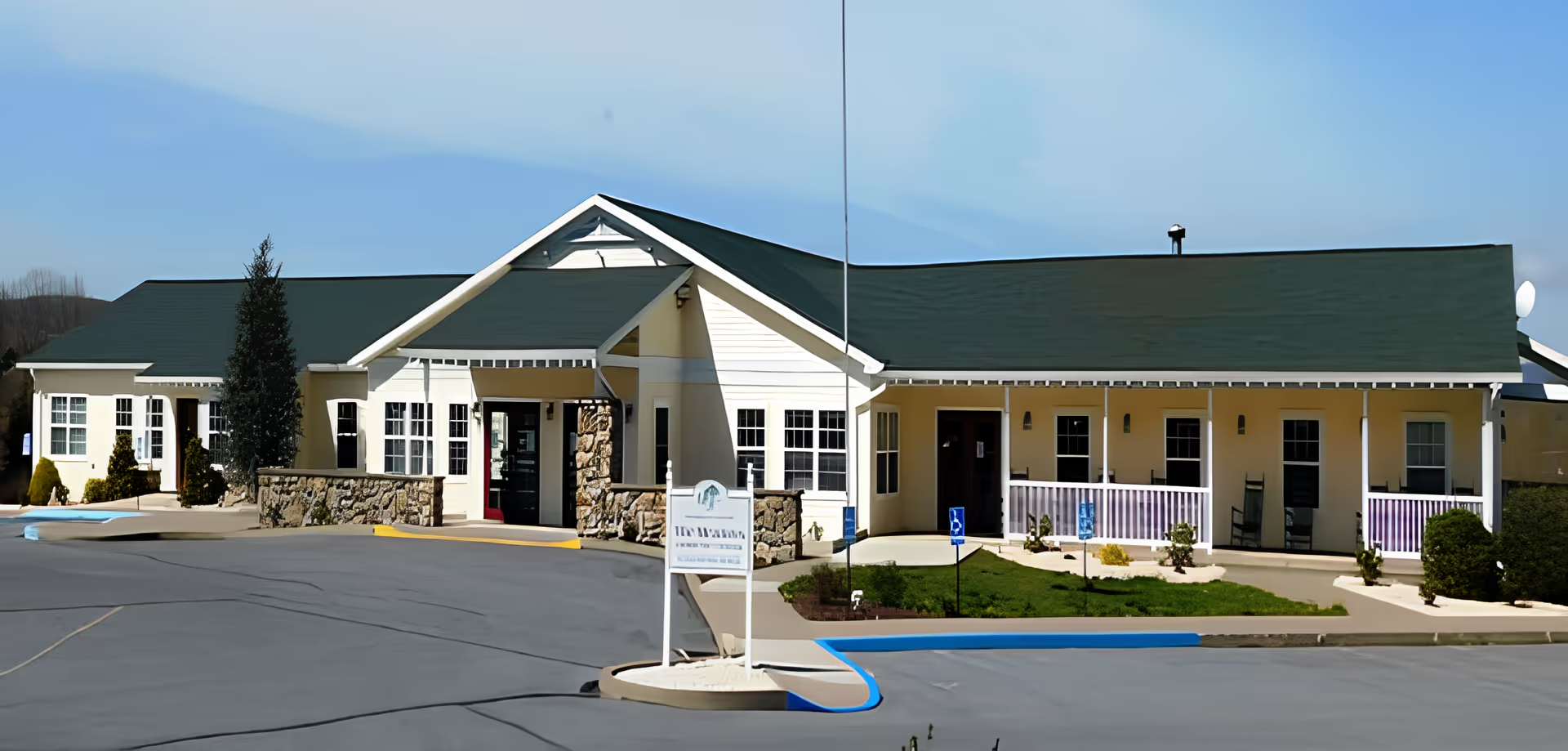
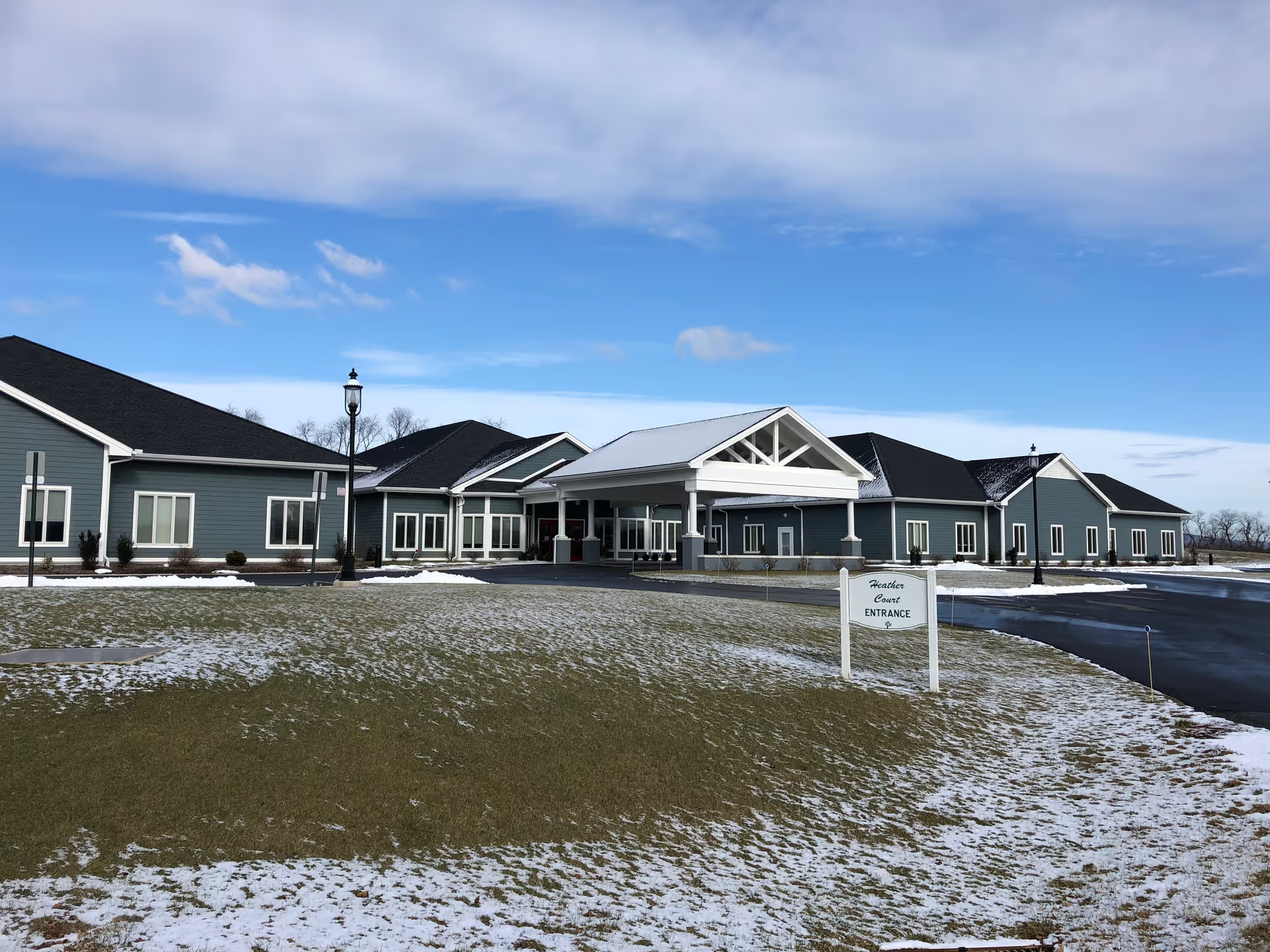
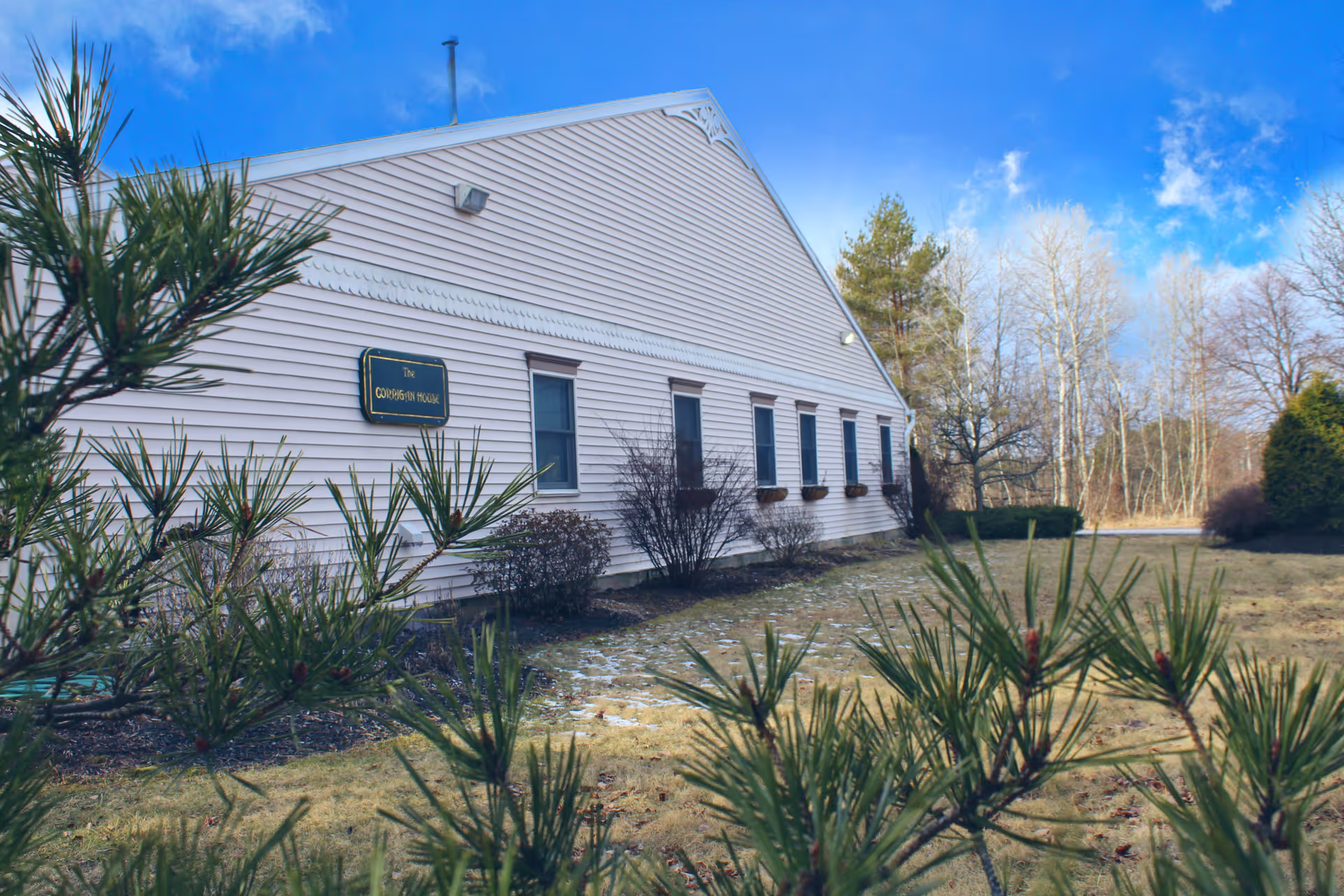
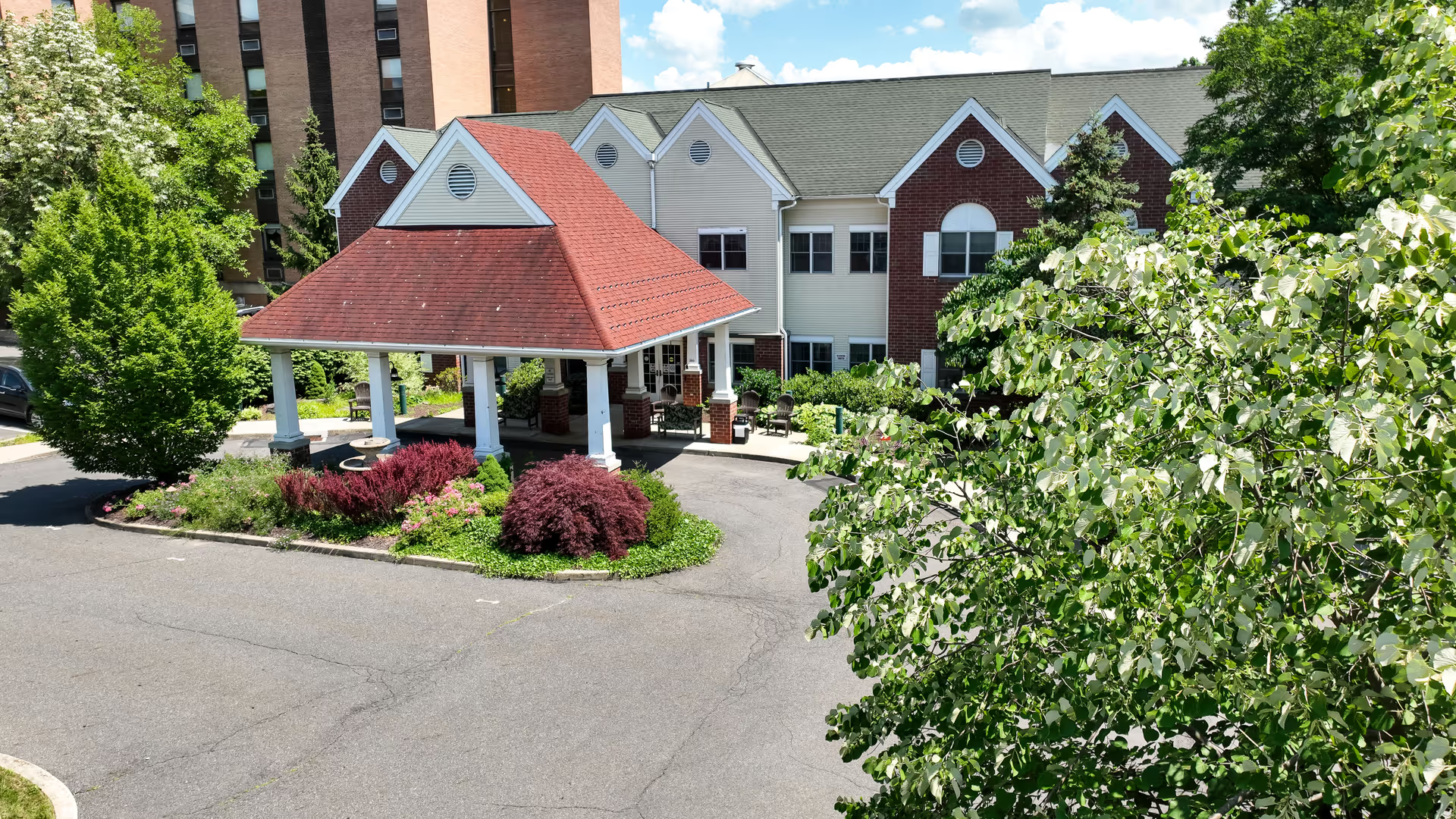
Facilities and housekeeping: The facility is described as pleasant in public areas, with a small landscaped courtyard and large windows that create a comfortable atmosphere. Maintenance staff are noted as helpful and responsive in several comments. However, there are recurring operational concerns: inconsistent housekeeping, odor issues in some entrances and common areas, and pest-control complaints in certain resident areas. Infrastructure limitations — particularly the absence of central air-conditioning in parts of the building and reliance on window units — are repeatedly cited and can affect resident comfort in warmer months.
Management and operations: Reviews point to variability in managerial oversight and workforce morale. Complaints include perceived favoritism, staffing policy and payroll issues, and staff feeling overworked; these workforce challenges appear to contribute to inconsistent performance on housekeeping, timeliness, and clinical communication. Families praise specific staff and mention proactive care plans and good family involvement in many cases, yet others describe gaps in routine clinical communication and delayed updates after significant changes.
Notable patterns and guidance for families: The Gardens shows strengths in rehabilitation outcomes, compassionate individual caregivers, and an active social program. However, persistent staffing strain, inconsistent housekeeping and sanitation, and some concerning descriptions of clinical-safety lapses create variability in the resident experience. Prospective residents and families should tour during different shifts, ask for specifics about staffing ratios, infection-control and medication-administration policies, HVAC and pest-control protocols, and how clinical changes are communicated and escalated. Verifying names of key clinical staff (facility medical director, charge nurse, therapy lead) and requesting recent inspection or incident summaries can help assess whether current operations meet your expectations.