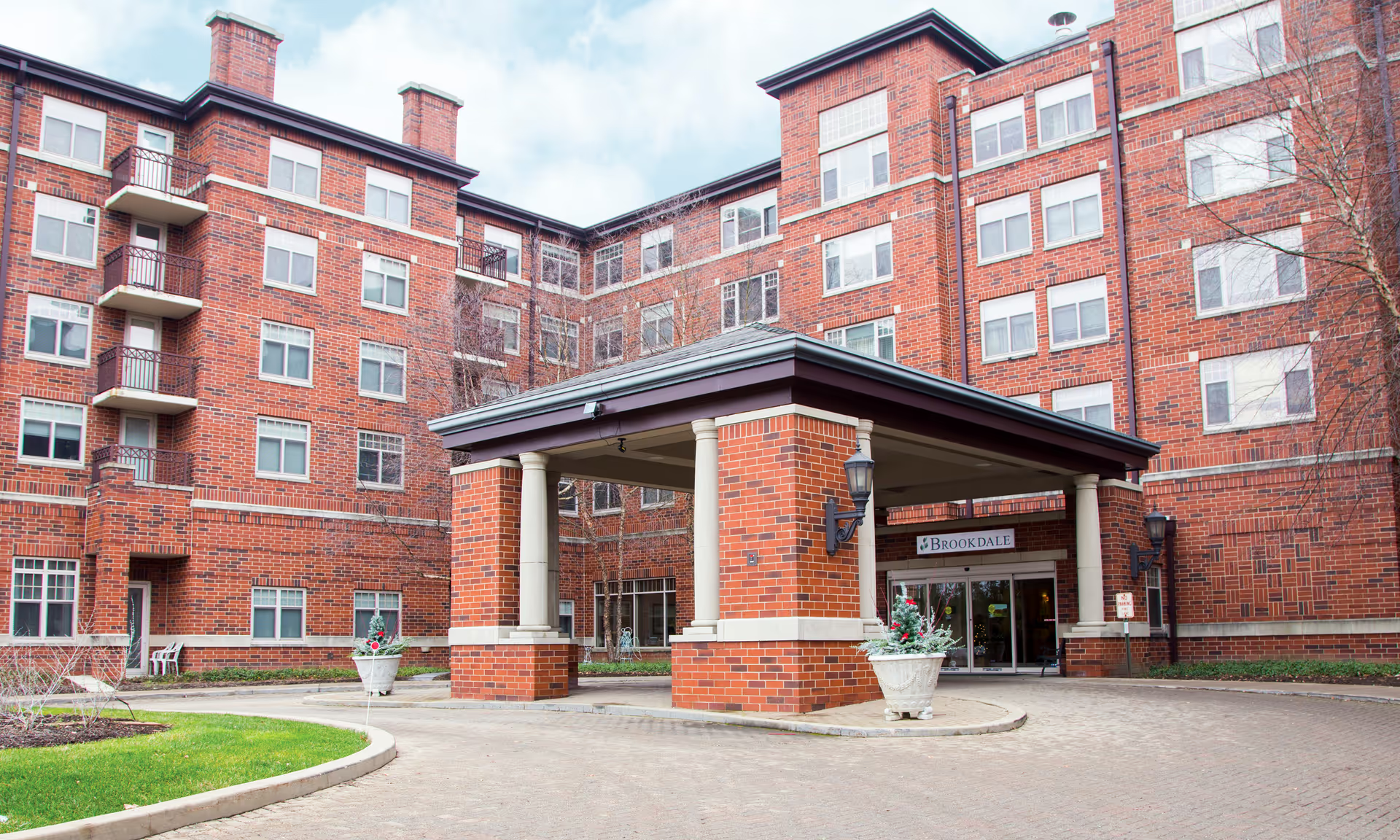
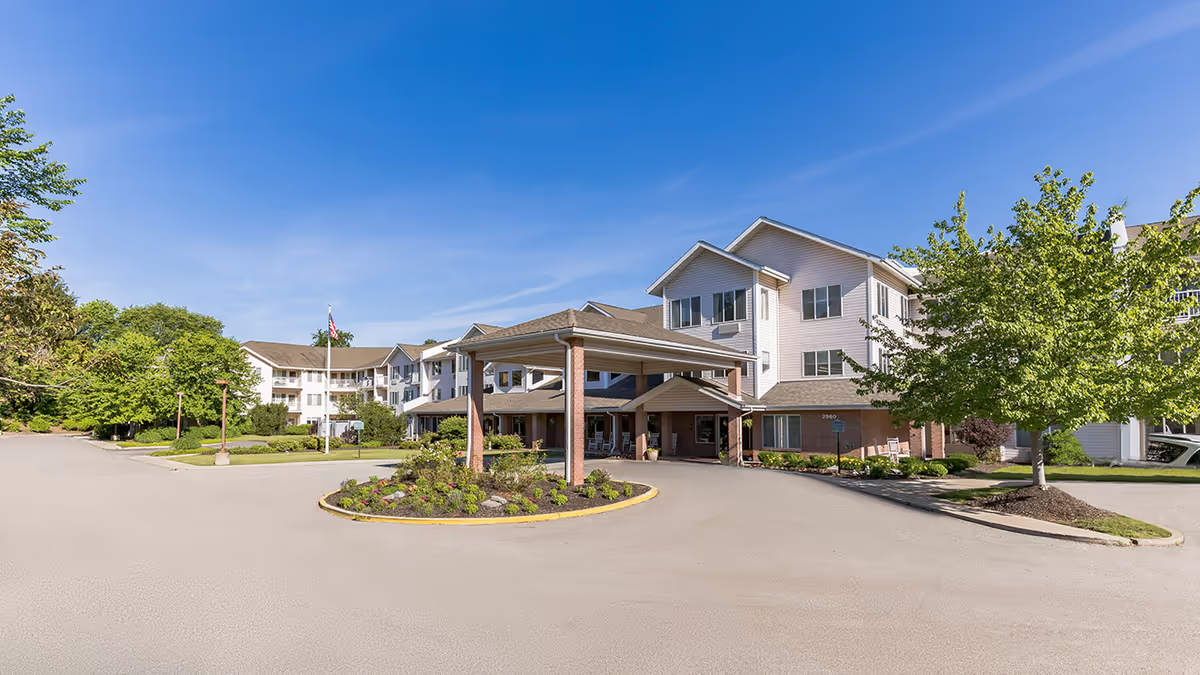
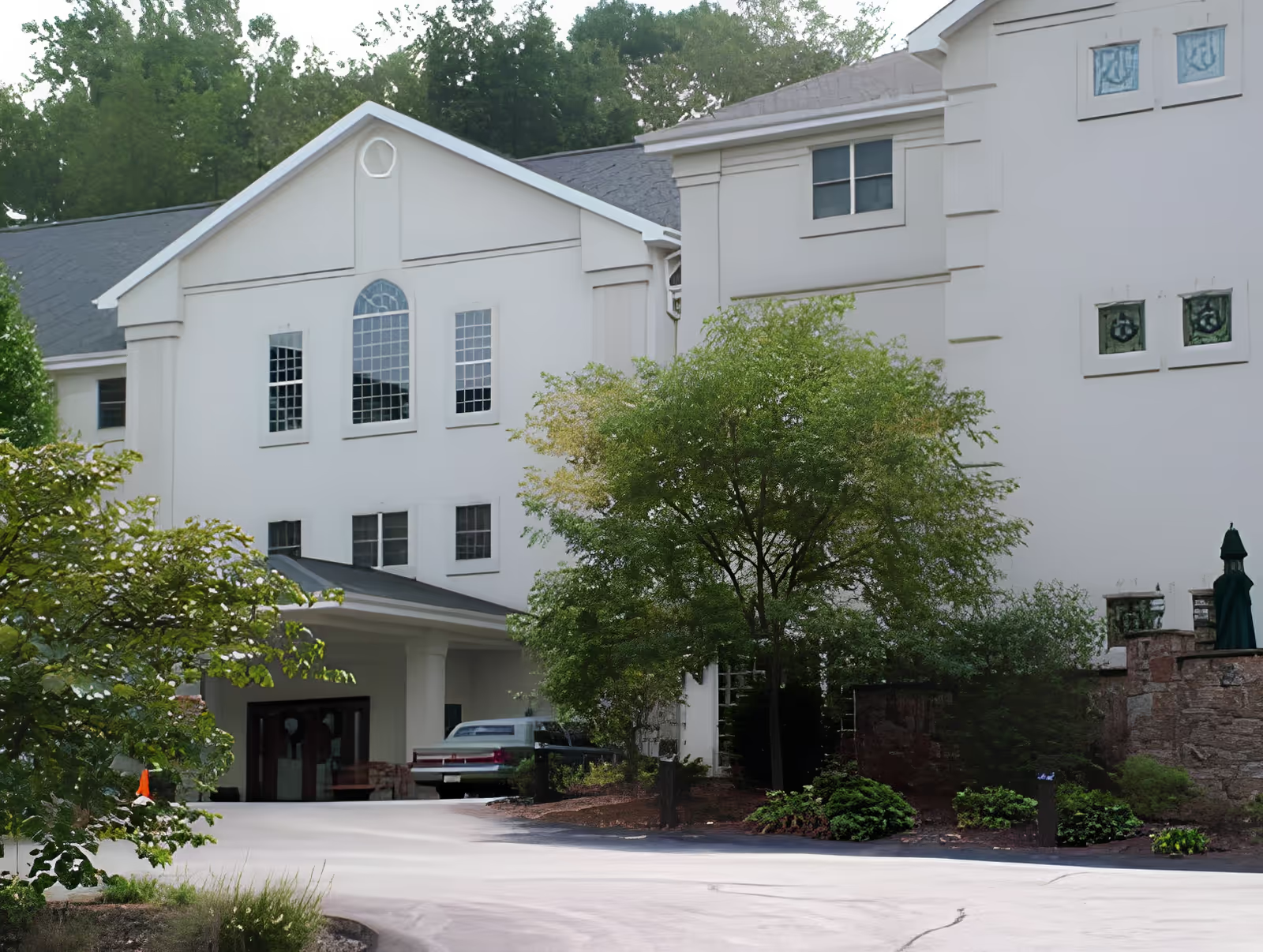
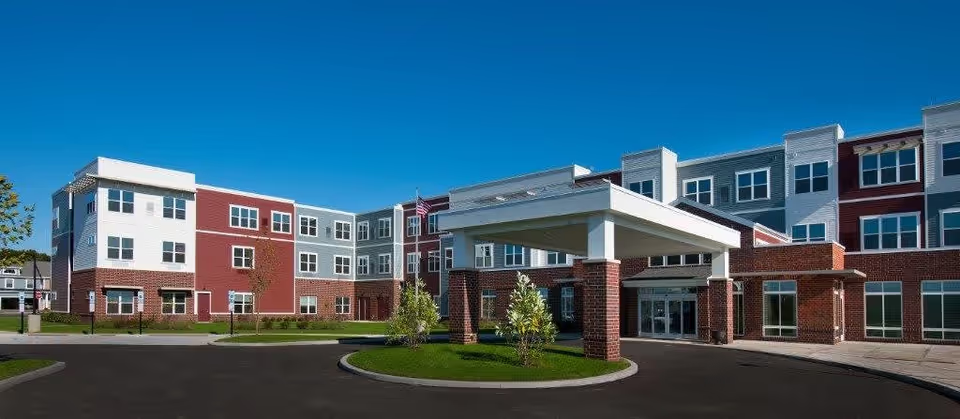
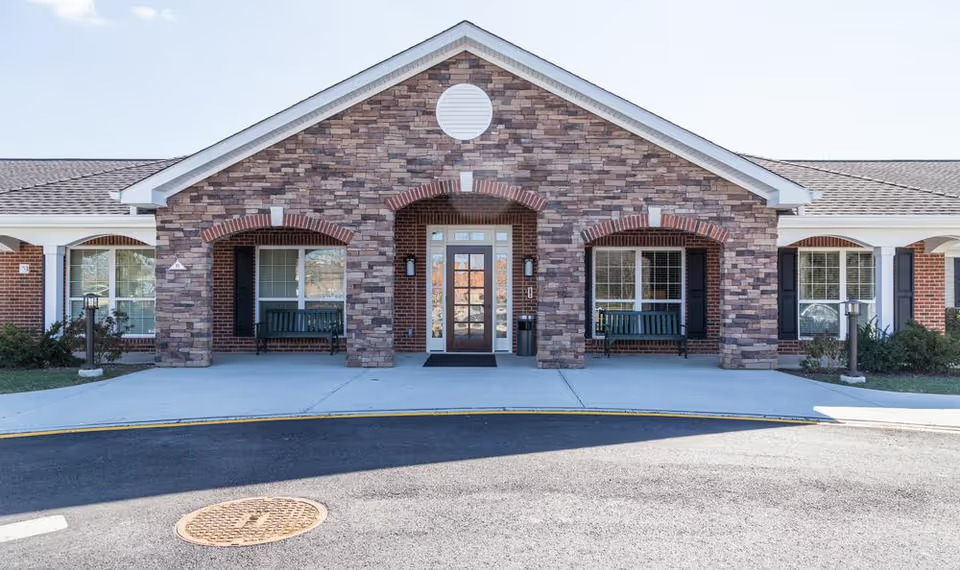
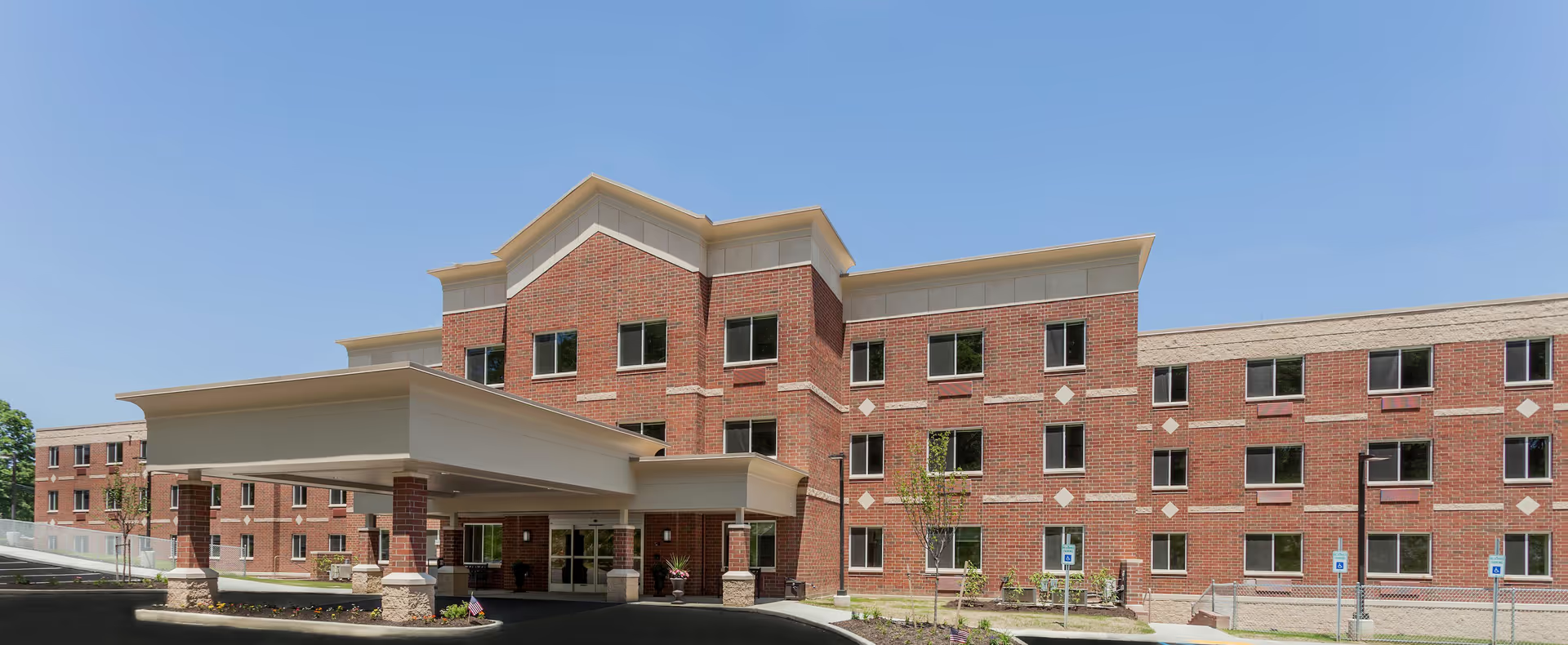
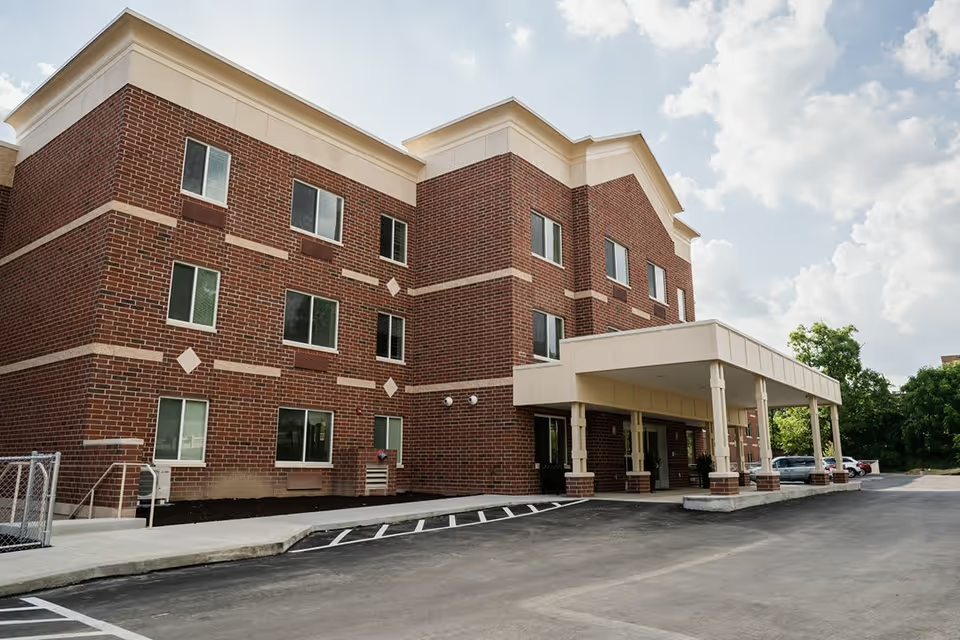
Concordia of the South Hills elicits strongly mixed impressions. Reviewers consistently praise the facility's rehabilitation services, activities program, and several individual caregivers and administrative staff; these strengths coexist with a recurring set of operational and clinical concerns. Prospective residents and families will find a modern, attractive building, a robust therapy department, and an active activities calendar in many accounts, but should also be prepared to investigate specific operational practices before placement.
Care quality is polarized. Many families highlight excellent PT/OT outcomes, individualized therapy, and staff who contribute to measurable gains in mobility and strength. At the same time, numerous accounts describe short staffing on some units and shifts, delays in nurse/aid response times, missed or improperly handled medication administrations, and inconsistent clinical monitoring for residents with higher acuity or hospice needs. Several reviewers described situations where family advocacy was required to obtain timely assessments or to ensure orders were followed; this pattern suggests variable reliability in clinical follow-through across shifts.
Staffing and management behavior show a similar split. Day-shift therapists, activities staff, some aides, and admissions/social-services personnel receive repeated commendation for compassion and helpfulness. Conversely, reviewers frequently identify staffing shortages (notably nights and weekends), inconsistent communication from nursing and medical providers, and uneven bedside manner or responsiveness among some staff. Management-related concerns center on discharge coordination, delayed or incomplete handoffs, and occasional failures to keep families informed about clinical changes. There are also multiple mentions of privacy and device-handling issues that warrant inquiry by families concerned about confidentiality protocols.
Dining, activities, and facility environment are generally positive highlights. Several reviewers describe varied meal options, accommodating dining staff, frequent activities, and a pleasant communal environment — including special offerings such as therapy dogs and social events. However, others describe institutional or inconsistent food quality and note that some residents experienced isolation or limited participation in activities; activity engagement appears to vary by unit and by staff availability.
Facility upkeep and safety are mixed. Common areas and public spaces are often described as clean and attractively maintained, while some individual rooms and bathrooms are reported with sanitation concerns or maintenance wear. Safety-related patterns include inconsistent use of bed alarms or transfer protocols, delayed responses to call bells, and occasional lapses in fall-prevention or monitoring practices. Families should confirm staffing ratios, alarm policies, and how the facility manages higher-acuity needs.
Notable patterns for decision-making: the facility demonstrates clear strengths in rehabilitation, therapy staffing, and social programming, and several staff members and departments receive consistent praise. Conversely, there are recurrent operational weaknesses around staffing consistency, medication handling, clinical monitoring for complex patients, discharge coordination, and family communication. For families considering Concordia of the South Hills, recommended questions include: what are nurse-to-patient ratios by shift; how does the facility manage medication administration and secure storage; what physician coverage is available on nights/weekends; how are clinical changes communicated to families; and what discharge-planning protocols are in place. These checks can help align expectations with the facility's demonstrated strengths and weaknesses.