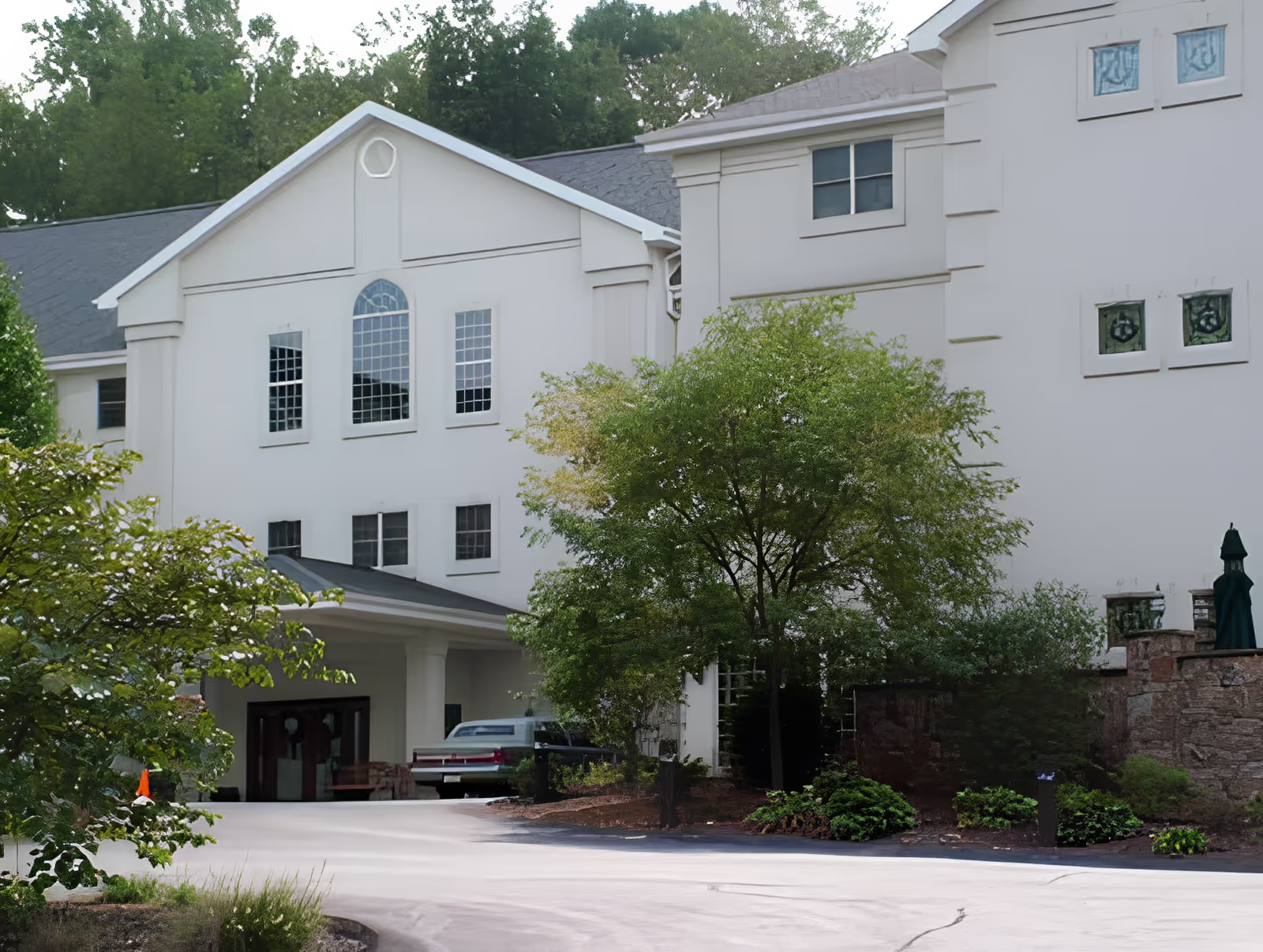
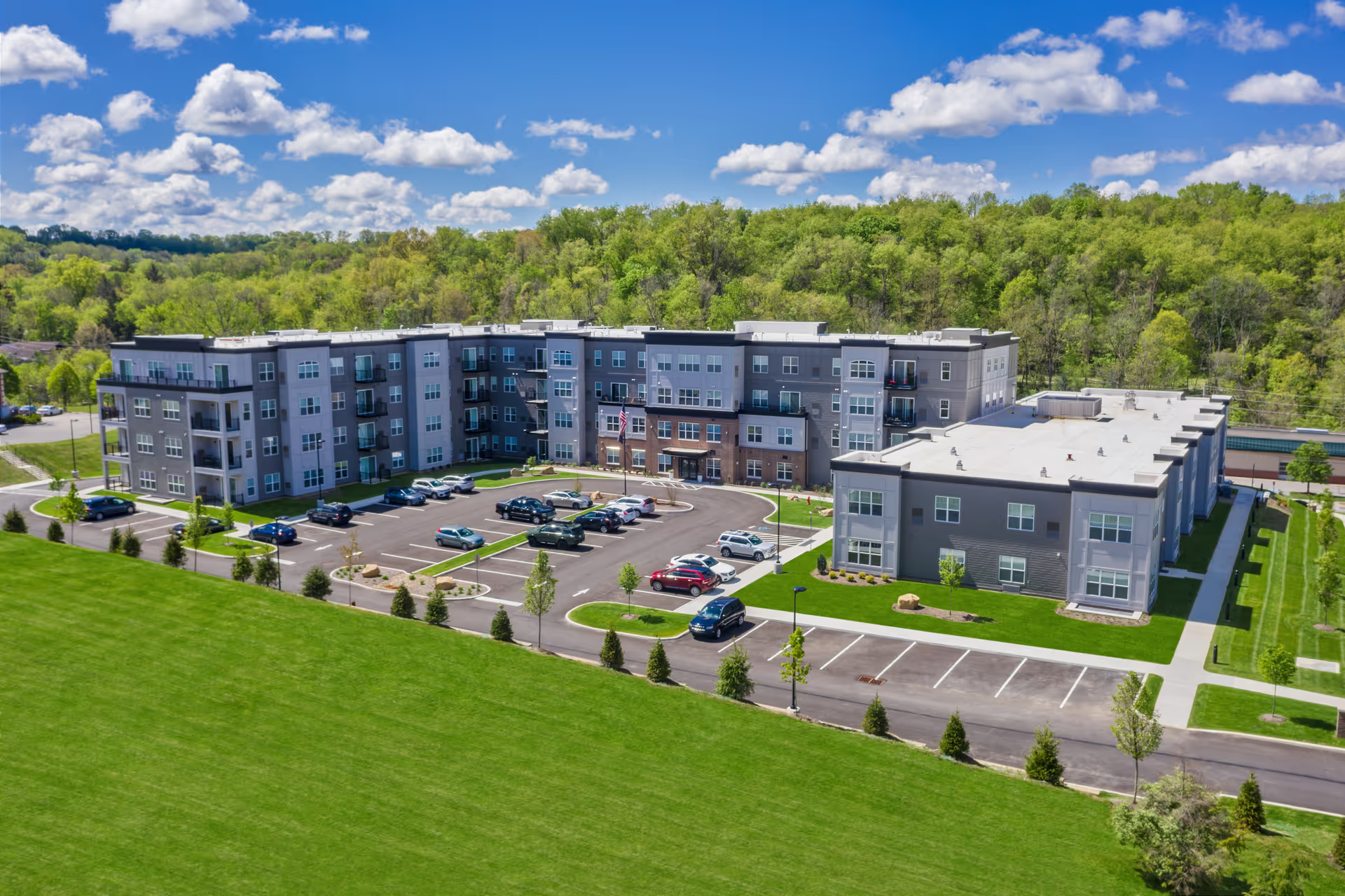
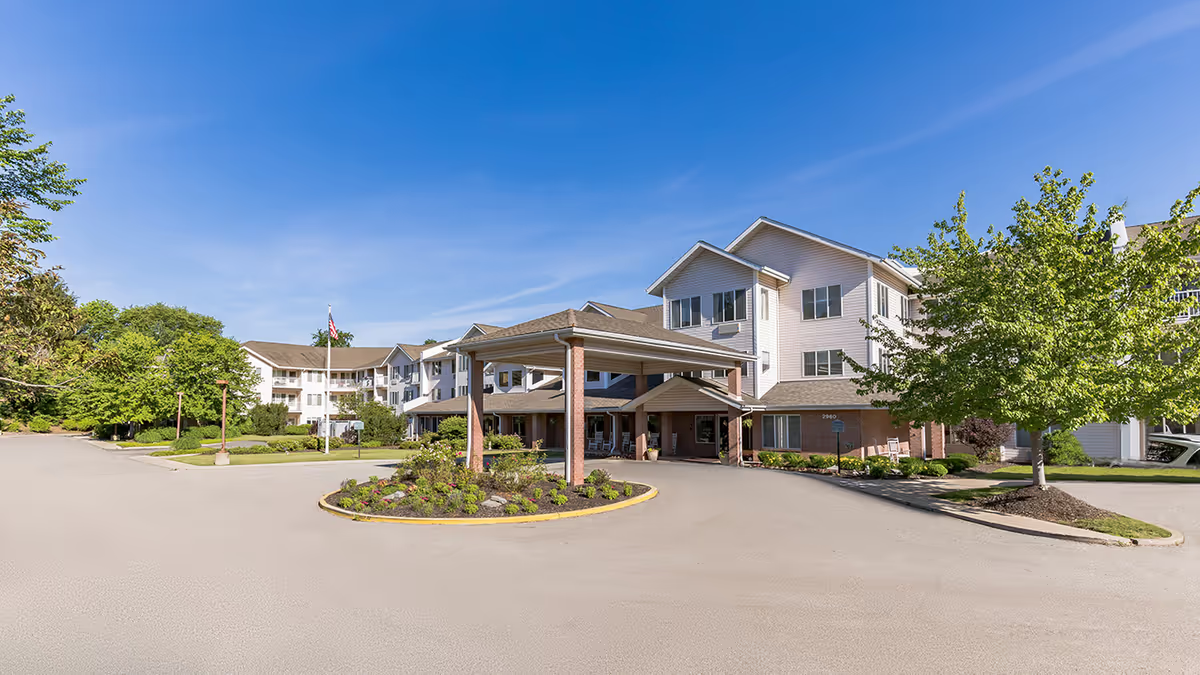
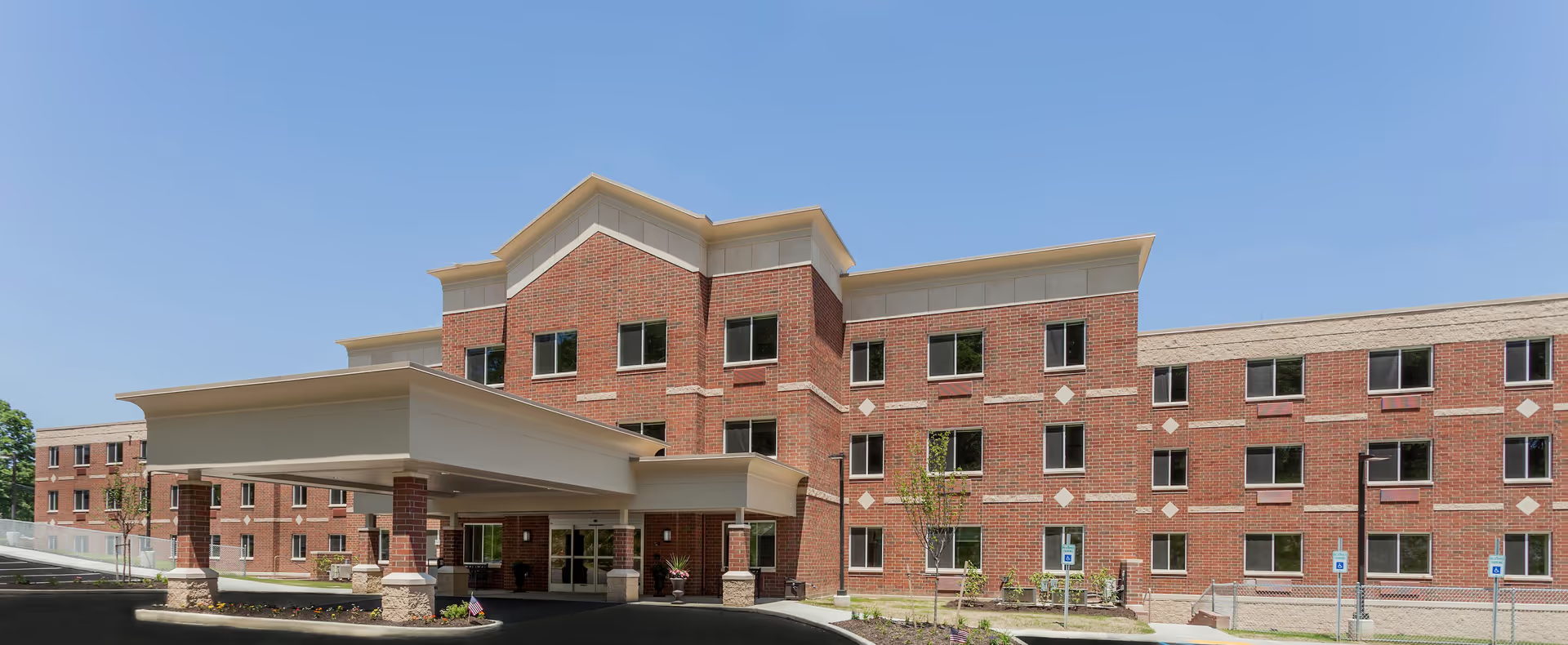
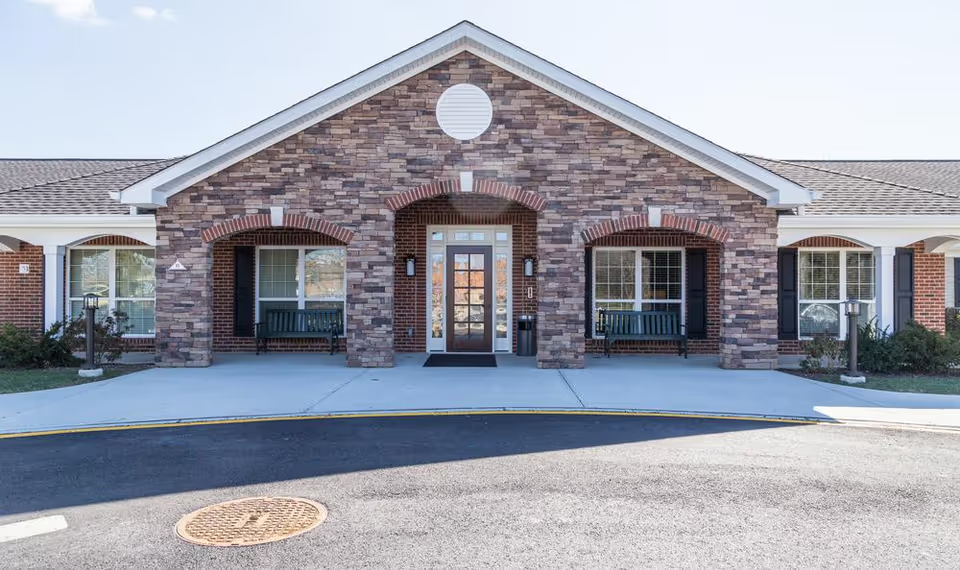
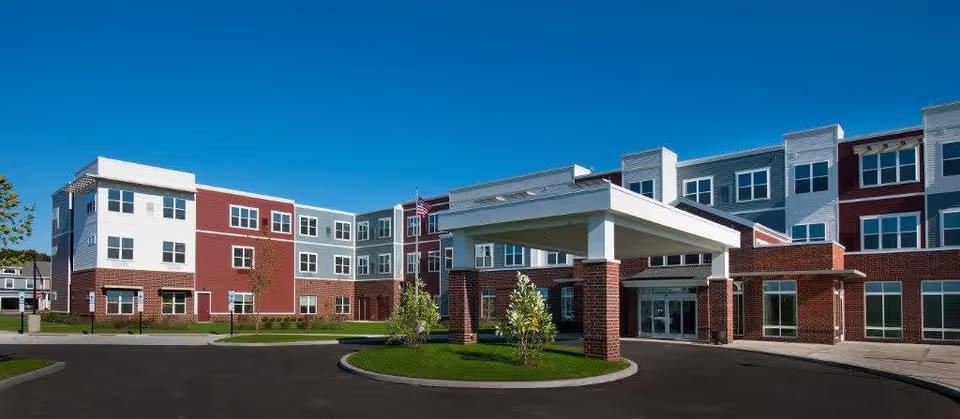
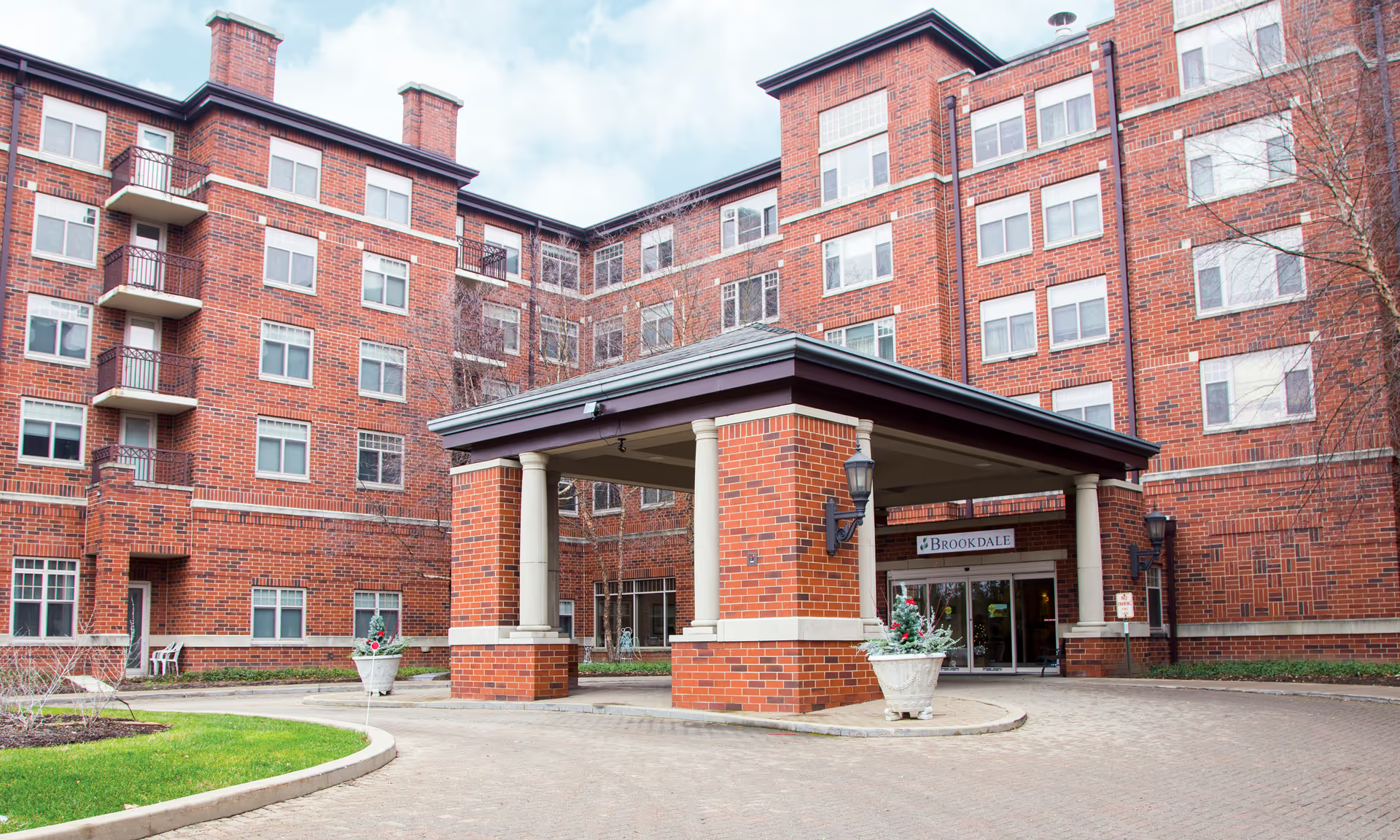
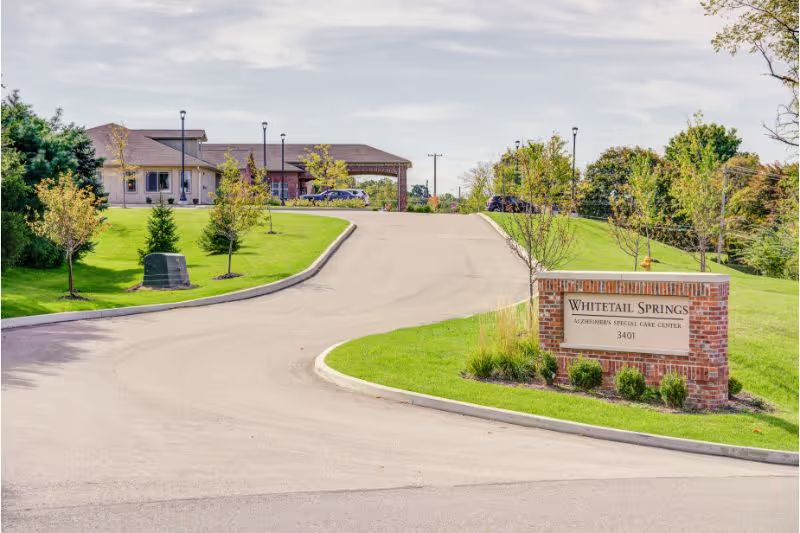
Friendship Village of South Hills elicits a strongly mixed but consistent set of themes. Many families and residents praise the community aspects: staff who are warm, personable, and often remembered by name; a lively program of activities, clubs, and outings; attractive grounds and walking areas; and apartments with good natural light. The therapy and rehabilitation teams receive repeated positive mentions for effectiveness and motivation, and several accounts describe well-coordinated admissions and discharge planning that eased transitions. Restaurant-style dining and capable culinary staff are commonly cited as strengths, with multiple comments about varied, well-prepared meals and a positive dining-room experience.
Counterbalancing those positives are persistent operational concerns. Staffing levels and workforce stability emerge as the primary pattern in critical comments: reviewers describe high turnover, heavy use of agency personnel, and frequent changes in direct-care assignments. Those staffing patterns are linked to secondary issues including delays in clinical response, inconsistencies in medication and wound-care follow-up, and variable timeliness of assistance for activities of daily living. Several accounts describe safety-related incidents (falls, prolonged waits for help) and highlight gaps in resident-behavior management and roommate accommodations that can affect personal space and mobility.
Cleanliness and infection-control are areas of uneven performance in the set of reviews. While some accounts describe well-maintained common areas and housekeeping, others cite sanitation concerns, odor issues in parts of the building, and inconsistent adherence to infection-control expectations. Renovation activity is noted to cause dust and disruption at times; reviewers advise asking about current construction status before a move. Communication with families and clinical transparency are also mixed: positive experiences with engaged social workers and discharge coordinators are balanced by reports of poor incident reporting, limited family updates, and unsatisfactory responsiveness during clinical events.
Dining and billing present a mixed picture. The on-site dining program is often praised for quality and selection, yet other accounts describe limited meal availability in some units, occasional prepackaged offerings, and extra charges for in-apartment dining or snack access. Prospective residents should clarify what meal options and associated fees apply to their specific care level and apartment type. Cost is a recurring theme; several reviewers perceive the community as expensive relative to the consistency of clinical and housekeeping services.
In summary, Friendship Village of South Hills offers many of the expected strengths of an established continuing-care community: engaging programming, attractive grounds, strong rehabilitation services, and numerous staff who provide friendly, resident-centered support. At the same time, recurring operational weaknesses — notably staffing instability, inconsistent clinical responsiveness, variable sanitation and infection-control practices, and uneven family communication — raise caution flags for those considering higher levels of care. Prospective residents and families would be advised to tour multiple times, ask specific questions about current staffing models and agency use, request recent quality or inspection information, confirm dining inclusions and extra fees, and verify the status and timeline of any ongoing renovations before committing.