Reviews for Southwestern Veterans Center are mixed, with clear strengths in direct resident engagement and several serious operational concerns. Positive commentary emphasizes a veteran-centered culture, approachable caregiving staff, and an active programming calendar. Long-term residents and families who remain satisfied describe compassionate care, personalized assistance, and usable outdoor spaces including a pavilion. Activity staff and the variety of social programming are frequently identified as meaningful contributors to residents’ daily life.
Clinical care and staff conduct present a divided picture. Many accounts praise the kindness and responsiveness of front-line caregivers, while other accounts raise questions about clinical processes such as medication administration, diagnostic accuracy, and consistency of end-of-life management. Reviewers describe instances that suggest gaps in monitoring and responsiveness on the units; these suggest a need for clearer clinical protocols and stronger oversight to ensure consistent delivery of care across shifts.
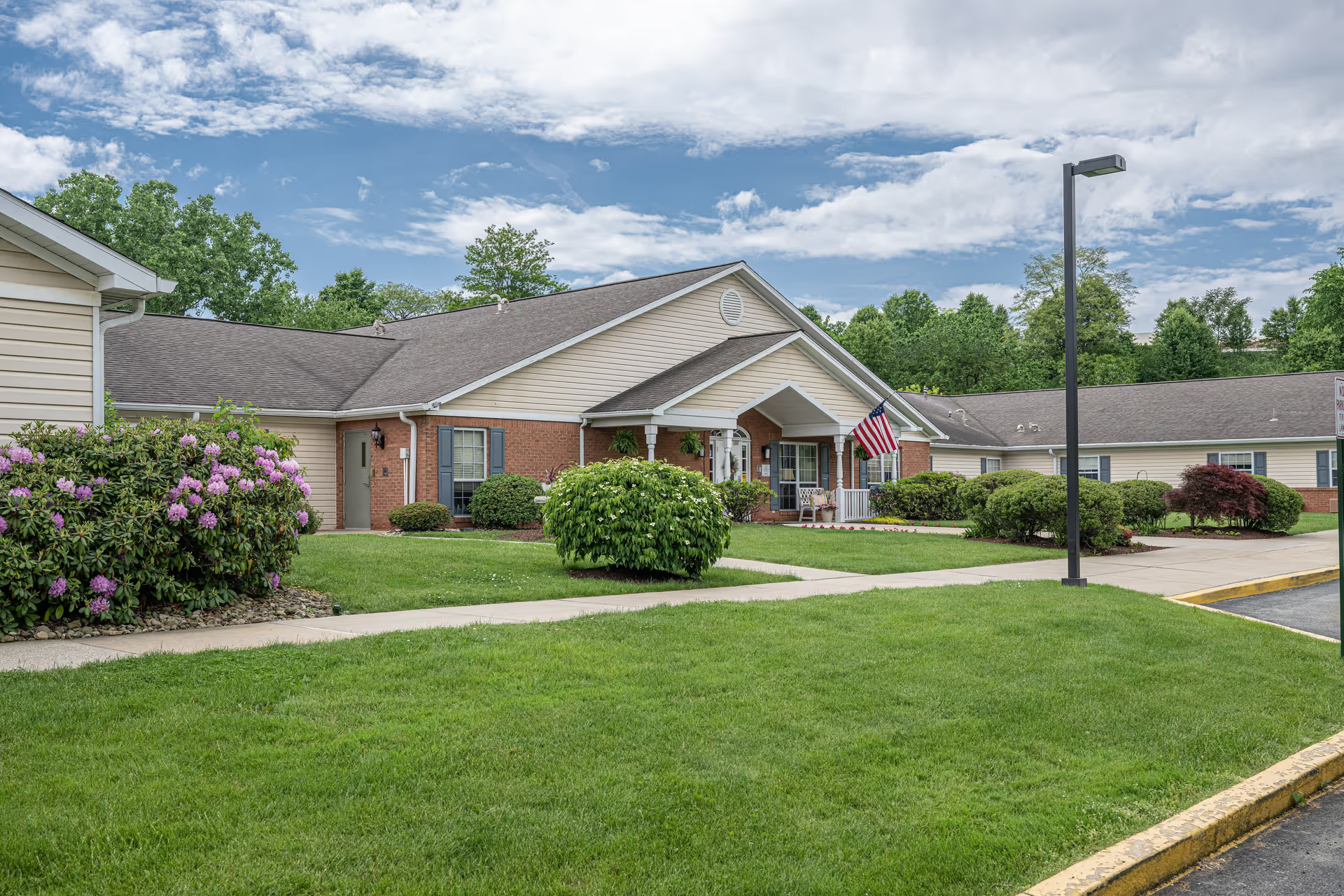
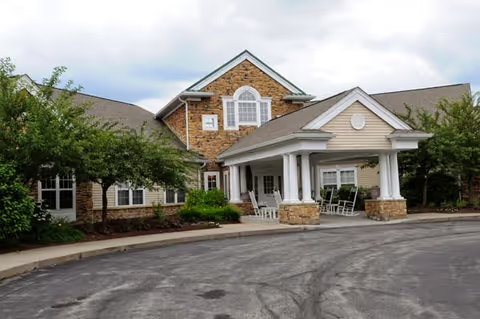
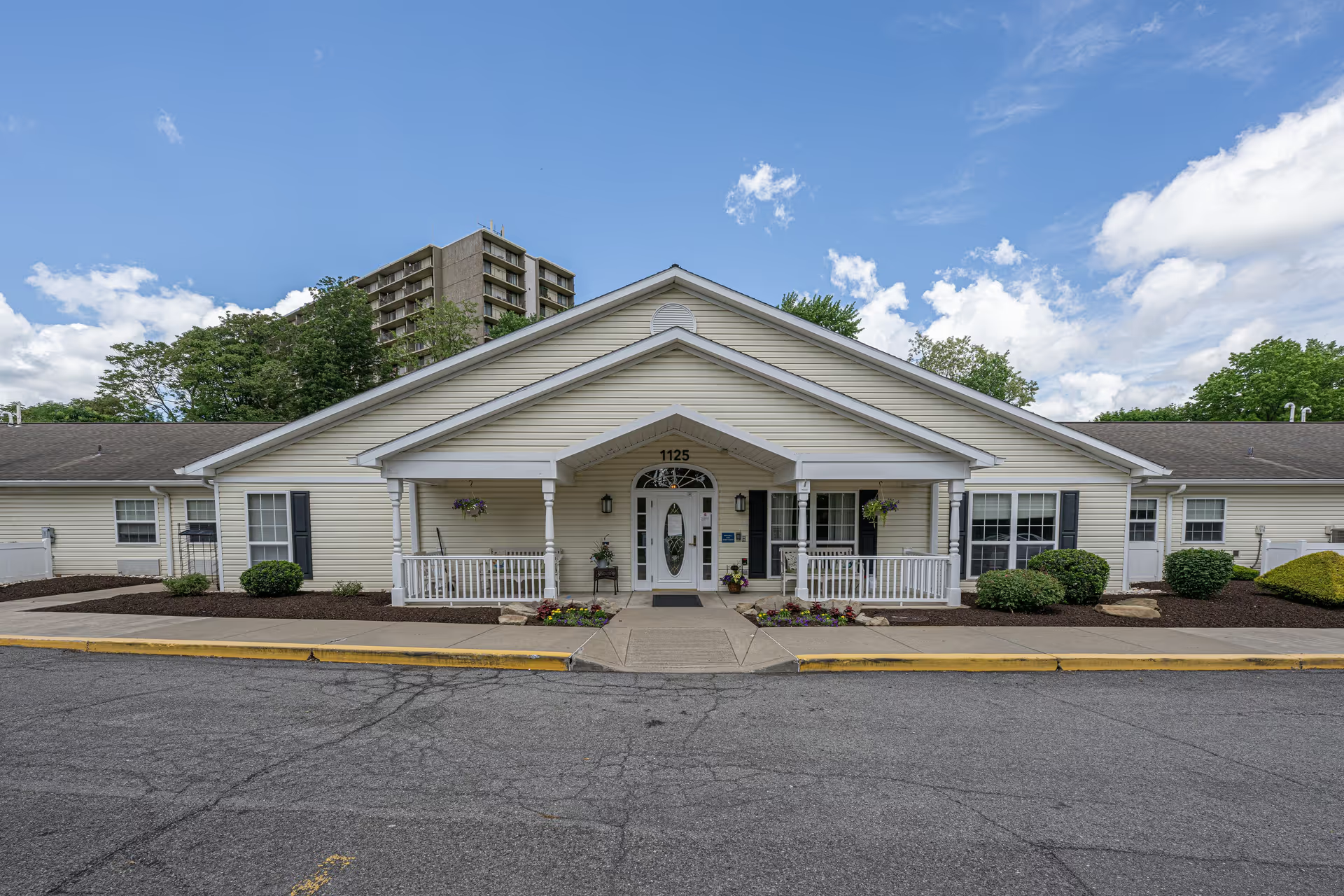
Programming and daily life show strengths and limitations. Activity offerings are generally described as robust and engaging for veterans, supporting social engagement. There is little consistent information about dining quality in the provided summaries. Facility environment feedback is mixed: outdoor areas and the pavilion are viewed positively, but interior spaces are sometimes described as institutional rather than homelike. Several comments note maintenance and aesthetic shortfalls (lawn care, small TV/common rooms, plain rooms) that affect resident comfort and communal use.
Management, transparency, and safety governance are recurring concerns. Summaries reference constrained visitation policies, limited transparency from leadership, and indications of regulatory attention; these point to broader issues with communication, accountability, and incident response. There are also concerns tied to security and property protection and to the maintenance and safety of equipment. Taken together, these suggest opportunities for stronger policies in security, incident escalation, family communication, and compliance with regulatory expectations.
For prospective residents and families, the facility offers strengths in veteran-focused programming and personable caregiving staff, but also exhibits operational weaknesses that merit direct inquiry. Recommended due diligence includes asking for current staffing ratios and shift coverage, written medication- and incident-response protocols, documentation about regulatory reviews and corrective actions, visitation policies, security measures, and recent maintenance records. An in-person tour focusing on unit monitoring, communal spaces, and staff interactions during different shifts will help assess whether the facility’s practices align with a family’s expectations for safety, transparency, and daily life.