Reviews describe a facility with a clear set of strengths alongside recurring operational concerns. The rehabilitation and therapy departments receive consistently positive comments: families and residents frequently note measurable mobility improvements, effective PT/OT interventions, and supportive short-stay rehab outcomes. Many reviewers praised individual caregivers — particularly nursing aides and several nurses — for compassionate, attentive hands-on care and for creating a home-like ambience. The facility also earns positive marks for cleanliness in many areas, private-room options, an active slate of activities (bingo, crafts, reading, and scheduled religious services), and a child-friendly dual daycare integration that some families found restorative.
At the same time, a number of operational patterns raise caution. Staffing instability, including high turnover and routine use of agency or temporary personnel, appears to contribute to uneven care continuity. That instability is linked in reviews to delayed call-bell responses, inconsistent toileting and incontinence care, and variability in the tone and responsiveness of staff interactions. Several accounts describe brief or limited therapy session durations in some stays, suggesting that therapy intensity and scheduling may vary by unit or by staffing levels.
Dining and nutrition are mixed themes: the facility offers regular meals and a convivial dining atmosphere in several reports, but multiple reviewers cited inconsistent food temperature and variable meal quality. Meal timing and scheduling were also called out as problematic in some cases for residents with specific dietary or medical needs, indicating a need to verify individualized nutrition plans and snack/late-evening options for medically vulnerable residents.
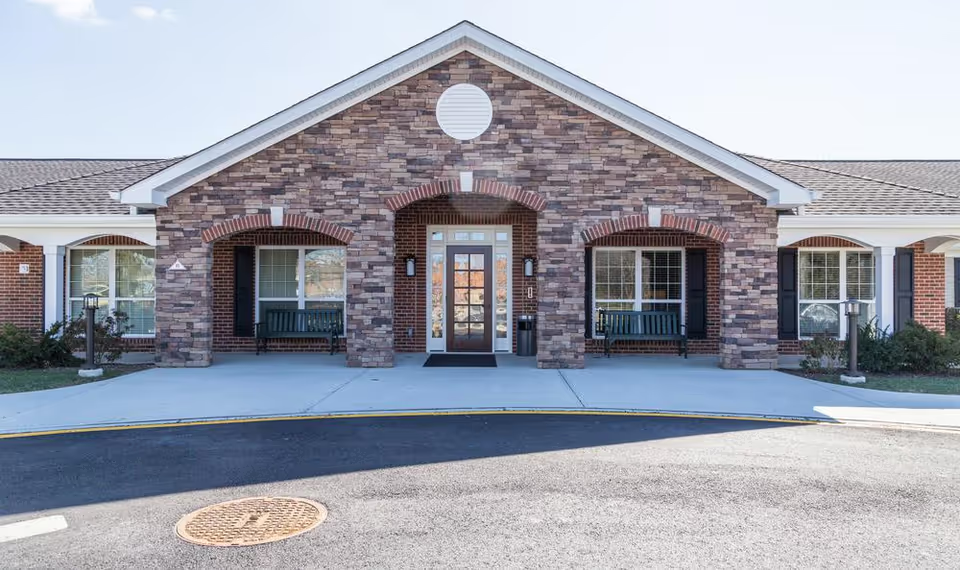
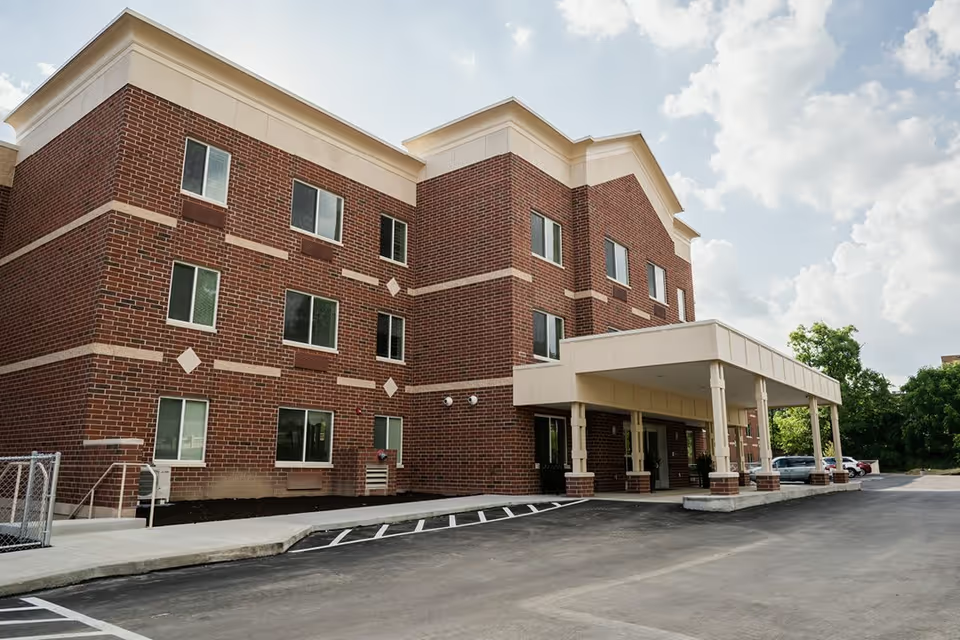
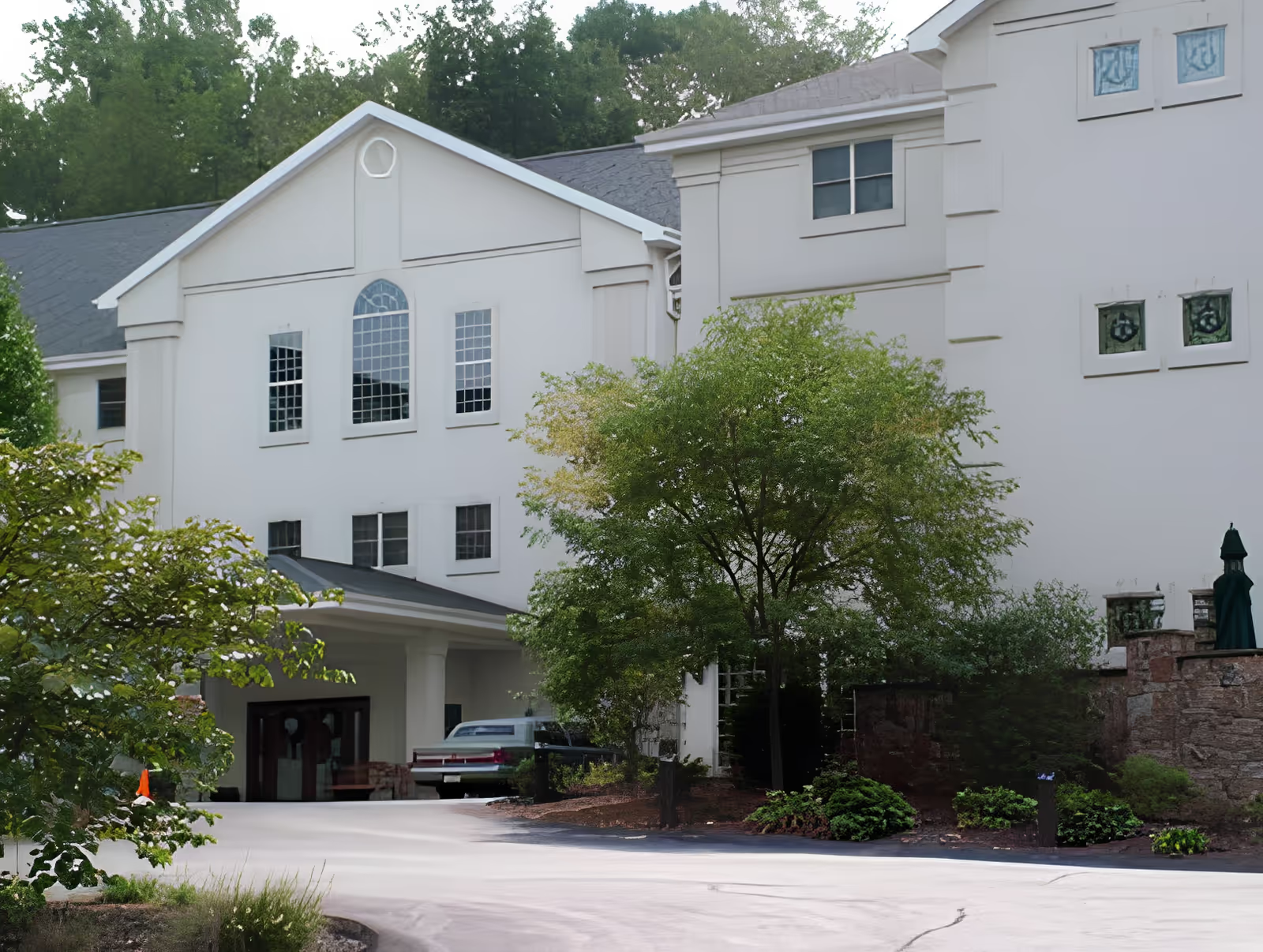
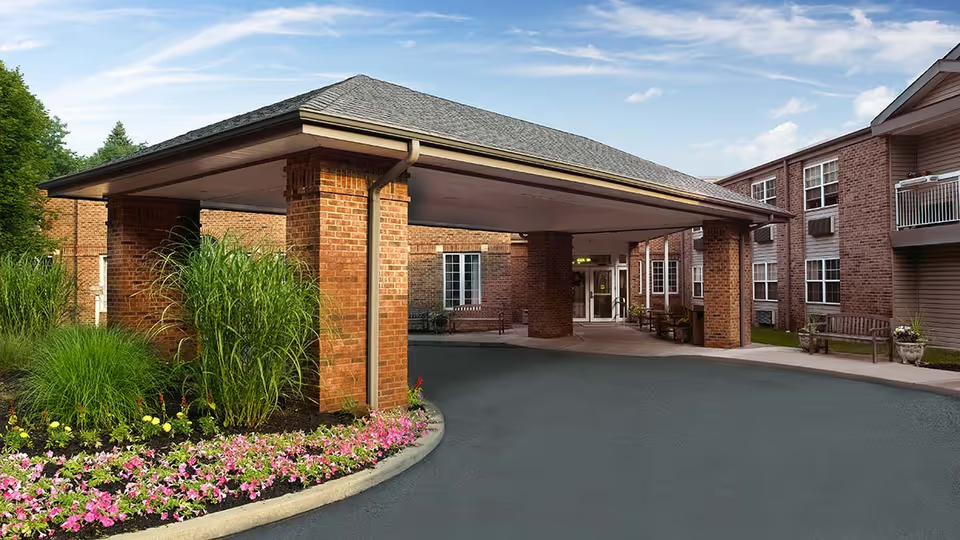
Facilities are generally described as clean and maintained, though reviewers also noted aging infrastructure, occasional maintenance failures (broken beds, nonworking lamps/TVs), and small room sizes. Infection-control and environmental concerns — including ventilation and reports of infectious outbreaks or abbreviated room-cleaning practices during heightened infection periods — emerged as notable patterns that prospective families should investigate further. Safety-practice weaknesses for residents with cognitive impairment were also described, suggesting that the facility’s secure and dementia-specific protocols may not be uniformly applied.
Management and administrative responsiveness appear inconsistent. Some families described attentive administrators and helpful reception staff; others described uneven complaint handling, perceived managerial favoritism, and staff-conduct issues that were not satisfactorily addressed. There are also serious individual claims, including allegations of missing personal items and financial irregularities; these raise questions about personal-property controls and should be validated directly with the facility and through regulatory or inspection records.
In summary, Marian Manor offers strong rehabilitation services, meaningful activities, and many compassionate frontline caregivers, with a generally clean environment and family-friendly programming. However, operational weaknesses — particularly inconsistent staffing, variable infection-control practices, gaps in medication and continence responsiveness, and uneven management follow-through — create variability in the resident experience. Prospective residents and families should arrange a focused tour, ask about current staffing ratios and agency use, review infection-control policies and recent inspection results, observe meal service and activity engagement, and confirm processes for personal-property security and escalation of concerns before deciding.