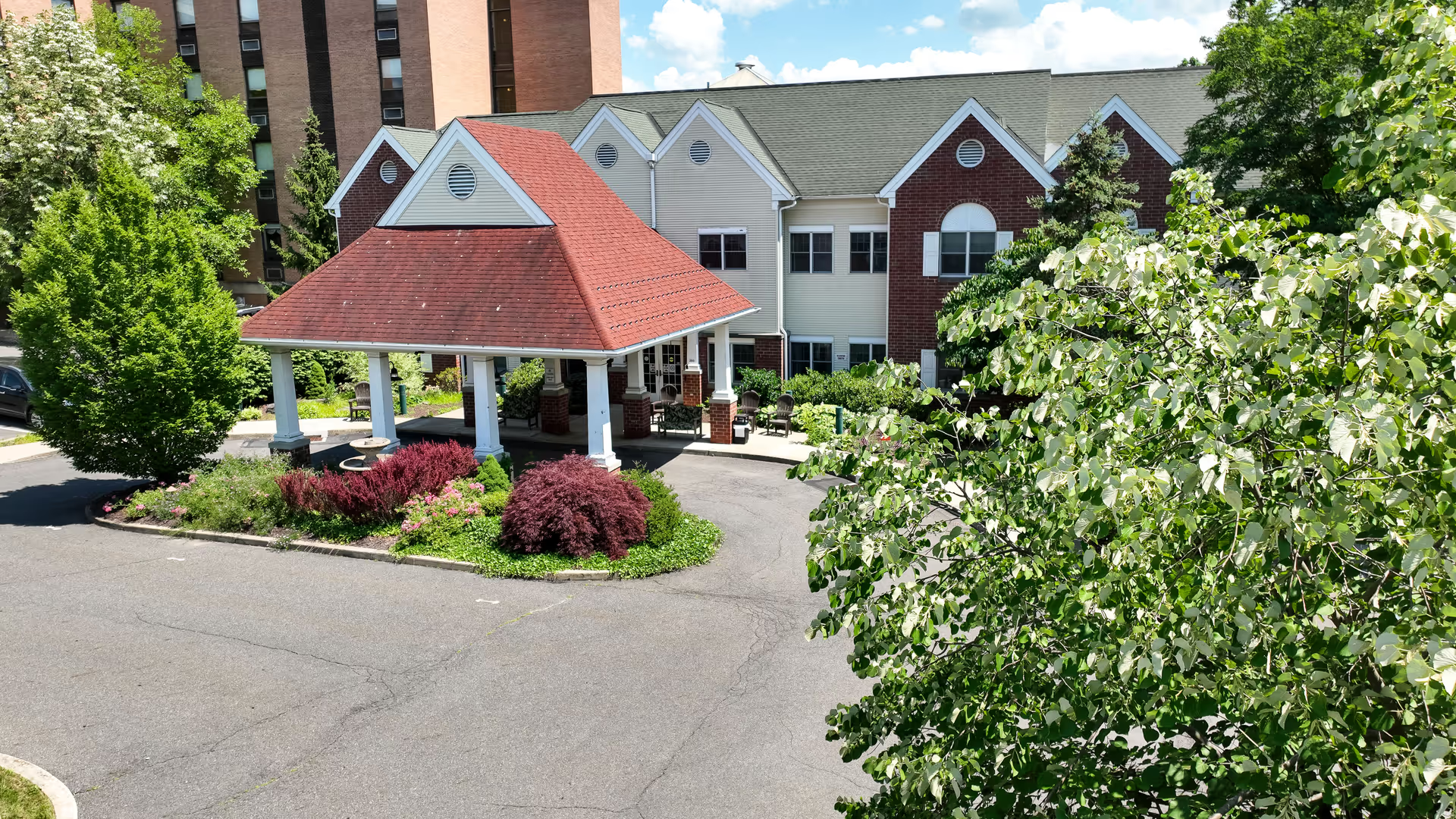
Overall impression: Wesley Village Campus elicits strongly mixed impressions. Many families and residents praise the campus environment, the breadth of services, and the compassion of front-line staff. The site is frequently described as clean, well maintained and recently updated, with attractive cottages and apartments and plentiful social programming. At the same time, several serious operational concerns appear in reviews and should be considered during a tour and family conversations.
Care and clinical oversight: Care experiences range from highly positive accounts of attentive, individualized nursing and therapy to reports indicating lapses in clinical response and safety oversight. Reviewers consistently praise specific nurses and aides for compassion and skill, and the campus offers a visible rehabilitation focus with multidisciplinary therapy teams and modern equipment. However, there are recurring concerns about delayed clinical response times to resident needs, gaps in fall-prevention and transfer practices, inconsistent execution of incontinence and personal-care routines, and occasional inconsistencies in clinical decision-making (including allegations related to catheter use). Those latter items suggest reviewing the facility's protocols for incident response, fall prevention, and catheter policies when evaluating placement.
Staffing, therapy, and outcomes: The rehabilitation program is highlighted as a strength by many who experienced rapid recovery and coordinated therapy plans supported by occupational, physical, and speech therapy. Conversely, several accounts cite understaffing relative to patient load—particularly in the rehab unit—which is reported to affect therapy intensity and day-to-day assistance. Workforce morale and retention concerns are mentioned by some employees and families; prospective residents should ask about current staffing ratios, average therapy minutes per week, and staff turnover when assessing the fit.
Dining and nutrition: Dining and meal service receive mixed feedback. Positive comments note accommodating meal options and generally pleasant dining areas. However, there are specific allegations of inconsistent adherence to special-diet orders and texture-modified meal protocols. Given the safety implications for residents on modified diets, families should verify kitchen-to-care communication, dietary-request tracking, and feeding-safety procedures during a visit.
Facilities, activities, and community: The campus environment is a consistent strength: reviewers describe a welcoming atmosphere, attractive common spaces, and active social programming. Newer cottages and renovated therapy spaces receive particular praise, and many residents report positive social engagement and a sense of belonging.
Management and communication: Administrative aspects draw mixed feedback. Some families commend smooth admissions, coordinated social services, and a family-informed approach. Others describe inconsistent phone responsiveness, gaps in follow-up communication, and occasional discrepancies in how affiliations or service capabilities are represented. Prospective families should clarify points of contact, escalation pathways, and expected communication practices up front.
Notable patterns and guidance for families: The strongest, consistent positives are the campus condition, visible therapy resources, and many examples of compassionate front-line staff. The most important patterns of concern are inconsistent dietary and feeding safety adherence, lapses in timely clinical response, variable rehab staffing and outcomes, and communication shortfalls. There are also isolated but serious-sounding accounts that raise questions about clinical decision-making and safety; these merit direct discussion with leadership and review of facility policies.
Practical next steps for prospective residents and families: When considering Wesley Village Campus, arrange an in-person tour, meet nursing and therapy leaders, and ask for specifics on staffing ratios, special-diet protocols, fall-prevention practices, catheter-use policies, and family-communication workflows. Request recent quality metrics, incident-response timelines, and examples of how management has addressed previous concerns. Those targeted questions will help determine whether the facility's operational practices align with a particular resident's clinical and safety needs.