Overall impression: Reviews describe a facility with clear strengths in direct caregiving, activities and therapy, paired with operational inconsistencies that prospective families should evaluate during a visit. Many families emphasize compassionate, family-style care delivered by attentive aides and nurses; others praise the facility’s rehabilitation offerings and an active activities calendar that supports social engagement and spiritual programming.
Care and staff: Caregivers and clinical staff are frequently described as warm, respectful and skilled, creating a nurturing environment and comforting bedside manner for residents. Individual staff members and the activity/rehab teams receive specific praise for helping residents adjust and for providing hands-on support. At the same time, reviewers describe variability in responsiveness tied to staffing levels—some families experienced timely, thorough attention while others encountered delays or limited availability of staff during peak times.
Activities and rehabilitation: The activities department and on-site therapy programs are consistent strengths. The facility offers a full daily calendar, social engagement opportunities and rehabilitation services that contributed to positive adjustment and satisfaction for many residents. Families note that these programs help create a home-like atmosphere and support residents’ functional needs.
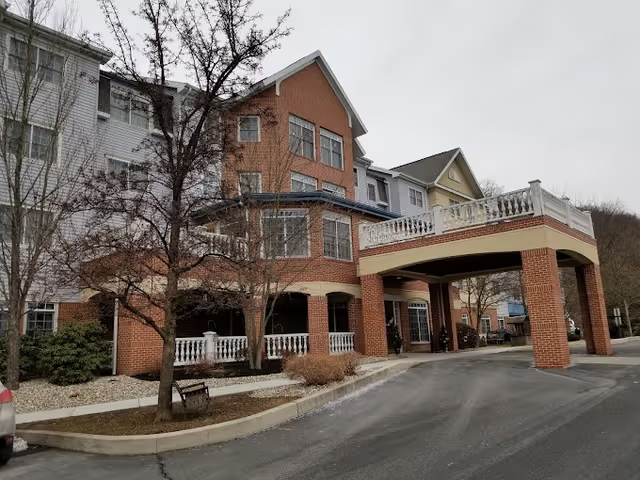
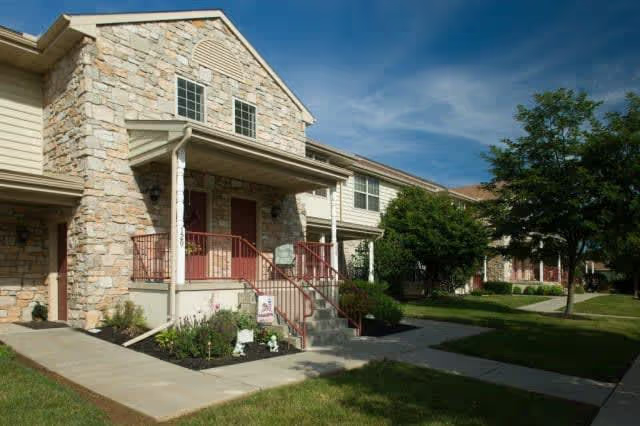
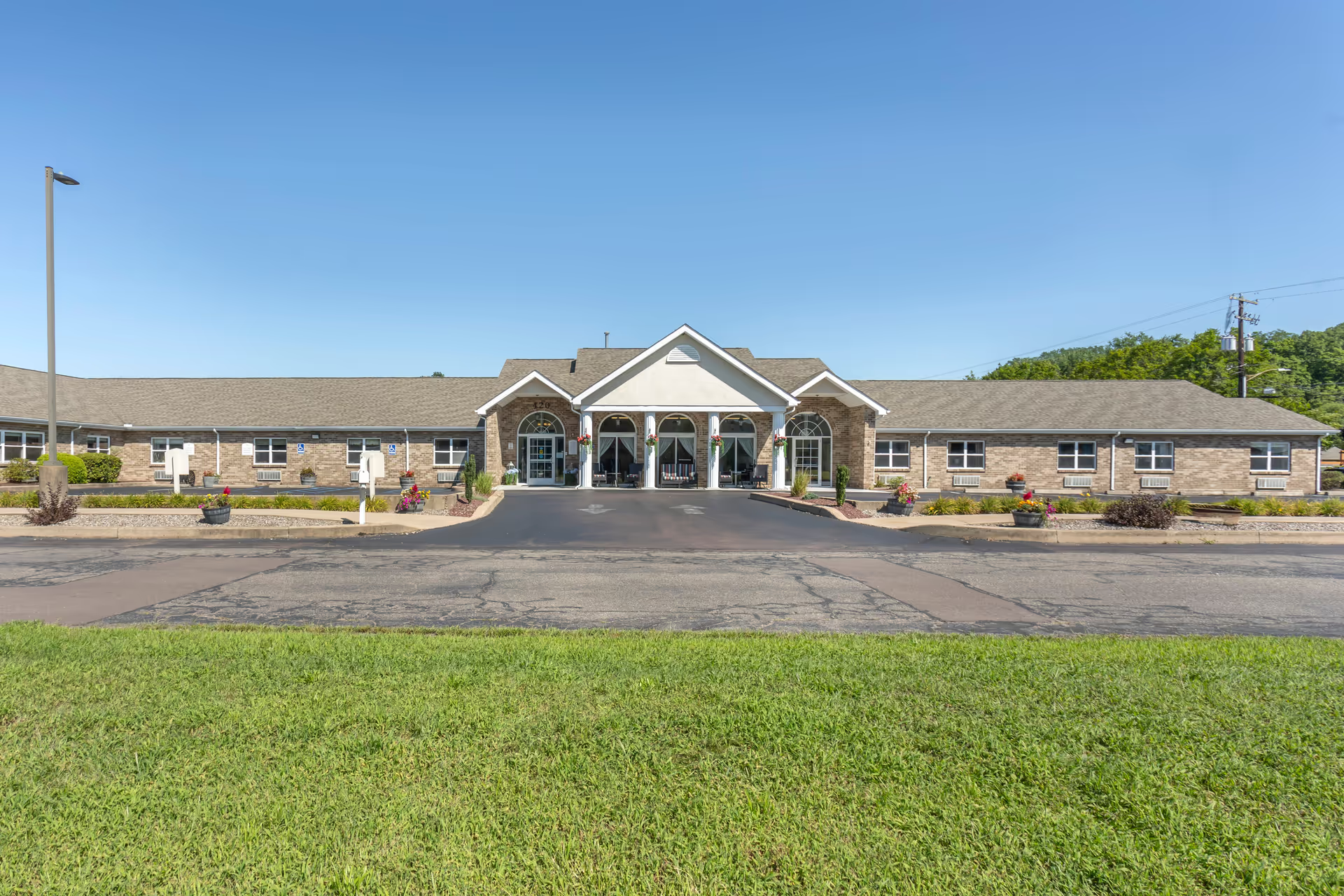
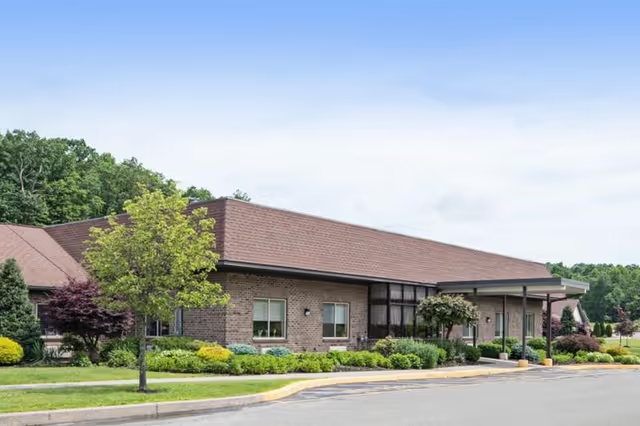
Dining and facilities: Comments about the physical environment are mixed. Several reviewers report tidy common areas and an overall home-like feel; however, there are sanitation and odor concerns in some locations, worn furnishings and inconsistent meal quality cited by others. The building is described as older with constrained unit layouts, and overcrowding or setup issues were mentioned as contributing to resident discomfort in specific instances.
Management, admissions and communication: The facility’s infection-control measures during COVID-19 and staff efforts to support families during visitation restrictions are viewed positively. Conversely, operational gaps appear in admissions follow-up and coordination with external providers—examples include missed callbacks and delayed outreach from the facility or from outside hospice coordination. Communication with families is generally good in routine care situations, but follow-up consistency and admissions responsiveness are areas of concern.
What to watch for and next steps: Prospective residents and families should weigh the strong caregiving culture, active programming and available rehabilitation services against reports of inconsistent cleanliness, meal quality and staffing variability. When touring, ask about current staffing ratios, sanitation and odor-control protocols, meal sampling and quality assurance processes, the facility’s admissions and external-provider coordination workflows, and how pandemic-related visitation policies are currently managed. These targeted questions can help verify whether the facility’s operational practices align with the expectations set by the positive caregiving experiences many families describe.