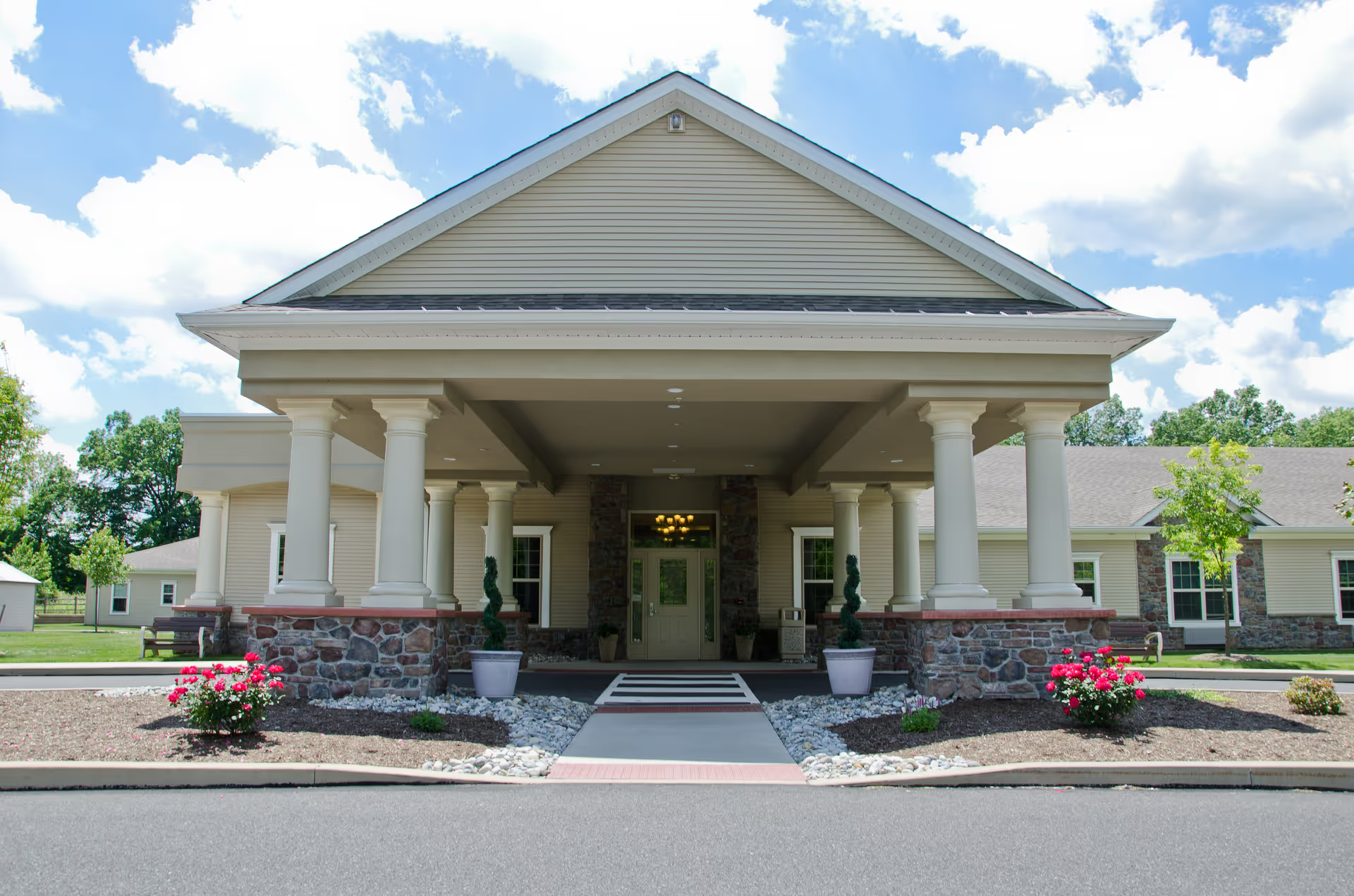
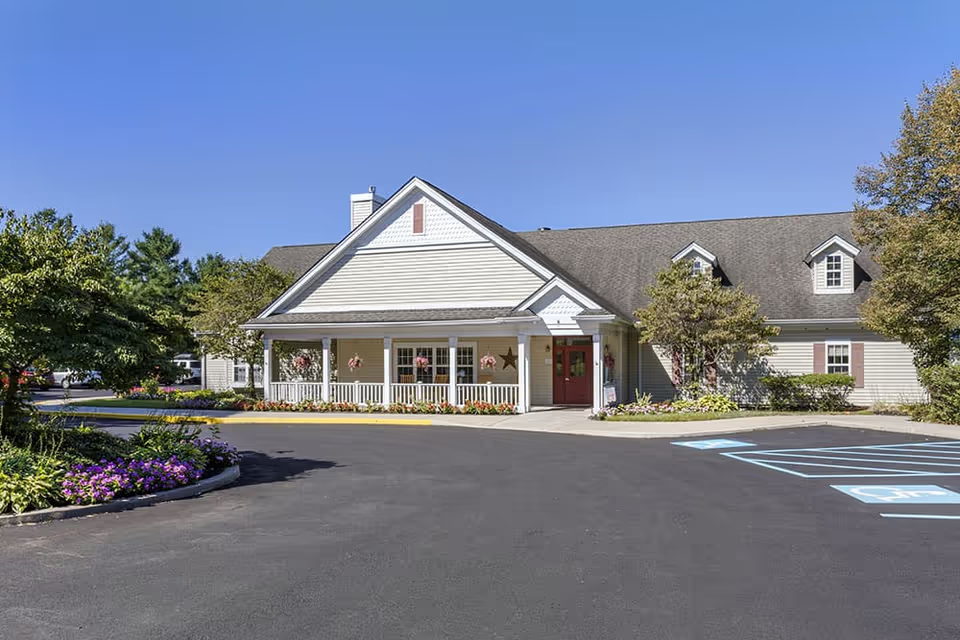
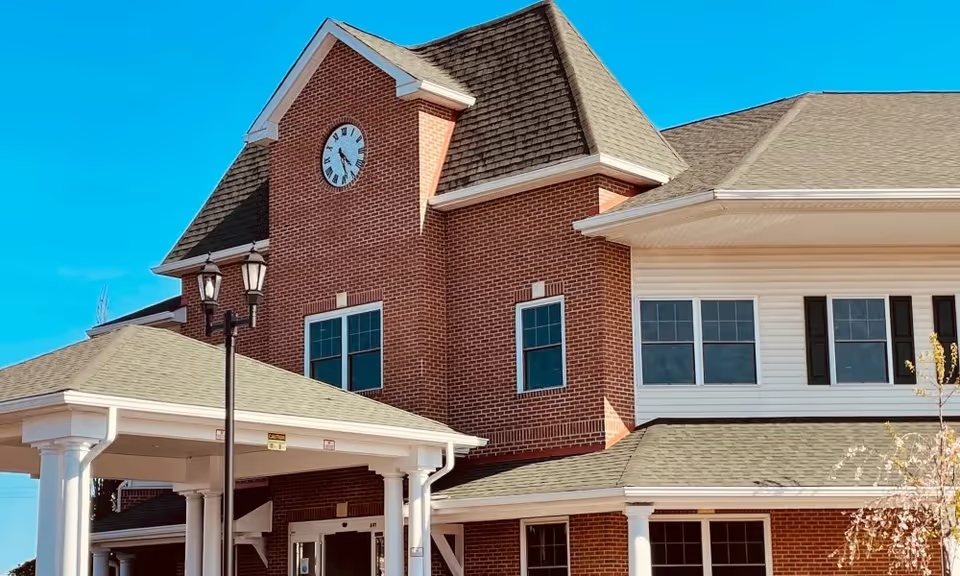
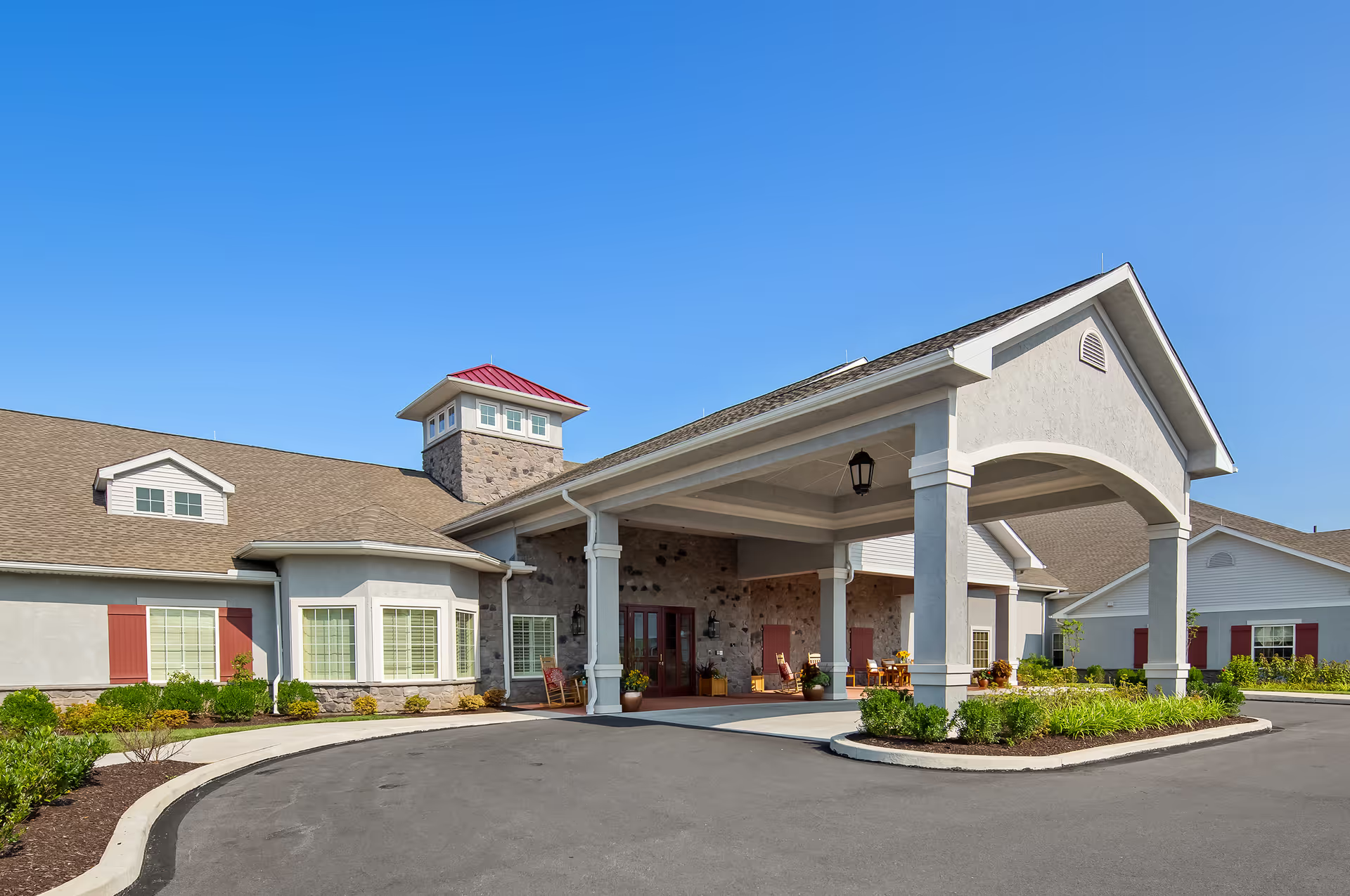
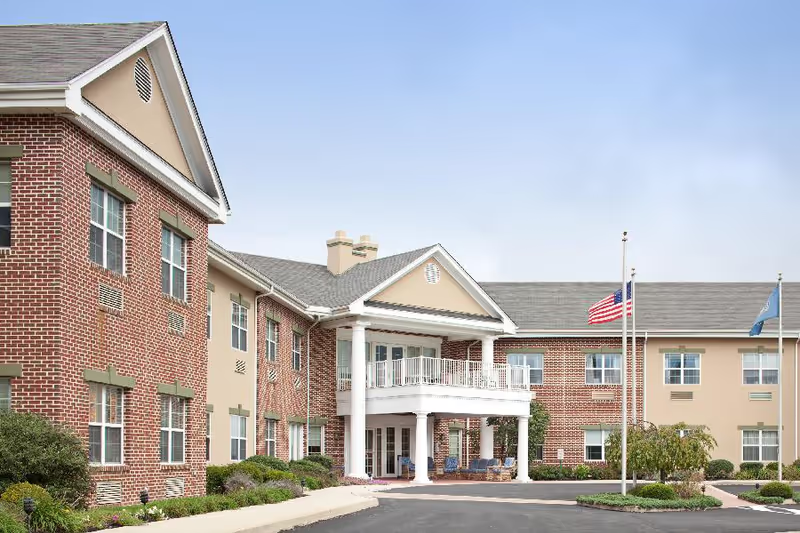
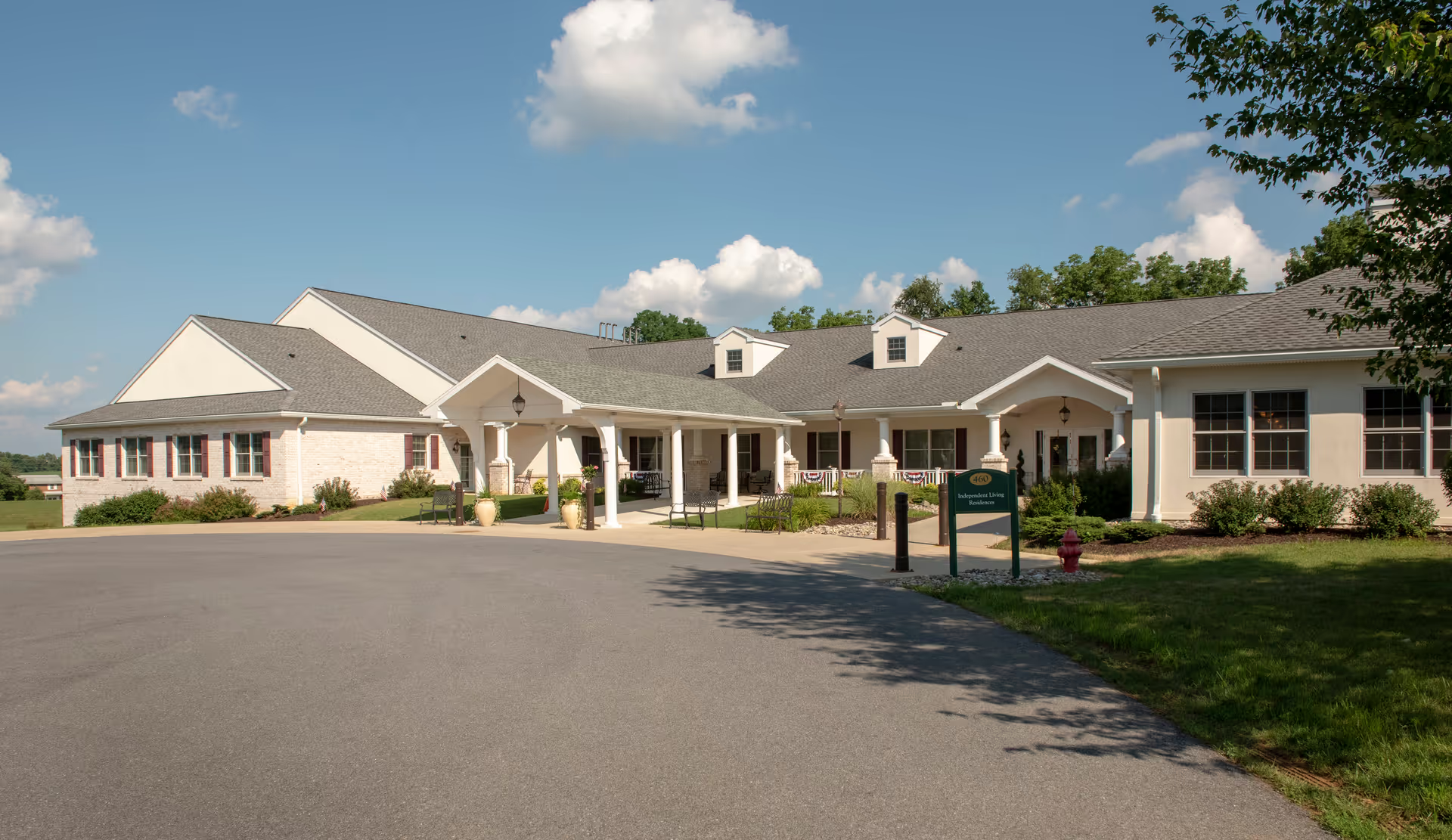
The Village at Lifequest presents as a modern, well-appointed assisted living community with a number of clear strengths alongside operational inconsistencies. Many families describe a clean, attractive, brand-new building with multiple common areas, attractive grounds and amenities such as a fountain, pond and firepit. Activity programming is frequently highlighted as a positive: residents have access to varied, entertaining events, intergenerational visits, and regular offsite trips for meals and social outings. Several accounts identify specific staff members and teams as compassionate, accommodating and effective, and some families reported smooth admissions and check-in experiences.
Care quality and staffing are mixed in the reviews. Multiple families praised nursing and caregiving staff for attentiveness and compassion, noting residents who were comfortable and well-supported. However, there are recurring operational concerns that affect perceived clinical reliability: reviewers raised issues about gaps in clinical monitoring, questions about diagnostic or assessment timeliness, and what some described as uneven staff training. Understaffing during some shifts was cited as a factor that could affect responsiveness. Infection-control practices were also described inconsistently; some families observed improper mask use and linked COVID cases, which contributes to caution about containment practices.
Dining and daily life presented a similar pattern of variability. Several reviewers said meals were good on many days, while others experienced inconsistent meal quality. Apartments and common spaces were generally described as adequate and comfortable, and the building’s newness contributes to a positive physical environment; a few families did note occasional "kinks" one might expect in a newly opened community.
Management and policy execution are areas where the community shows notable divergence across families. There are serious concerns about financial and contract transparency, specifically unclear admission-fee and refund practices that led to disputes in some cases. Policy communication about permitted medical equipment — most prominently a dispute involving BiPAP/CPAP use at admission — appears to have been handled inconsistently, with families describing contradictory messaging between clinical providers and facility staff. Visitation policies were described as restrictive at times, with limited flexibility during infection-control events and instances of outdoor-only visits in cold conditions; families expressed dissatisfaction with how those policies were implemented and communicated.
Taken together, the pattern is of a facility with strong physical assets and many engaged, caring staff, but with operational weaknesses that can affect the family experience: inconsistent policy communication, occasional understaffing, variable clinical monitoring, and uneven infection-control adherence. Prospective residents and their families who value a new, activity-rich environment and who prioritize staff warmth will find many positives here; those who are particularly sensitive to contractual clarity, strict infection-control practices, or reliable clinical oversight should pursue detailed, written clarifications on admissions fees, medical-equipment policies, staffing levels, and visitation rules before committing.