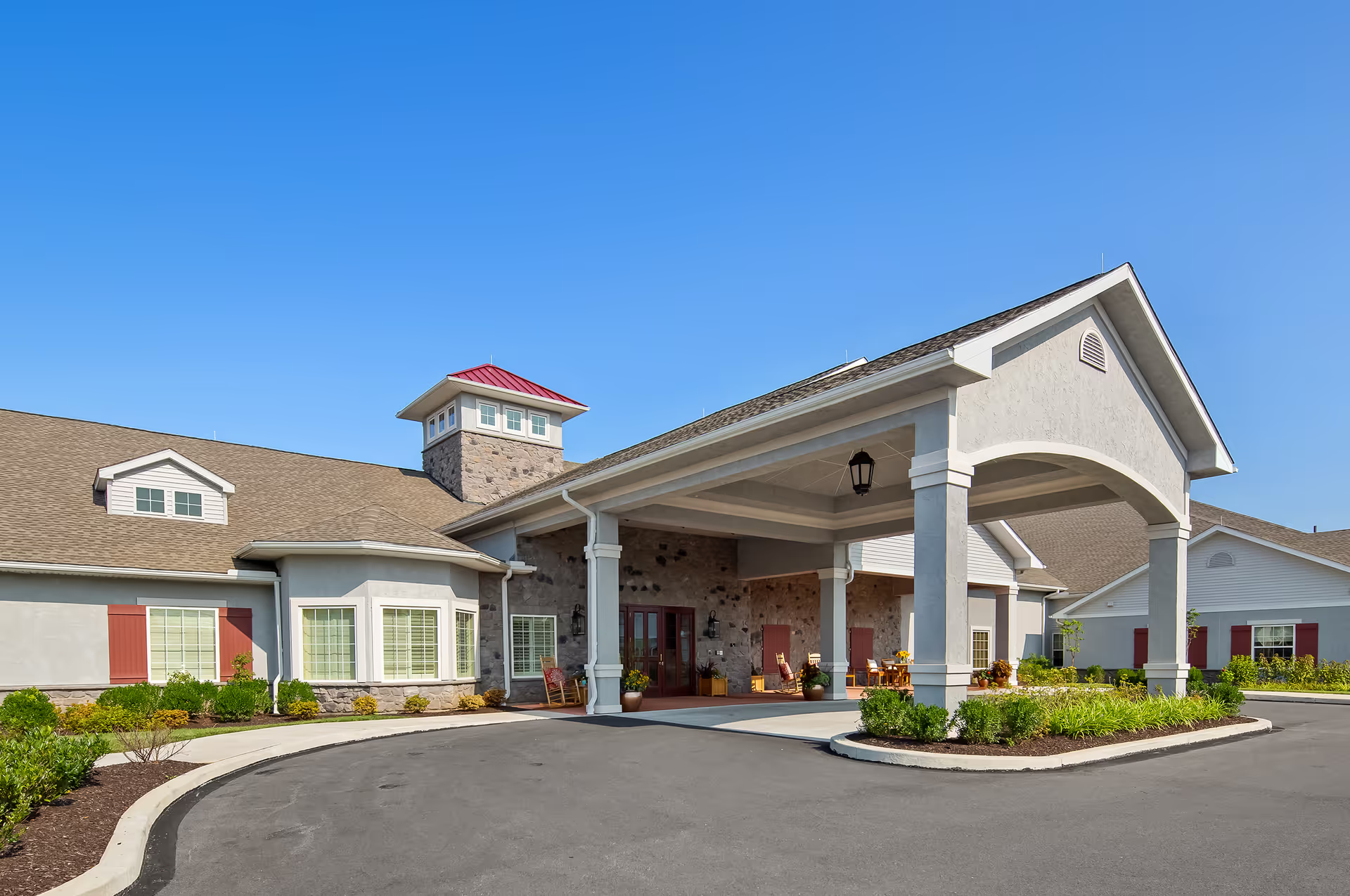
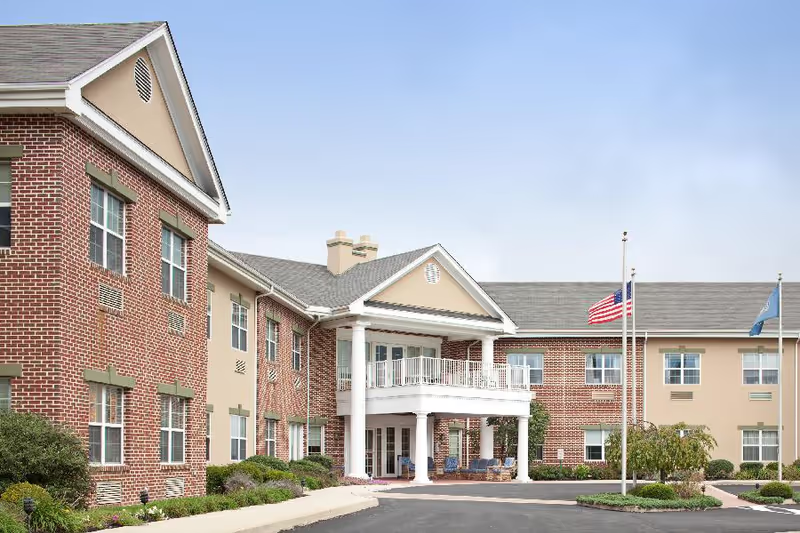
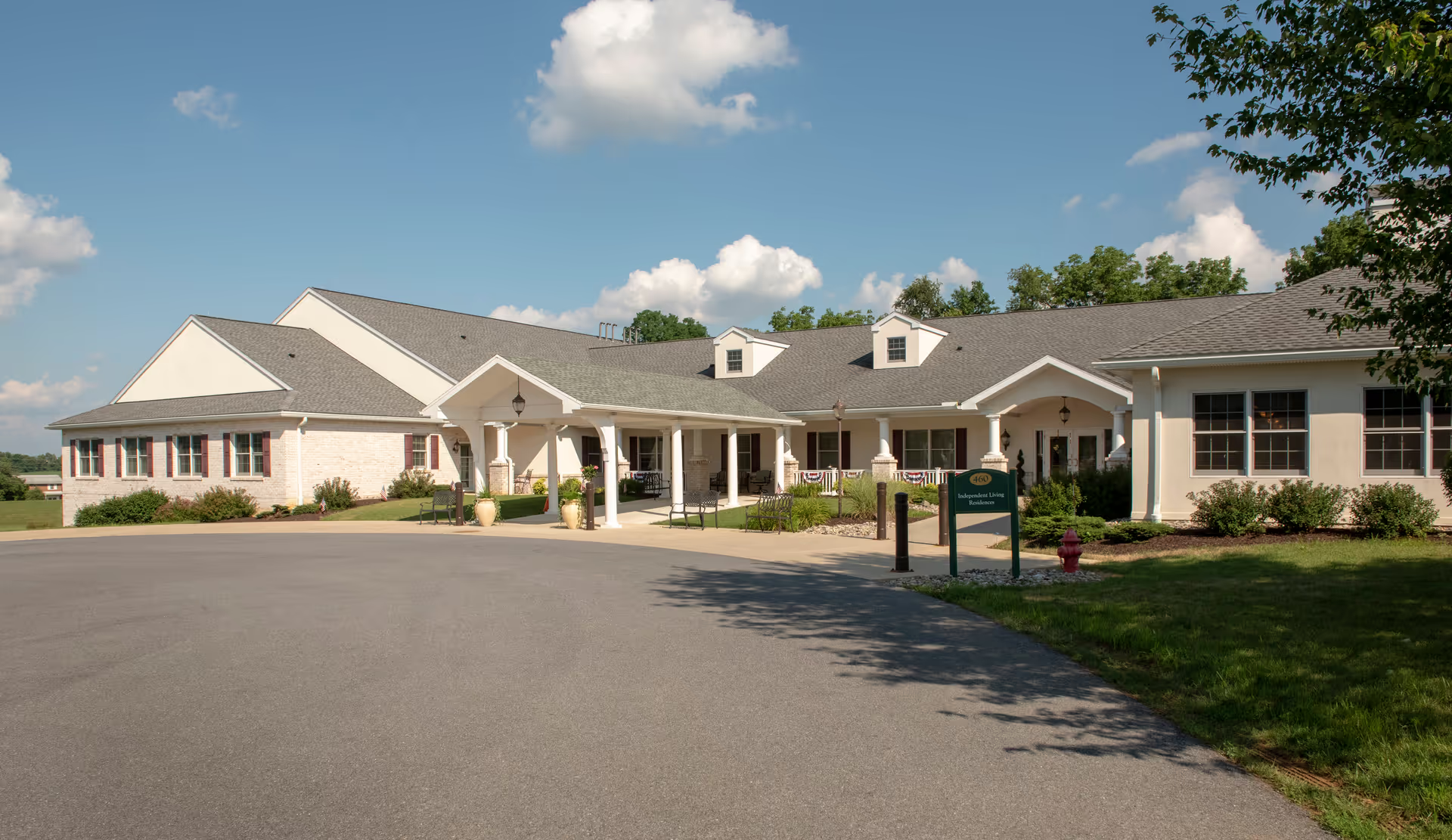
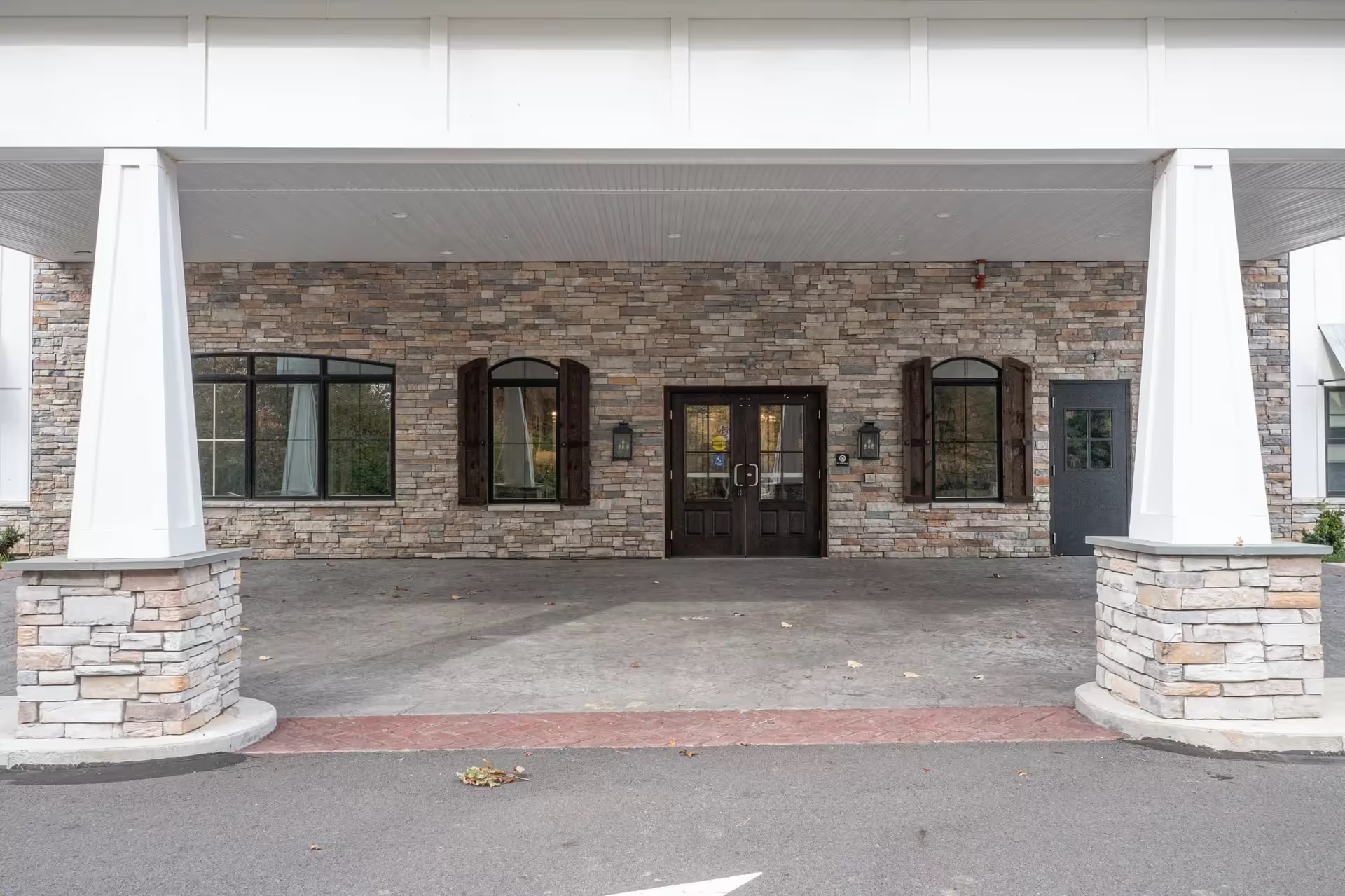
Overall impression South Mountain Memory Care is described predominantly as a purpose-built, dementia-focused memory care community with a small, home-like model. Reviewers frequently emphasize the facility's new, bright construction, secure outdoor spaces (garden, aviary, front porch) and interior amenities (salon, general store, bright common areas). The design and physical safety features—including monitored rooms, motion-activated lighting, and grab bars—are repeatedly cited as appropriate for residents with memory impairment.
Care quality and staff Families and visitors generally characterize the staff as caring, patient, and knowledgeable about dementia care. The facility is repeatedly credited with a high staff-to-resident ratio and individualized one-on-one attention; reviewers highlight staff who tailor dining, prompt identification of small health changes, and proactive clinical coordination. Several comments singled out compassionate end-of-life support and effective hospice collaboration. A minority of comments raised concerns about inconsistent staff professionalism or responsiveness; prospective families may wish to ask about staffing patterns, turnover, and complaint-resolution processes during a tour.
Dining and clinical oversight Dining receives consistent positive feedback: meals are described as home-cooked, tasty, and overseen by a dietitian, with twice-daily snacks and staff who accommodate individual preferences. Reviewers also note accessible clinical oversight, including an in-house physician and attentive nursing staff. This combination of nutritional attention and medical coordination is associated with observable improvements in residents' physical and social engagement in several accounts.
Activities and social programming The activity program is a prominent strength in the reviews. Organized offerings include music and live performances, pet/therapy animal visits, daily exercises, games (puzzles, balloon activities), movie days, outside entertainers, family dinners, and gardening or aviary care. Reviewers report that programming is designed to be engaging and evidence-informed for memory impairment, and that it contributes to residents' mood and social interaction.
Management, admissions, and logistics Admissions and marketing staff are often described as informative and helpful, with many families reporting a seamless admissions process and clear explanations. However, there are operational inconsistencies to note: a few families experienced phone-based assessments rather than in-person evaluations, and some were dissatisfied with admission decisions. Pricing is viewed as reasonable by many but perceived as high by others; the facility's location is also identified as inconvenient for some families who would prefer more frequent in-person visits. These are practical considerations prospective families should address directly with the admissions team.
Notable patterns and considerations The dominant pattern across feedback is positive: a small, secure, well-maintained memory-care home with attentive staff, meaningful activities, good food, and strong clinical/hospice coordination. The primary operational caveats are centered on admissions-process consistency, occasional concerns about staff conduct or responsiveness, cost, and geography relative to visiting families. Prospective residents and families would be well served to tour in person, clarify the assessment method used for placement, review staffing ratios and turnover, confirm pricing and included services, and observe mealtime and activity periods to validate fit and expectations.