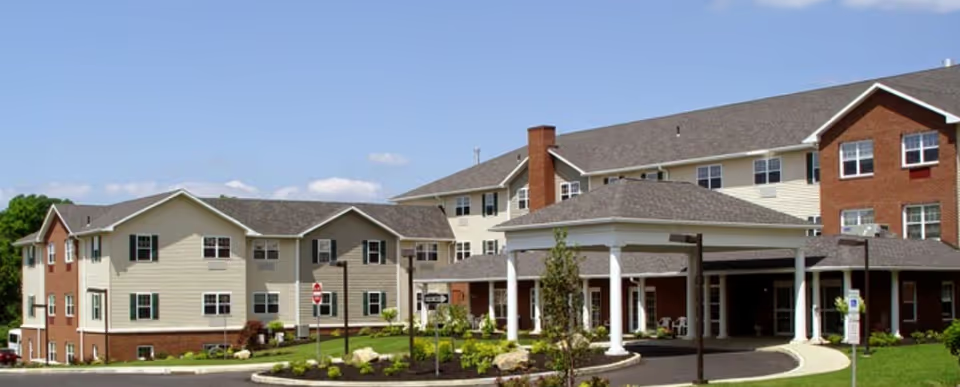
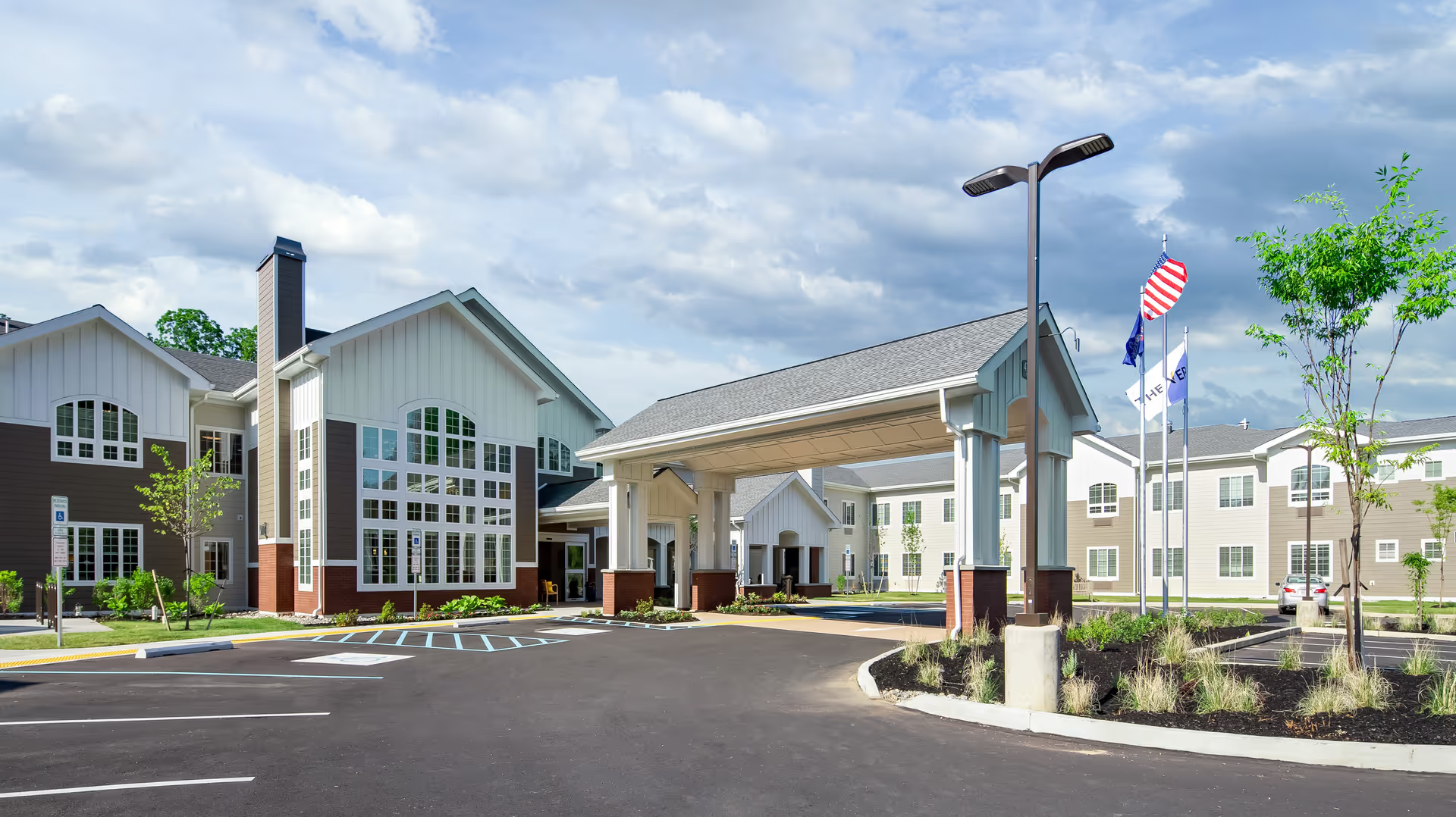
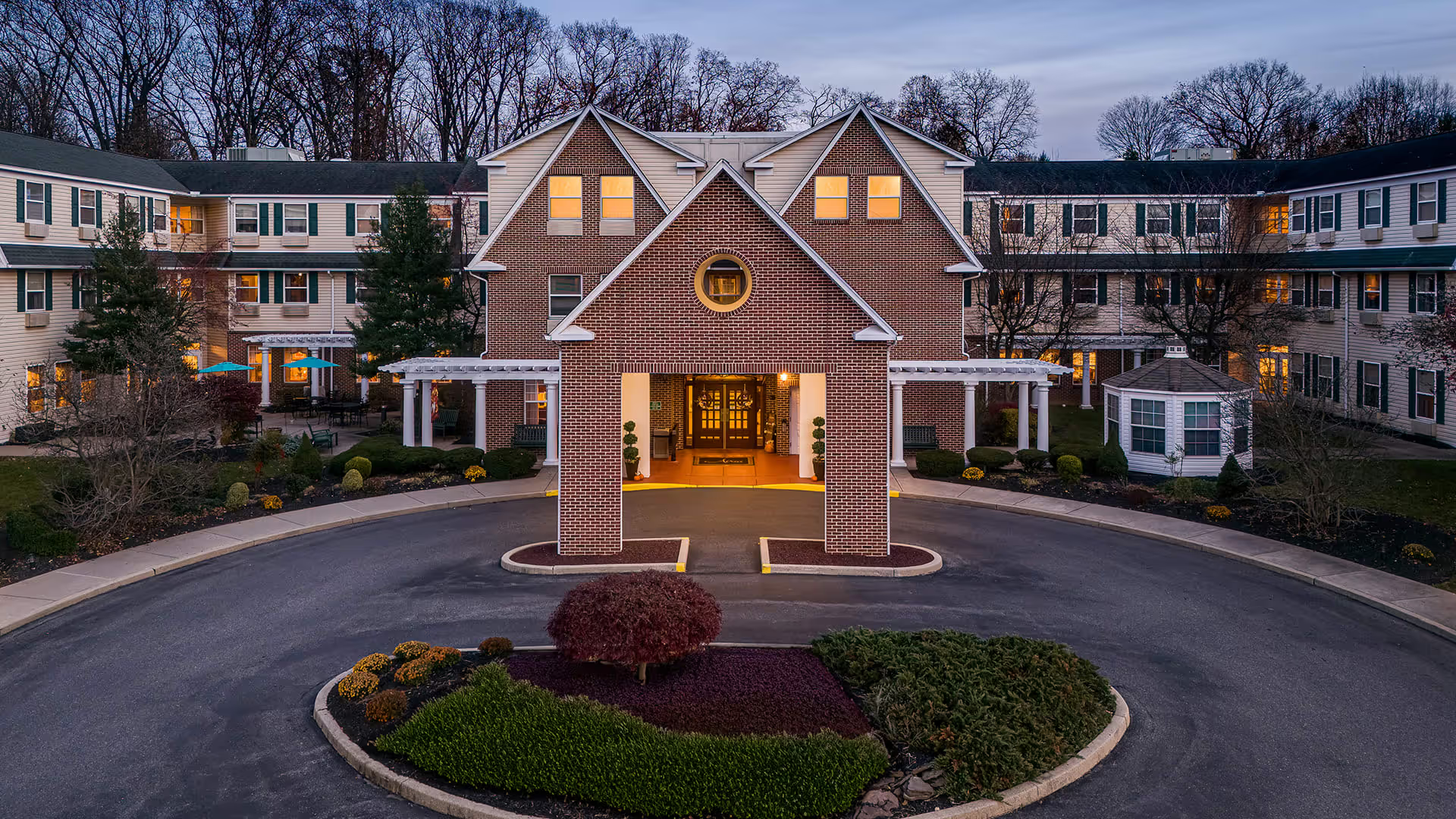
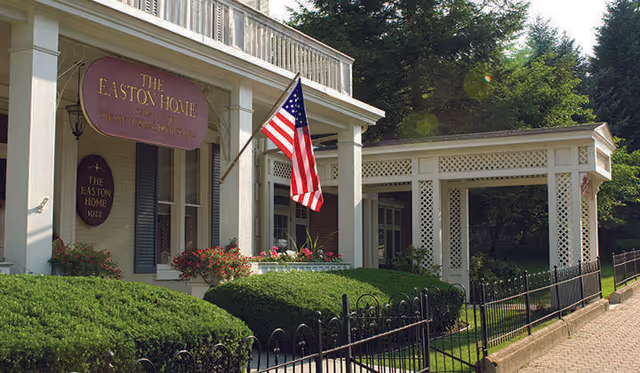
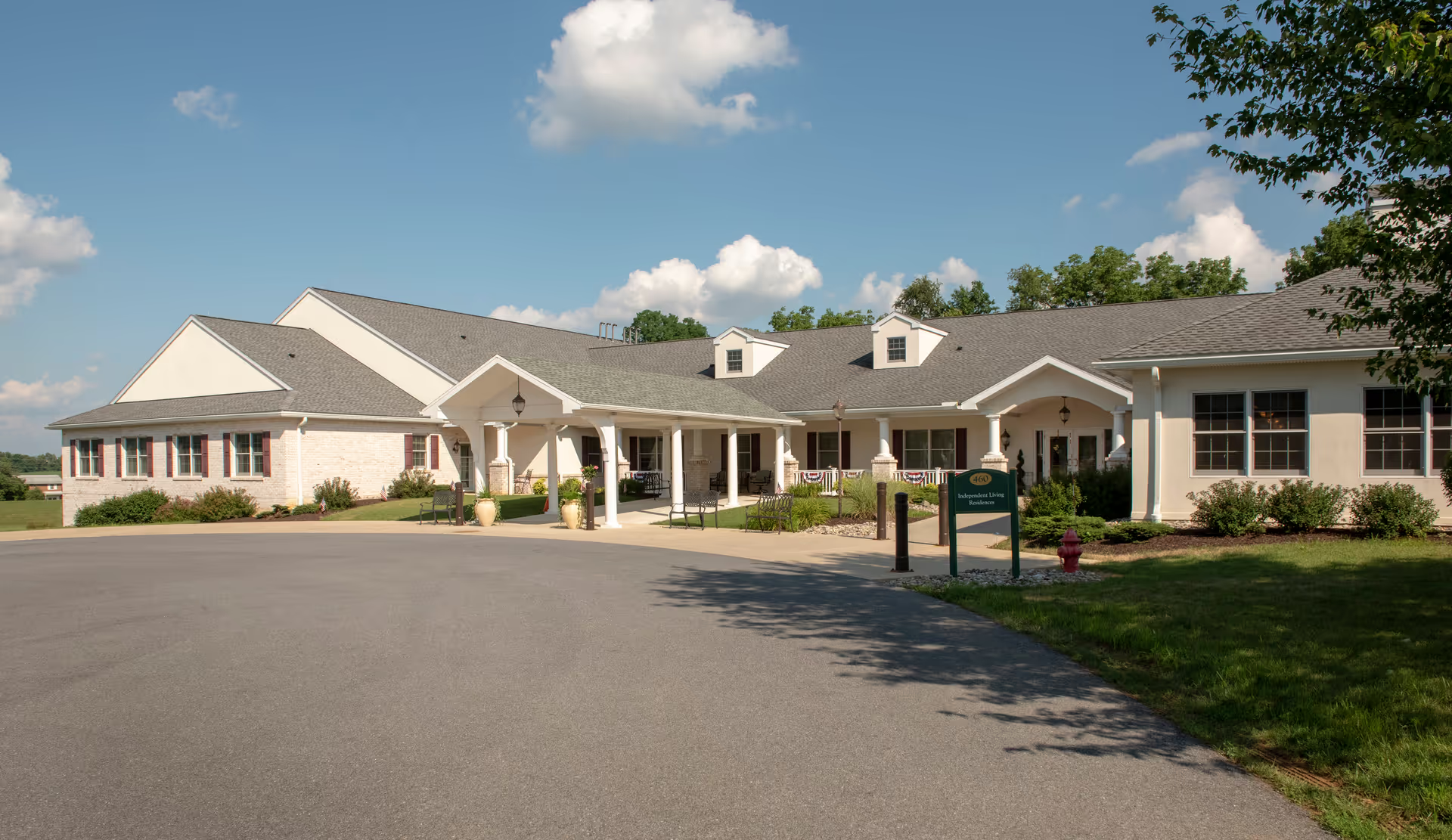
Sterling Heights presents as a recently built, well‑appointed independent living community with a broad range of amenities and an active social program. Reviewers consistently praise the facility’s physical environment — bright apartments, outdoor spaces or balconies, wide hallways accessible to scooters and wheelchairs, and a range of shared spaces such as a movie theater, gym, library, and game rooms. Maintenance and housekeeping are often described positively, and transportation for shopping and medical appointments is a commonly noted convenience. The community’s design and amenities clearly favor residents who are mobile and socially engaged.
On staffing and day‑to‑day care, families describe a mix of strengths and limitations. Many note warm, personable front‑line staff and frequent praise for individual managers who provide proactive, hands‑on support; 24/7 management presence and call‑bell coverage were highlighted as reassuring. At the same time, a pattern of frequent staff and management changes, along with periods of understaffing, was described. These operational instabilities have been associated with slower service at peak times and variability in resident experiences. Clinically, Sterling Heights functions as an independent living community: there is no regular on‑site medical staff, medication dispensing is primarily self‑managed, and clinical or therapy services are often arranged through external providers for an additional fee. This makes the community suitable for residents who are relatively independent but less appropriate for those who require ongoing skilled nursing or assisted‑living level care.
Dining is a prominent feature of the community and a common decision driver. Many reviewers praised the restaurant‑style dining room, chef‑prepared meals, themed events, and the social mealtime atmosphere. However, there is a salient and recurring concern about inconsistency: some families describe well‑executed, plentiful meals, while others report cold food, small portions, lower‑quality cuts, or promised menu alternatives not being available. A few reviewers also noted that cardiac or low‑sodium diets were not well accommodated. Given this variability, prospective residents should request current menus, sample meals, and inquire about chef continuity and diet‑accommodation policies.
Activities and social life are strong selling points: a varied calendar of classes, outings, concerts, game nights, and themed events contributes to a lively communal atmosphere for residents who participate. That said, activity quality and participation levels may differ across units and times; some observers felt public spaces were less vibrant or that certain programs were reduced. Families also raised occasional concerns about community cohesion tied to pet‑policy disputes and fluctuations in occupancy, which can affect the social dynamic.
Financial and contractual considerations merit careful review. Several reviews reference price increases, extra service charges, and marketing efforts to boost occupancy. Housekeeping frequency, linen service, transportation inclusions, and any fees for external pill‑reminder or therapy services should be clarified in the contract. Prospective residents may also wish to confirm clause details about fee increases and what services are included versus billed separately.
Overall, Sterling Heights is best suited to independent, active older adults who prioritize a new, amenity‑rich environment and an engaged social life. It delivers strong physical facilities, an abundance of activities, and many conveniences that resemble a hotel model. It is less appropriate for individuals who require regular clinical oversight, complex dietary management, or guaranteed continuity of staffing. Prior to a move, families should verify current staffing stability, sample meals, review the resident contract for fee transparency, and confirm the process for arranging external clinical or personal‑care supports if future needs change.