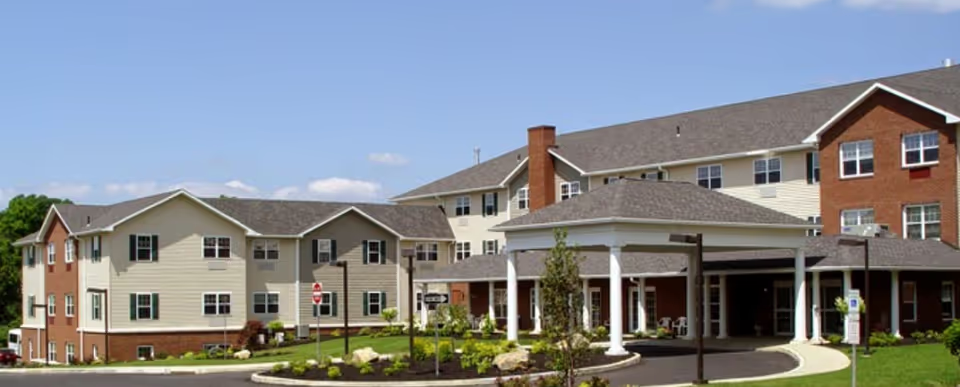
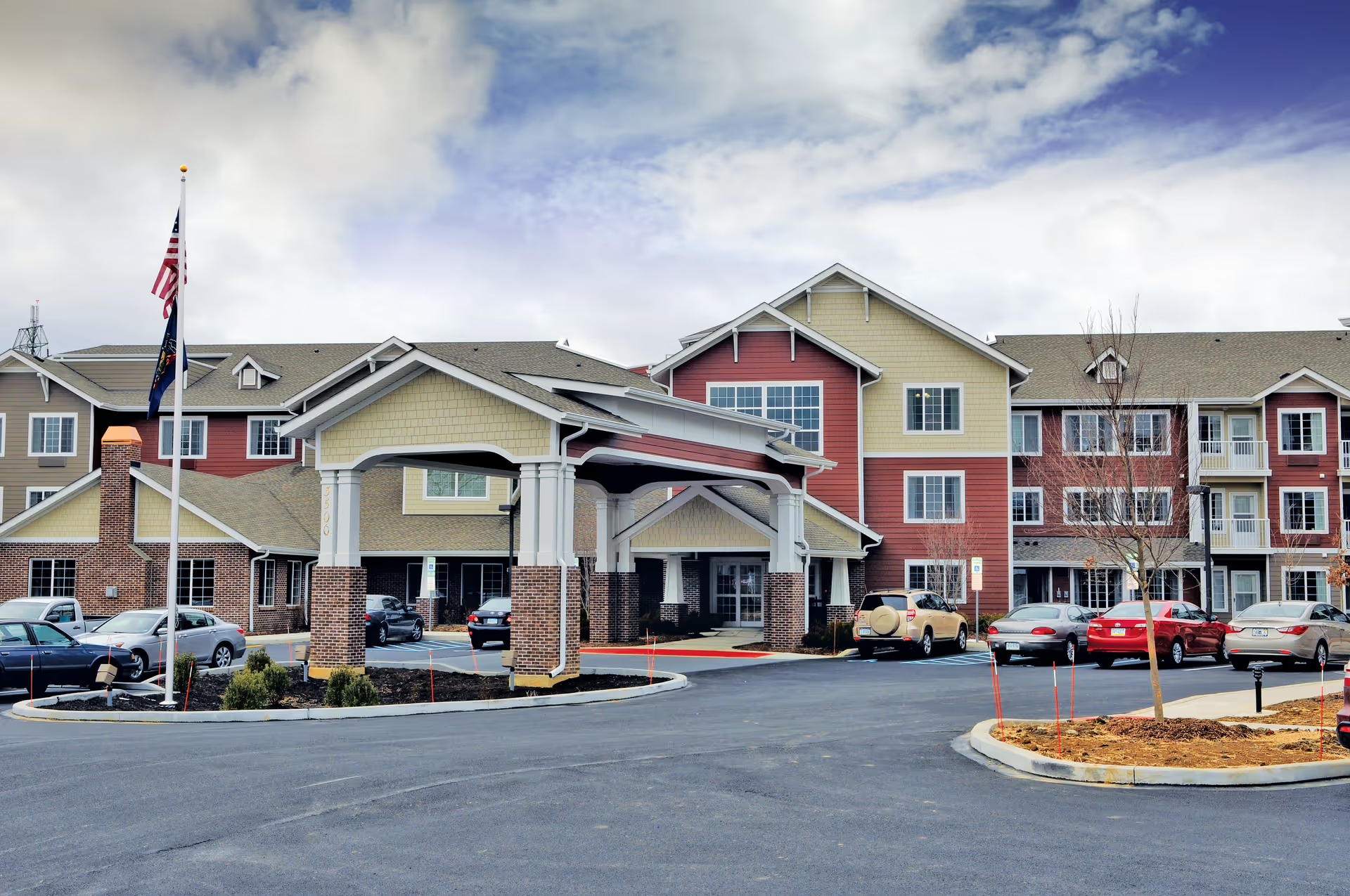
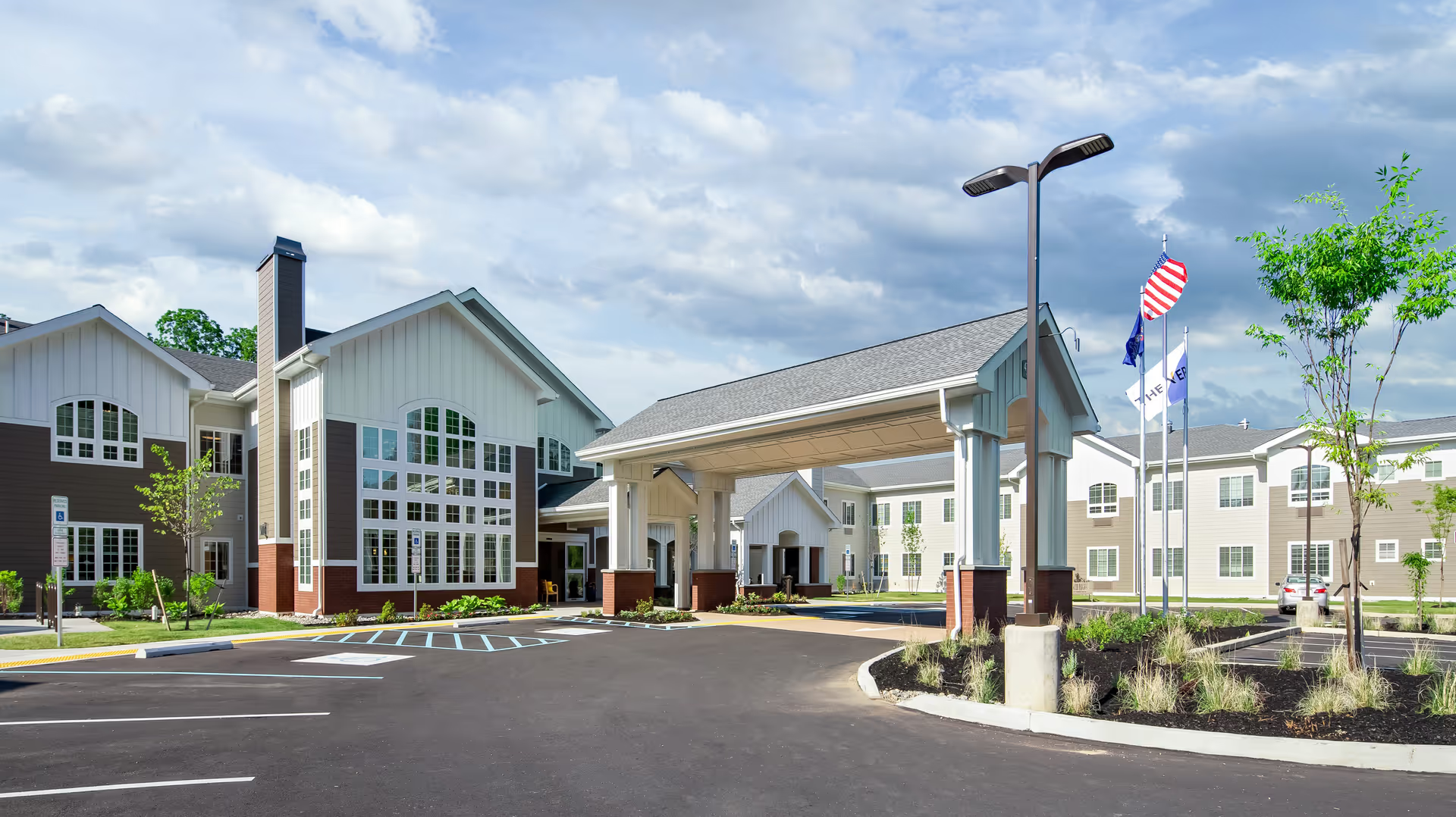
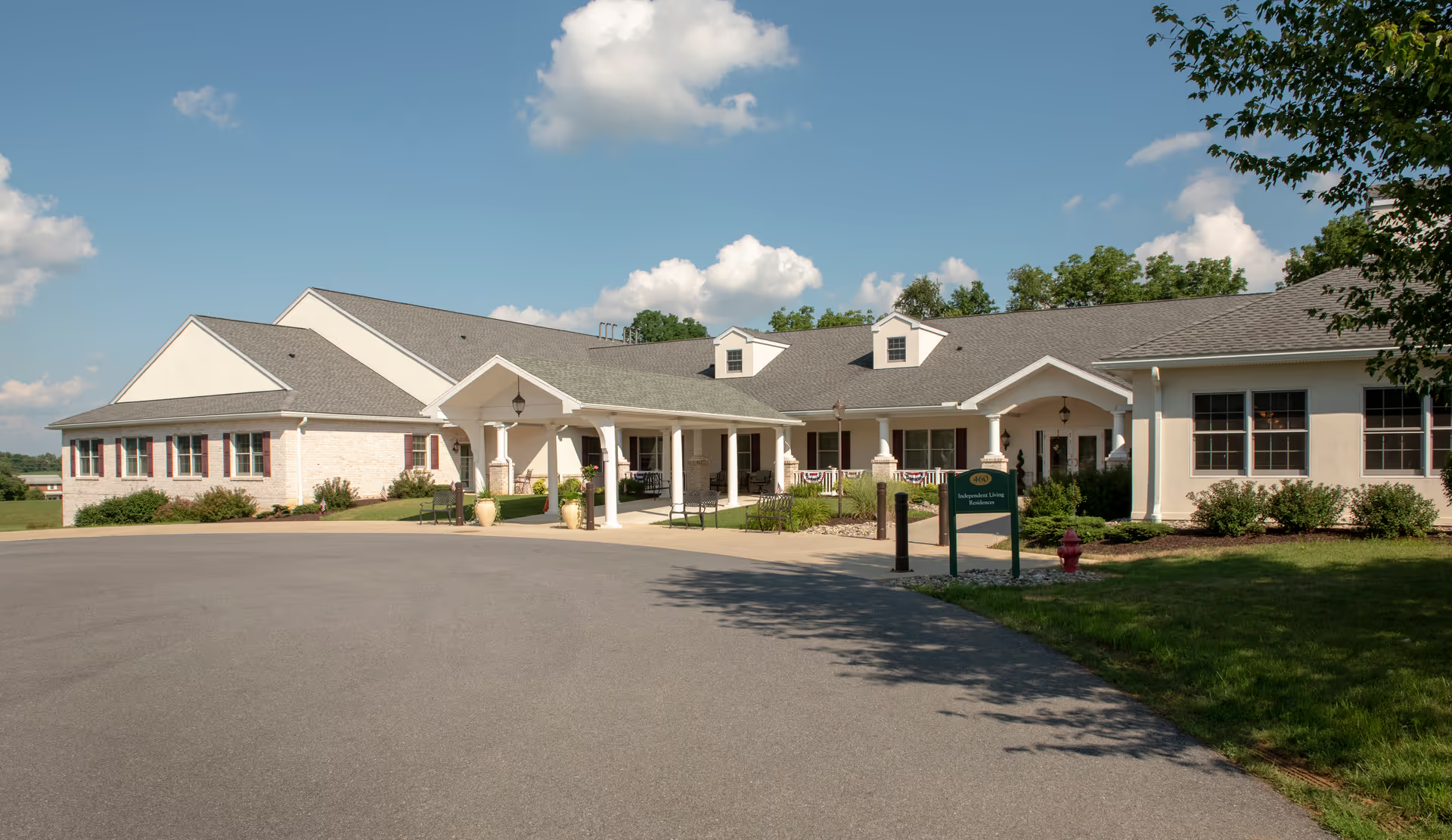
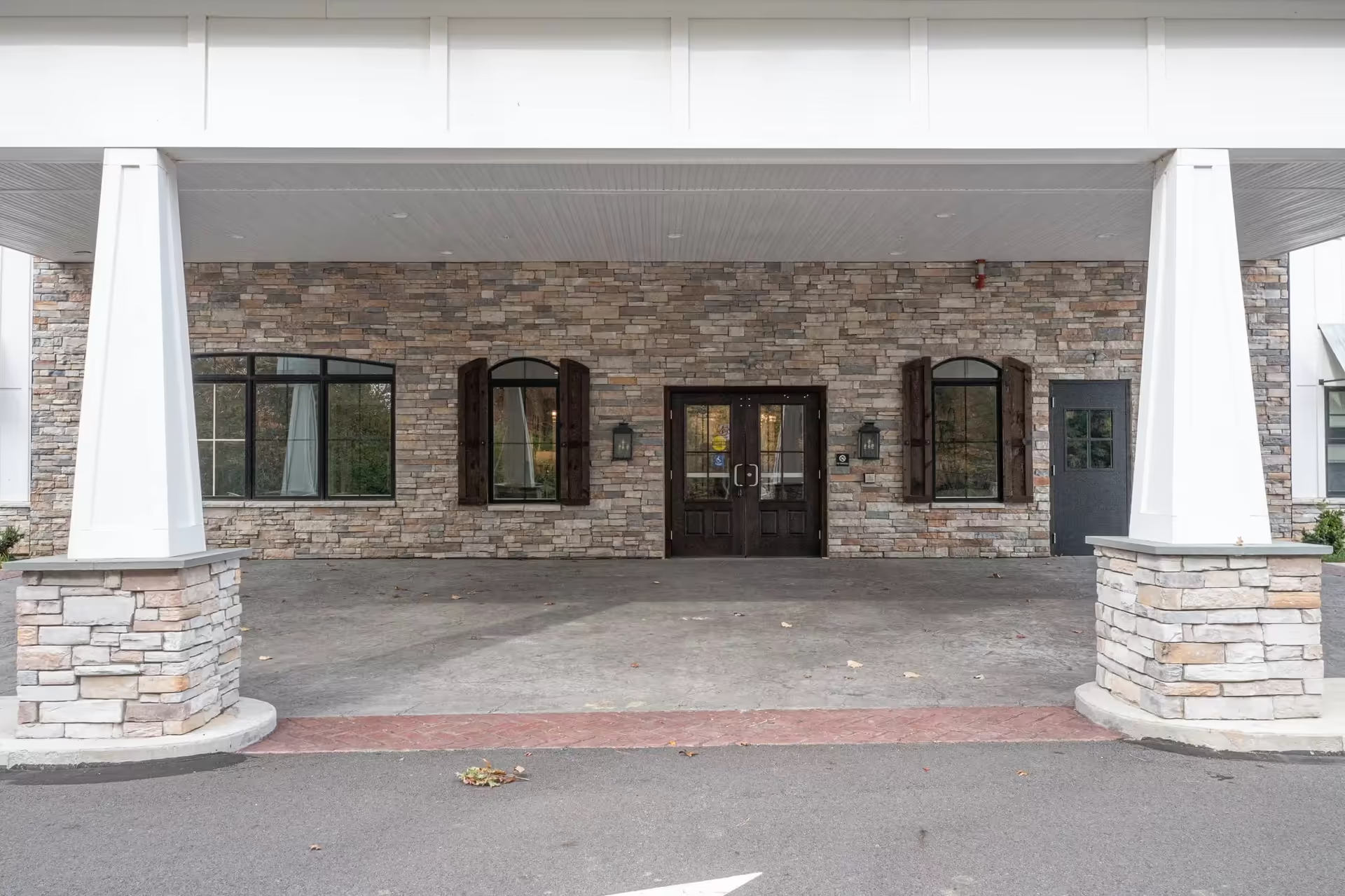
Atria Bethlehem is consistently described as an attractive, hotel-like assisted living community with broad social programming and an active, service-oriented culture. Many families and residents highlight compassionate, personable staff and an energetic activities calendar that includes exercise classes, outings, live entertainment, clubs, and specialty programming. The campus and common areas are frequently praised for thoughtful design, bright dining rooms, theater and recreational spaces, and well-kept landscaping. Transportation for medical appointments and on-site therapy/rehabilitation services are noted strengths that support residents’ independence.
Care quality and staffing present a mixed picture. Numerous comments describe attentive aides, responsive nurses, and staff who go beyond expectations; named staff members receive repeated commendation. At the same time, reviewers identify periods of understaffing, new staff still learning the ropes, and occasional delays in clinical responsiveness — specifically around fall response, medication handling, and assistance timing. The community does not present as a full aging-in-place campus with high-acuity nursing; families seeking higher levels of medical or 24/7 skilled nursing should view the clinical capacity as limited and verify care-level transitions in advance.
Dining and nutrition are recurring points of divergence. Many reviewers praise restaurant-style dining, dietary accommodations, and the quality of chef-prepared offerings; others describe inconsistent meal preparation, slow service, or a decline in dining options during lockdowns or staffing transitions. The facility offers table service, multiple menus, and special-diet options, but meal-service continuity and culinary consistency have been noted as variable and are an area to explore on tour.
Programming and resident life are consistently strong. The community’s wellness staffing, activity coordination, and transportation program generate high engagement: frequent outings, social clubs, exercise classes, and entertainment are commonly cited as reasons residents stay active and socially connected. Respite stays and private-dining/meeting-room options add flexibility for families considering trial periods.
Facility operations and management themes are mixed. Many reviewers find administration accessible and effective at problem resolution; others report billing errors, confusing communications, and aggressive or inconsistent sales follow-up. Price increases and additional fees (laundry, medication assistance, personal care charges) recur as financial concerns; prospective residents should review contract terms and escalation clauses carefully. Connectivity in individual units (Wi‑Fi access) and apartment size limitations — particularly few two-bedroom options and compact studio footprints — are practical constraints to consider.
Safety and risk patterns warrant attention during evaluation. While the building’s security features and general cleanliness receive positive notes, there are isolated but serious allegations related to property security and staff conduct that families should investigate during their due diligence. Other operational weaknesses described across comments include intermittent pest-control or sanitation concerns in certain areas and variable housekeeping attention in some apartments. Prospective residents and families are advised to discuss staffing ratios, fall-response protocols, incident reporting, and recent regulatory or police inquiries with management to understand how the community addresses these issues.
In sum, Atria Bethlehem presents as a well-appointed, socially active assisted living community with many strengths in staff engagement, amenities, and programming. The primary trade-offs are variability in dining and some clinical responsiveness, ongoing pricing pressures and extra fees, and a few operational concerns that merit direct confirmation during tour and contract review. Families should prioritize clarifying clinical capacity, staffing patterns on relevant shifts, financial terms, and security/incident history to determine fit for a particular resident’s needs.