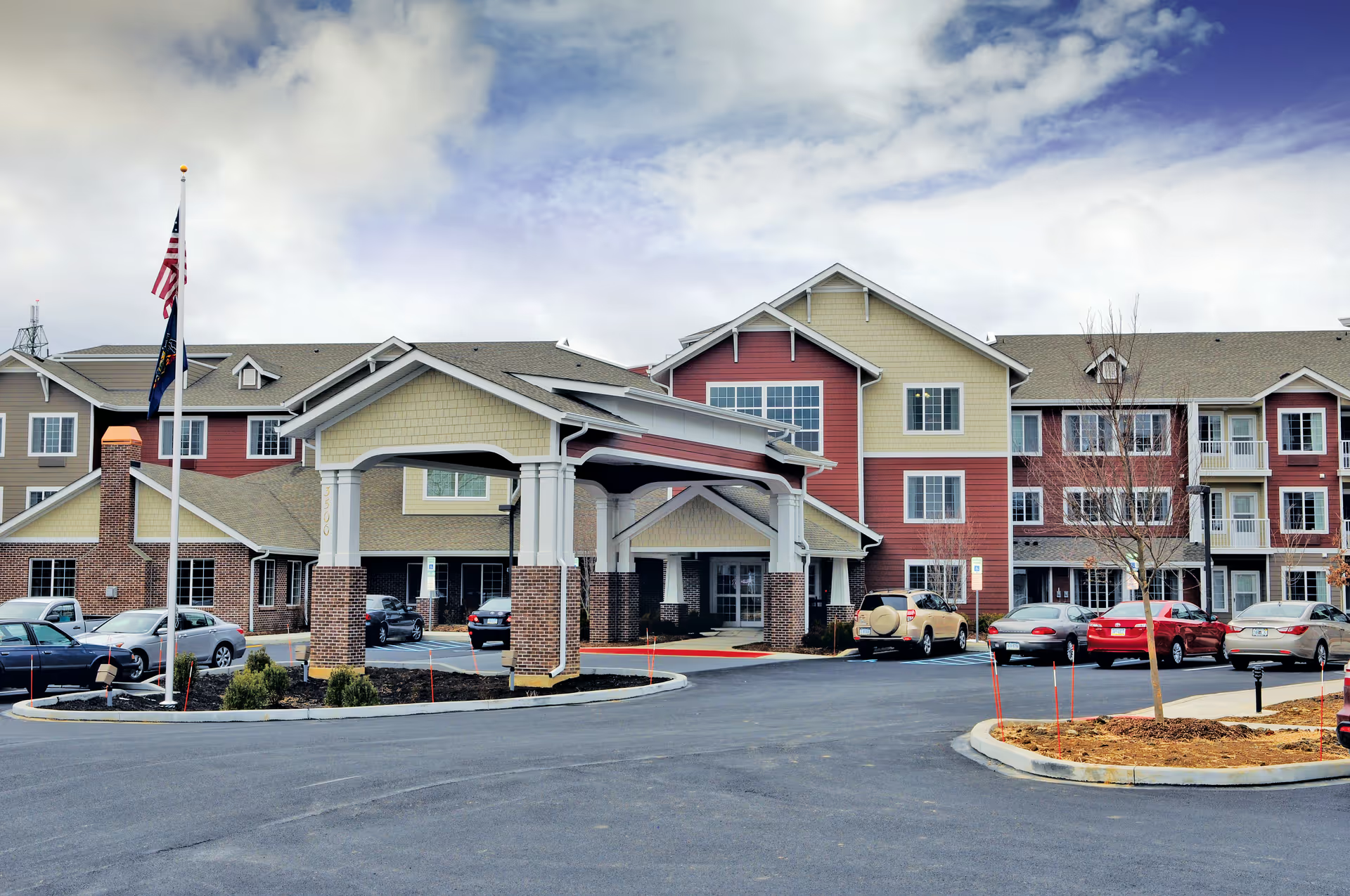
Traditions of Hanover presents as an independent-living community with strong emphasis on social engagement, resident wellbeing, and an approachable, family-style staff culture. Across reviews, staff are repeatedly described as compassionate, attentive, and proactive — many accounts highlight daily check-ins, staff knowing residents by name, rapid emergency response, and above-and-beyond move-in assistance. The community emphasizes safety and infection control; COVID-19 precautions and remote-connection options were noted as proactive and sustained during peak periods.
Care and clinical services align with an independent-living model that supplements resident independence with on-site and visiting services. Reviewers cite convenient access to visiting physicians, therapists, a podiatrist, and salon services, and many families describe clear communication and coordination with outside providers. At the same time, the community is not positioned as a nursing facility: there are repeated observations about limited overnight/nursing coverage and constraints for higher-acuity medical needs. Families seeking aging-in-place with lower clinical intensity will find supportive systems in place; those requiring continuous nursing oversight should evaluate whether the community’s level of clinical staffing meets their needs.
Dining and housekeeping earn mixed but generally positive comments. Many residents praise generous portions, a varied menu, on-site chef specialties, coffee bar options, and a lively dining room. Multiple reviewers credit the culinary team for fresh fruit, pastries, and frequent choices. However, there is a recurring counterpoint: some residents describe inconsistent meal quality, occasional lack of accommodation for dietary restrictions, and at least one concern about food-safety compliance. Housekeeping is provided weekly and often commended for cleanliness, yet there are reports of variable professionalism and occasional intrusive practices that families should discuss during a tour.
Activities, transportation, and amenities are clear strengths. The calendar includes fitness classes (Zumba Gold, chair yoga, balance/strength), arts and crafts, writing and game groups, entertainment, frequent shopping and medical trips, and social events such as Happy Hour. The community’s transportation options (mini-bus and Town Car) and organized outings are highlighted repeatedly as contributors to residents’ improved mobility and social life. Building amenities — library, theater, game room, sun-drenched dining room, patios and gardens — support an active lifestyle. Reviewers do note that activity levels can be curtailed during infection-control periods, which has been managed variably over time.
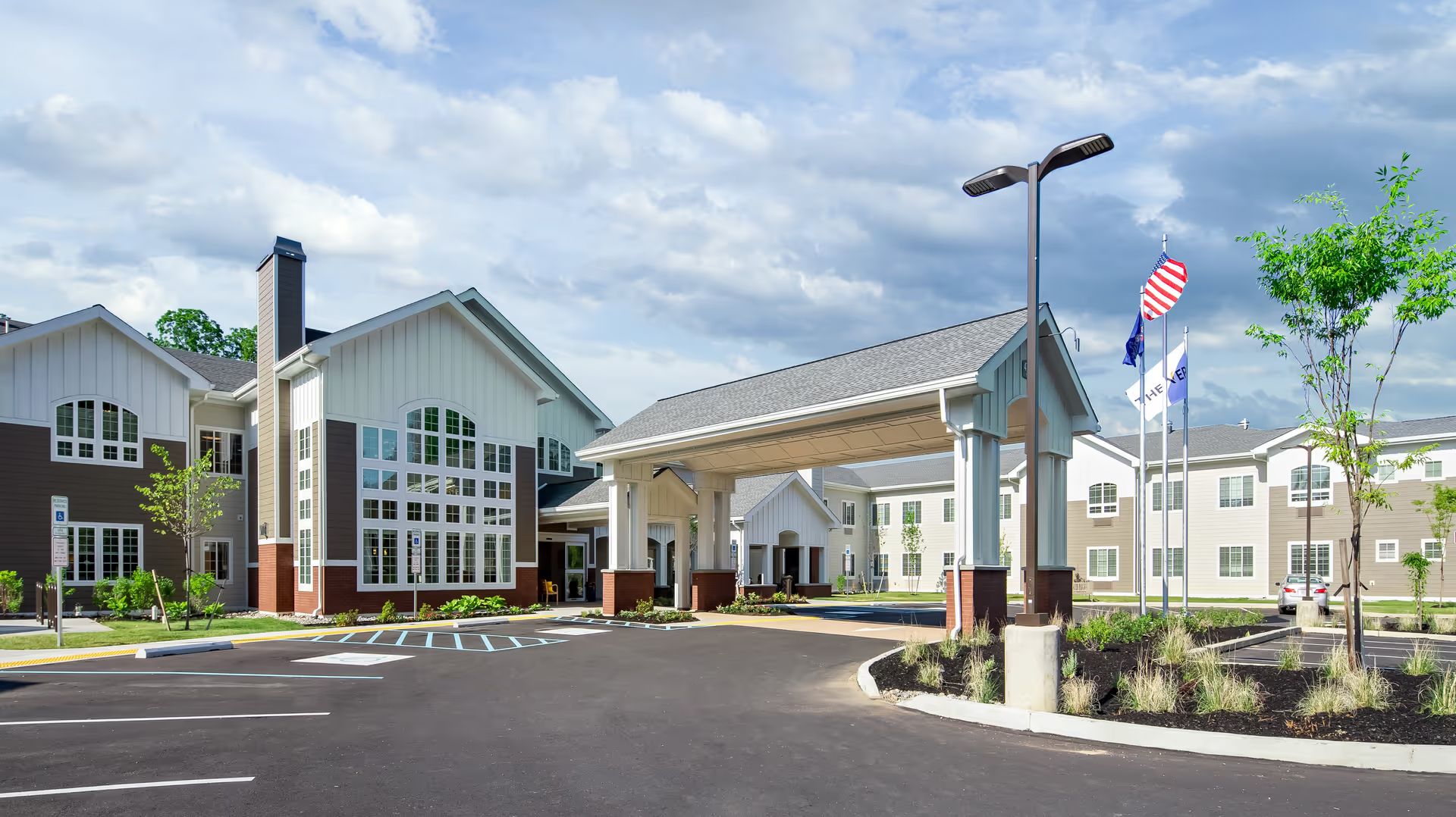
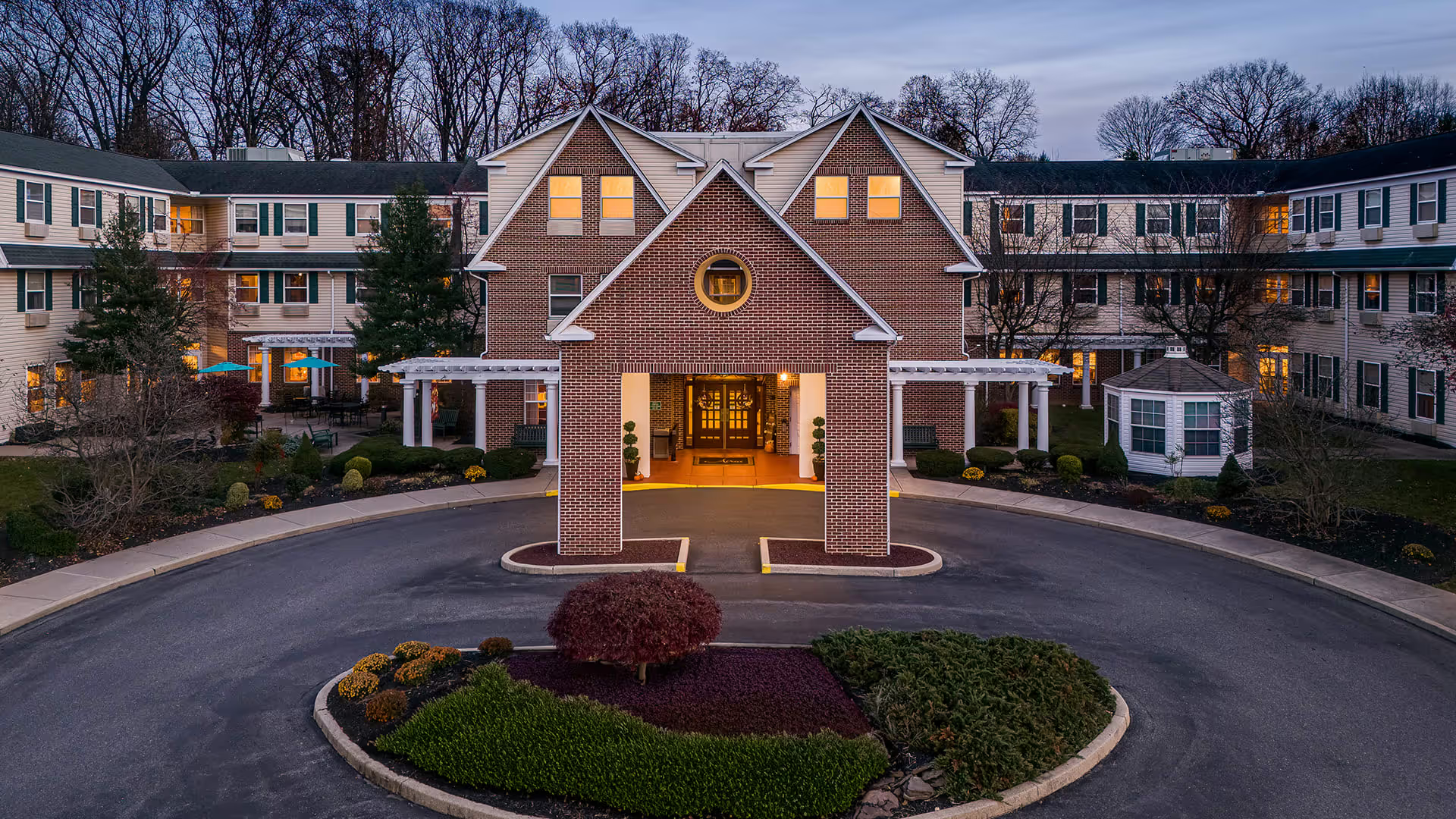
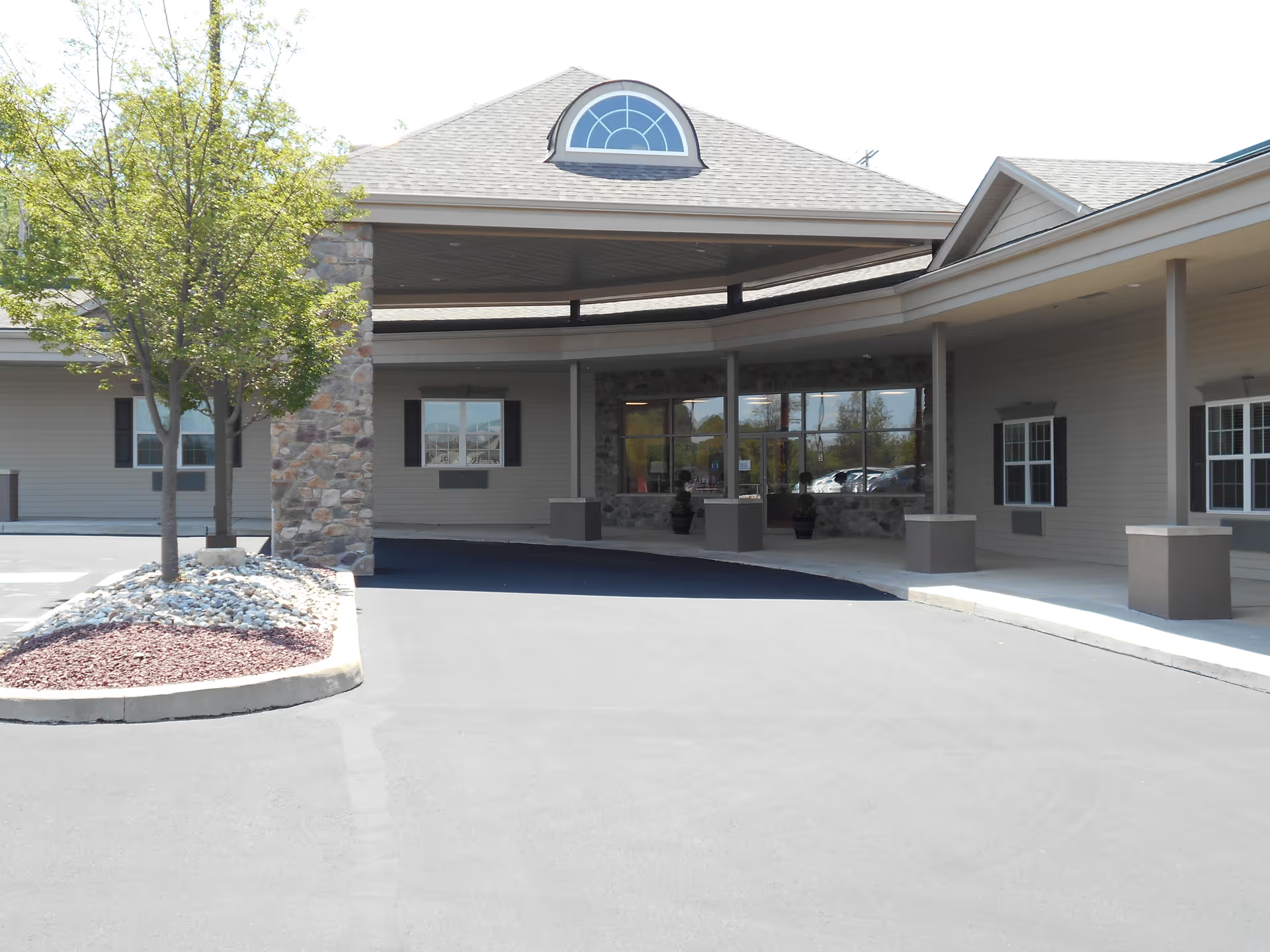
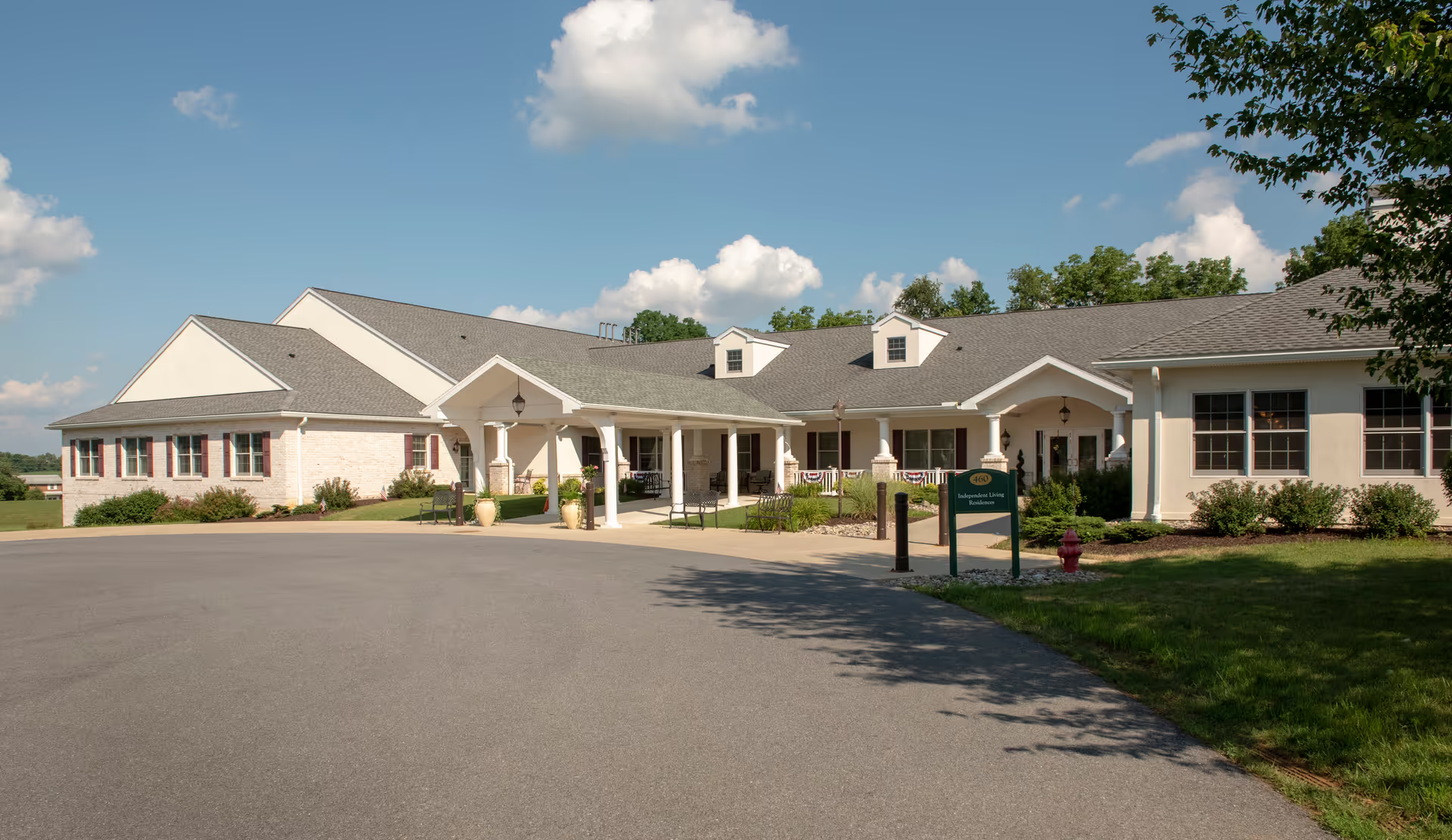
Facility condition and apartment features are generally well-regarded: reviewers describe clean, spacious units, attractive landscaping, and well-kept common areas. That said, some units show older finishes, limited storage, or missing features (e.g., limited kitchen amenities or absent linen closets in certain floorplans), and the property is not universally described as the newest or most modern option in the market. Location factors (noise from adjacent commercial zones for a few units) and waitlists for affordable studio apartments were also mentioned as logistical considerations.
Management and culture present a largely positive picture with operational caveats. Marketing and admissions staff are often praised for accommodating tours, measuring units, and assisting families with referrals and move logistics. The dominant theme is a warm, tight-knit community that many long-term residents and families characterize as a second family. Counterbalancing this are several serious personnel and operational concerns that prospective residents should investigate directly: there are allegations concerning staff conduct and the handling of complaints, inconsistent fulfillment of some advertised services, and isolated claims about managerial responsiveness. Prospective families should ask for details about incident reporting, staff training, complaint resolution processes, overnight clinical staffing levels, and written documentation of dining and food-safety protocols.
In summary, Traditions of Hanover scores highly for community life, engaged staff, varied programming, and a generally clean, welcoming environment suitable for independently mobile seniors who value social activity and convenience. Key decision factors for prospective residents are clinical staffing levels and scope of services, consistency of dining and housekeeping practices, pricing and waitlist dynamics, and how the community addresses and documents concerns about staff conduct. A detailed, in-person tour that includes discussions with current residents, a review of staffing patterns, sample menus, and written policies on complaints and infection control will help families confirm fit and address the few recurring operational issues raised in reviews.