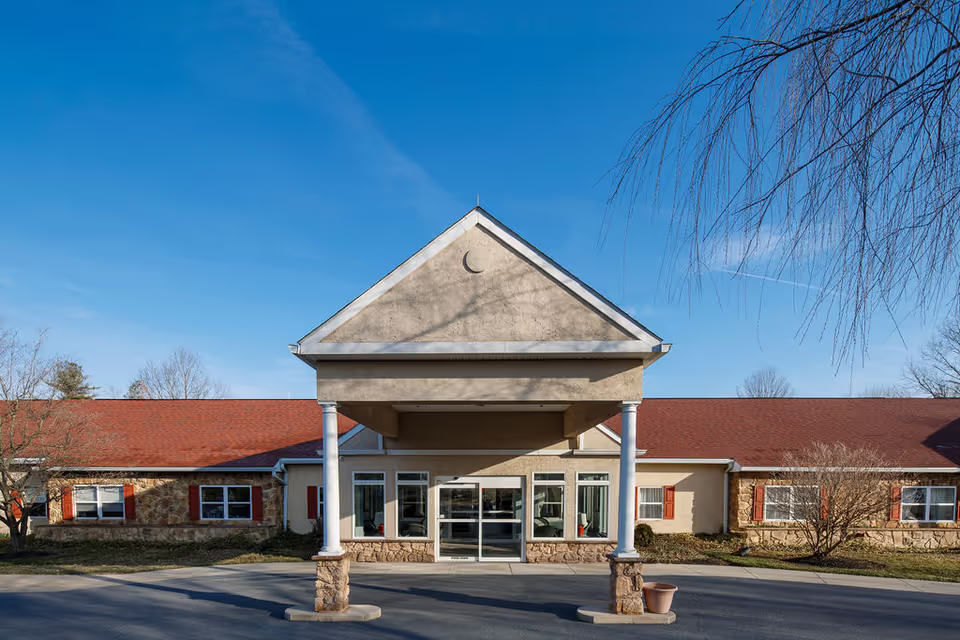
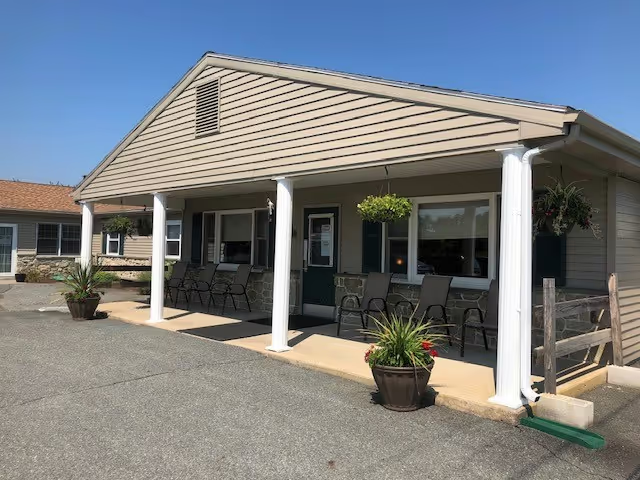
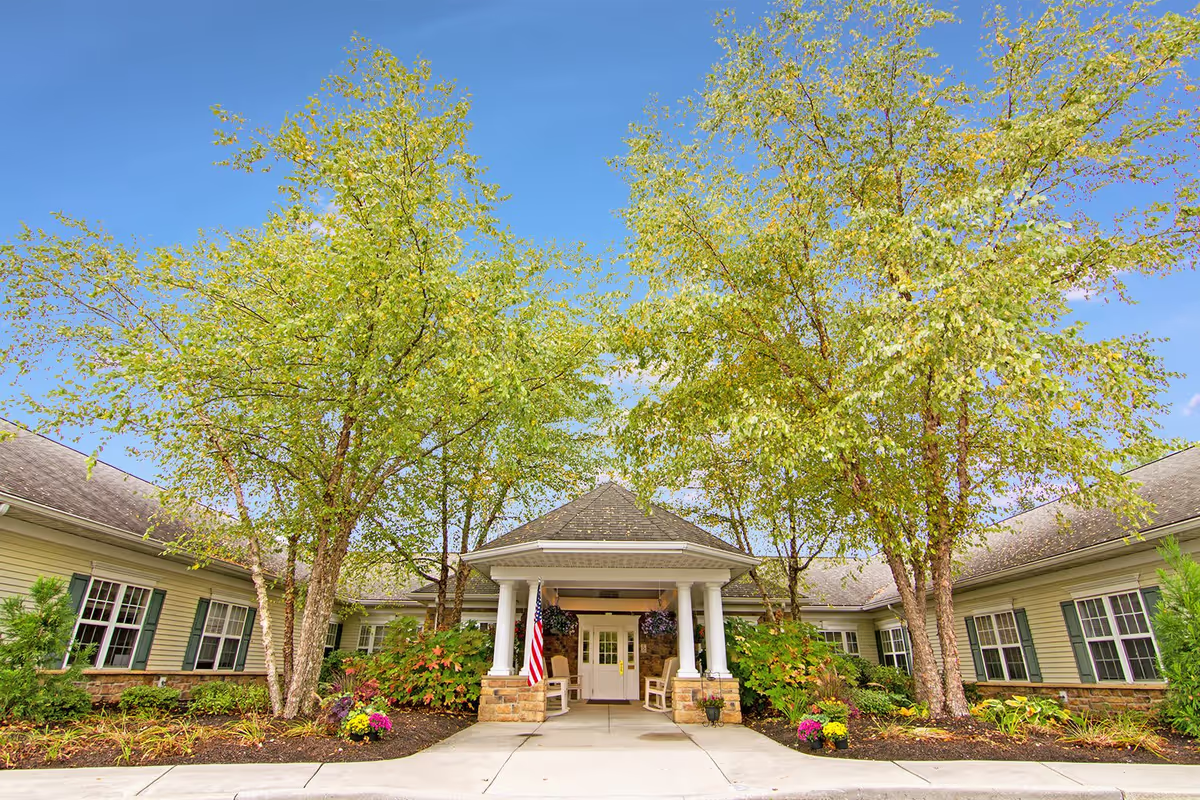
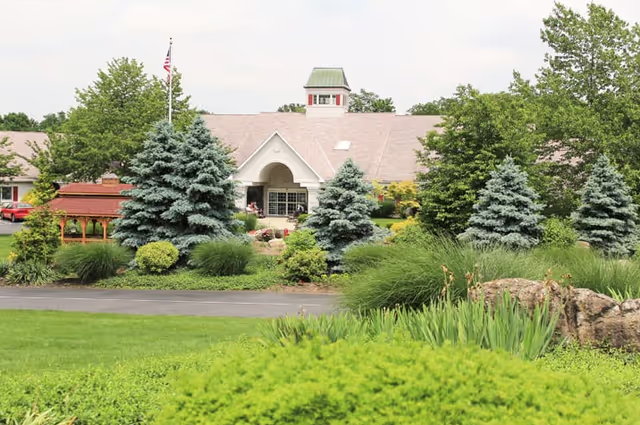
Quarryville Presbyterian Retirement Community is presented in reviews as a well-appointed, faith-based retirement campus with a broad continuum of services and many amenities. Reviewers consistently praise the physical plant — attractive grounds, well-kept interiors, and a layout that residents find comfortable. Amenities highlighted include a heated pool, fitness facilities, café and ice cream parlor, transportation for day trips, and technology access in assisted living. The campus is described as family-friendly and oriented toward community engagement.
Clinical and daily-care strengths include a generally positive view of caregiving staff: many families describe attentive, professional, and compassionate employees across admission, nursing, and therapy teams. The facility offers a continuum from independent living through skilled nursing, with in-house rehabilitation services staffed by credentialed therapists. Dining receives strong praise for quality and variety, often noting a skilled chef and family-style dining options that support social interaction. Activity programming is broad — bingo, concerts, pageants, trips, and fitness classes — and reviewers frequently describe residents as well-dressed, engaged, and participating in community life.
Areas of operational concern emerge on infection-control practices and certain aspects of management. Multiple reviewers expressed unease about PPE use, mask compliance, and incomplete staff vaccination, indicating gaps in infection-prevention adherence. Linked to that are criticisms about how clinical leadership and administration respond to complaints: some families felt their concerns were not addressed promptly or thoroughly. Reviewers also noted variable therapy outcomes; while rehab staff are credentialed and well equipped, some residents experienced limited progress. Use of agency staff was described as interrupting continuity of care in a few accounts, and front-desk or reception service was flagged as inconsistent by some families. A small number of reviewers raised concerns about equitable treatment and staff conduct, including an allegation of discriminatory behavior.
For prospective residents and families, the facility offers many clear strengths: strong dining, appealing amenities, active programming, and a generally warm, faith-oriented community with dedicated clinical and therapy staff. At the same time, visitors should proactively discuss current infection-control policies (including PPE protocols and staff vaccination rates), typical staff-mix and agency staffing plans, the facility’s complaint-resolution process, and measurable therapy goals for any planned rehabilitation. These conversations can help align expectations around clinical safety, continuity of care, and day-to-day resident experience.