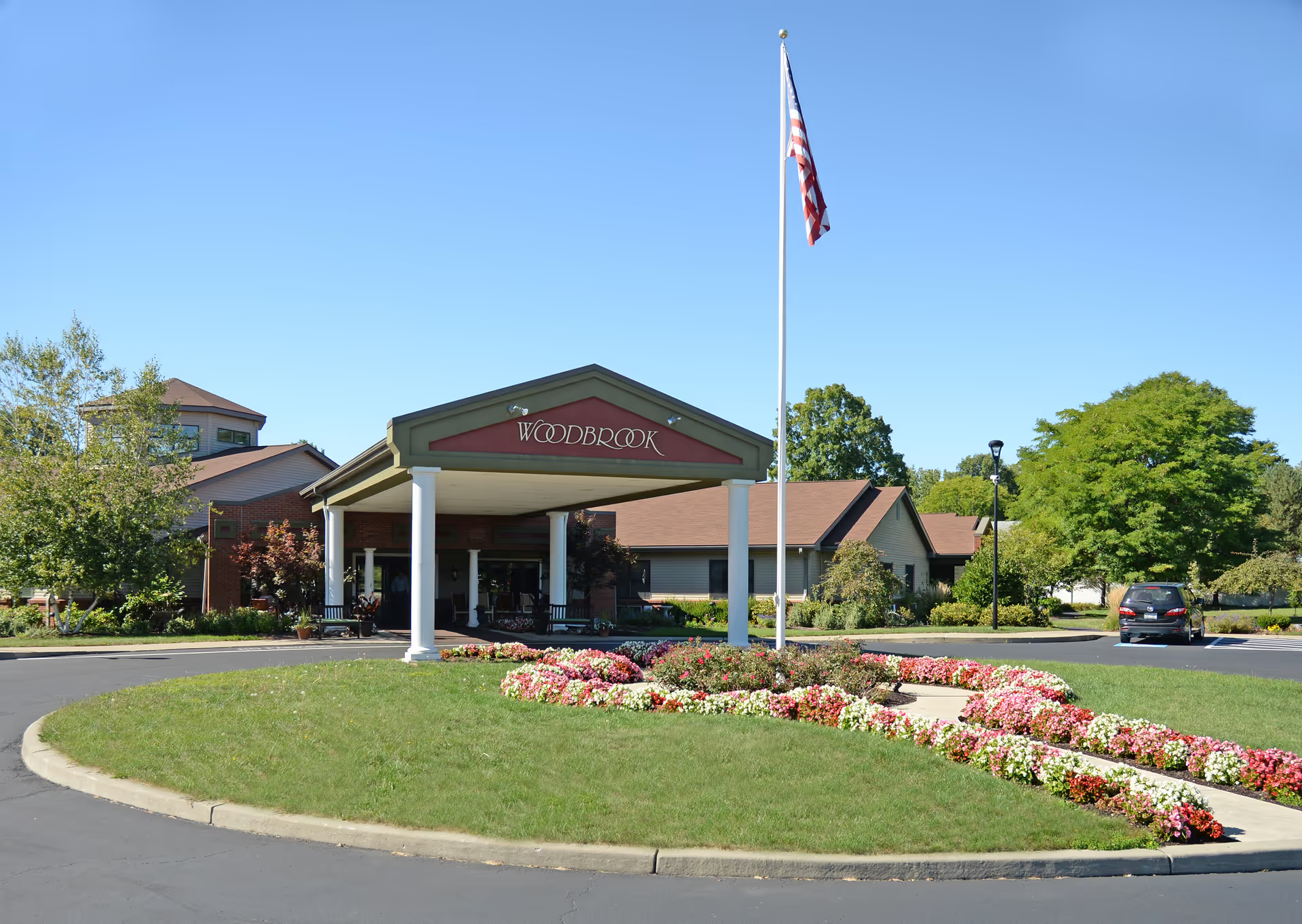
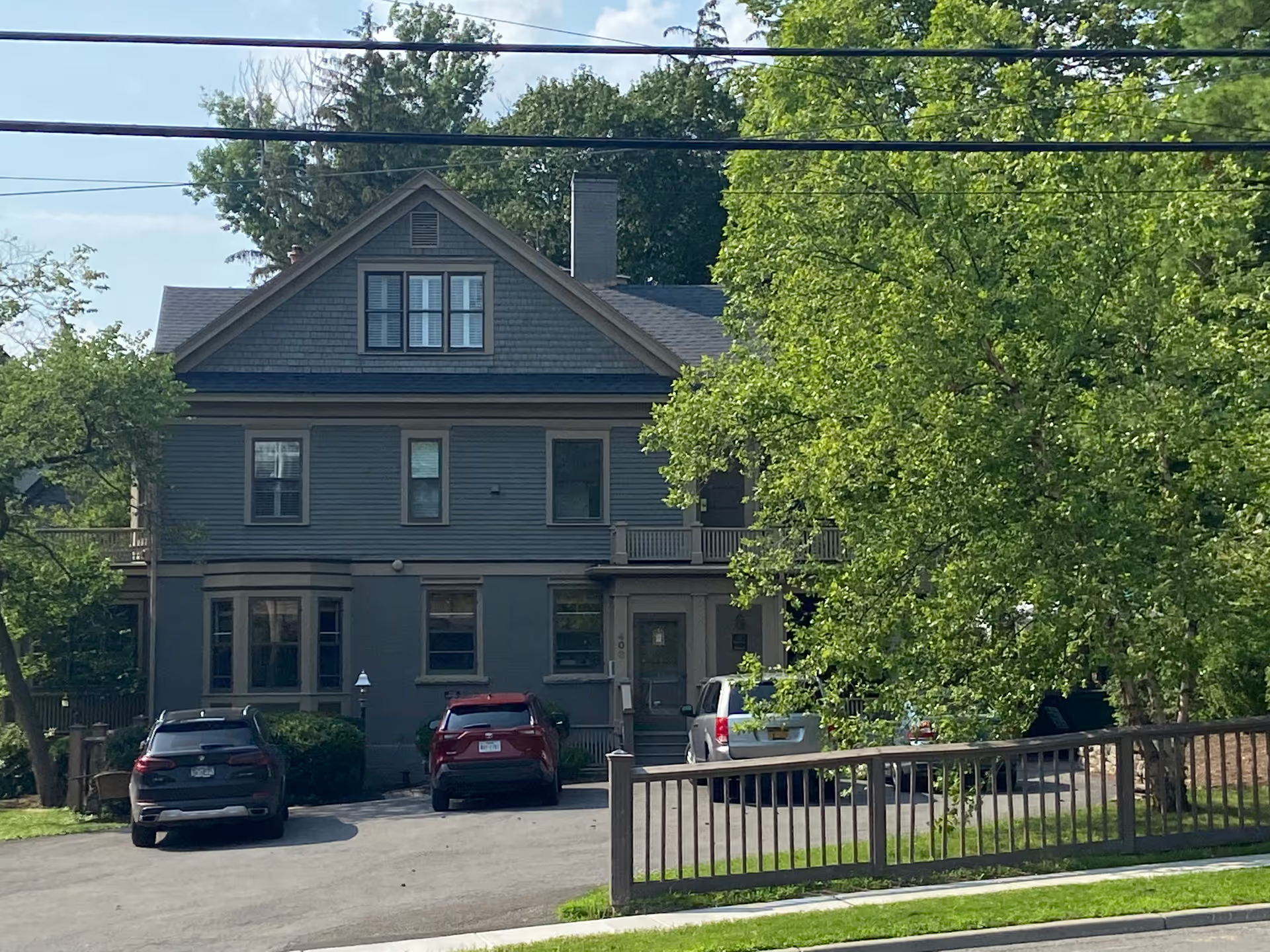
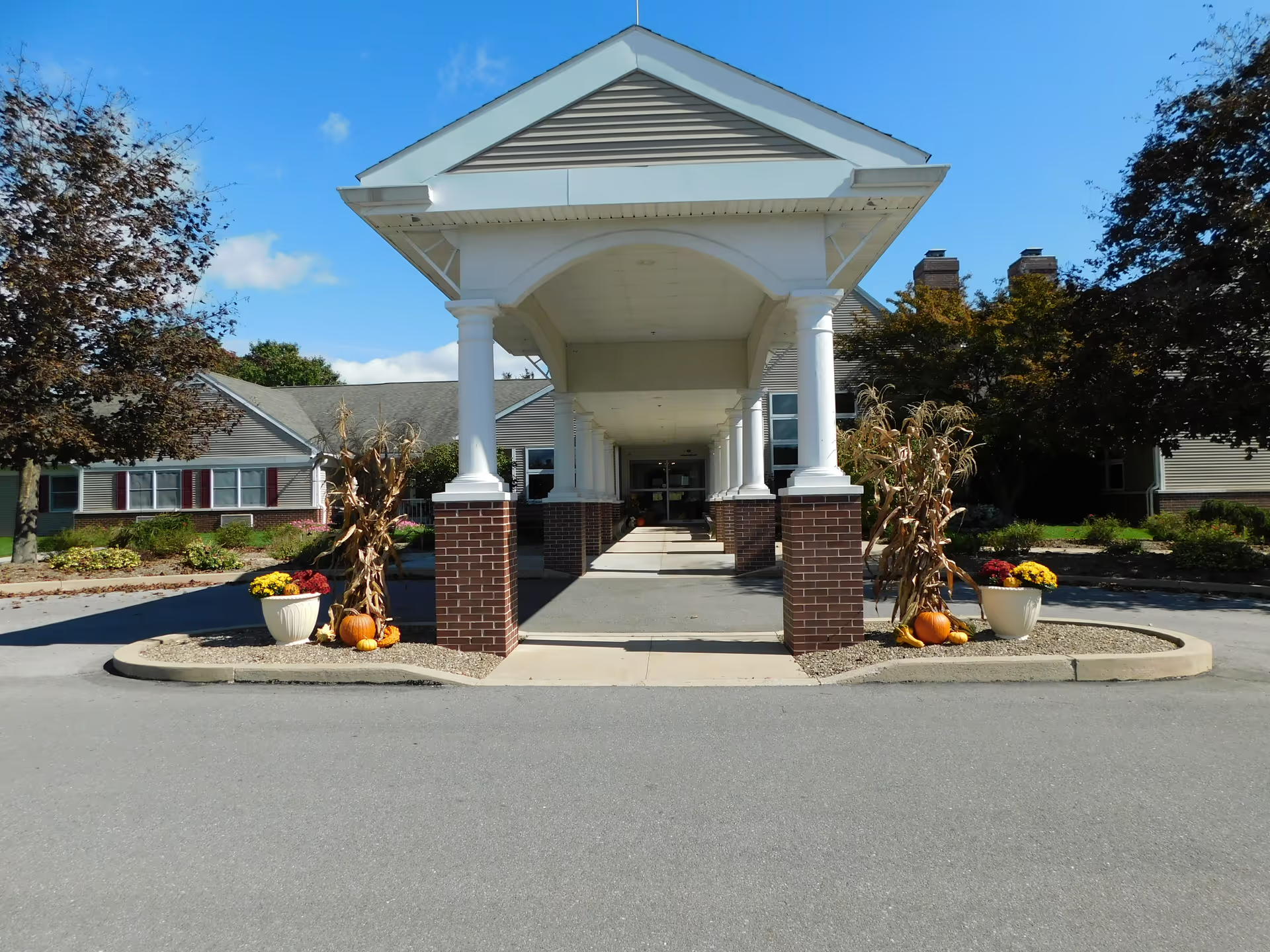
Embassy of Sayre elicits a mixed but consistent pattern of strengths and operational concerns. The physical plant and amenities receive frequent praise: reviewers describe a modern, well‑maintained building with attractive private rooms, clean common areas, and an active schedule of social events, outings, and live entertainment. The facility’s rehabilitation focus and onsite therapy services are highlighted positively, and housekeeping and kitchen staff are repeatedly described as kind and helpful. Several families also noted timely family notifications and an overall welcoming atmosphere.
Care quality and staff performance present a bifurcated picture. Many comments commend friendly, accommodating nurses and aides and cite attentive moments of clinical care. At the same time, there are repeated concerns about staffing levels and workforce stability. Understaffing and turnover appear to contribute to delayed responses to assistance requests and call bells, inconsistent visibility of staff on units (especially at night), and variable training or competency across personnel. There are also specific concerns about timeliness of medication administration and gaps in pressure‑injury prevention and wound care, which suggest variability in clinical monitoring and care-planning for higher‑acuity residents.
Dining and programming show divergent experiences. The community offers a robust calendar of activities, frequent social snacks, and live performances that many families find engaging for residents. However, meal quality is described as inconsistent: some reviewers call the food adequate while others note a reliance on higher‑carbohydrate options and limited fresh fruit and vegetable choices. Housekeeping and the general upkeep of the facility are consistently positive, which supports a pleasant everyday environment despite the clinical concerns.
Management and operational patterns appear to underlie several of the negative themes. Reviewers link staffing shortages to difficulty retaining experienced employees, limited staff communication tools, and decisions that may favor lower‑acuity residents. Dementia care experiences are mixed; some families find the integrated approach acceptable, while others feel the unitting or programming does not match their loved one’s needs. Overall, prospective residents and families should weigh the facility’s strong amenities, rehabilitation resources, and positive nonclinical services against reported operational weaknesses in staffing, clinical consistency, and care for higher‑dependency residents. For individuals requiring frequent hands‑on assistance or intensive clinical oversight, a detailed, up‑to‑date assessment of staffing patterns, wound‑care protocols, medication administration practices, and nighttime monitoring is recommended before placement.